Battle Over Food Aid and Farm Spending Intensifies as Controversial Five-Year Bill Heads to US Senate


After years of delays and temporary extensions, the U.S. House of Representatives has passed a new five-year farm bill, sending one of Congress’s most consequential pieces of legislation into what is expected to be a bruising Senate battle.
The Farm, Food and National Security Act of 2026 passed the House in a narrow 224-200 vote after Republican leaders spent hours negotiating with holdouts from both parties. The legislation would replace portions of the 2018 farm bill, which officially expired in 2023 but has continued through a series of short-term extensions.
Farm bills traditionally unite lawmakers from rural and urban districts by combining agricultural subsidies with food assistance programs. This year’s debate, however, has exposed widening divisions over nutrition spending, conservation policy, pesticide regulations, and federal support for struggling farmers.
House Agriculture Committee Chairman Glenn “GT” Thompson argued the legislation was urgently needed as farmers face rising production costs, global instability, and economic uncertainty. But Senate leaders have already signaled major revisions are likely before any final version reaches President Donald Trump’s desk.
SNAP Cuts Become the Bill’s Biggest Flashpoint
The sharpest divide centers on the Supplemental Nutrition Assistance Program, better known as SNAP, which accounts for the largest share of farm bill spending. Republicans have framed proposed changes as necessary fiscal reforms designed to control spending growth and encourage workforce participation.
The House-passed bill maintains roughly $187 billion in SNAP reductions enacted through earlier tax-and-spending legislation. It also preserves expanded work requirements, tighter eligibility standards, and shifts additional program costs onto individual states. Supporters say the measures are intended to improve efficiency and reduce long-term federal spending.
Democrats and anti-hunger advocates argue the cuts arrive at a particularly difficult moment for lower-income families already coping with high grocery prices and housing costs. Critics warn the changes could reduce food access in both rural and urban communities while straining local governments and nonprofit food assistance networks.
The legislation still reauthorizes several major nutrition programs through 2031, including SNAP, the Emergency Food Assistance Program, and nutrition incentive initiatives aimed at increasing access to healthier foods. The bill would also make permanent the SNAP online purchasing pilot program and allow recipients to purchase hot rotisserie chicken, a small but widely discussed provision that supporters say reflects practical consumer needs.
Conservation and Farm Aid Spark Competing Priorities
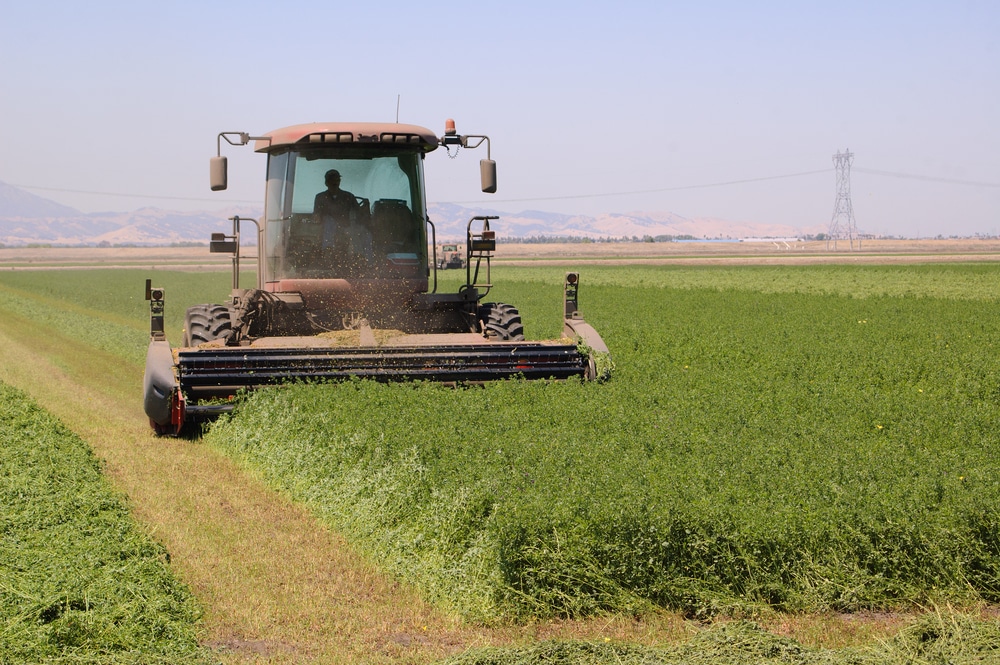
Beyond food assistance, lawmakers are also clashing over how aggressively the federal government should support conservation programs and agricultural safety nets. Farm groups have pushed for stronger protections as producers grapple with volatile crop prices, rising fertilizer costs, and increasingly severe weather events.
The House bill includes expanded conservation initiatives tied to soil health, drought mitigation, water quality, and carbon reduction practices. It also increases support for precision agriculture technologies such as GPS-guided equipment and data-driven fertilizer systems intended to improve efficiency while reducing environmental impacts.
Some environmental advocates, however, argue the legislation does not go far enough to address long-term climate and land management challenges. Critics have warned that many conservation programs remain underfunded despite growing demand from farmers seeking assistance with sustainable practices.
Another contentious provision involved pesticide regulation. Earlier versions of the bill included language critics said would shield pesticide manufacturers from some state-level lawsuits involving glyphosate-based products such as Roundup. The provision was ultimately stripped from the House version after backlash from environmental and public health activists, including figures aligned with Trump’s “Make America Healthy Again” movement.
Farm organizations broadly welcomed the bill’s passage nonetheless. The American Farm Bureau Federation said updated conservation programs, research funding, and expanded loan limits would help producers survive mounting economic pressures. Other groups, including the National Farmers Union, countered that the legislation still fails to address consolidation in agriculture and worsening financial strain on family farms.
Biofuel Politics and Senate Negotiations Loom Ahead
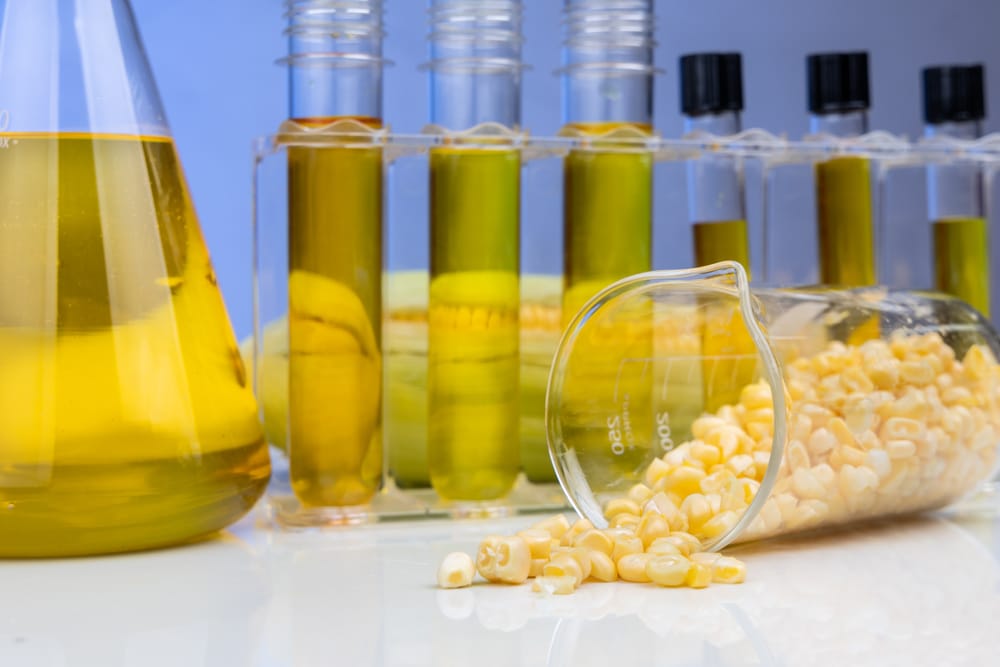
Another major fault line involves ethanol and biofuel policy, which has increasingly become a proxy battle between agricultural and energy interests. Corn growers and ethanol producers have pushed aggressively for nationwide year-round sales of E15 gasoline, a higher-ethanol fuel blend currently restricted during summer months in many areas because of emissions rules.
Several House Republicans reportedly withheld support for the broader farm bill until leadership agreed to schedule a separate vote on E15 legislation. Farm-state lawmakers argue expanded ethanol access would increase demand for corn while lowering fuel prices for consumers. Oil refiners and some environmental groups, however, have warned the policy could increase operational costs and create additional market complications.
The Senate now faces the challenge of reconciling competing priorities from rural producers, food assistance advocates, conservation groups, and industry lobbyists. Senate Agriculture Committee Chairman John Boozman has said he hopes to craft a bipartisan version that avoids some of the House bill’s most divisive provisions.
That task may prove difficult. Senate Democrats, led by Agriculture Committee ranking member Amy Klobuchar, have already criticized the House approach to SNAP and called for stronger support for small farmers facing rising debt and shrinking profit margins. With the current extension set to expire Sept. 30, lawmakers face growing pressure to reach an agreement after nearly eight years without a fully reauthorized farm bill.