Beer, Wine, or Liquor: The “Healthiest” Alcohol Isn’t What Most People Think
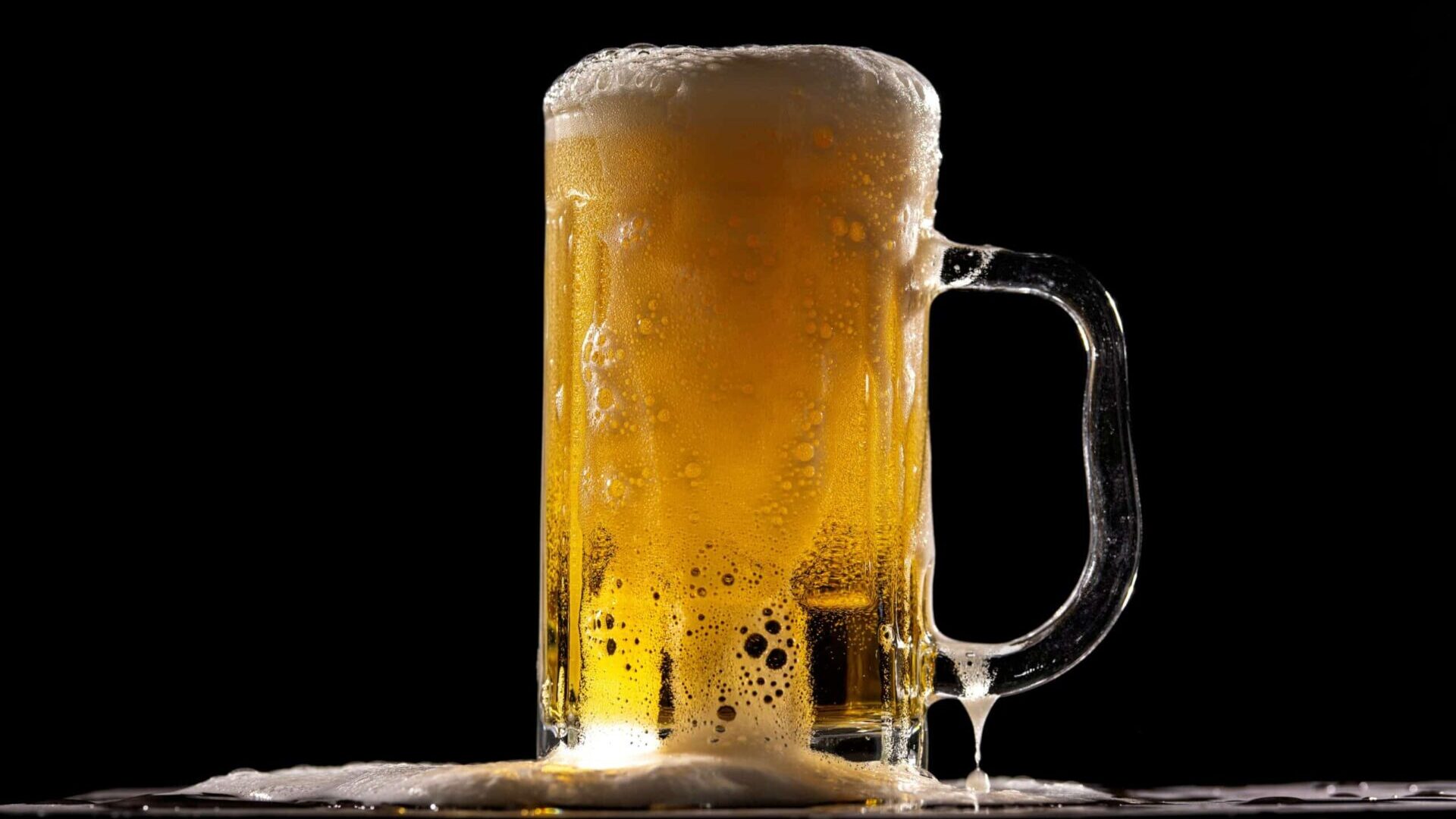

Holiday celebrations tend to come with a drink in hand. From office parties to family dinners and festive brunches, alcohol often becomes part of the ritual—sometimes without much thought about how different drinks affect the body. When trying to make a “healthier” choice, many people wonder whether wine really deserves its good reputation, if beer is worse for weight and blood sugar, or if spirits are the smartest option.
As a registered dietitian and nutrition editor, this is a question I hear every holiday season. While most people know that excessive drinking isn’t good for their health, fewer understand how beer, wine, and liquor actually compare—or how easy it is to overconsume without realizing it.
The truth is that the healthiest choice at the bar has less to do with what you drink and far more to do with how much, how often, and how intentionally you drink.
What Actually Counts as One Drink?

Before comparing beer, wine, and liquor, it’s crucial to understand what a standard drink really looks like. Alcohol content is measured by alcohol by volume (ABV), which represents how much of a beverage is made up of pure alcohol. Drinks with higher ABV pack more alcohol into smaller servings.
According to the Centers for Disease Control and Prevention (CDC), one standard drink contains roughly the same amount of alcohol—regardless of type. That equals 12 ounces of beer at 5% ABV, 5 ounces of wine at 12% ABV, or 1.5 ounces of distilled spirits at 40% ABV. The problem? Most pours are much larger than these guidelines.
When a single glass quietly turns into two or three drinks, calorie intake climbs, sleep quality drops, and next-day fatigue or headaches become more likely—no matter what type of alcohol you choose.
Wine, Beer, or Spirits: How They Stack Up

Wine—especially red wine—often carries a health halo due to its antioxidant content. It’s frequently associated with the Mediterranean diet and heart health. However, experts caution against overstating these benefits. The same antioxidants are readily available in grapes, berries, and other plant foods—without the risks tied to alcohol consumption.
Beer is sometimes labeled as “gut-friendly” because it’s fermented and contains small amounts of B vitamins and antioxidants. Still, beer is generally higher in carbohydrates and calories than wine or spirits, particularly craft beers with elevated alcohol content. For those monitoring blood sugar or weight, beer can add up quickly.
Spirits like vodka, tequila, and gin are often considered the lowest-calorie option because they contain no carbohydrates. But that advantage disappears once mixers are added. Cocktails frequently include multiple shots, syrups, juices, or liqueurs—dramatically increasing sugar, calories, and hangover risk.
The Healthiest Way to Drink Isn’t About the Drink

When it comes to alcohol and health, no drink truly wins. Wine, beer, and liquor all carry risks, including increased cancer risk, disrupted sleep, and digestive irritation. The most important factor isn’t which alcohol you choose—but how you drink it.
Drinking mindfully means paying attention to portion sizes, avoiding daily consumption, eating before drinking, and choosing alcohol because you enjoy it—not out of habit or social pressure.
There is no “healthy” alcohol, but there is a healthier approach: moderation, awareness, and intention. If you drink, savor it. If you don’t, your health won’t suffer from skipping it.

