Burger King Plans to Hire 60,000 Workers. Here’s What’s Driving the Move

Burger King is making headlines with an ambitious plan to hire up to 60,000 new workers across its U.S. restaurants, marking one of the largest hiring pushes in the fast-food industry in recent years. The move signals a major shift for the brand, which has spent the past few years working to rebuild its image, improve operations, and bring customers back into stores. Now, with signs that those efforts are paying off, the company is racing to keep up with growing demand. This hiring surge reflects not just a need for more staff, but a broader transformation taking place within the company.
A Massive Hiring Push Across Thousands of Locations

The hiring campaign will span Burger King’s roughly 6,500 restaurants across the United States, with positions ranging from entry-level crew members to salaried management roles. Because nearly all of these locations are operated by independent franchisees, the hiring effort represents a coordinated push across the entire system rather than a single centralized initiative. This масштаб approach highlights how widespread the demand for additional workers has become across the brand.
A Turnaround Strategy That’s Finally Paying Off
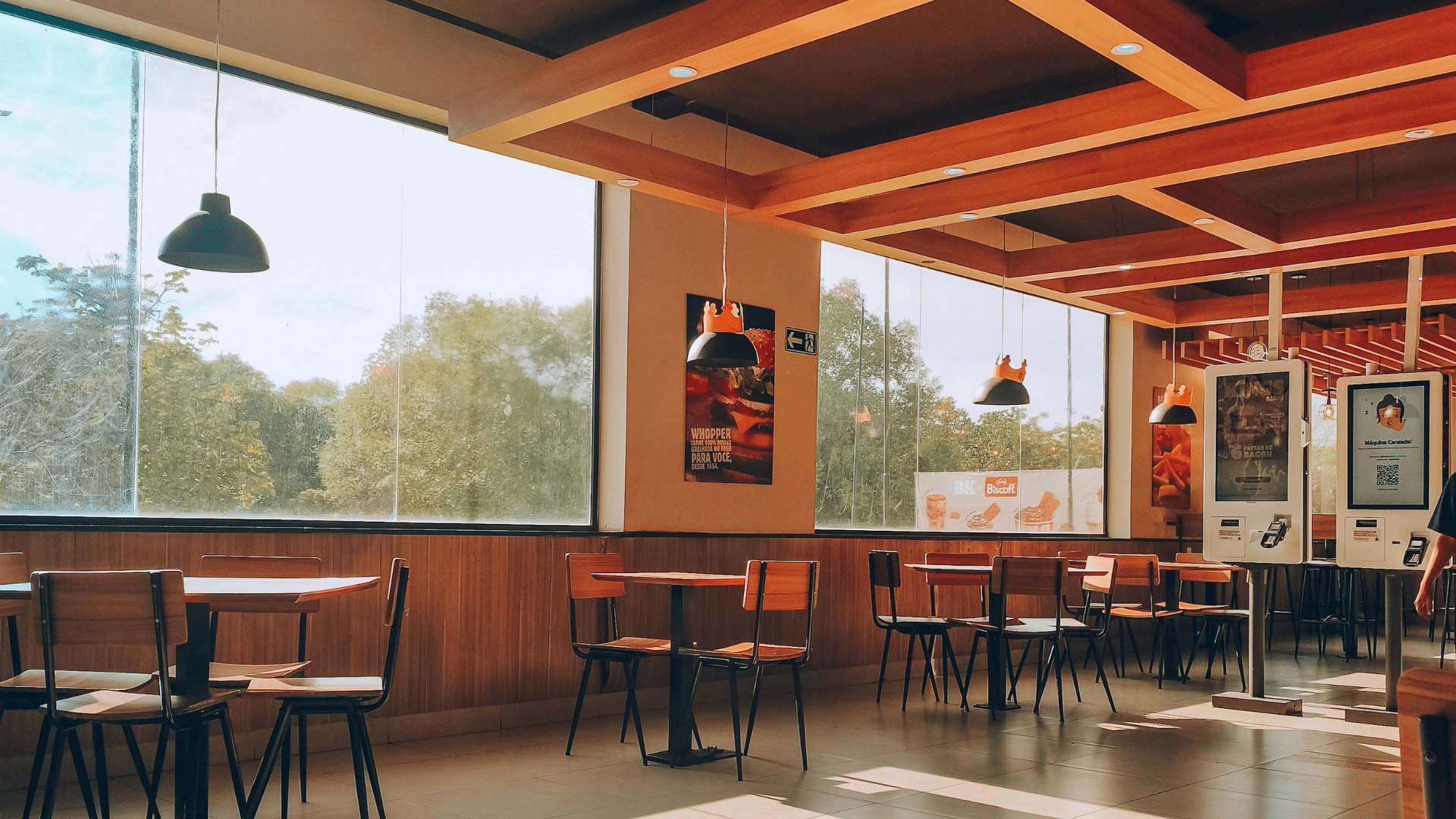
At the heart of this hiring surge is Burger King’s long-running “Reclaim the Flame” turnaround strategy, which has focused on modernizing restaurants, improving operations, and refreshing the brand’s image. After years of investment in upgrades and marketing, the company is now seeing measurable results, including increased sales and stronger customer engagement. These improvements have created momentum that the company is now trying to sustain and expand.
More Customers Are Coming Back to Restaurants
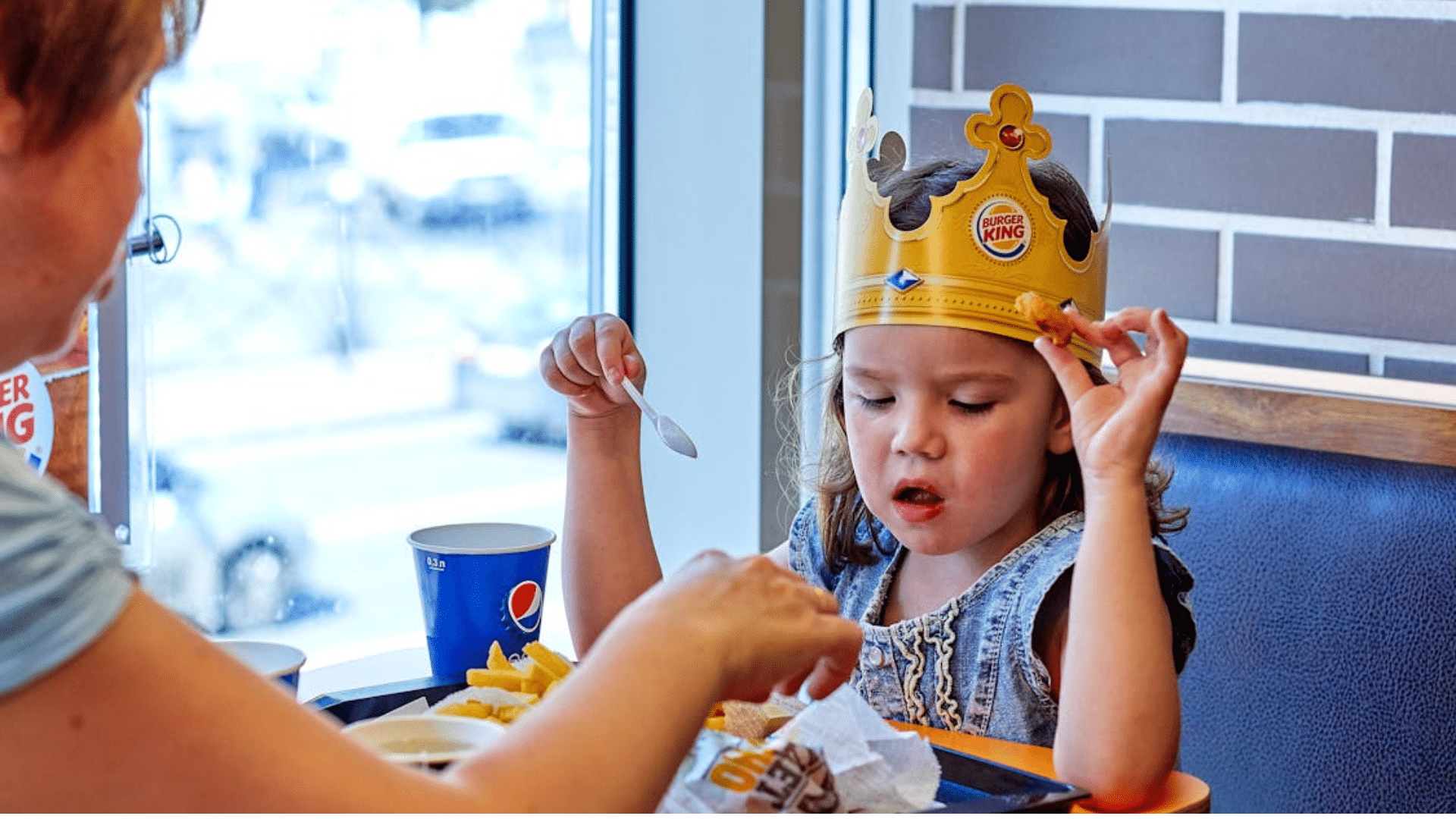
One of the biggest drivers behind the hiring push is a noticeable increase in customer traffic at Burger King locations. As stores attract more visitors, many locations are finding themselves understaffed and struggling to keep up with demand. The company has reported consistent growth in foot traffic and comparable sales in recent quarters, making additional hiring essential to maintain service quality and speed.
Menu Changes Are Boosting Sales
Burger King has also made strategic updates to its menu, including a revamped version of its iconic Whopper for the first time in nearly a decade. These changes, driven by customer feedback, have helped reinvigorate interest in the brand and attract both new and returning customers. As menu improvements translate into higher sales, restaurants require more staff to handle the increased volume of orders.
Technology and Modernization Are Changing Operations

Alongside hiring, Burger King is investing heavily in technology and operational upgrades, including AI-powered tools and improved kitchen systems designed to enhance efficiency. These innovations are intended to streamline workflows and improve the customer experience, but they also require a well-trained workforce to operate effectively. The combination of technology and human labor is central to the company’s new strategy.
Why Staffing Matters More Than Ever
Industry data shows that poor customer experiences can quickly drive customers away, making staffing levels a critical factor in retaining business. Burger King recognizes that faster service, shorter wait times, and friendly interactions are essential to keeping customers satisfied. By hiring more employees, the company aims to close service gaps and ensure a more consistent experience across its locations.
Franchise Owners Play a Key Role
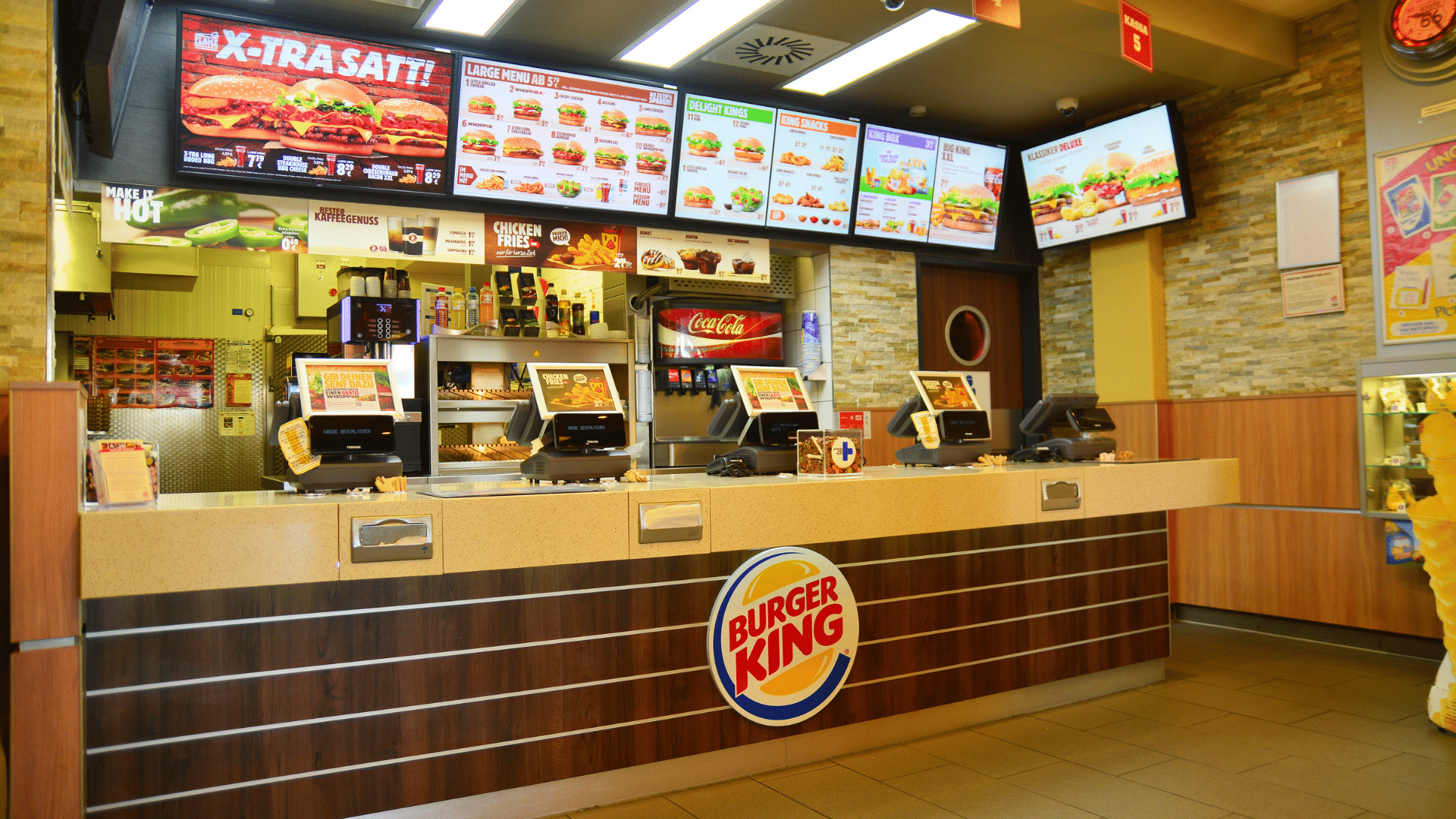
Because the vast majority of Burger King’s U.S. locations are franchised, individual operators will be responsible for much of the hiring effort. This means the success of the campaign depends heavily on franchise participation and investment. The company has described the initiative as a “collective effort,” emphasizing collaboration across its network to support growth and improve performance.
A Hiring Move That Stands Out in Today’s Economy
The scale of Burger King’s hiring plan is especially notable given broader economic challenges, including inflation and shifting consumer spending habits that have impacted the restaurant industry. While some competitors are seeing slower demand, Burger King’s decision to expand its workforce suggests confidence in its recovery and long-term growth potential. It also positions the brand as a major contributor to job creation in the service sector.
What This Means for the Future of Burger King
Burger King’s plan to hire 60,000 workers is more than just a staffing update, it’s a clear signal that the company believes its turnaround is working and that demand will continue to grow. By investing in people, technology, and operations at the same time, the brand is positioning itself for a stronger future in an increasingly competitive fast-food landscape. If successful, this move could help Burger King solidify its comeback and set a new standard for how legacy chains reinvent themselves.

