GLP-1 Drugs Could Cost the Food Industry Billions. Burger King Is Preparing Early

Fast food chains built their entire business model around big portions and bigger appetites. Now weight loss drugs are changing how millions of Americans eat, and Burger King isn’t waiting to find out what that means for its bottom line. “My impulse has always been that this GLP-1 movement is going to have a profound impact on the industry,” said Tom Curtis, Burger King’s president of U.S. and Canada. The chain is already testing changes most customers haven’t noticed yet.
One Executive Is Telling His Team to Get Ready Now, Not Later
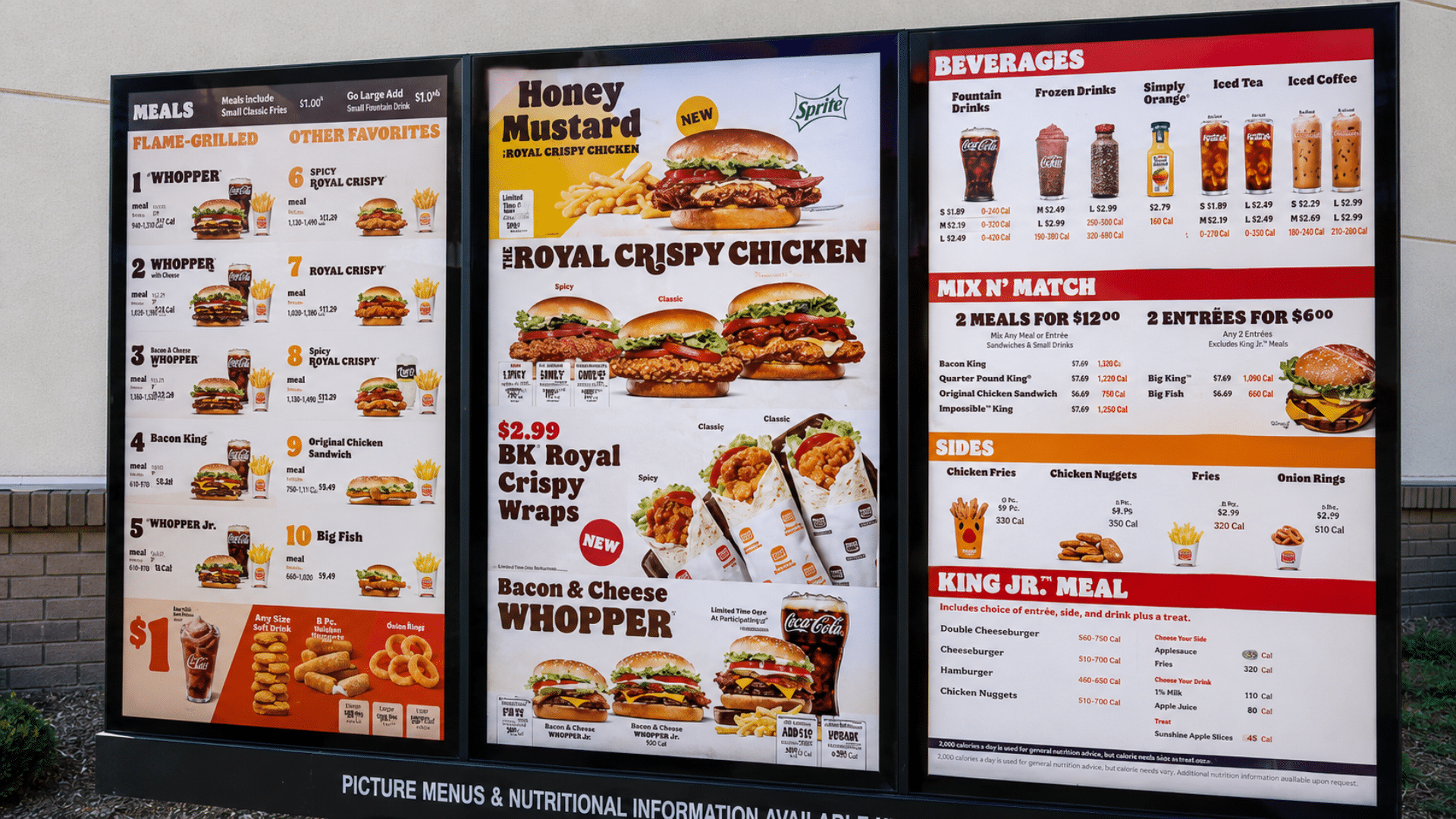
Curtis isn’t waiting for sales numbers to force his hand. “We haven’t seen it yet, so I keep telling the team, ‘Hey, we need to be prepared for this,'” he said in an interview for NBC’s Business in America franchise. That mindset has already shaped real menu decisions inside the company. Burger King is testing items like Whopper Bites and protein-forward bowls, designed partly with GLP-1 users’ shifting appetites in mind.
More Americans Than Ever Are Taking These Appetite-Changing Drugs
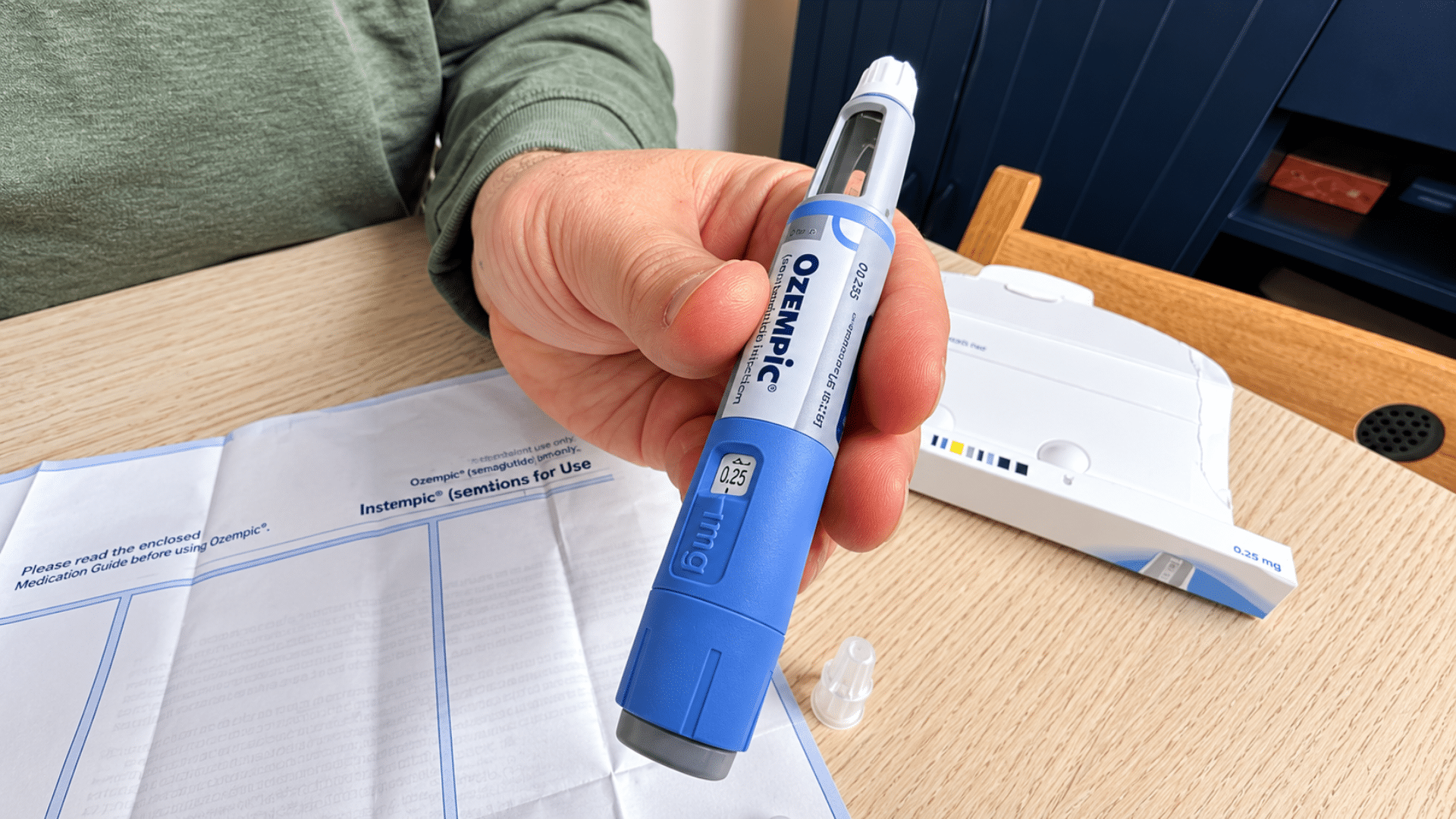
The scale of this shift explains why Burger King is paying such close attention. A July Gallup poll found that 11% of U.S. adults currently take a GLP-1 medication, nearly four times the share reported just two years earlier. That growth rate alone signals a genuine shift in consumer behavior, not a passing trend. Fast food chains built for decades around large portions now face a customer base that increasingly wants less food, not more.
Nearly Half of These Users Already Say They’re Dining Out Less
The impact isn’t theoretical anymore. A separate survey by the National Restaurant Association found that nearly half of GLP-1 users said they had cut back on dining out since starting the medication. That statistic cuts directly against the fast food industry’s traditional growth engine. For chains like Burger King, understanding exactly how these customers are changing their habits has become essential to staying relevant in the years ahead.
Access to These Drugs Is About to Expand Even Further

This trend shows no signs of slowing down soon. The federal government is currently piloting a program aimed at increasing GLP-1 access for Medicare enrollees. Meanwhile, drug manufacturers face mounting pressure from multiple directions to lower the cost of GLP-1 therapy. As these medications become more affordable and accessible, the pace of change in consumer eating habits could accelerate well beyond what the industry has already experienced.
Burger King’s Own Sales Haven’t Slowed Down, At Least Not Yet
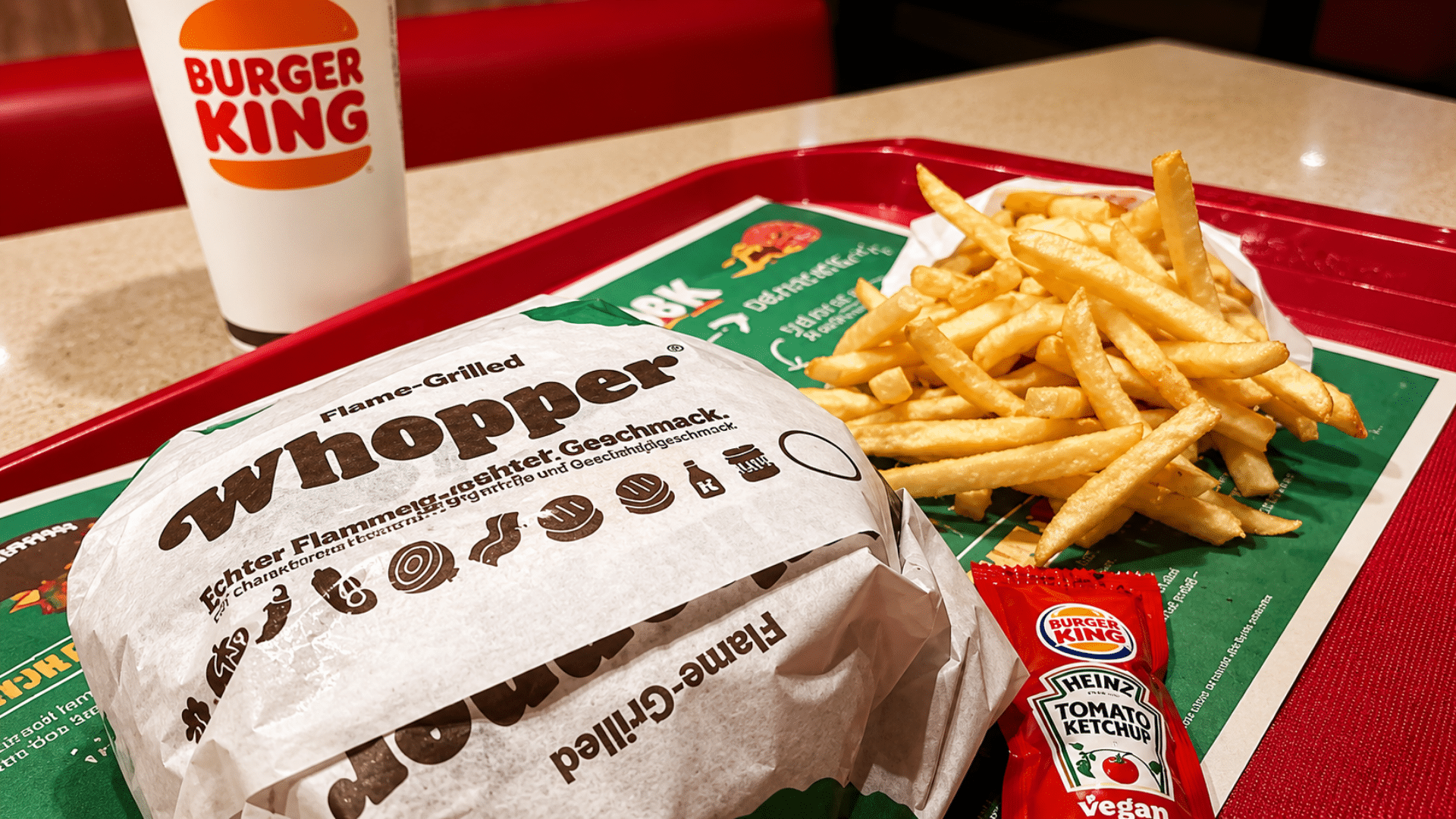
Despite all this preparation, Curtis is careful to separate future risk from current reality. He pointed directly to strong Whopper sales as evidence that GLP-1 drugs haven’t yet reshaped Burger King’s business. “What’s important for us is that we have all of the variety and innovation available in a smaller package,” he said. The company wants flexibility built in before any slowdown actually arrives at the register.
New Survey Data Shows Burgers Specifically Are Getting Cut
Recent research suggests Burger King’s caution isn’t just corporate hedging. An April survey of 300 GLP-1 users conducted by equity research firm William Blair found that 72% were specifically cutting back on hamburgers. That number lands squarely on Burger King’s signature product category. For a chain built around the Whopper, a statistic like that carries obvious weight in shaping long-term strategy decisions.
Wall Street Sees Billions in Industry Revenue at Stake

This isn’t a concern confined to one restaurant chain. JPMorgan estimated in February that the rise of GLP-1 drugs could erase between $30 billion and $55 billion in annual revenue for the food and beverage industry as early as 2030. That projection reframes GLP-1 adoption as a genuine financial risk factor for the entire sector, not just a minor shift in individual customer preferences at scattered locations.
Curtis Refuses to Rush a Complicated Menu Overhaul
Even with billions in potential revenue at risk, Curtis isn’t rushing to overhaul Burger King’s menu overnight. “We need the demand there before we really complexify, if you will, the menu, because simplicity is king in the fast food business,” he said. That caution fits within a broader $2 billion turnaround effort called “Reclaim the Flame,” which has already helped drive a 5.8% increase in comparable store sales during the first quarter of this year.
Fast Food Isn’t Dying, But It Is Learning to Adapt
Curtis rejects any suggestion that GLP-1 drugs might eventually kill off fast food chains altogether. “Absolutely not,” he said. “Fast food is about convenience. It’s about great flavor and great value. I still think you need that.” Whether that confidence holds up may depend less on burgers themselves and more on how quickly chains like Burger King can adjust portions, menus, and expectations to match a changing American appetite.