We Asked Three Butchers How to Pick the Best Steak and Their Answer Was Surprisingly Simple
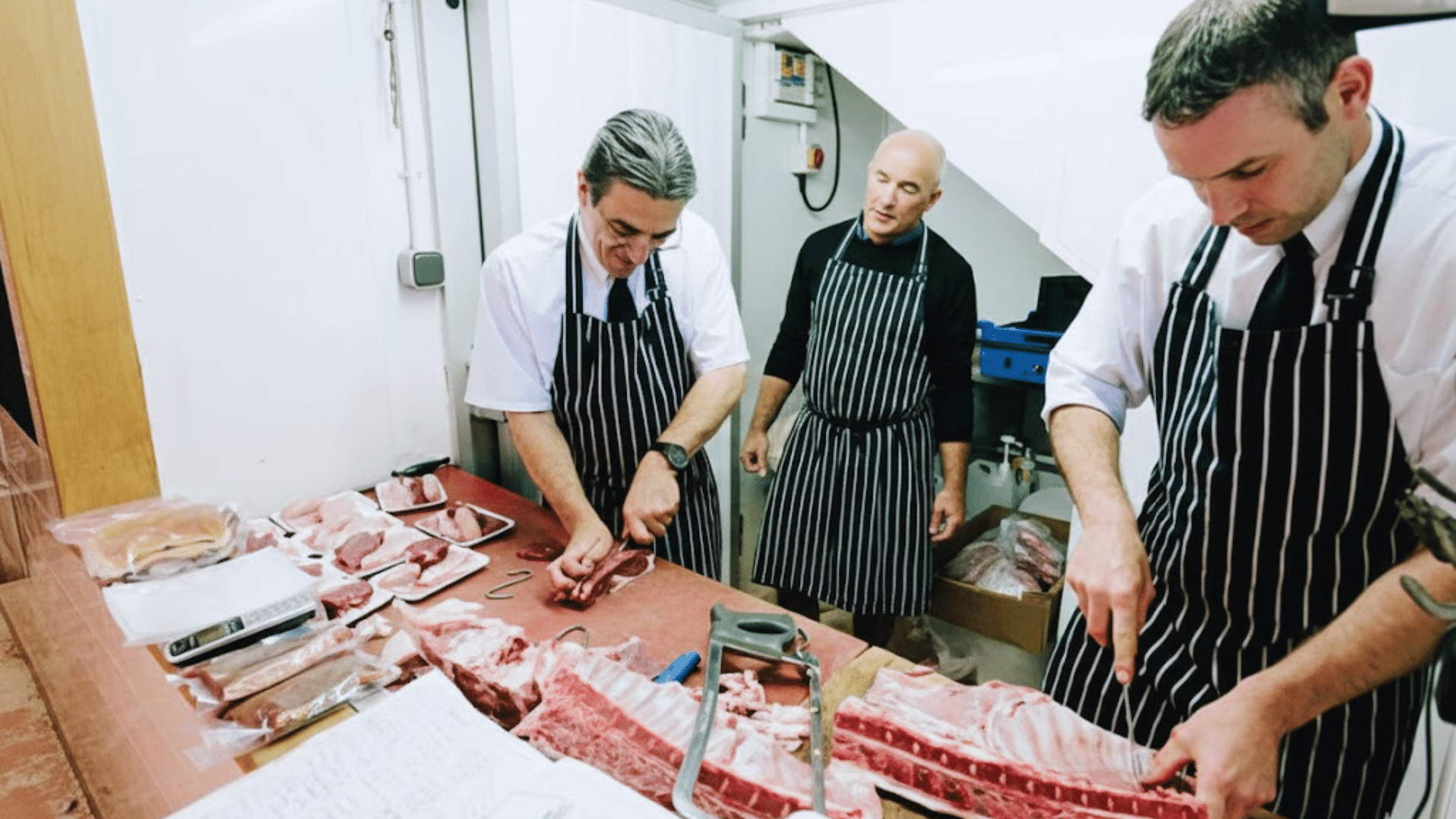

When people say they want “the best steak,” they usually mean one thing: a steak that tastes incredible to them. Butchers hear this question nonstop, and their answers don’t start with a specific cut. They start with you. After talking with multiple meat pros, a clear theme emerges: the best steak isn’t universal — it’s personal, situational, and often hiding in plain sight. Here’s how experts say to choose with confidence, whether you’re grilling for friends or searing one perfect plate for yourself.
Start with your craving, not the label
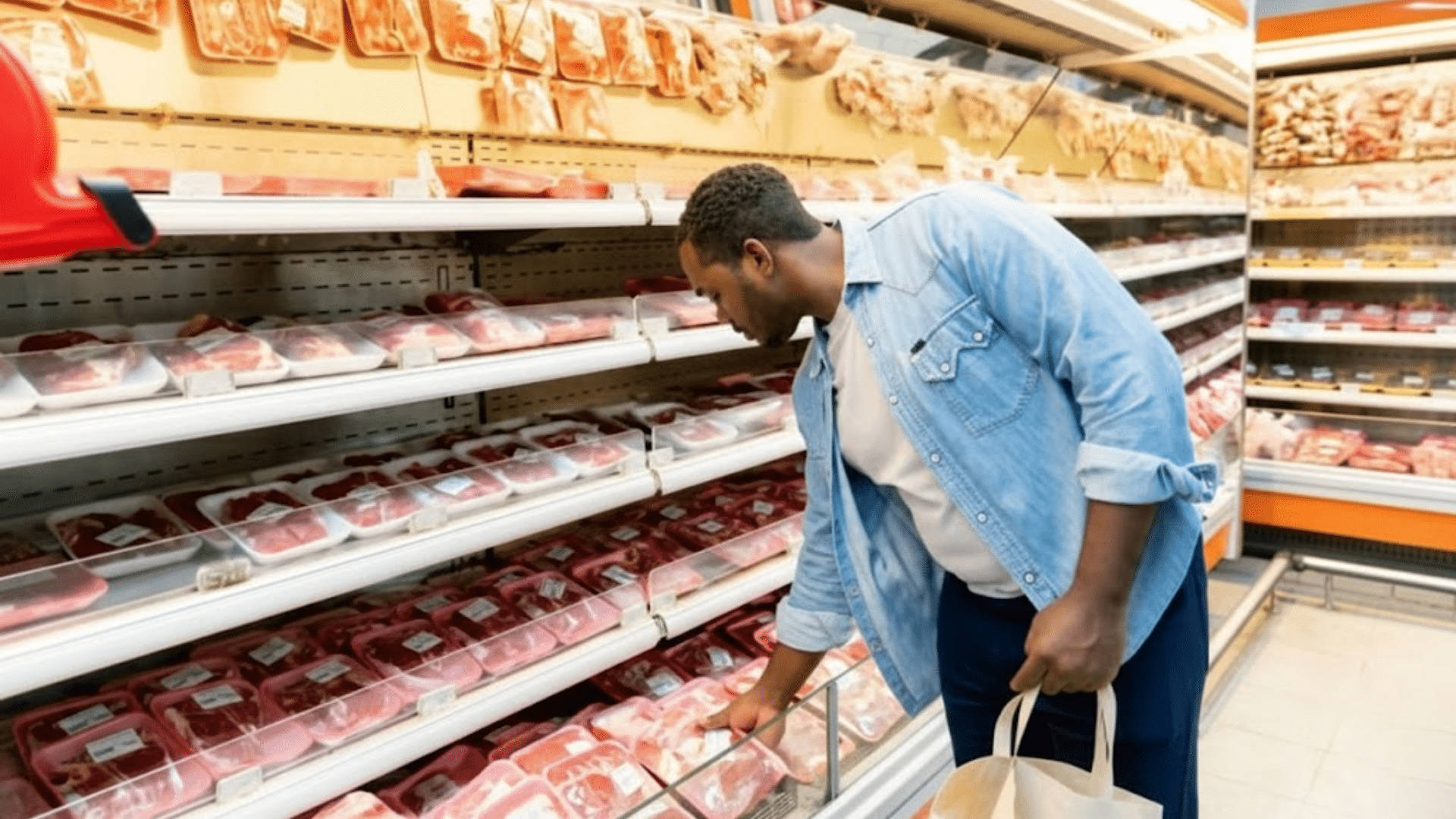
Butchers agree the first step is brutally simple: buy the steak that makes you hungry. That means being honest about what you want right now; rich flavor or clean tenderness, big beefiness or a softer bite, bone-in drama or boneless convenience. There’s no moral high ground in choosing ribeye over sirloin. You’re not shopping for a steak’s reputation, you’re shopping for your appetite. If the cut doesn’t excite you at the counter, it won’t magically thrill you on the plate.
Decide your “steak priority” before you shop
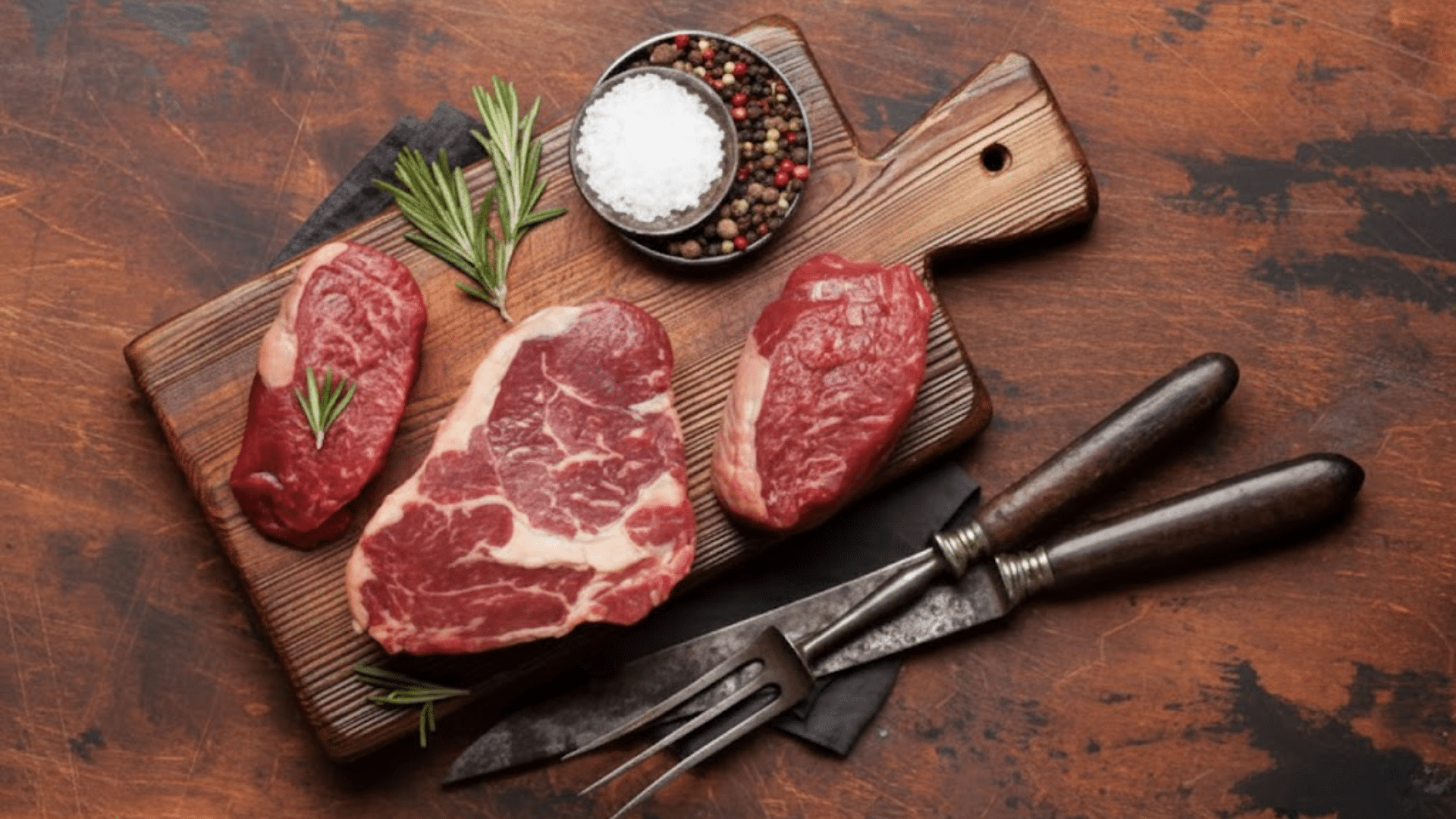
A helpful butcher trick: pick your priority. If you had to choose only one, do you want flavor or tenderness? Fatty or lean? A steak that melts or a steak that chews back a little? Experts say this one decision instantly narrows the field. Ribeye lovers usually chase richness. Filet fans chase tenderness. Strip steak sits in the middle. Once you know your priority, you stop wandering the meat aisle like it’s a quiz you didn’t study for.
Thickness is a quiet game-changer
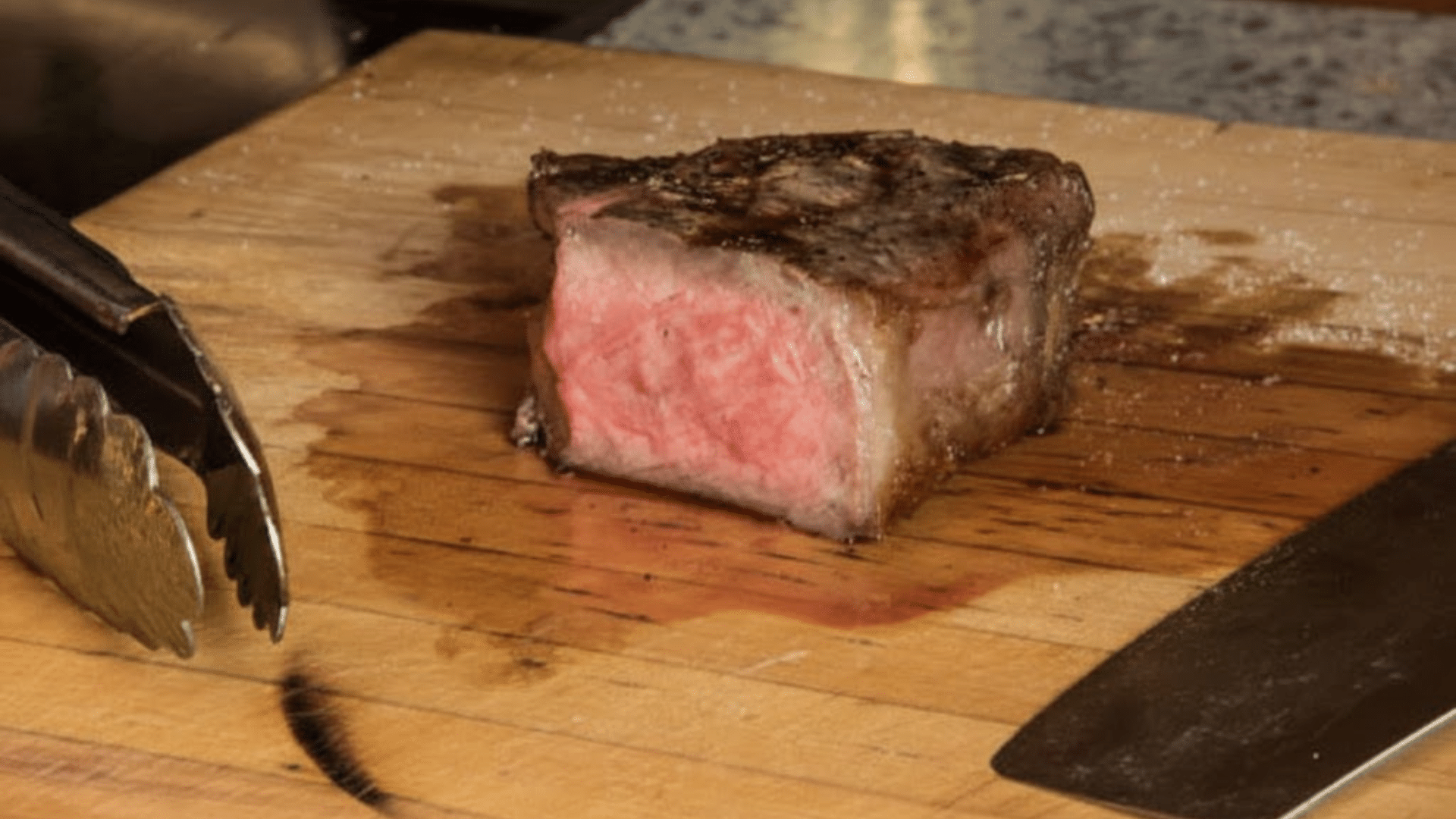
This is one detail butchers sound almost stubborn about: thicker is better. A steak around 1½ to 2 inches cooks more evenly, sears beautifully, and gives you more control over doneness. Thin steaks heat through too fast, which makes them easy to overcook before you get a real crust. If your goal is that restaurant-style edge-to-center perfection, thickness is your best friend. Many people think they’re buying a “better cut” when they actually just needed a better size.
Match the cut to the cooking method
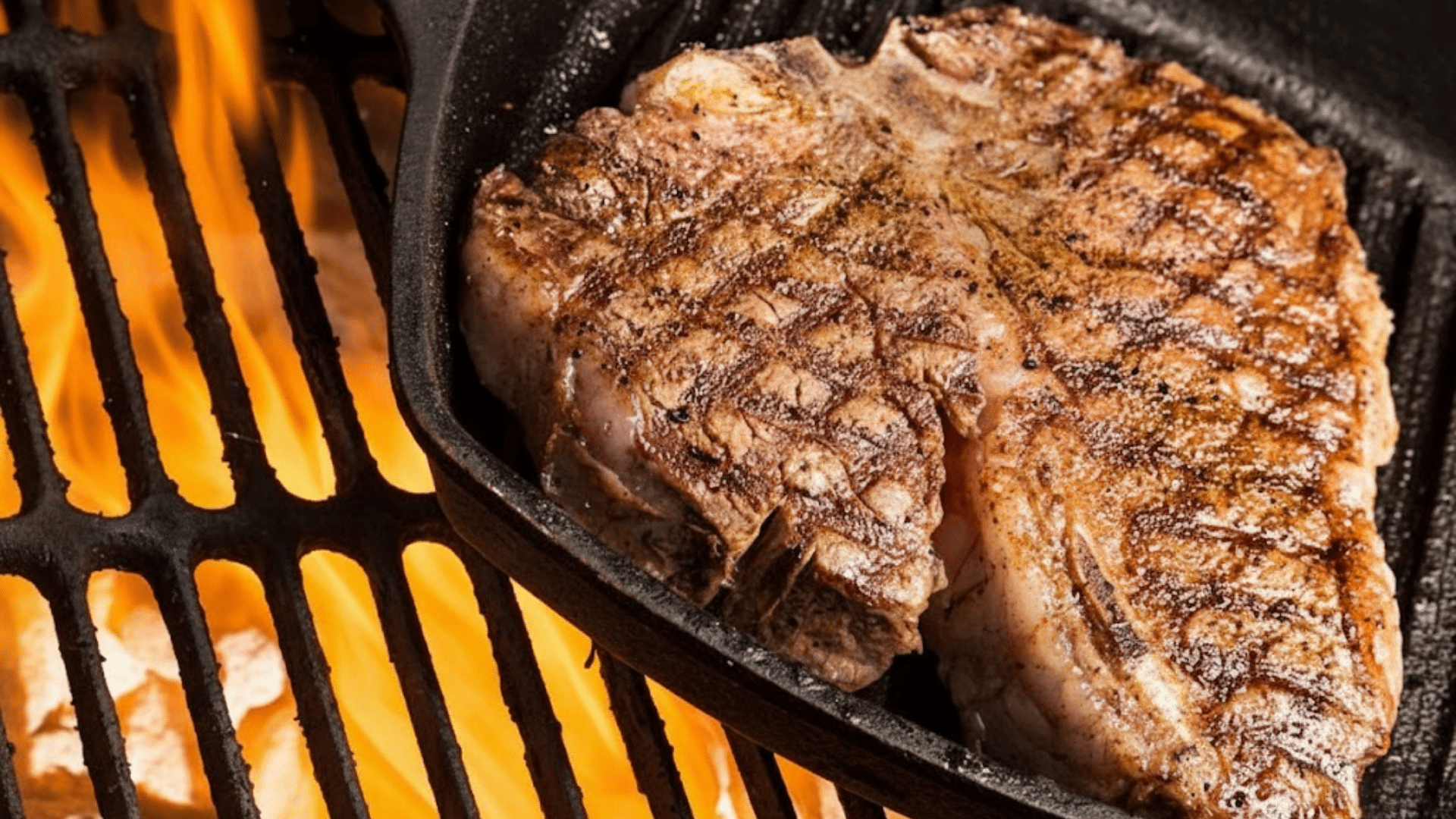
Experts say steak shopping should work backward from your plan. Grilling favors thicker, well-marbled cuts that can handle high heat, like ribeye or strip. Pan-searing works great for tender cuts and smaller portions. Broiling can rescue leaner steaks by cooking fast with intense top heat. If you buy a cut that doesn’t fit your method, you’re forcing the steak to be something it isn’t. The “best steak” changes depending on whether you’re using flames, cast iron, or an oven rack.
Learn to read marbling like a butcher
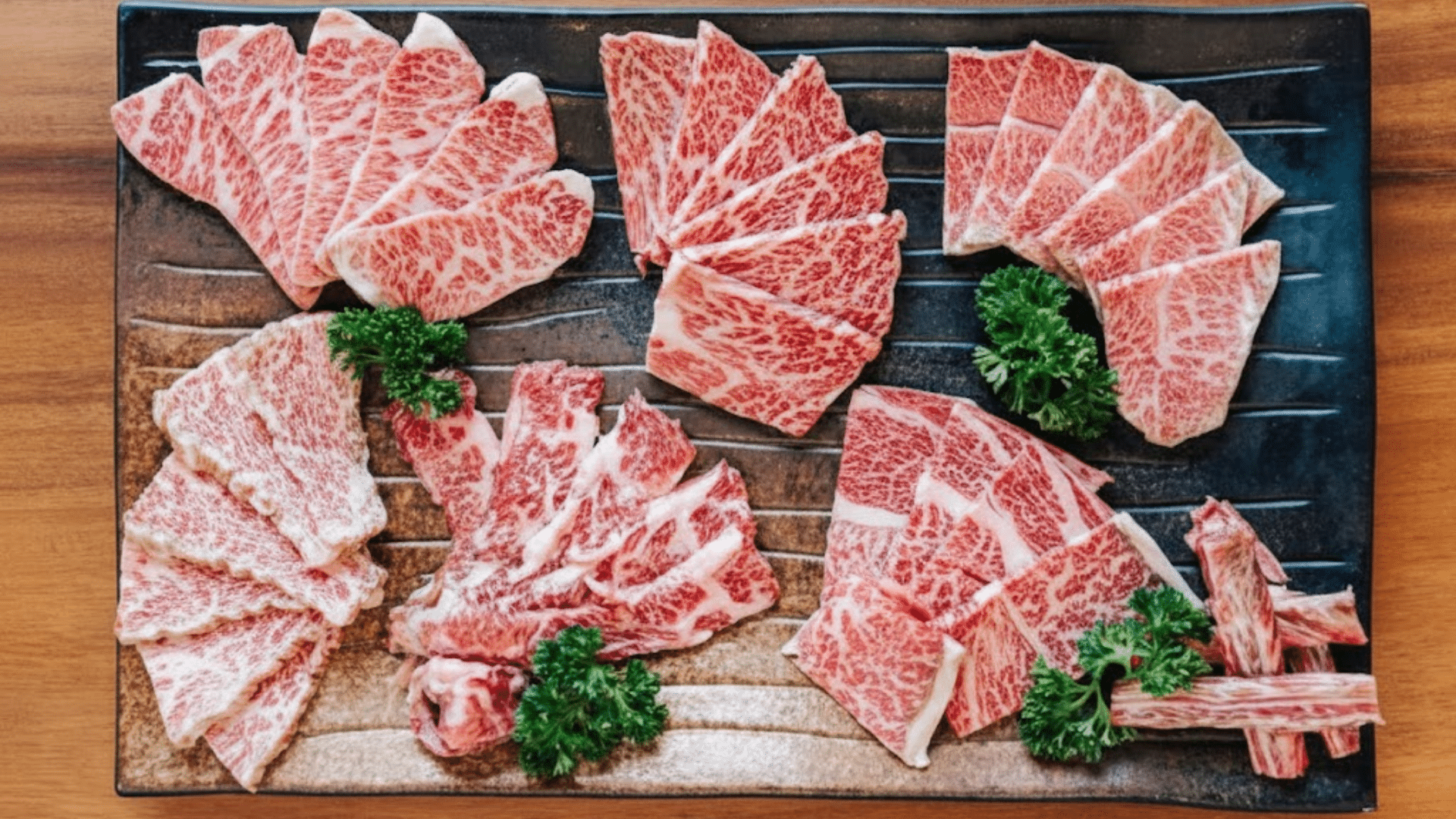
Marbling is the white streaking of fat inside the muscle, not the thick outer edge you trim away. Butchers say this is where flavor lives. Look for fat that’s evenly spread in fine lines rather than clumped in random chunks. More marbling usually means juicier and more forgiving cooking. Leaner steaks can still be great, but they demand precision. If you’ve ever had steak that tasted “fine but dry,” odds are marbling was the missing ingredient.
Don’t let price trick you into “best”
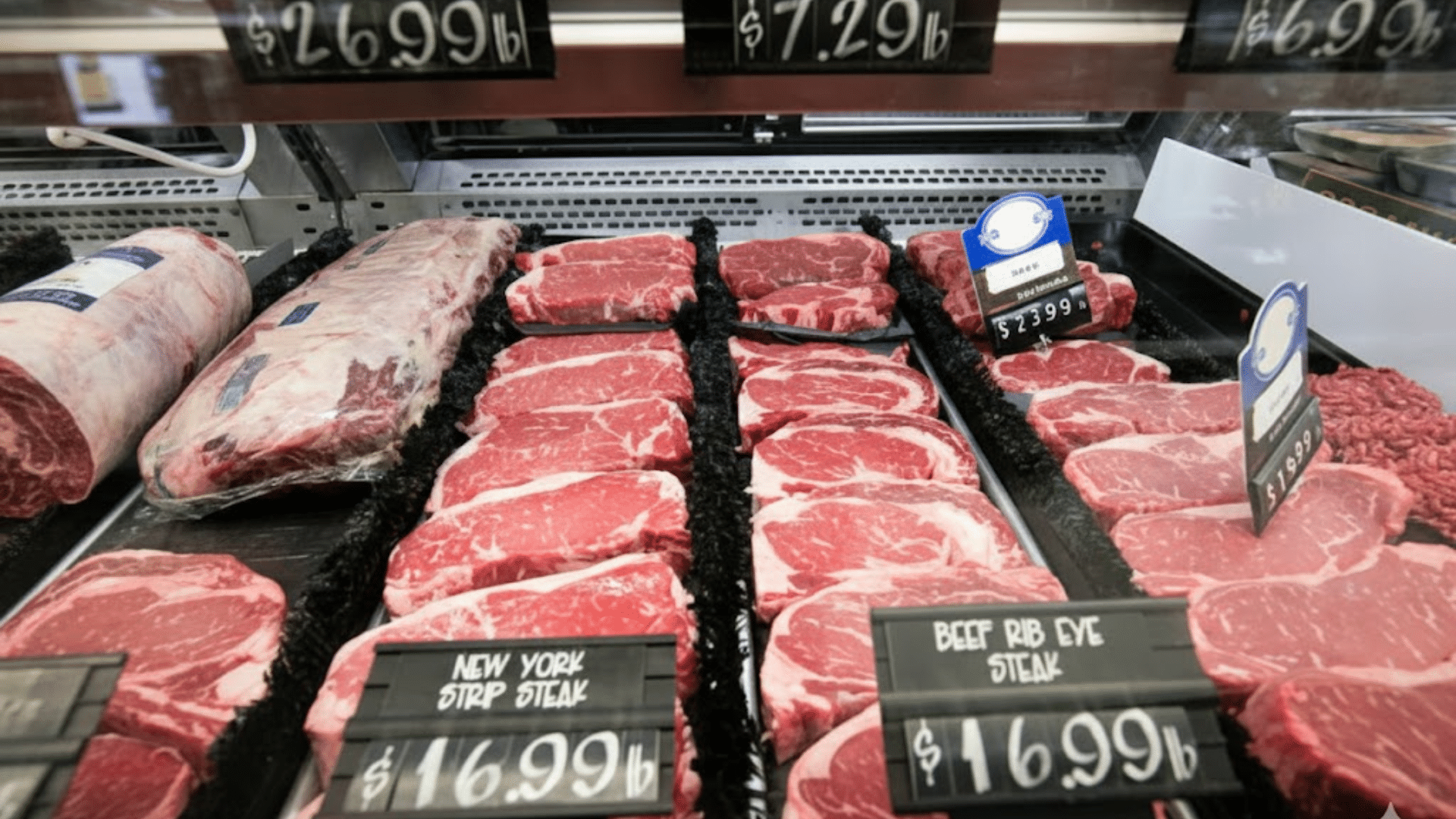
A surprising expert point: price often tracks popularity, not eating quality. Ribeye may cost more because demand is high, not because it’s automatically superior for your dinner. Butchers say great value cuts exist for almost every preference: bavette or flank for deep flavor, ranch or shoulder cuts for lean tenderness, strip for balance. If you know your craving, you can often find a cut that satisfies it without paying for status. The best steak should feel like a win, not a flex.
Ask the butcher the one question that matters

Experts all circle back to the same advice: talk to a butcher. Not in a fancy way. Just tell them what you want to eat and how you want to cook it. “I want something rich but not too fatty” or “I’m grilling for two and I don’t want to mess it up” is enough. Butchers can point you to the freshest cuts, suggest affordable alternatives, and even tell you how to cook it right. The best steaks are often the ones you’d never pick alone.
One more thing experts wish shoppers understood
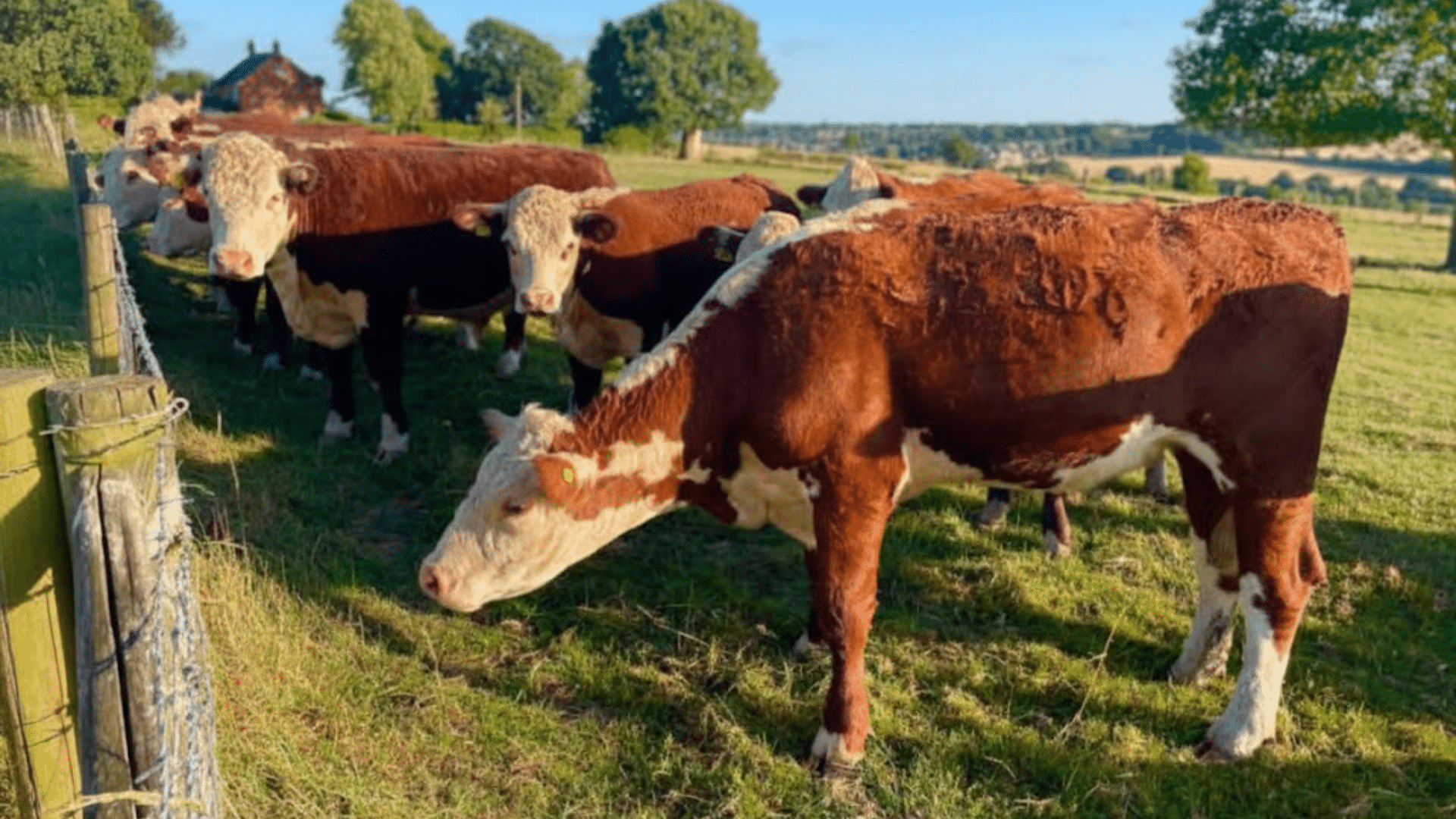
The best steak also comes from a well-raised animal, not just a famous cut. Butchers say sourcing matters because feed, age, and handling change texture and flavor more than most people realize. Two ribeyes can taste totally different depending on origin. That’s why relationships with trusted meat counters pay off. If you’re buying steak for a moment that matters, quality of the animal is part of the final bite. The cut is only half the story.
Conclusion

So how do you choose the best steak? Experts say it’s less about memorizing a hierarchy of cuts and more about understanding yourself. Know your craving. Pick thickness. Match the cut to your method. Read marbling. Ignore the hype. And ask someone who works with meat every day. The most debate-worthy truth here is also the simplest: “best steak” isn’t a single answer. It’s the one that fits your appetite, your pan, and your idea of a perfect bite.