California Advances Plan to Remove These Common Foods From School Lunch Menus


California is advancing a sweeping plan that could quietly reshape what millions of students eat at school. Lawmakers want to phase out certain ultra-processed foods from public school meals, citing growing evidence linking these products to long-term health risks in children. The proposal has sparked both praise and concern as families, schools, and food manufacturers weigh what comes next.
The Bill Driving the Shift

At the center of the effort is Assembly Bill 1264, introduced by Assemblymember Jesse Gabriel. The bill directs state health agencies to identify “ultra-processed foods of concern” and begin phasing them out of school meals starting in 2028, with full restrictions taking effect by 2035. Vendors would eventually be barred from selling these foods to public schools.
What Counts as Ultra-Processed
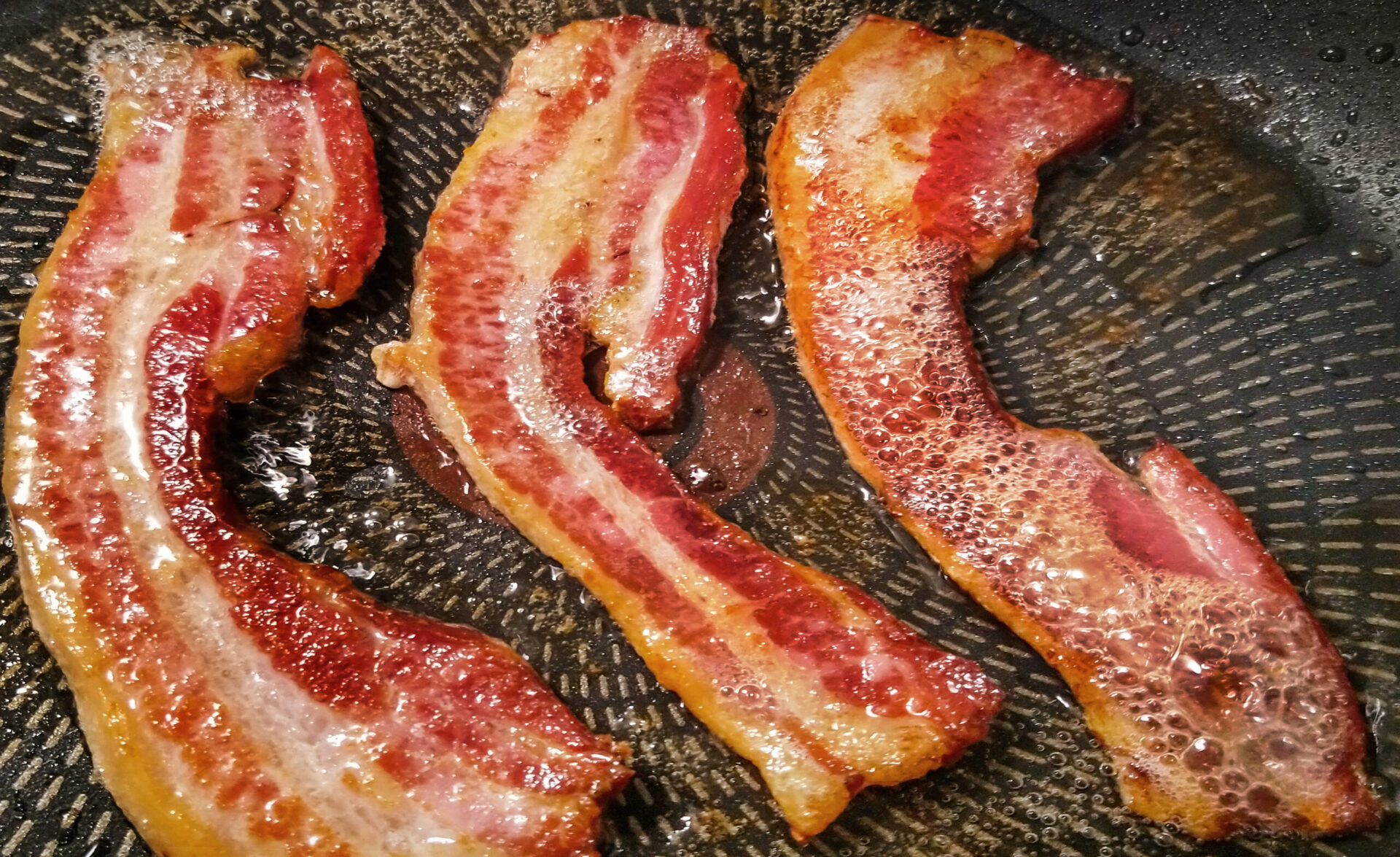
The legislation defines ultra-processed foods as products made with industrial additives such as emulsifiers, artificial sweeteners, stabilizers, and certain dyes like most juices and frozen deli meat. These ingredients often appear in foods engineered for long shelf life and heightened palatability rather than nutrition. State scientists would finalize the list based on peer-reviewed evidence and health impact.
Why Children’s Health is Central
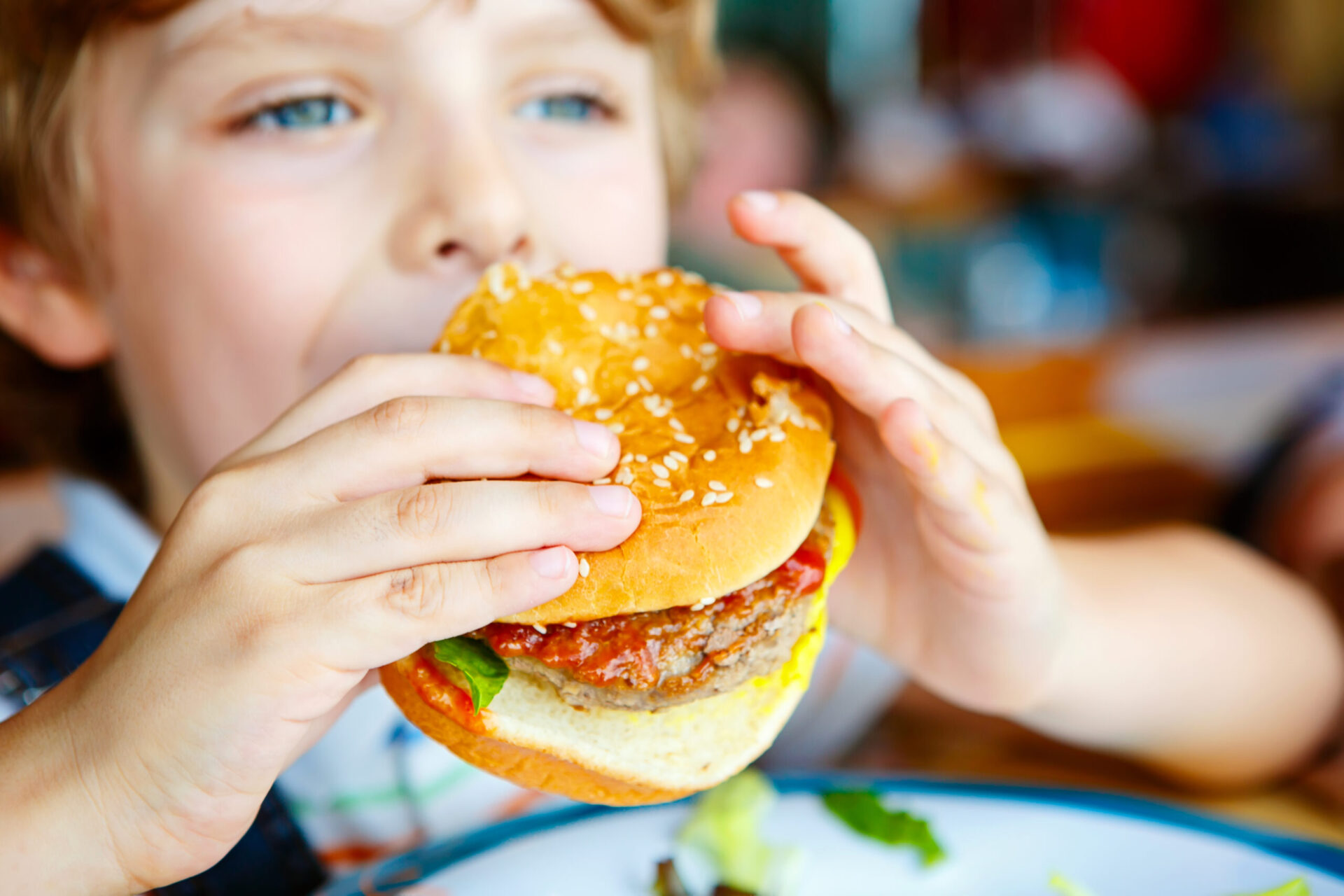
Supporters argue that children face alarming risks from diets heavy in ultra-processed foods. Pediatric specialists link frequent consumption to higher rates of obesity, insulin resistance, and early markers of heart disease in kids. Researchers also point to effects on brain development and eating behaviors shaped early in life.
Additives Already Under Scrutiny
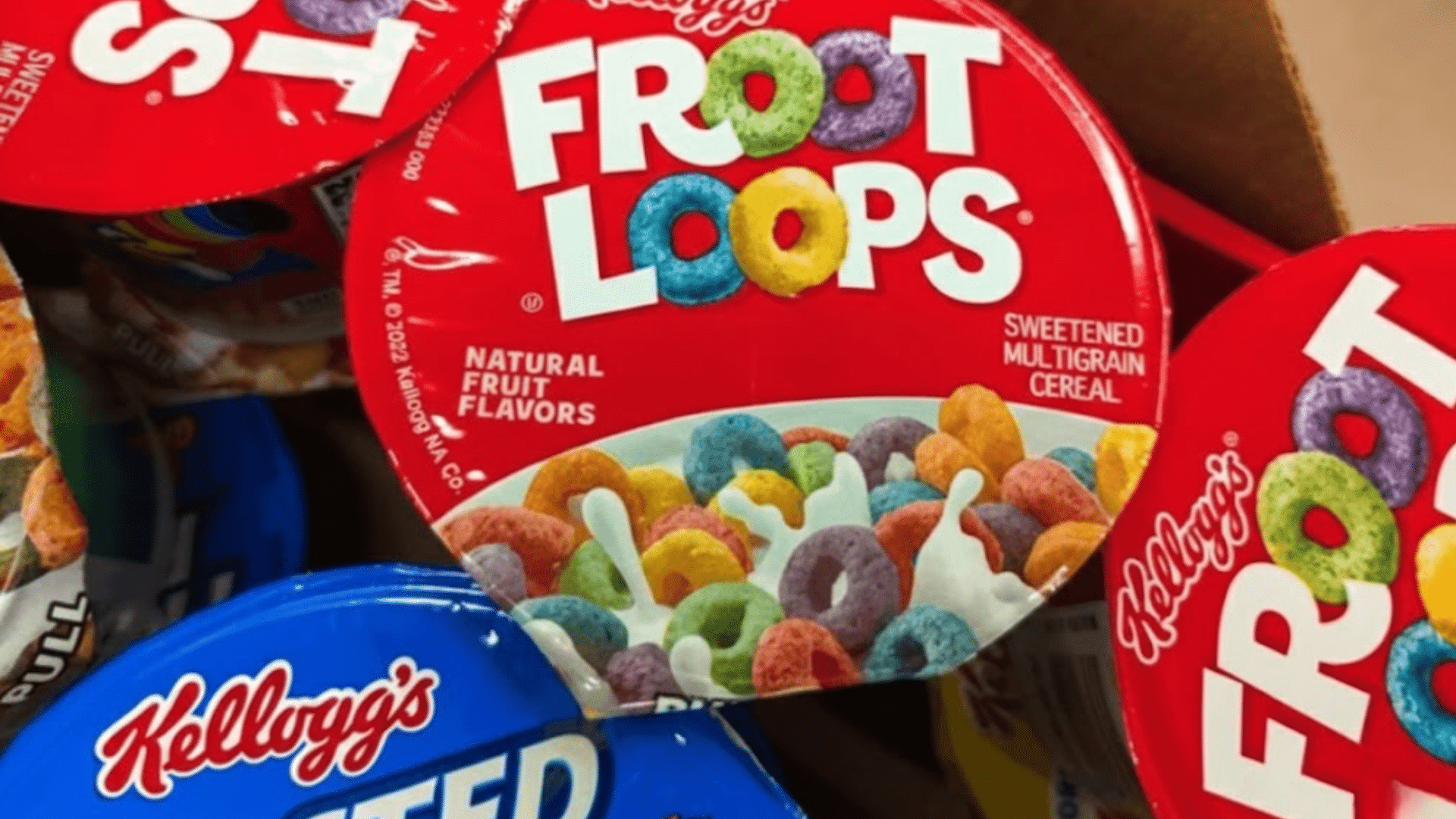
California has already taken steps against certain food additives in schools, including synthetic dyes like Red 40, Yellow 5, and Yellow 6. These substances are scheduled to be removed from school meals by the end of 2027 under existing state law. AB 1264 builds on that momentum by targeting broader categories of processed foods.
How School Menus Could Change
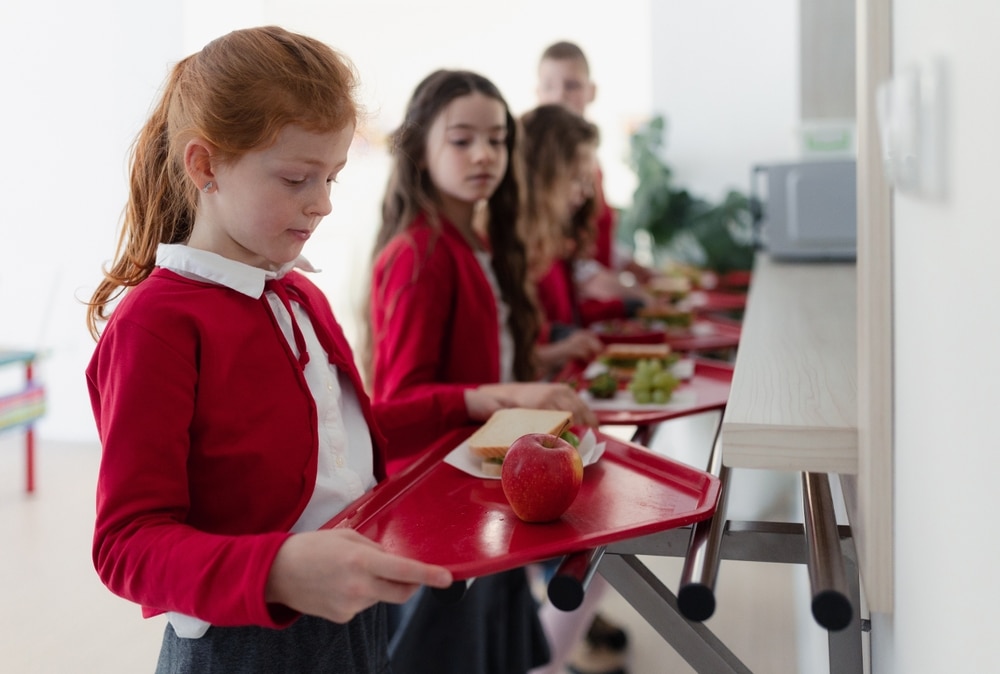
The bill does not ban entire food categories outright, but it could force districts to replace specific branded items. Packaged snacks, frozen entrées, and sweetened beverages that rely on banned additives may need reformulation or removal. In some cases, schools may switch suppliers rather than eliminate familiar menu items.
Parents React to the Proposal
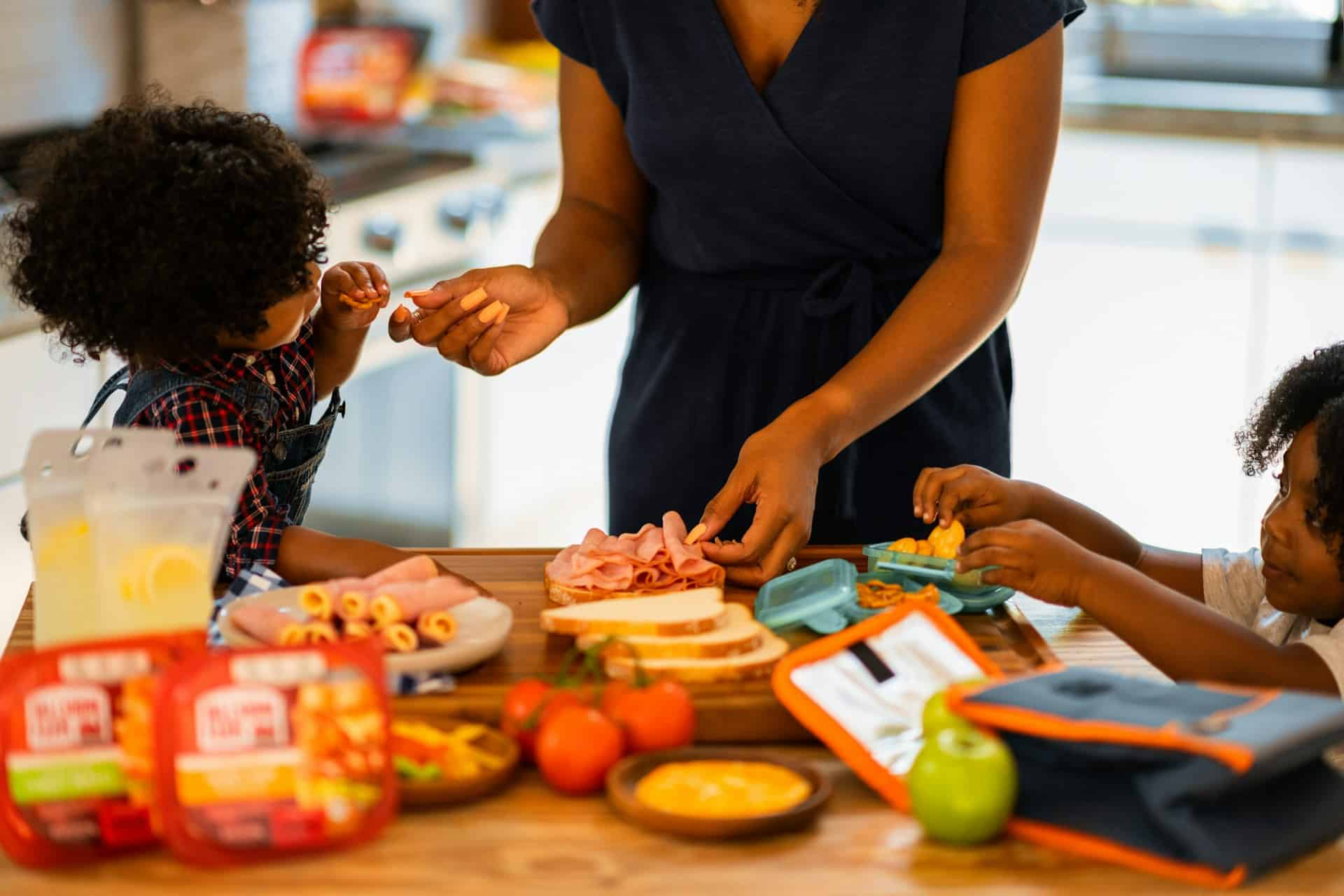
Some parents have welcomed the move, seeing it as overdue protection for children who rely on school meals daily. Others worry about reduced choices, higher costs, or kids rejecting unfamiliar foods. The debate reflects broader tensions around food access, convenience, and nutrition standards.
Industry Pushback and Concerns
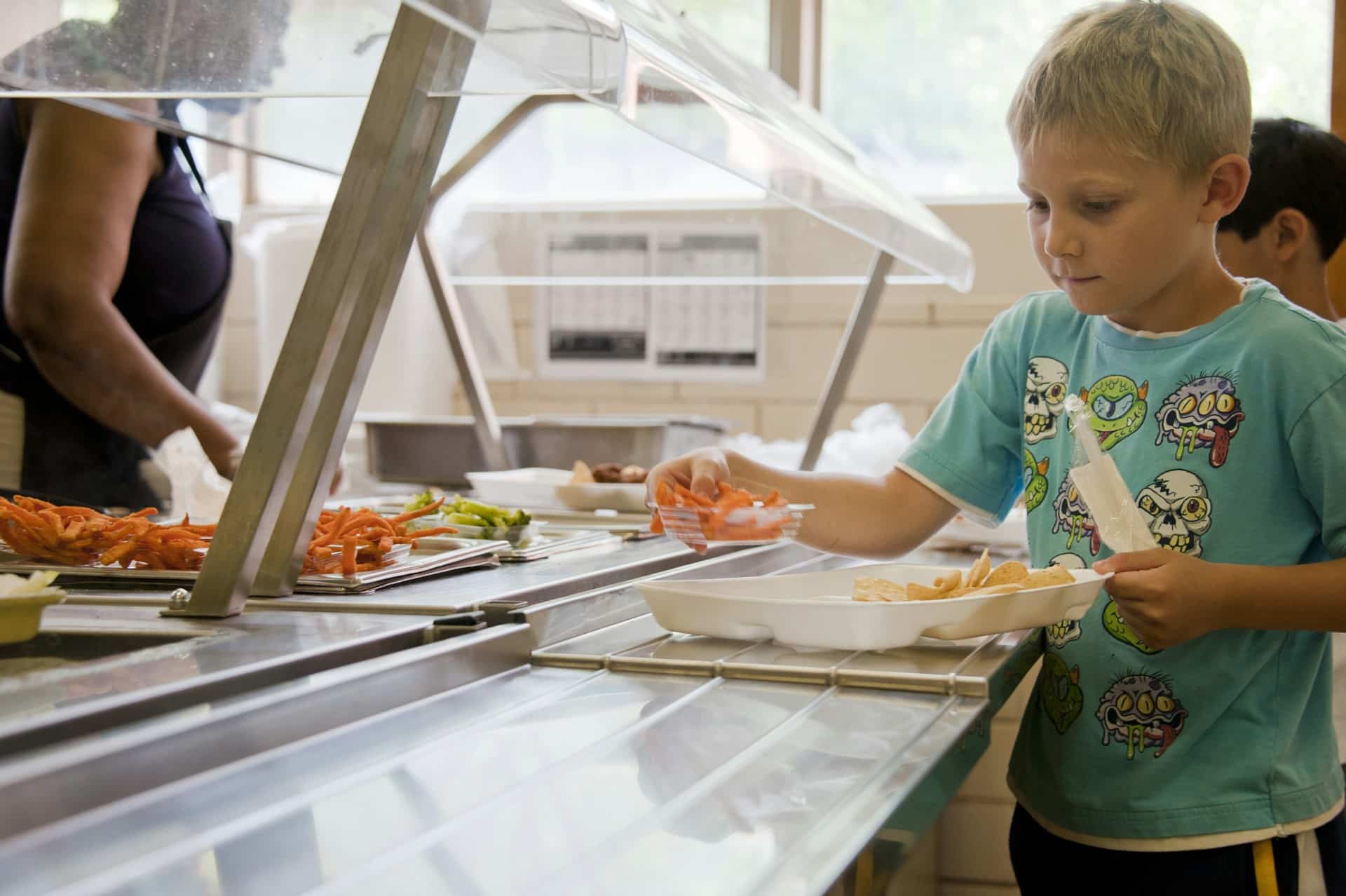
Food industry groups caution that restricting shelf-stable products could strain school budgets and complicate meal planning. They argue that ultra-processed foods often play a role in affordability and consistency for large-scale meal programs. Manufacturers may lobby for narrower definitions or extended timelines.
A Long Timeline With Big Stakes

State health officials have several years to define which foods qualify as restricted. Schools would begin gradual changes in 2029, giving districts and vendors time to adapt menus and supply chains. Annual reporting requirements would track progress and complianc.
What This Signals Beyond Schools

While focused on public schools, the proposal could influence how food companies formulate products more broadly. Similar policies in California have previously nudged manufacturers to change recipes nationwide. For now, the state’s lunch trays have become the testing ground for a larger conversation about processed food and children’s health.