California’s 5.1 Million SNAP Recipients Face New Federal Work Requirements Starting June

Starting June 1, California’s CalFresh program, which serves roughly 5.1 million residents, will begin enforcing new federal work and community engagement rules tied to a broader national overhaul of SNAP benefits. State officials estimate more than 660,000 recipients may not currently meet those requirements, putting their food assistance at risk within weeks of the changes taking effect.
Who the New Rules Apply To
The updated requirements generally apply to adults between 18 and 64 who do not have a disability and do not care for a child under 14. Groups that were previously exempt but now fall under the rules include adults ages 55 to 64, parents whose youngest child is at least 14, veterans, people experiencing homelessness, and individuals who were in foster care at age 18.
What Recipients Need to Do to Stay Eligible

To maintain benefits, able-bodied adults without dependents will generally need to complete at least 80 hours of qualifying activity per month. That can include working, volunteering, attending school, or participating in a job training program. Those in school or training must attend at least half-time or log 20 hours of coursework weekly. Recipients who don’t meet those thresholds could lose benefits after three months within a three-year window.
Exemptions Are Still Available for Some

Not everyone will be required to comply. Recipients who are pregnant, unable to work due to physical or mental health conditions, caring for a child under 14, or receiving disability-related benefits may still qualify for an exemption. California’s Department of Social Services has also said people dealing with addiction, domestic violence, or chronic homelessness connected to a health condition may be eligible to be excused from the requirements.
Seven Counties Are Temporarily Exempt From Stricter Rules

Residents in seven California counties, Alpine, Colusa, Imperial, Merced, Monterey, Plumas, and Tulare, are currently exempt from the tougher able-bodied adult work rules through October 31. People in those areas can continue receiving CalFresh beyond the standard three-month limit even if they are not meeting work participation standards during that period. The exemption is tied to local labor market conditions in those counties.
Local Leaders Warn of Growing Strain on Food Banks
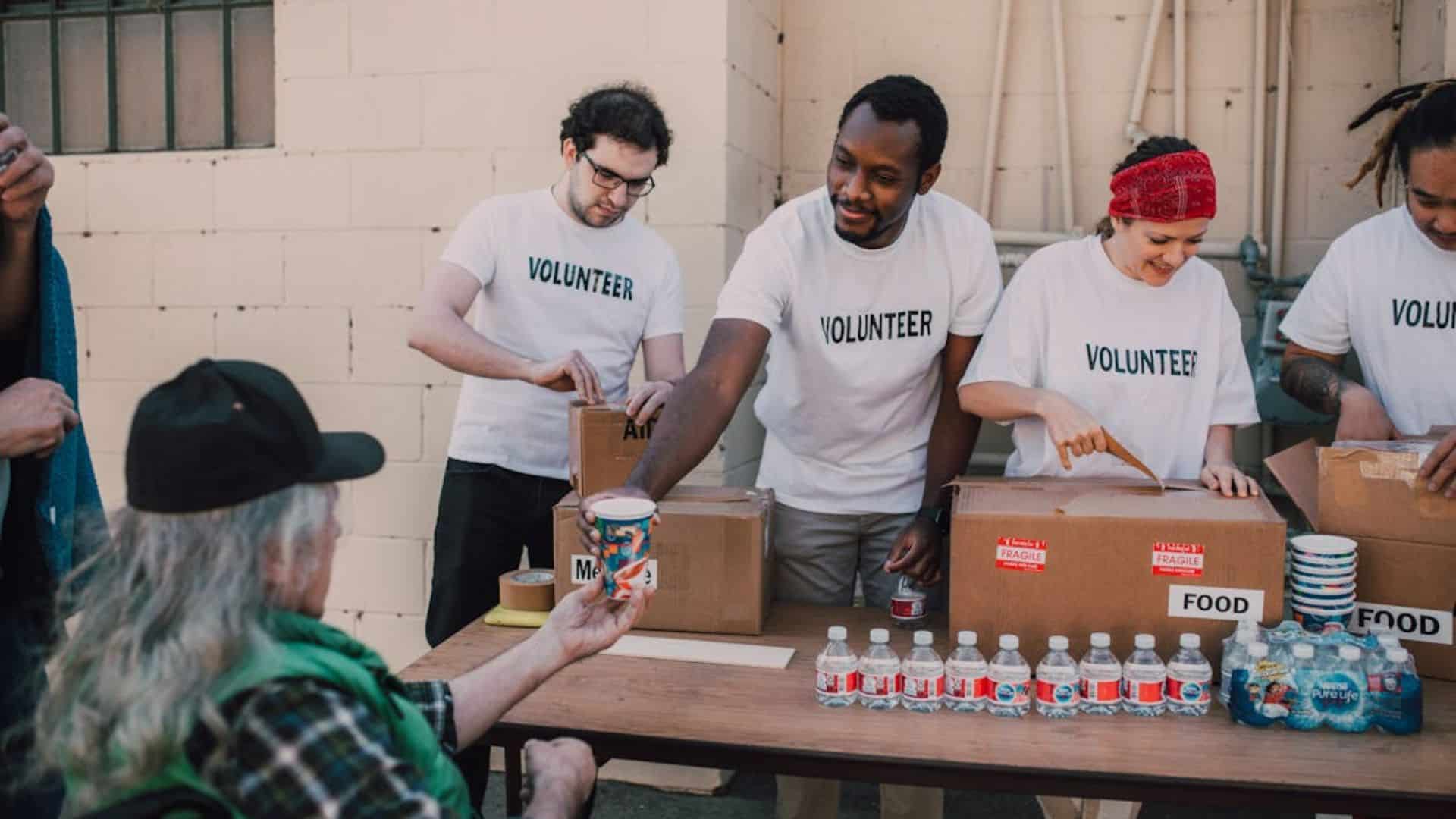
Community organizations say they are already operating at their limits. Marie Bernard, executive director of Sunnyvale Community Services, said many families in the area are already struggling to keep up with basic costs, even in one of the wealthiest regions in the country. In Santa Clara County alone, roughly 55,000 residents could be affected. Food banks across the state have warned that the added pressure from the policy changes could further strain resources that are already at capacity.
Advocates Question Whether Work Requirements Improve Outcomes

Jared Call, director of public policy and advocacy for the California Association of Food Banks, said there is no research showing that work requirements and time limits lead to better employment outcomes. His organization argues the rules primarily result in people losing access to food assistance rather than finding more stable work, a view shared by anti-hunger groups statewide. The California Association of Food Banks estimates that close to 740,000 people statewide could be at risk of losing benefits over the next year.
State Lawmakers Work to Cushion the Impact

South Bay Assemblymember Alex Lee convened a meeting with Bay Area anti-hunger groups in May to address the coming changes. Lee and other state lawmakers have secured additional funding for food banks and service providers, though Lee has said more resources are still needed. San Mateo County’s Human Services Agency has also opened special Saturday hours to help residents prepare and apply for available benefits before the deadline.
National SNAP Enrollment Has Already Fallen Sharply
The California changes follow a notable drop in SNAP participation nationwide. After the federal One Big Beautiful Bill Act passed in July 2025, enrollment fell from roughly 42.8 million recipients in January 2025 to fewer than 38.6 million by January 2026, a decline of about 4.2 million people. The steepest single-month drop came between October and November 2025, when participation fell by more than 1 million after states began complying with the new law.
California Pushes Back, but the Deadline Remains

Governor Gavin Newsom has been vocal in his criticism of the federal legislation, calling it “not cost-saving” and “not smart,” and describing it as “cruel, costly, and a significant encroachment on states’ rights,” though as of writing, he has not addressed the June CalFresh changes directly. With June 1 days away, recipients are being encouraged to check their eligibility and reach out to local service providers before the changes take effect.