Canned Beans Now Under Scrutiny Over Possible Colon Cancer Link
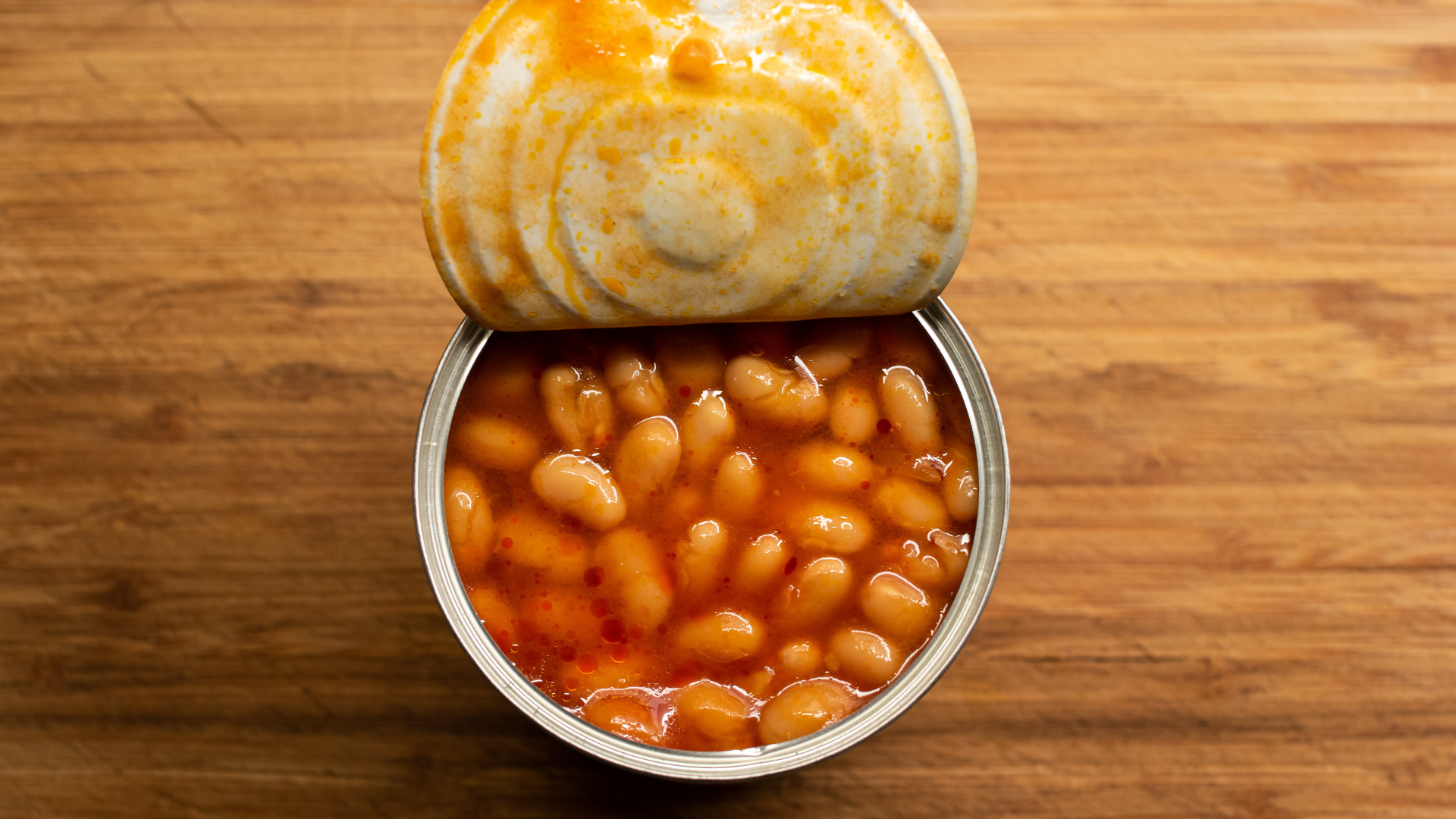

A growing wave of health concerns is putting certain canned foods, including beans, under closer scrutiny, as researchers continue to explore how diet influences the risk of colorectal cancer. While beans themselves are widely considered healthy, experts are increasingly focusing on how processing methods, additives, and packaging may change their overall impact on the body. The concern isn’t necessarily about beans as a whole, but about specific types of canned products that may fall into the category of ultra-processed foods.
Colorectal cancer has been rising, particularly among younger adults, prompting scientists to look more closely at everyday dietary habits. Studies suggest that diets high in ultra-processed foods, those containing preservatives, added sodium, or artificial ingredients, may contribute to inflammation, gut imbalances, and increased cancer risk over time. This has led to renewed attention on pantry staples that are often consumed frequently, including canned goods.
At the same time, experts emphasize that not all beans, or even all canned beans, are problematic. In fact, beans are typically rich in fiber, which plays a protective role in colon health. The key issue being examined is how certain processing techniques or added ingredients may reduce these benefits or introduce new risks, making it important for consumers to look beyond the label.
Which Types of Canned Beans Are Raising Questions
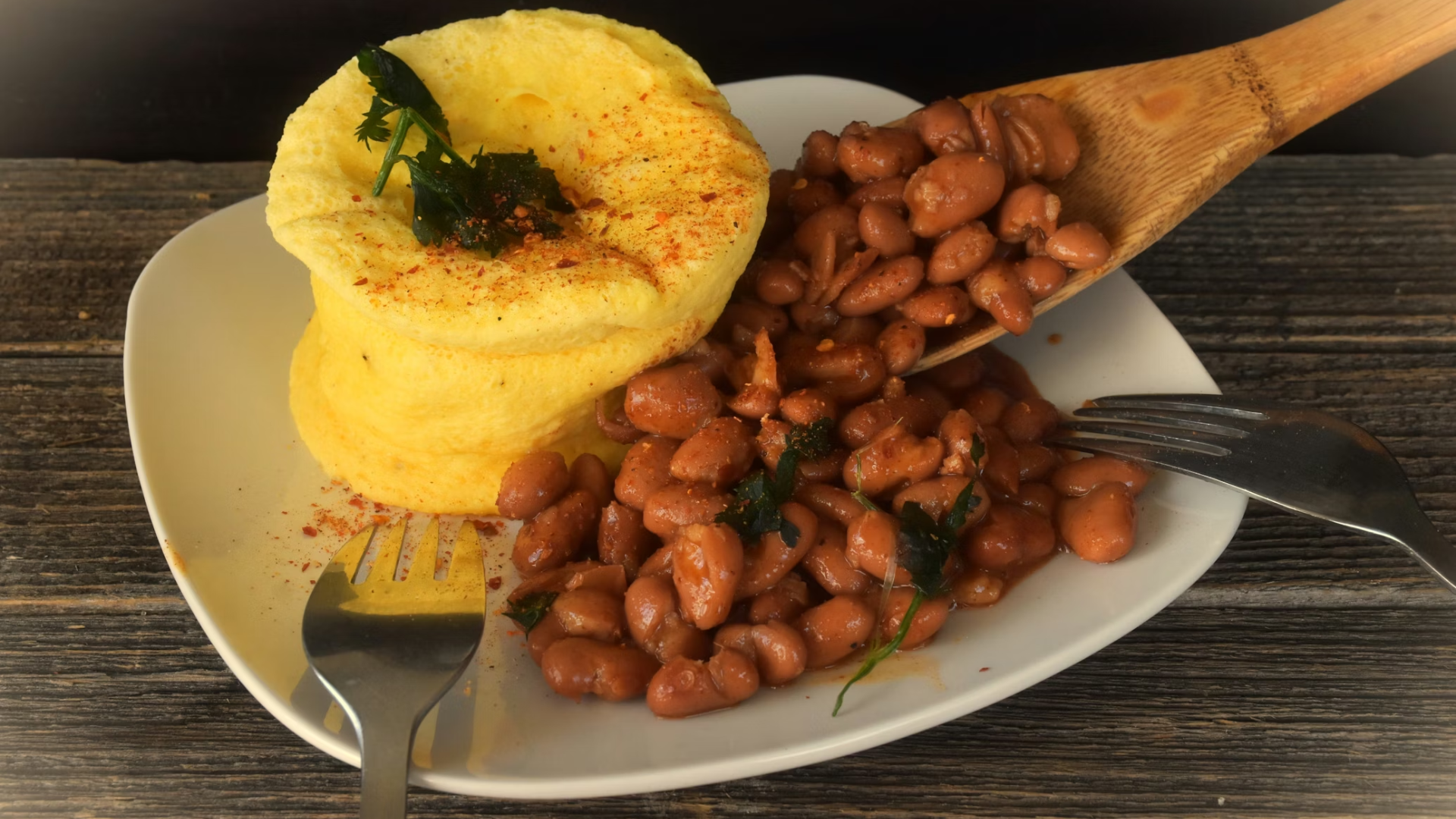
Among the canned bean varieties drawing the most attention are those that come pre-seasoned or heavily processed. Products like baked beans in sugary sauces, flavored bean mixes, and ready-to-eat bean meals often contain added sugars, salt, and preservatives. These additions can turn an otherwise healthy food into something closer to an ultra-processed product, which researchers increasingly associate with higher health risks when consumed frequently.
Another concern involves sodium levels. Many canned beans are preserved with high amounts of salt, which can contribute to broader health issues when consumed in excess. While sodium itself isn’t directly linked to colon cancer, diets high in processed and packaged foods often correlate with other risk factors like inflammation and obesity—both of which are associated with increased cancer risk.
Additionally, some experts are examining the role of additives and packaging, including compounds that may leach from can linings. While research is ongoing, the combination of preservatives, flavor enhancers, and long shelf life has placed certain canned products under closer investigation as part of a broader look at how modern diets may influence long-term health outcomes.
Why Beans Themselves Aren’t the Problem
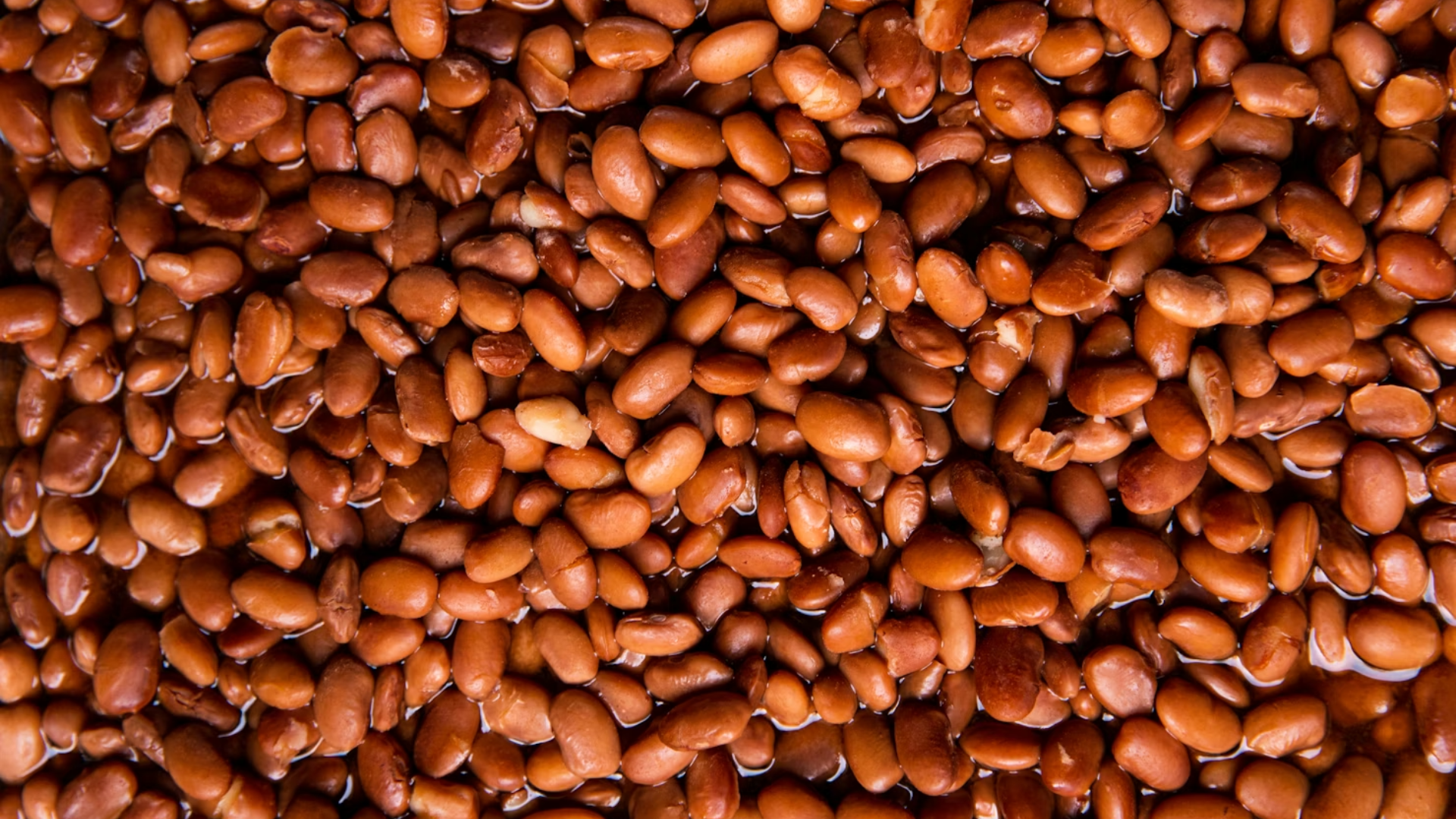
Despite the alarming headlines, researchers are clear on one important point: beans themselves are not the enemy. In fact, legumes are consistently linked to better gut health and lower cancer risk due to their high fiber content. Fiber helps regulate digestion, supports beneficial gut bacteria, and reduces inflammation, all key factors in maintaining colon health.
Studies have even shown that diets rich in beans and other plant-based foods may lower the risk of colorectal cancer. Fiber-rich foods help move waste through the digestive system more efficiently, limiting the amount of time harmful substances stay in contact with the colon lining. This protective effect is one of the reasons nutrition experts continue to recommend beans as part of a balanced diet.
The bigger takeaway is that overall dietary patterns matter more than any single food. Experts stress that regularly consuming whole, minimally processed foods, while limiting heavily processed options, can significantly influence long-term health. This means choosing low-sodium or no-added-sugar canned beans, or opting for dried beans, can help preserve the health benefits while reducing potential risks.
What Shoppers Should Watch Moving Forward
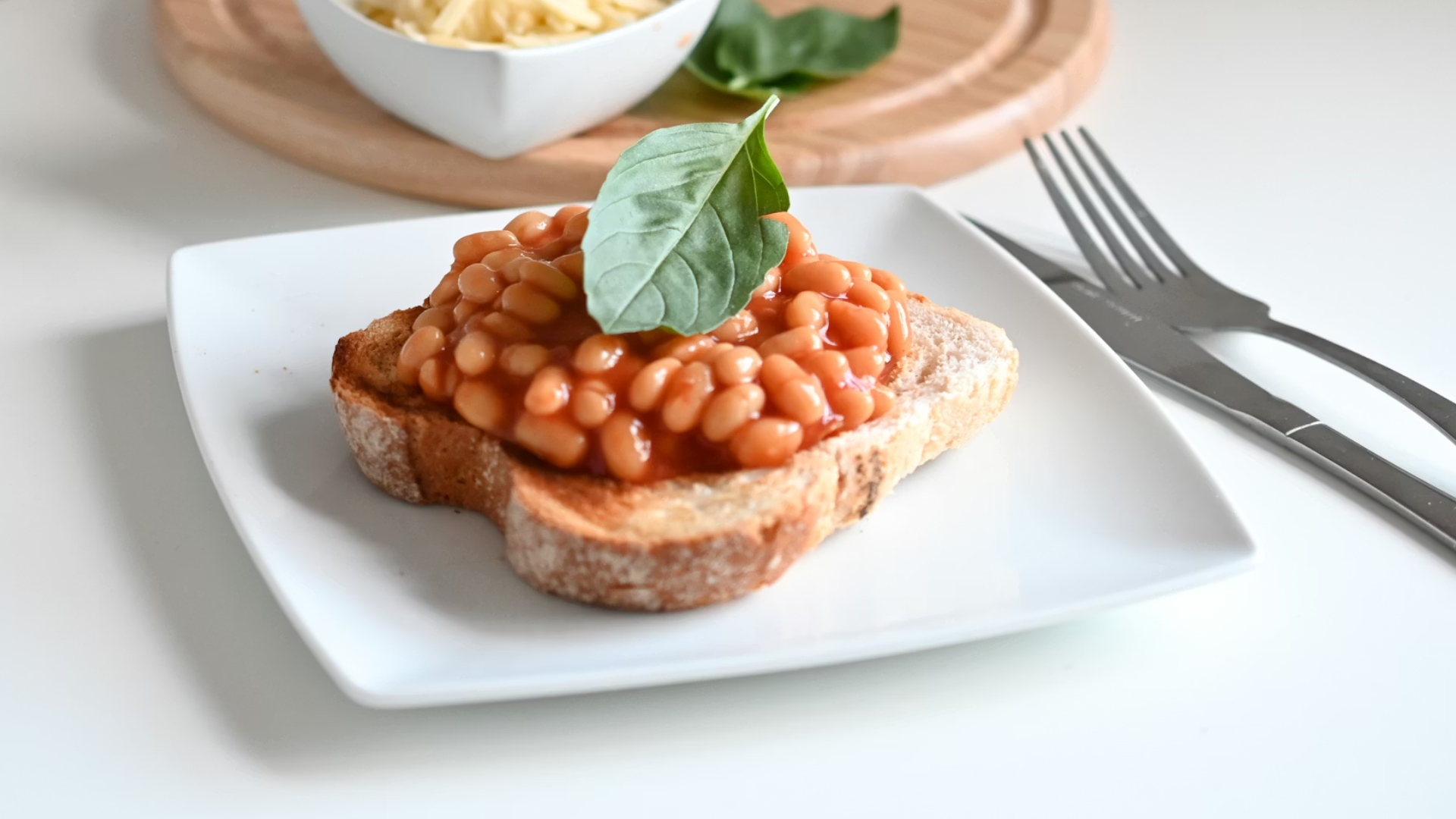
As concerns grow around ultra-processed foods, canned beans have become part of a larger conversation about how everyday grocery choices impact long-term health. While some products are being questioned, experts emphasize that the issue lies more in processing and added ingredients than in the beans themselves.
For shoppers, the best approach is to stay informed and read labels carefully. Choosing options with fewer additives, lower sodium, and no added sugars can help maintain the nutritional benefits that make beans a staple in many healthy diets. Small adjustments like rinsing canned beans or selecting simpler varieties can also make a meaningful difference over time.
Ultimately, experts say there’s no need to eliminate beans altogether. Instead, this scrutiny highlights a broader shift toward understanding how food processing affects health. By focusing on whole, minimally processed foods and balanced eating habits, consumers can continue to enjoy beans while reducing potential risks linked to modern dietary patterns.