Chipotle’s Growth Plan Aims to Win Back Young Diners as Traffic Continues to Fall

Chipotle Mexican Grill unveiled a comprehensive strategy called its “Recipe for Growth” after the company reported another quarter with declining customer traffic and negative same-store sales, a rare slump that has prompted one of the fast-casual sector’s most visible brands to rethink how it attracts diners, especially younger adults whose visits have fallen more steeply in recent months. The plan is designed to accelerate growth by strengthening Chipotle’s core operations, boosting value messaging, updating its rewards program and expanding its footprint with new technologies and menu innovations.
In 2025 Chipotle reported a 2.5 percent drop in comparable restaurant sales and a 3.2 percent decrease in transactions, a performance that marked a shift from years of consistent growth and highlighted the effects of broad economic pressures on discretionary dining, including rising food and labor costs that have squeezed margins and made customers more cautious about eating out.
While overall revenue still increased as the company continued to open new restaurants, Chipotle’s leadership acknowledged that traffic declines among younger diners and value-sensitive customers have been a key challenge, prompting the new strategy to focus not just on expansion but on ways to deepen engagement and win back diners who have chosen to spend less on restaurant meals.
What’s Driving Chipotle’s Traffic Challenges
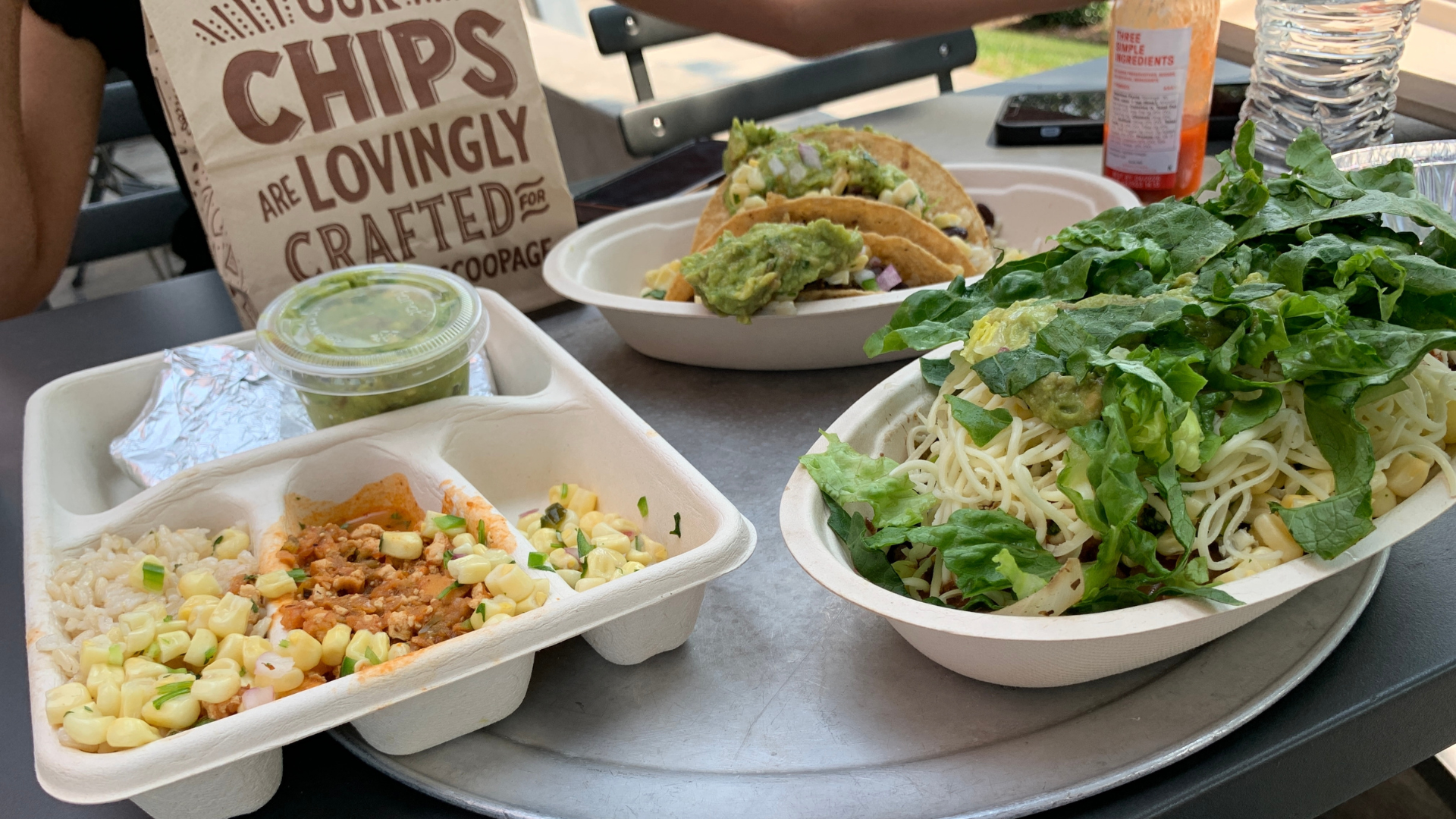
Part of Chipotle’s recent slowdown stems from broader consumer trends in the restaurant industry, where diners are pulling back on eating out amid economic uncertainty, inflationary pressure and tighter household budgets, with younger customers in particular citing cost concerns and shifting dining preferences that have reduced visit frequency at fast-casual establishments.
Compared with previous years when diners flocked to Chipotle for convenience and perceived value, recent quarters have seen customers reducing visits even as menu prices have gone up modestly to offset rising commodity expenses, meaning that a higher average check has not fully compensated for the decline in transactions.
Analysts note that traffic declines are not unique to Chipotle but reflect a sector-wide pullback among discretionary dining categories, as consumers weigh the cost of a restaurant meal against grocery and home-cooked options, and in Chipotle’s case this trend has especially hit diner cohorts aged roughly 25 to 35, a key audience for the brand, making menu value and customer engagement crucial focal points for the recovery plan.
Core Elements of the “Recipe for Growth” Strategy
Chipotle’s “Recipe for Growth” strategy is built around five primary pillars aimed at reigniting customer interest and building momentum in a tough market, including protecting and strengthening the core experience through operational and culinary excellence, evolving brand messaging, modernizing technology with tools like artificial intelligence, expanding global reach, and cultivating talent focused on customer satisfaction and speed.
A major component of this plan is a relaunch of the Chipotle Rewards program in the spring, which executives expect will help bring more repeat visits by offering personalized incentives and engagement for loyal customers, a move seen as vital given that a large portion of Chipotle’s sales already comes from digital and loyalty-linked orders.
The growth strategy also includes embracing emerging technologies such as artificial intelligence to enhance operational efficiency, improve customer experiences and tailor marketing to better connect with guests, complementing other initiatives like culinary innovation with new limited-time offerings and boosted value messaging to make the brand more relevant to cost-conscious diners.
Can Chipotle Win Back Diners and Reverse Traffic Declines?
Chipotle’s leadership remains confident that the “Recipe for Growth” strategy will help reverse recent traffic declines by strengthening what has long differentiated the brand, fresh ingredients, customizable bowls and a reputation for fast-casual quality, while also incorporating more targeted outreach to diners who have cut back on restaurant visits due to economic pressures.
However, market observers caution that while expansion, loyalty enhancements and technology upgrades are positive steps, boosting customer visits will likely require continued emphasis on perceived value, menu relevance and clear communication about what sets Chipotle apart in an increasingly competitive restaurant landscape where value and convenience are top of mind for many consumers.
As Chipotle rolls out its new initiatives and works to stabilize its comparable sales performance, how effectively it engages younger diners, whose discretionary spending habits are shaping dining trends across the industry, may be a key test of whether the strategy succeeds in reestablishing regular traffic and long-term growth.