Chipotle’s Portion Sizes Are at the Center of a New Lawsuit
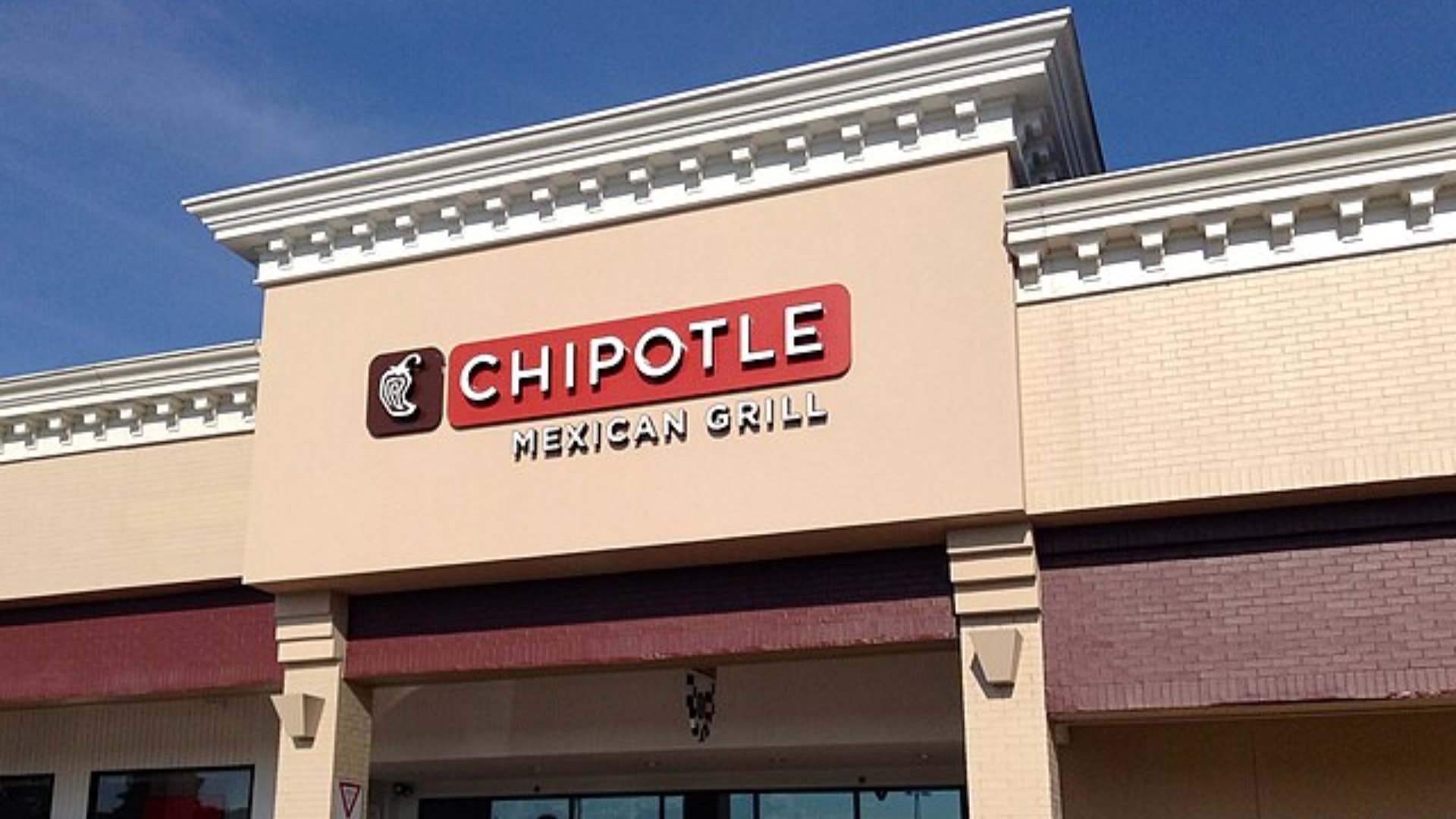

Chipotle Mexican Grill is facing legal action over inconsistent portion sizes after a customer alleged that the fast-casual chain’s serving practices led to smaller portions than advertised, sparking a lawsuit that has caught the attention of diners and industry watchers alike. The lawsuit claims that customers did not receive the advertised levels of protein and other ingredients in their meals, leading to questions about quality control and transparency in portioning at the popular restaurant chain. This legal challenge has come amid broader scrutiny of how food service establishments measure and communicate the amounts of ingredients they provide.
What the Lawsuit Alleges
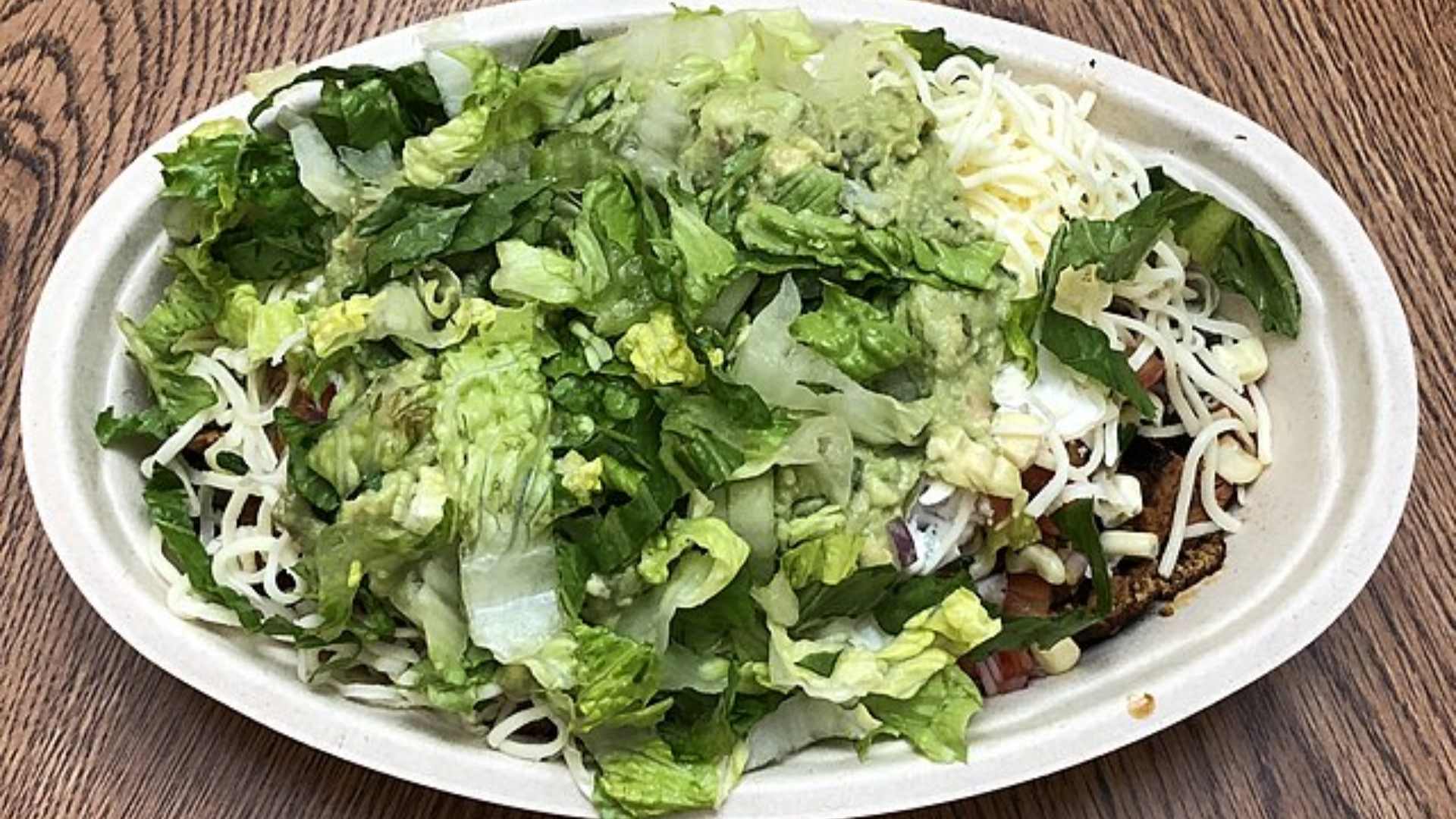
The plaintiff argues that Chipotle’s bowls and burritos are not consistently filled with the amount of steak, chicken or other proteins customers believe they are paying for, leading to claims of false advertising and unfair business practices. According to the complaint, these inconsistent portions may vary based on the employee serving or location, meaning some customers received noticeably smaller servings than others. The case alleges that this inconsistent food service deprived customers of the value they expected, prompting the legal challenge.
Background on Portion Size Standards
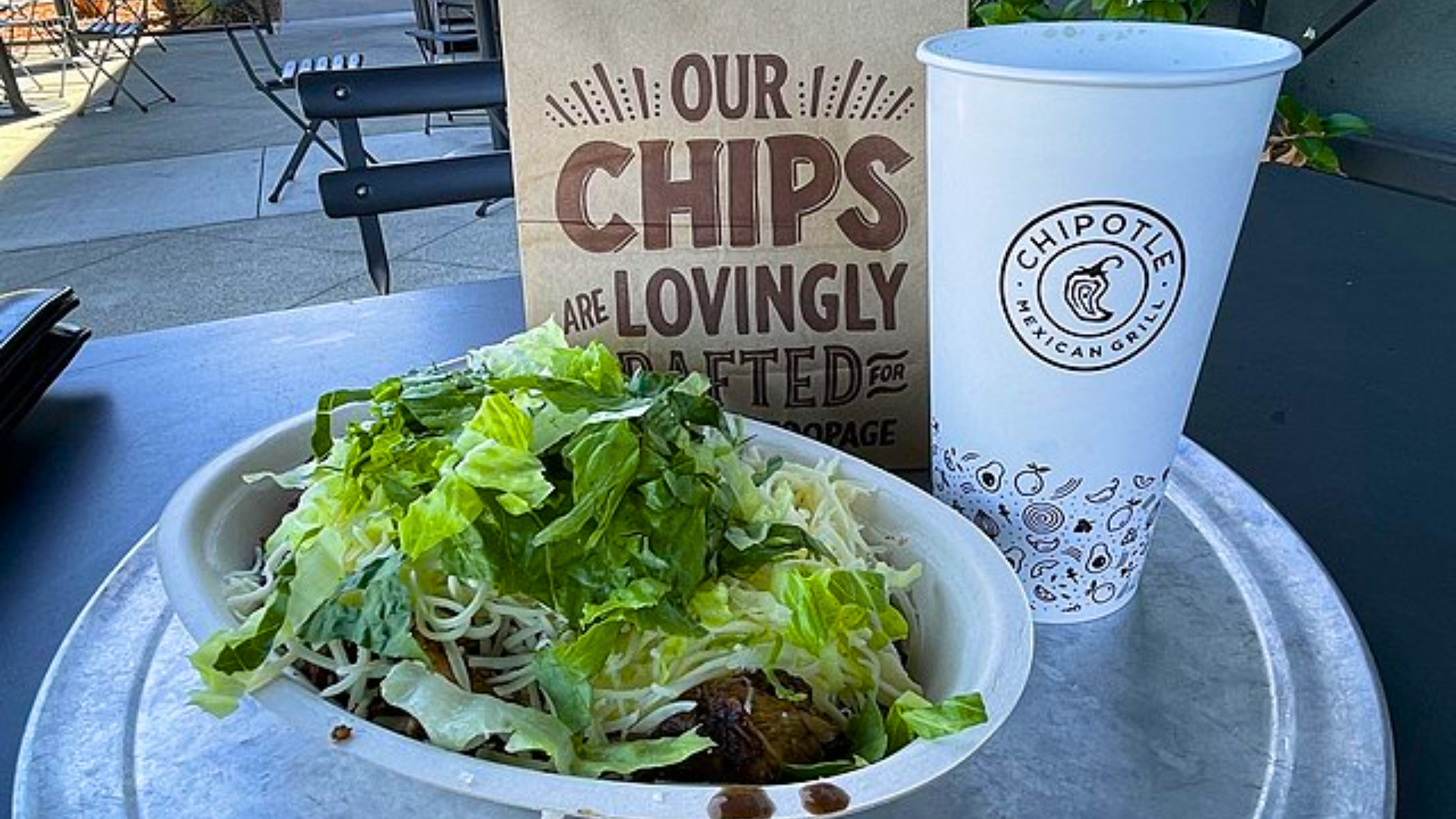
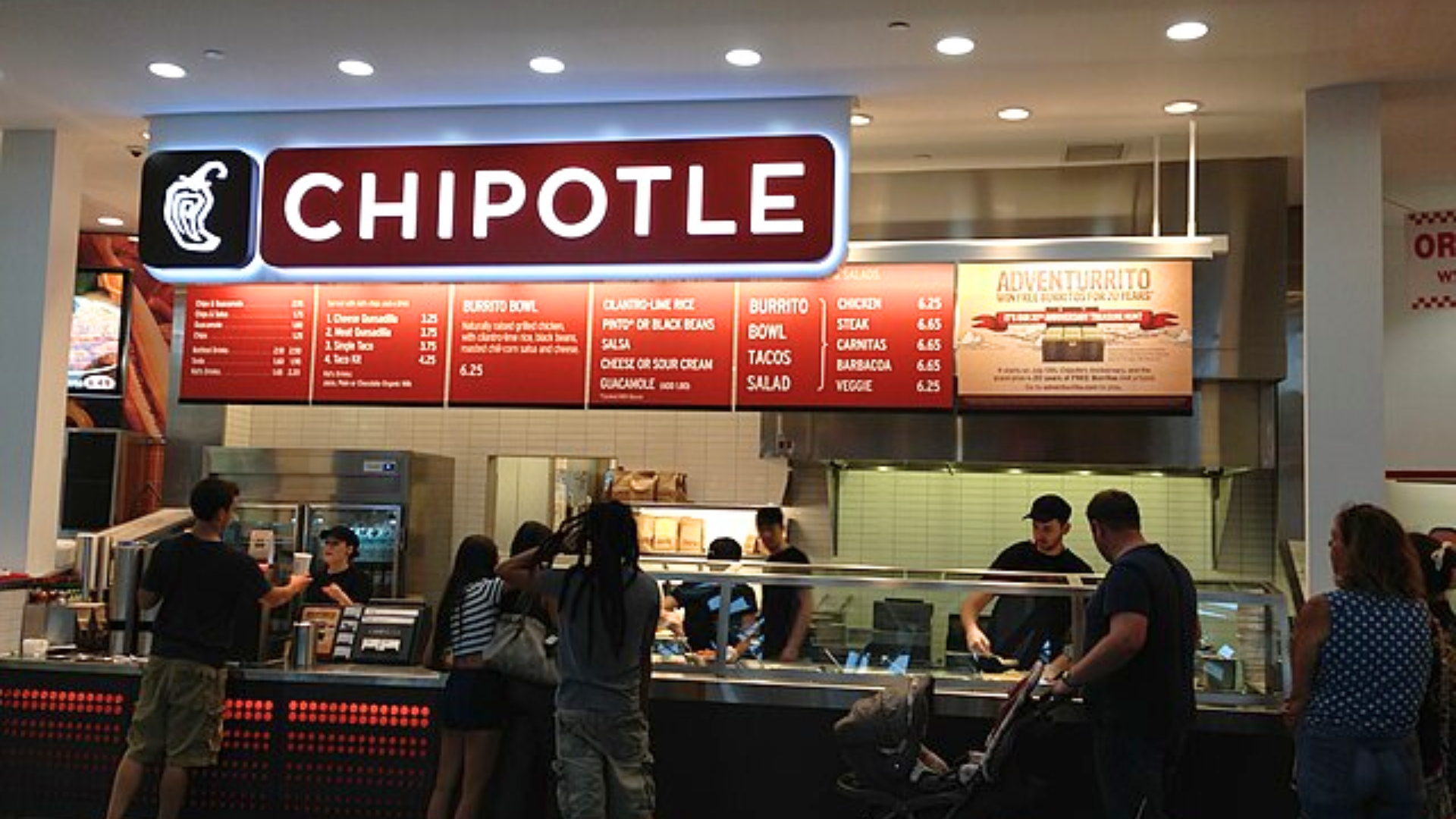
Portion size expectations at Chipotle are shaped by the chain’s “customizable” model, in which customers choose ingredients while workers assemble meals in an open line, creating an impression that bowls and burritos are filled to generous standards. Though Chipotle trains employees to follow specific portion guidelines for proteins, rice, beans and other add-ins, measuring these amounts consistently in a high-volume service environment can be challenging. This discrepancy between perceived portions and actual delivered amounts is at the heart of the legal dispute.
Chipotle’s Response to the Claims
Chipotle has defended its serving practices, noting that its menu emphasizes customization and that ingredient amounts can vary by customer order and preference without constituting deceptive conduct. The company asserts that its workers are trained to provide reasonable portions according to internal guidelines and that occasional variations are inherent in a made-to-order service model. Chipotle has also pointed out that similar claims about portion size are not unusual in fast casual environments where human servers determine ingredient amounts.
Previous Legal Battles Over Portions
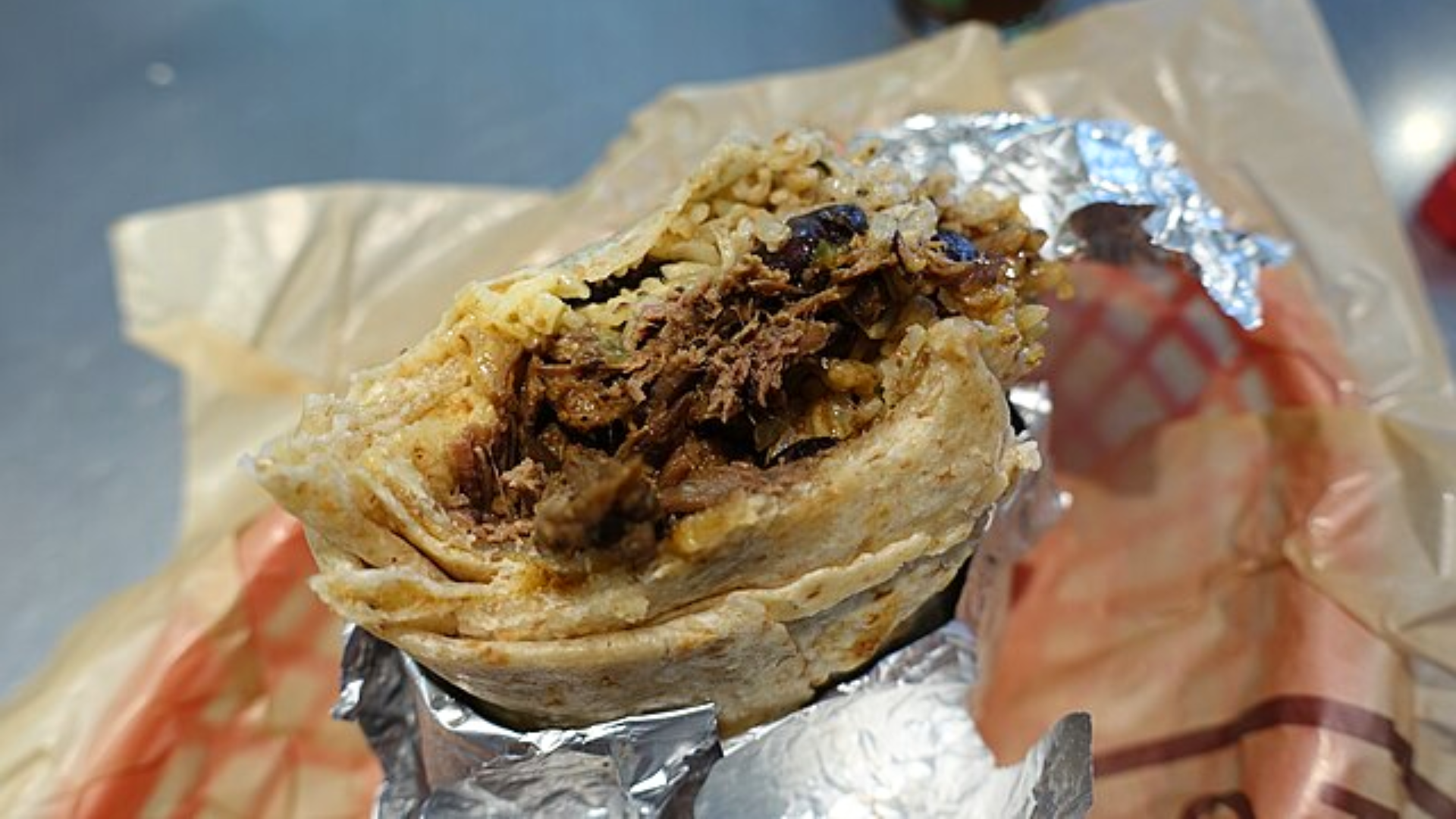
Chipotle has faced similar legal challenges in the past, with other plaintiffs claiming that portion size inconsistencies were unfair or misleading, though not all of those cases succeeded and some were dismissed by judges. In one notable previous case, the restaurant chain secured a judicial win when a court found that the alleged portion discrepancies did not rise to the level of legal misrepresentation under applicable standards. These mixed outcomes illustrate how difficult it can be to litigate claims about food portions and business expectations.
What the Legal Standard Requires

In cases involving alleged false advertising or deceptive practices, courts typically examine whether consumers were likely to be misled in a way that would affect their purchasing decisions and whether the business engaged in intentional wrongdoing. Judges often require proof that a reasonable customer would interpret the company’s statements or practices as a definitive guarantee rather than a general expectation, a high bar for plaintiffs to meet in portion-related claims. This legal context has helped Chipotle prevail in past lawsuits and may shape how current claims proceed.
Potential Impacts on Customers and the Industry
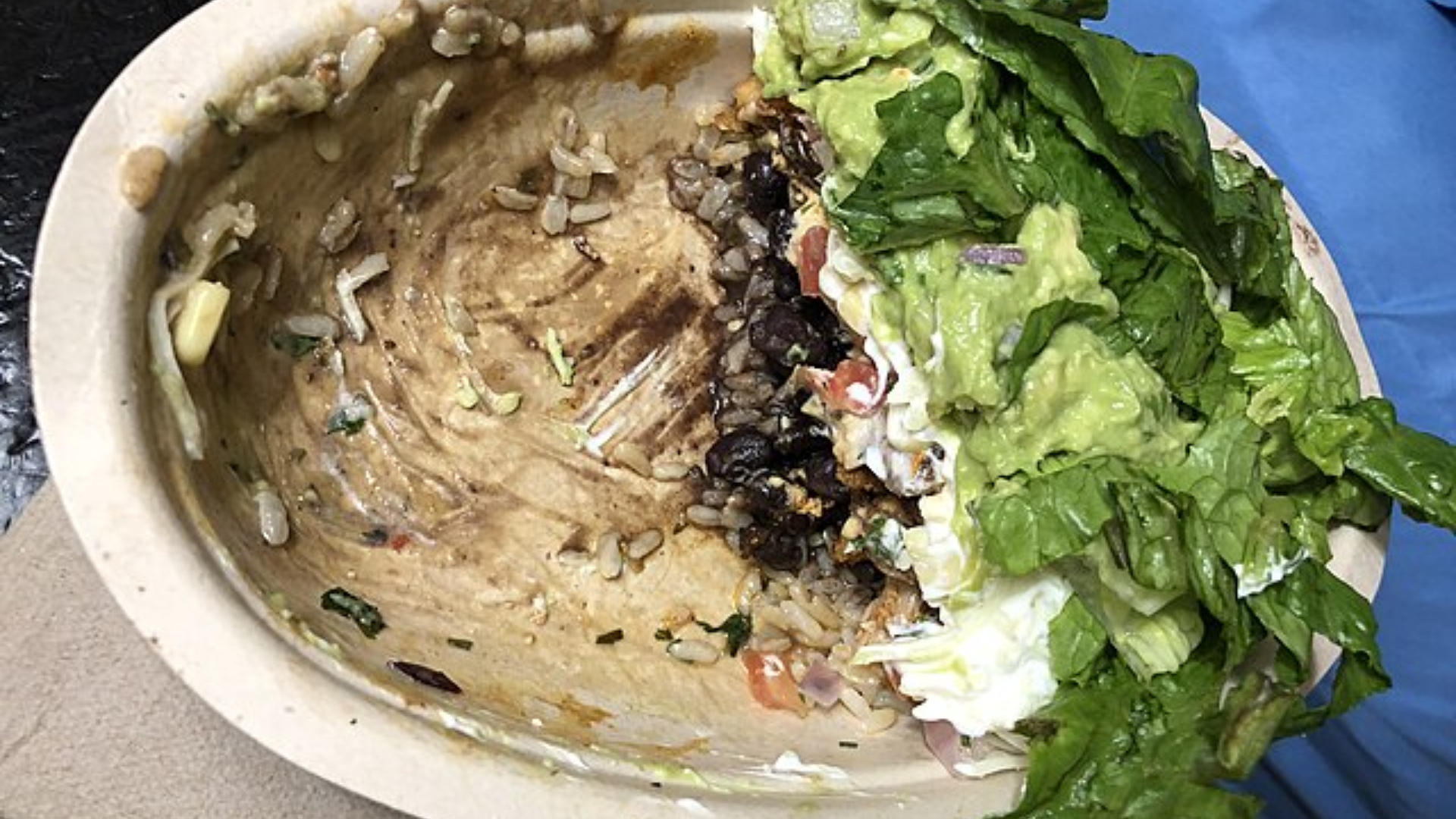
If the lawsuit gains traction, it could spur other customers to bring similar claims alleging inconsistent portions at fast casual restaurants, potentially pressuring chains to adopt stricter measurement and quality-control procedures. At minimum, the case highlights consumer awareness of portion size and value as competitive factors in the highly contested fast-casual segment where diners expect both freshness and consistency. For Chipotle, negative publicity could affect customer perceptions even if legal liability is not established.
Chipotle’s Quality Control Measures
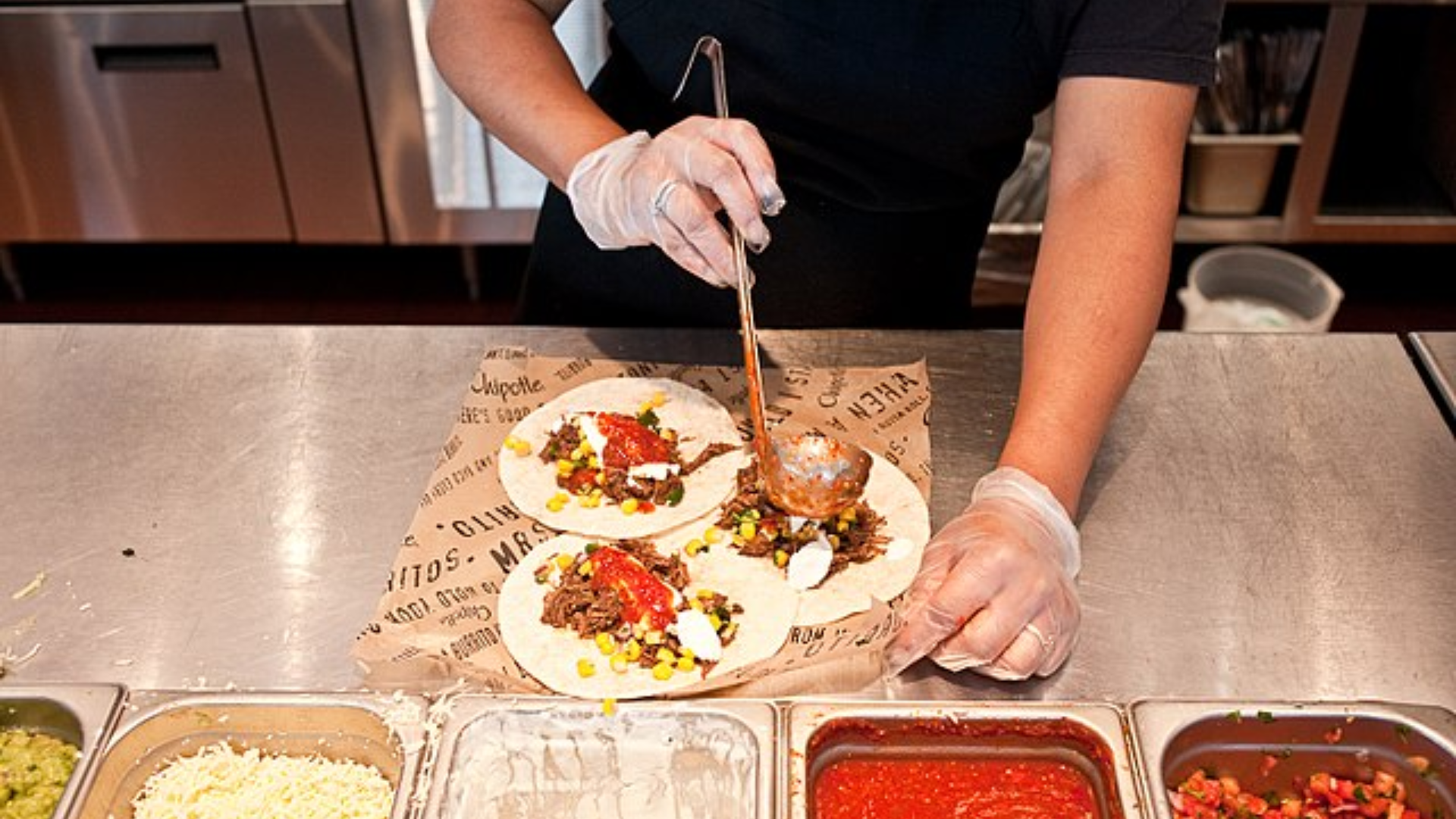
Chipotle employs training and tools such as portion scoops and measuring guides to help workers deliver consistent servings, and the company cites these measures when defending itself against claims of widespread inconsistency. These internal standards are part of broader efforts to ensure food quality and food safety, but variations can still occur in busy lunchtime lines or when employees respond to customer requests for more or less of certain ingredients. The lawsuit may prompt a reassessment of how these quality-control practices are communicated to consumers.
Industry Reaction to Portion Lawsuits
Industry analysts say that portion-related lawsuits arise from growing consumer demand for transparency and value in dining, and that restaurants with customizable menus are particularly vulnerable to claims of inconsistency or unmet expectations. Some restaurants have responded to similar scrutiny by providing clearer portion descriptions or adopting visual cues to help customers gauge serving sizes before they order, practices that could become more common if legal pressure increases. Whether Chipotle’s case changes industry norms remains to be seen.
Is Chipotle Meeting Customer Expectations
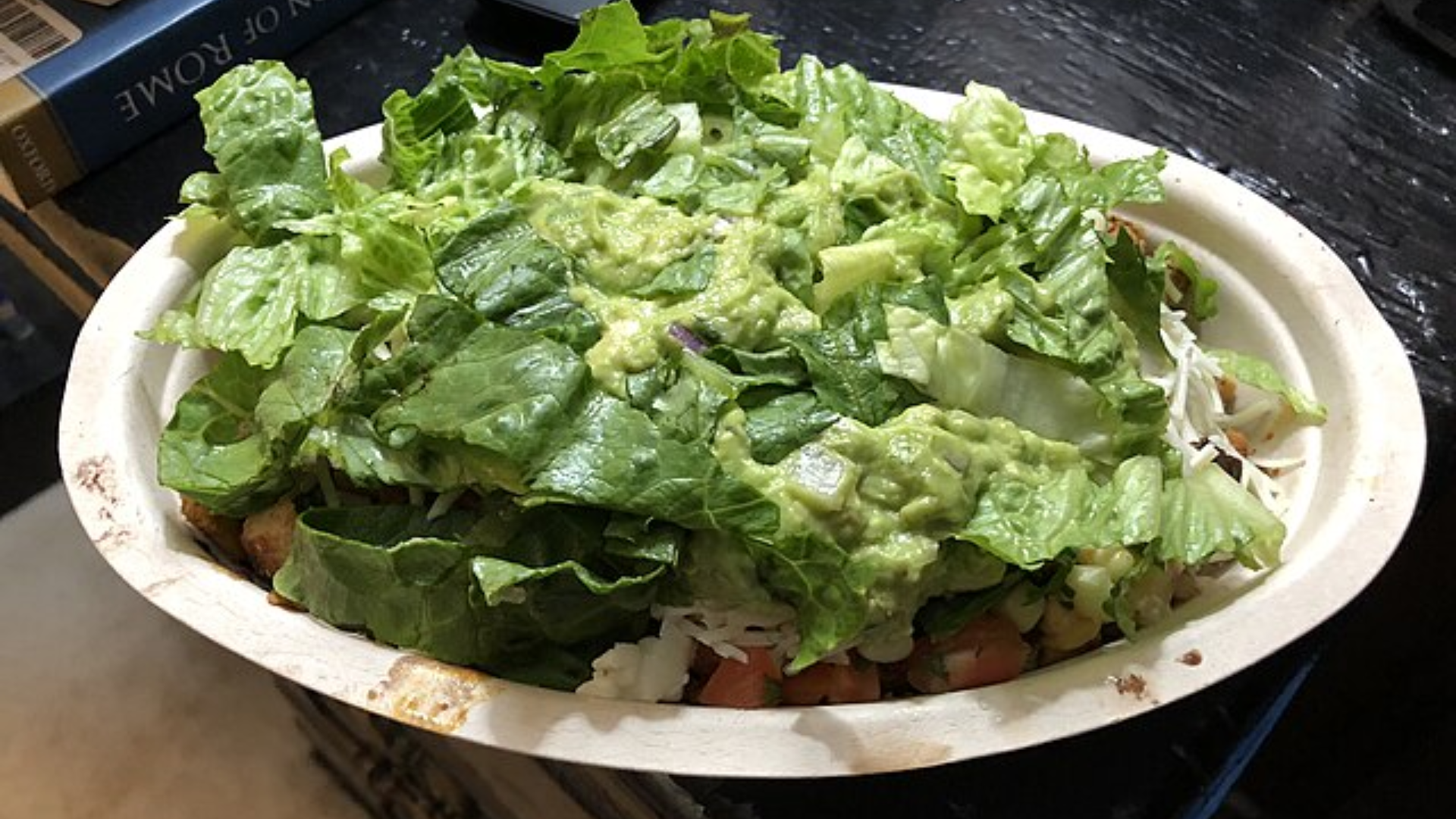
In conclusion, Chipotle’s portion sizes are at the center of a new lawsuit that claims the chain’s servings are inconsistent and sometimes smaller than customers expect, raising legal questions about value and advertising in a popular fast-casual environment. Previous rulings in related cases suggest that courts may require strong evidence that consumers were misled in a way that affected their decisions, creating a challenging legal path for plaintiffs. As the case unfolds, it could prompt broader discussions about consistency and transparency in portioning practices across the restaurant industry.