The Mac & Cheese That Fed Soldiers During the Civil War
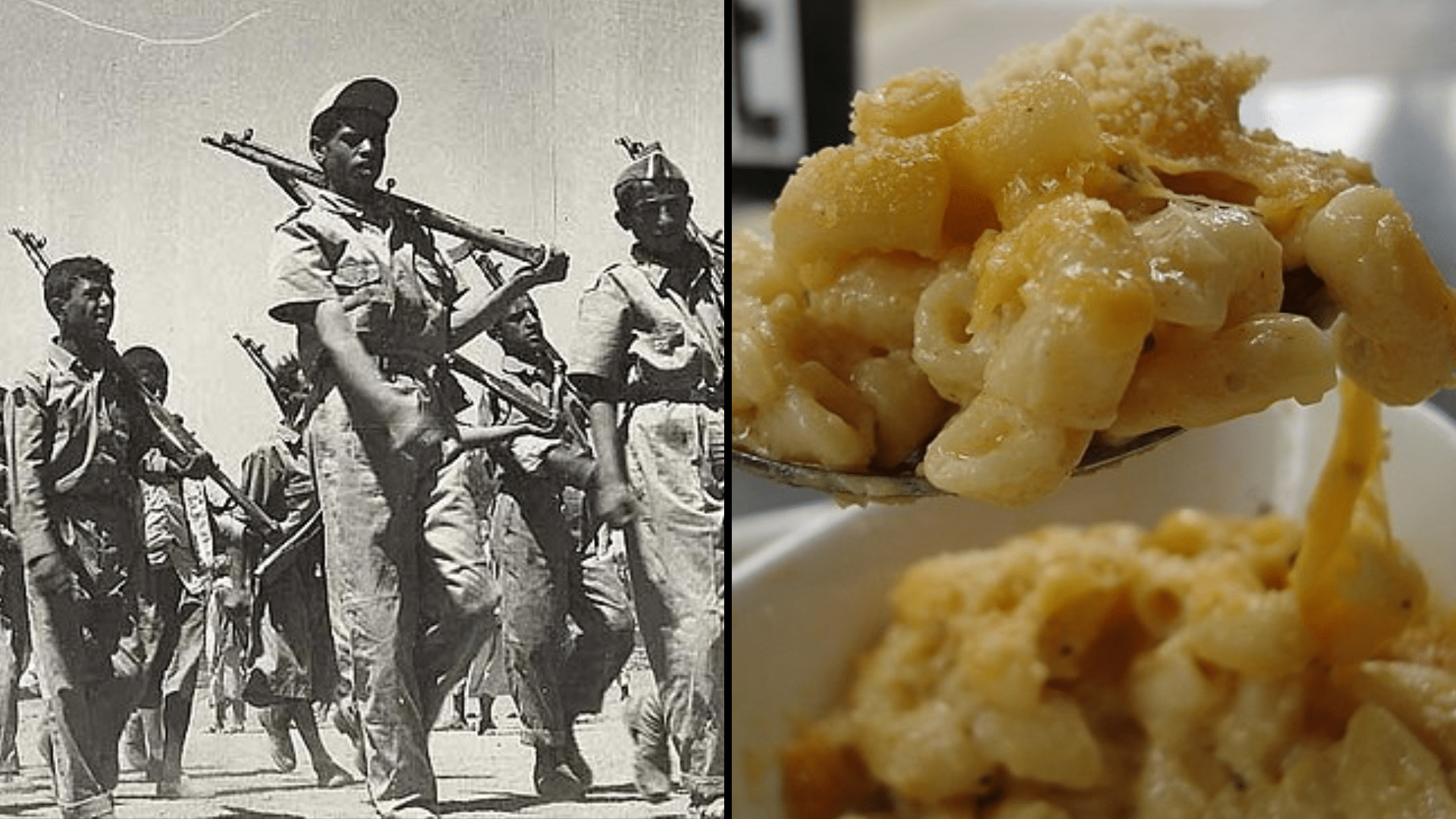

Long before mac and cheese became a boxed pantry staple, it was something far more humble, and far more meaningful. During the American Civil War, soldiers endured hunger, disease, mud-soaked camps, and monotonous rations that barely kept them going. In that harsh world, a simple dish of pasta, milk, butter, and cheese stood out as rare comfort. It wasn’t common, and it wasn’t fancy, but when it appeared, it offered warmth, calories, and a brief reminder of home. This early version of mac and cheese tells a story not just of food, but of survival.
Macaroni Before the Blue Box
Mac and cheese didn’t originate on American battlefields. Its roots stretch back to Europe, where recipes pairing pasta with butter and hard cheeses appeared as early as the 1700s. By the early 19th century, the dish had crossed the Atlantic, gaining popularity among wealthier American households. Thomas Jefferson famously brought back pasta-making tools from Italy, and his enslaved chef James Hemings helped adapt the dish for American kitchens. By the time the Civil War began, mac and cheese was known, but it was far from everyday fare for ordinary soldiers.
What Soldiers Usually Ate Instead
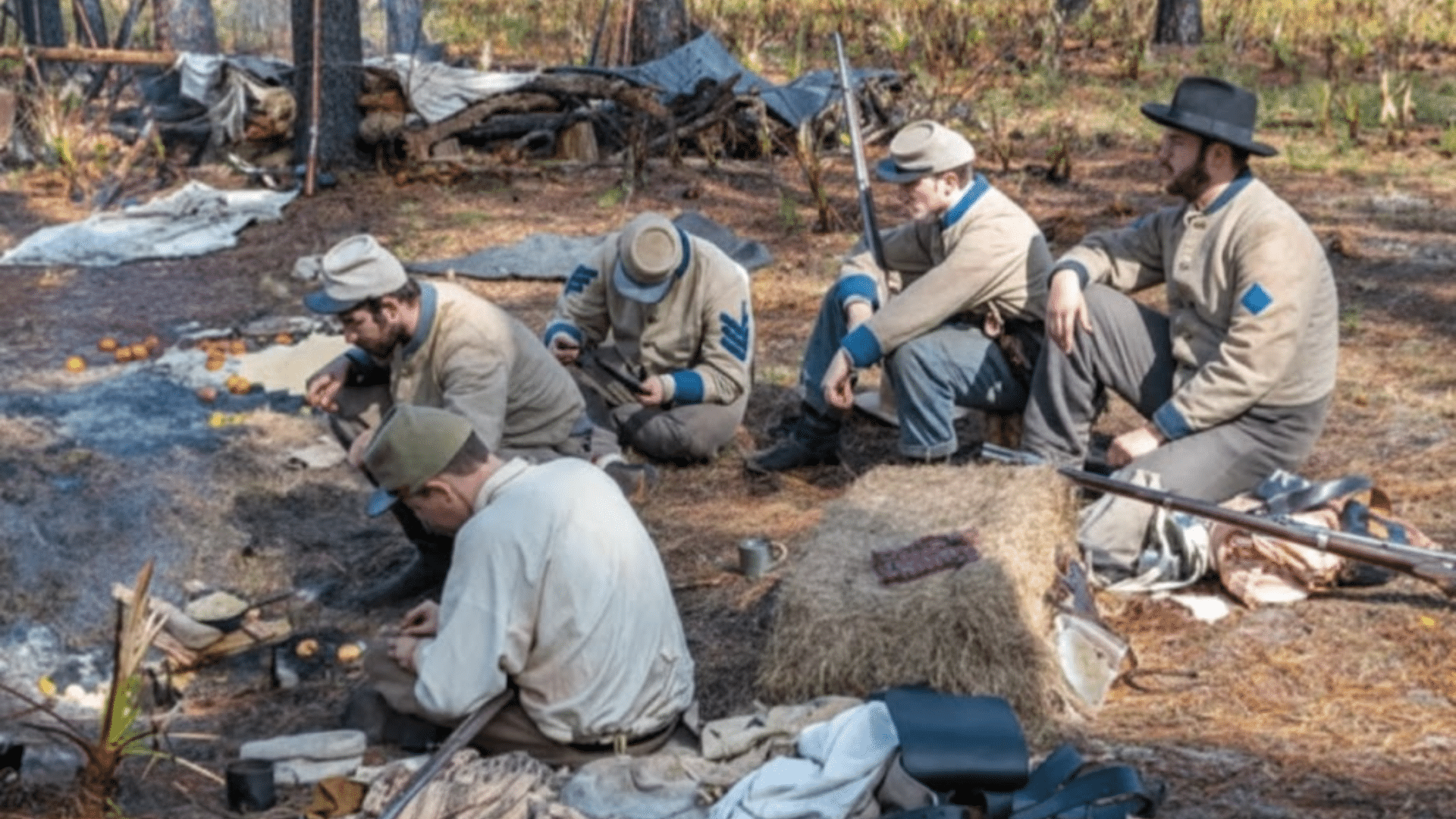
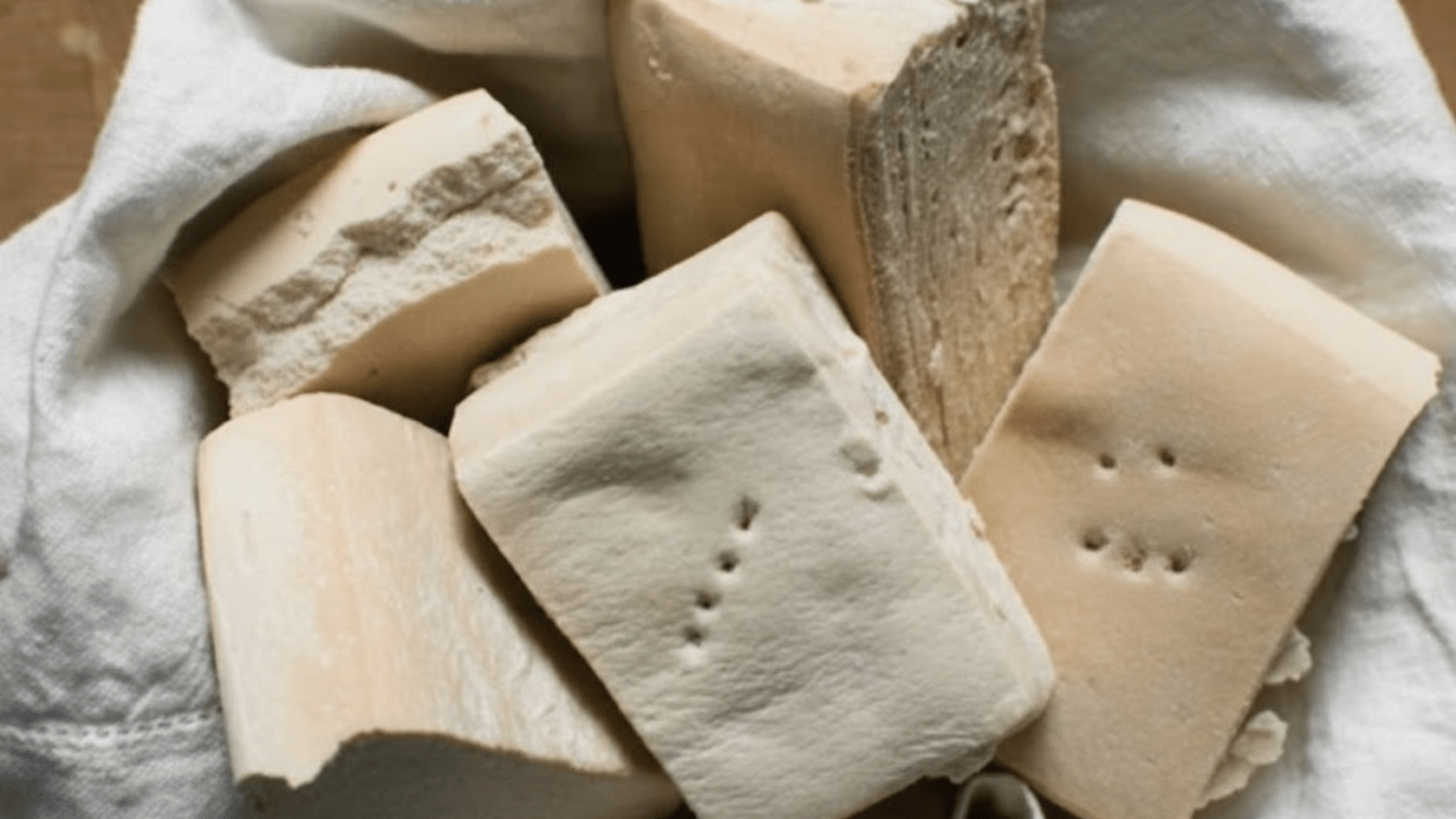
Most Civil War soldiers survived on rations that were filling but bleak. Hardtack — a rock-hard biscuit made of flour and water — was a daily staple, often softened in coffee or fried in pork fat. Salt pork, beans, cornmeal mush, and black coffee made up the bulk of meals. Fresh food was scarce, especially for Confederate troops whose supply lines frequently collapsed. In this context, a dish involving dairy, pasta, and cheese was not routine nourishment, it was a small luxury.
Why Milk Mattered More Than Water
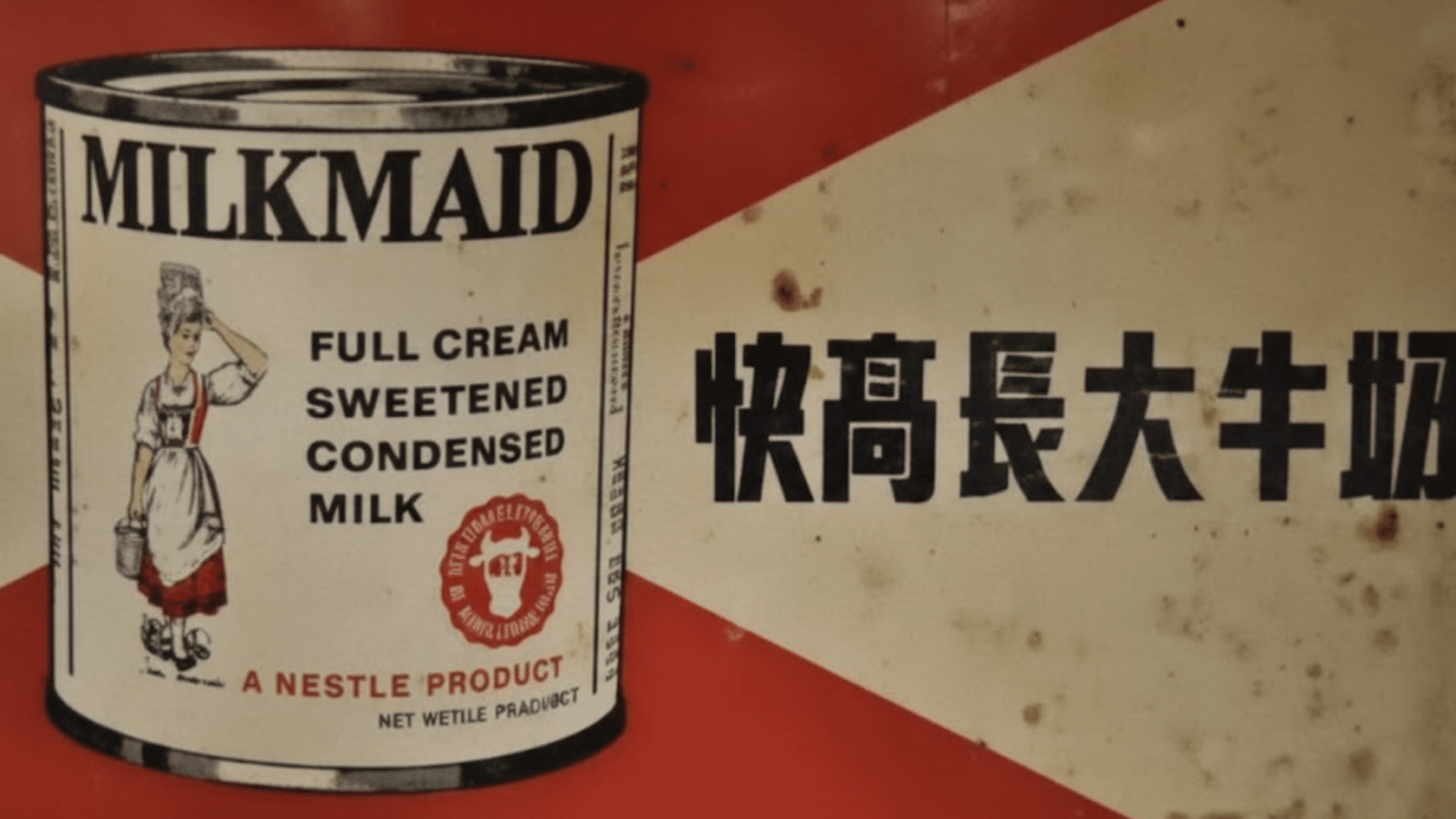
When mac and cheese did appear in camps or frontier homes, it looked very different from modern versions. Pasta was often cooked directly in milk rather than water; sometimes fresh milk, but more often condensed or canned milk, which had been invented in the 1850s and surged in popularity during the war. Milk added calories, fat, and flavor, all crucial for men burning enormous energy. Water could be unsafe or scarce, but milk — especially preserved milk — offered nutrition and reliability in difficult conditions.
The Cheese That Could Survive the Heat
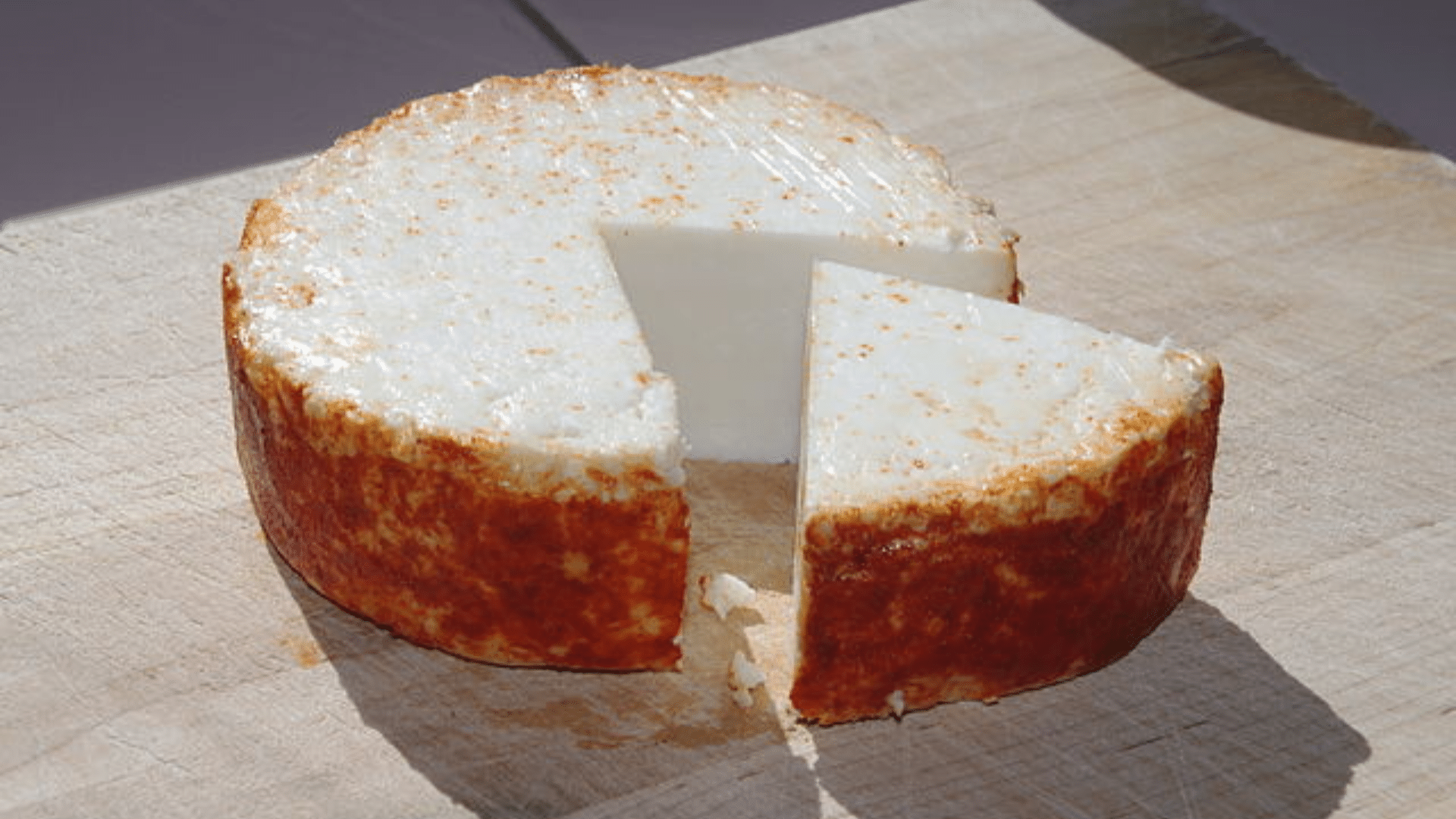
Cheese selection wasn’t about taste preferences; it was about survival. Soft cheeses spoiled quickly in hot, unsanitary camps. Hard cheeses like Parmesan, which were dried, aged, and low in moisture, traveled well and resisted melting or rot. These cheeses didn’t create the gooey sauce we expect today, but they delivered salt, protein, and richness. Combined with butter and milk, they produced a simple, sustaining dish that could be cooked over open fires with minimal equipment.
Cooking in Camps Without Kitchens
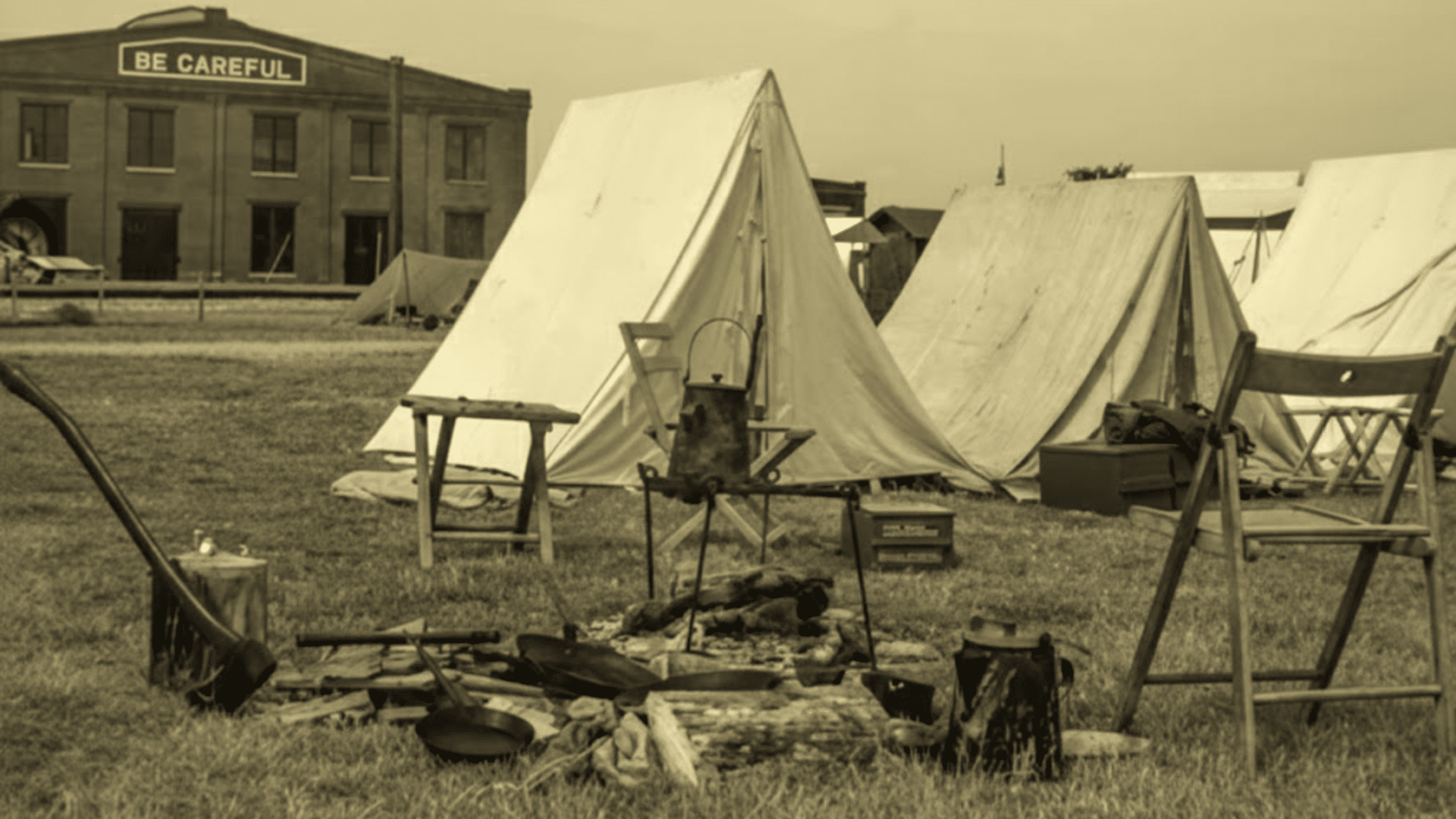
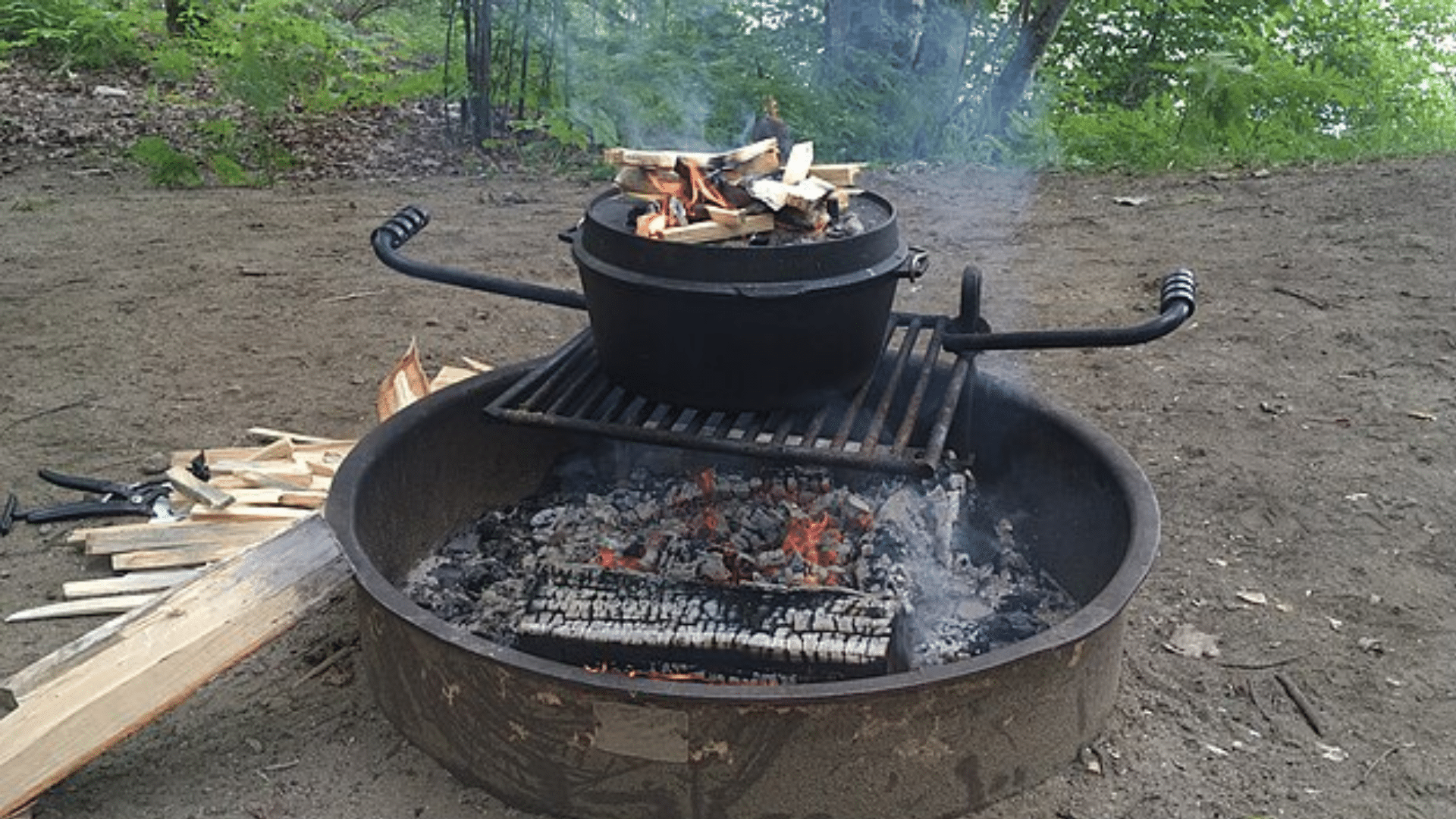
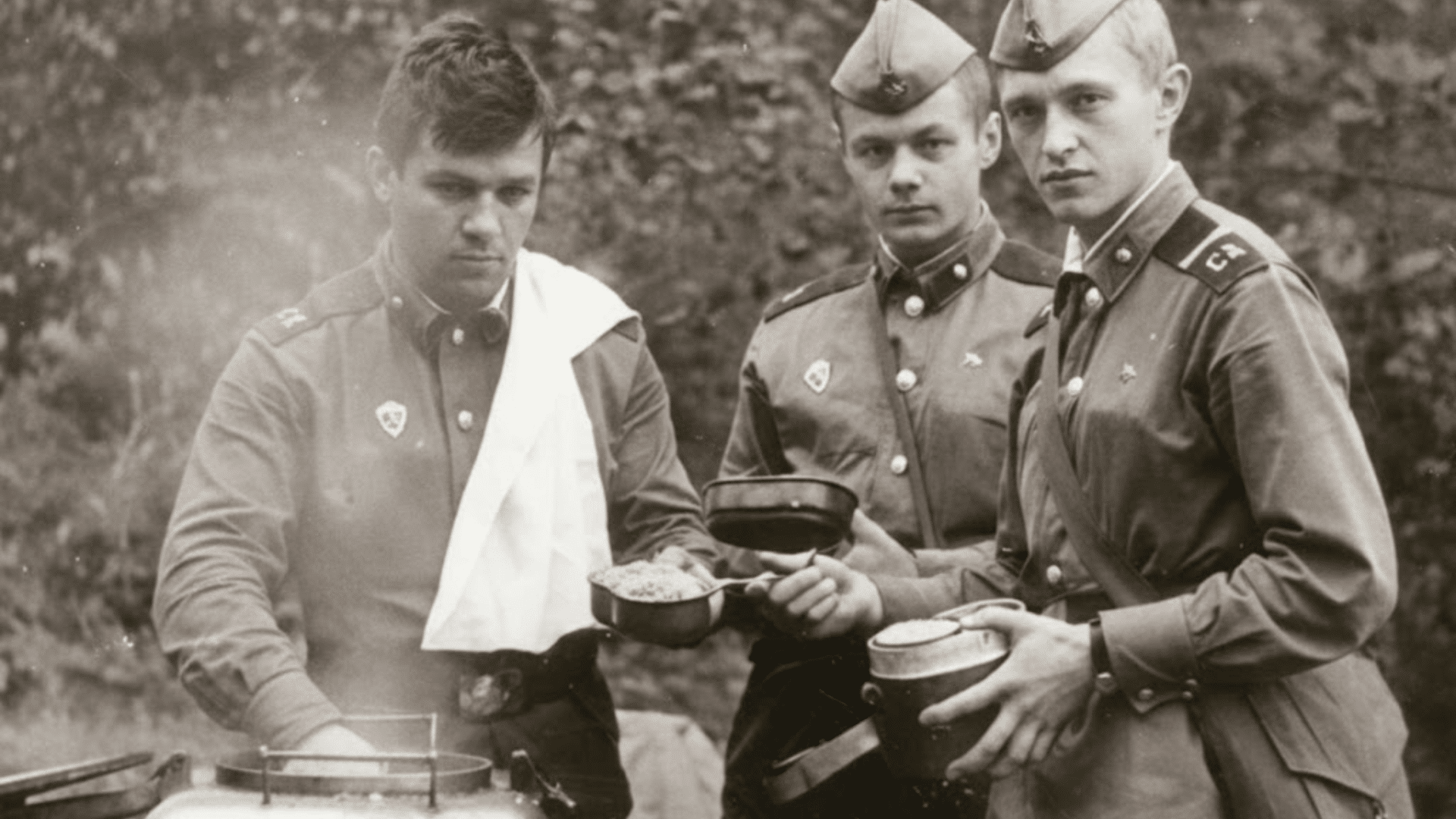
Civil War cooking was improvised. Soldiers and families used cast iron pots, Dutch ovens, or pans balanced on stones over open flames. There were no precise measurements and no luxury of walking away from a pot. Milk could scorch easily, so constant stirring was essential. Mac and cheese, when attempted, demanded attention, but it rewarded that effort with something far more comforting than standard rations. Even plain, it would have felt indulgent amid the smoke and mud of camp life.
A Dish That Meant More Than Food
Diaries from the era describe how rare changes in meals lifted morale. In a world of endless drills, illness, and loss, a warm pan of macaroni and cheese offered emotional relief. It wasn’t about novelty, it was about familiarity. For soldiers, especially those far from home, the dish echoed domestic cooking and reminded them of kitchens they might never see again. That emotional nourishment mattered as much as the calories.
Not Common, but Never Forgotten
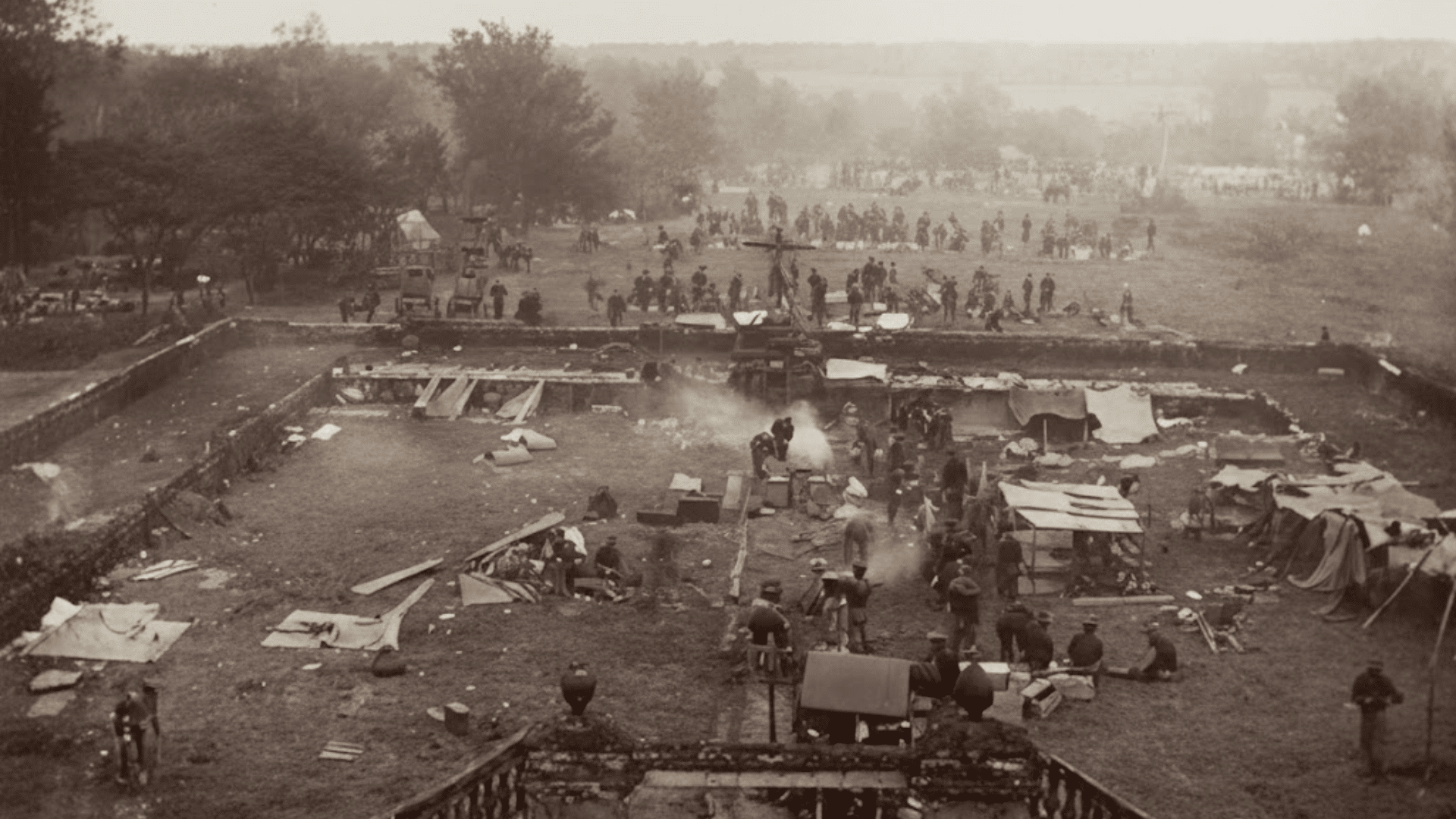
Mac and cheese was not issued as a standard ration, and many soldiers never tasted it during the war. But its presence in camps, hospitals, and frontier homes left a mark. It existed alongside other survival foods like gruel and “stuff on a shingle,” forming part of a broader tradition of simple, adaptable meals that could stretch scarce ingredients. Over time, these dishes shaped American comfort food culture long after the cannons fell silent.
From Survival Food to National Staple
After the war, industrialization changed everything. Pasta became cheaper, cheese production expanded, and preserved dairy became safer and more accessible. What had once been a rare camp delicacy slowly transformed into a household favorite. By the 20th century, boxed versions promised convenience rather than endurance, but their roots still traced back to a time when the dish meant sustenance, not nostalgia.
Conclusion
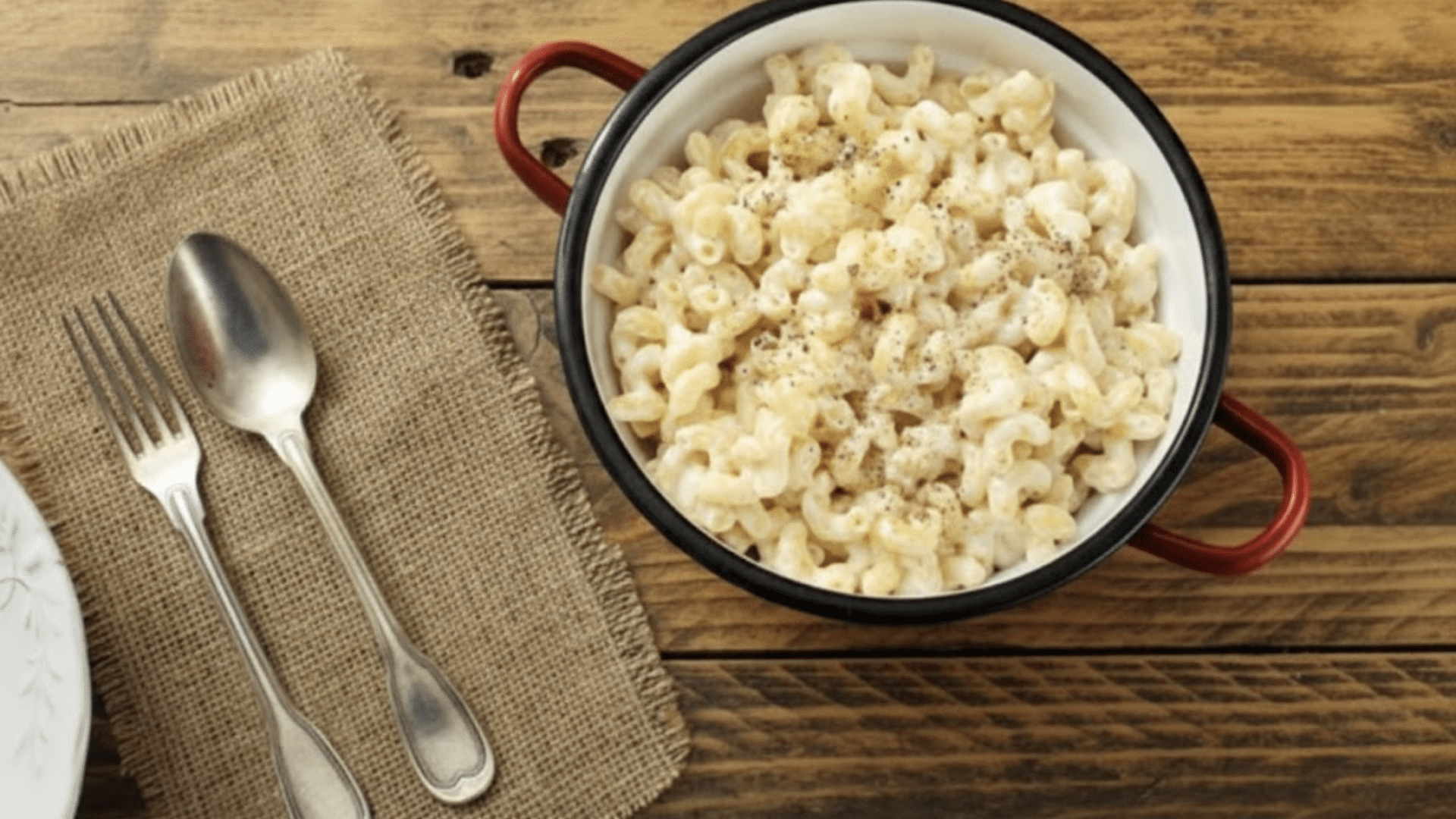
The story of Civil War mac and cheese is not really about pasta or cheese. It’s about how people endure hardship, how food adapts to circumstance, and how comfort can come from the simplest combinations. What began as a practical way to feed hungry bodies became one of America’s most beloved dishes. Remembering where it came from reminds us that even in the hardest moments, people find ways to nourish both body and spirit; one humble meal at a time.