A Historic LA Restaurant Survived the Great Depression but Couldn’t Survive Its Own Neighborhood
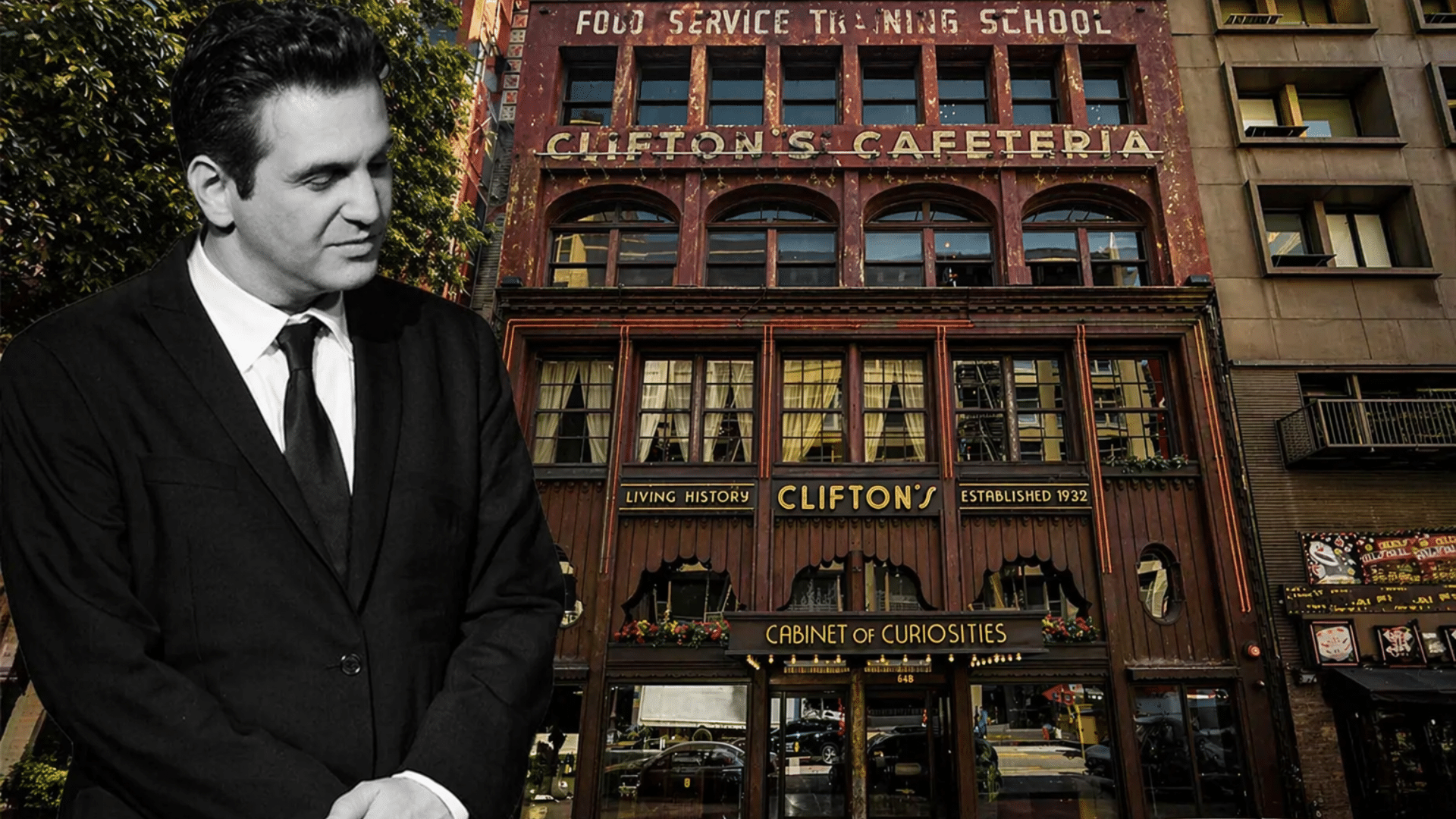

Clifton’s Cafeteria once served 15,000 meals a day during the Great Depression, when Broadway was the entertainment heart of Los Angeles. It survived for nearly nine decades through wars, recessions, and shifting tastes. But relentless vandalism, a 600% spike in insurance premiums, and daily crime on its doorstep proved too much. The man who spent $14 million trying to revive it has now walked away for good, and his story exposes a crisis gripping all of downtown LA.
The Man Who Bet Big on Downtown
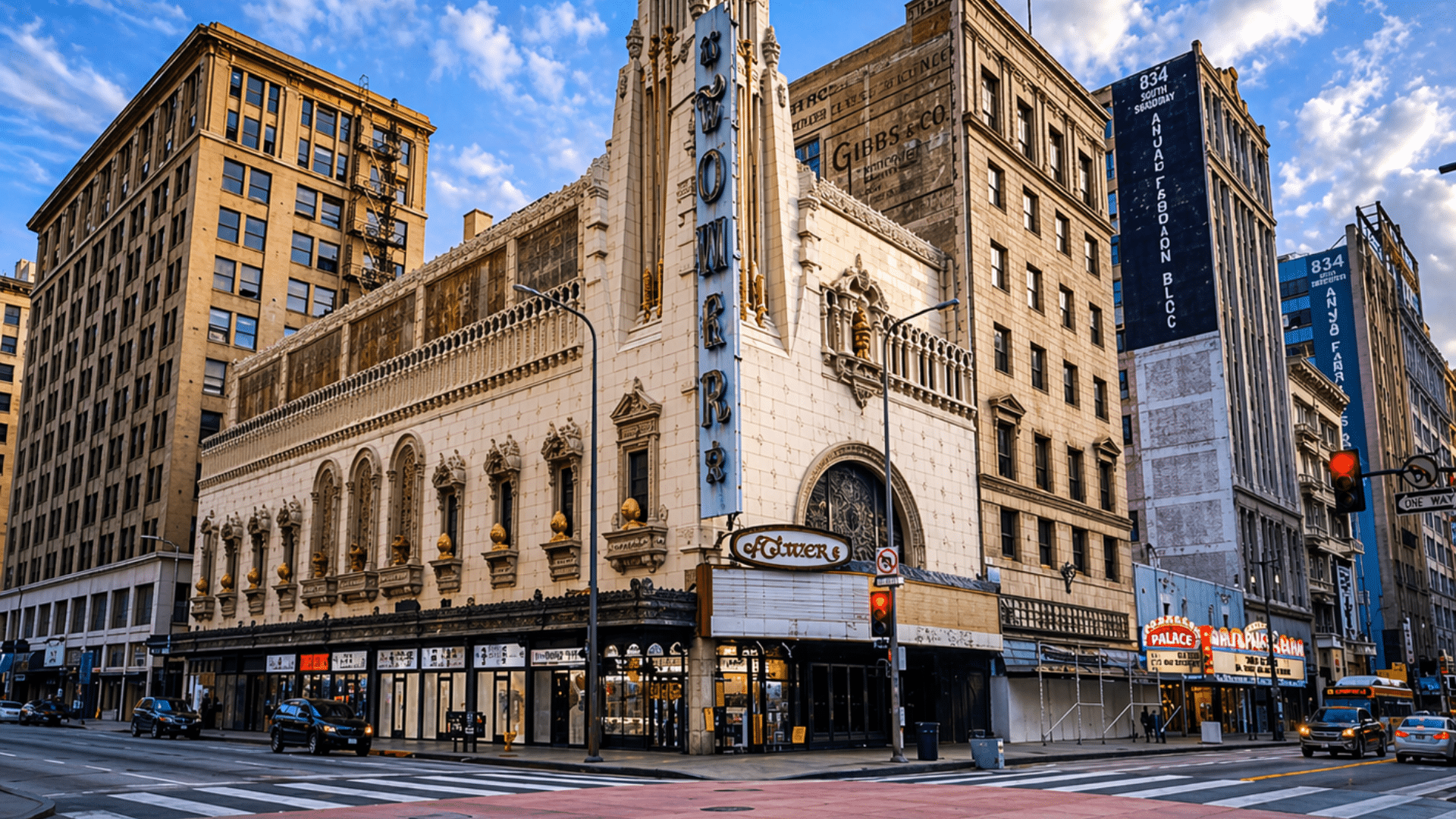
Andrew Meieran purchased Clifton’s on Broadway in 2010 and invested more than $14 million into repairs, renovations, and upgrades across the four-story building. He added bars, dining rooms, and elaborately themed environments, believing the neighborhood could bounce back. For years he pushed through mounting difficulties, expanding and reinventing rather than retreating. He was one of downtown’s most prominent private investors in the Historic Core. What he encountered over the following years tested that commitment at every turn.
From Cafeteria to Nightclub to Empty
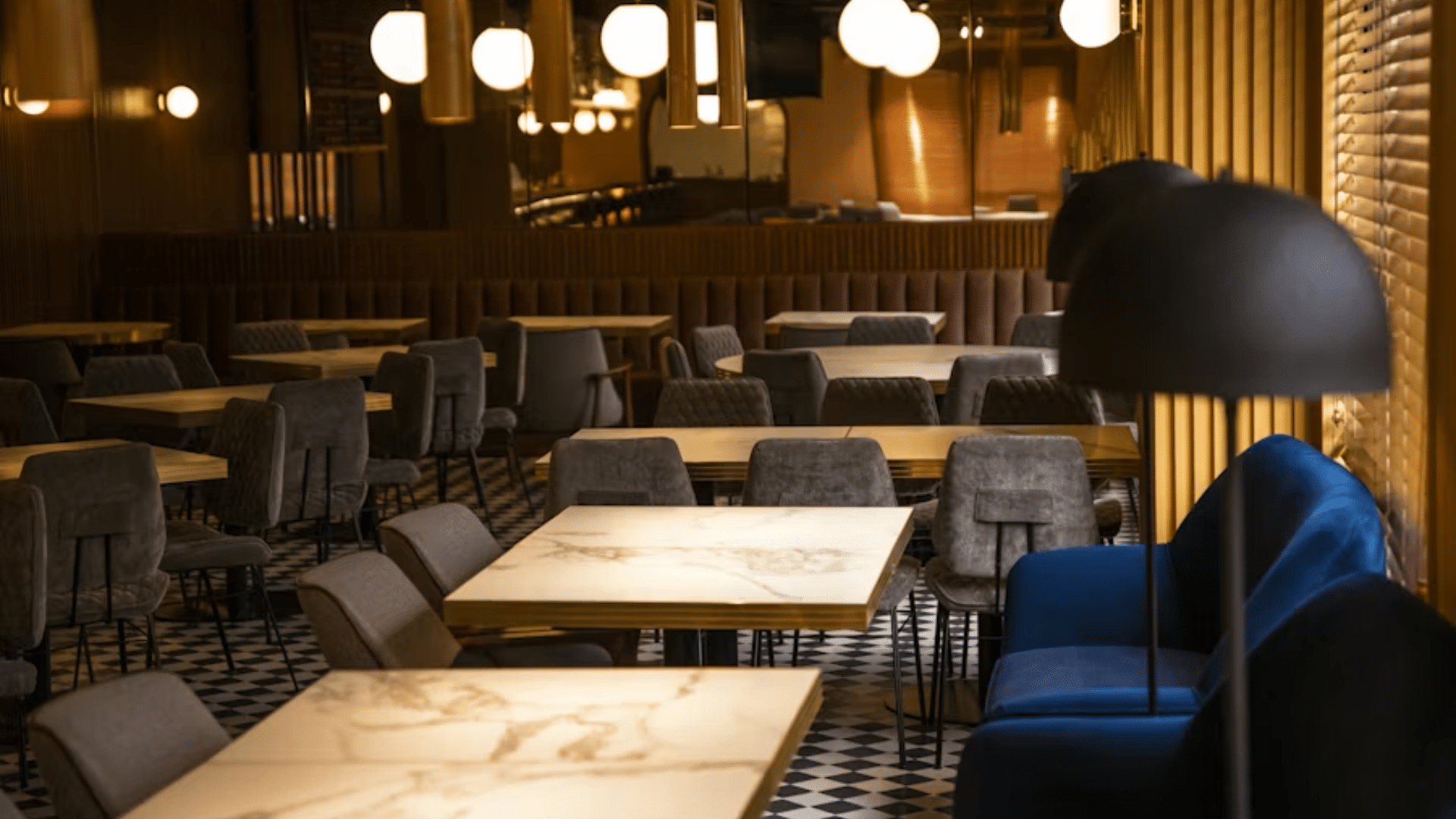
By 2018, Meieran concluded that demand for traditional cafeteria food was too low to be profitable. He pivoted to a nightclub and lounge concept called Clifton’s Republic, featuring multiple dining and drinking venues. He tried a tiki bar, a forest-themed space, and large private events to generate interest. The venue opened and closed repeatedly during the pandemic, and a burst pipe caused extensive additional damage. He shut it most recently hoping conditions would improve. They did not.
Windows That Cost $30,000 to Replace, Again and Again
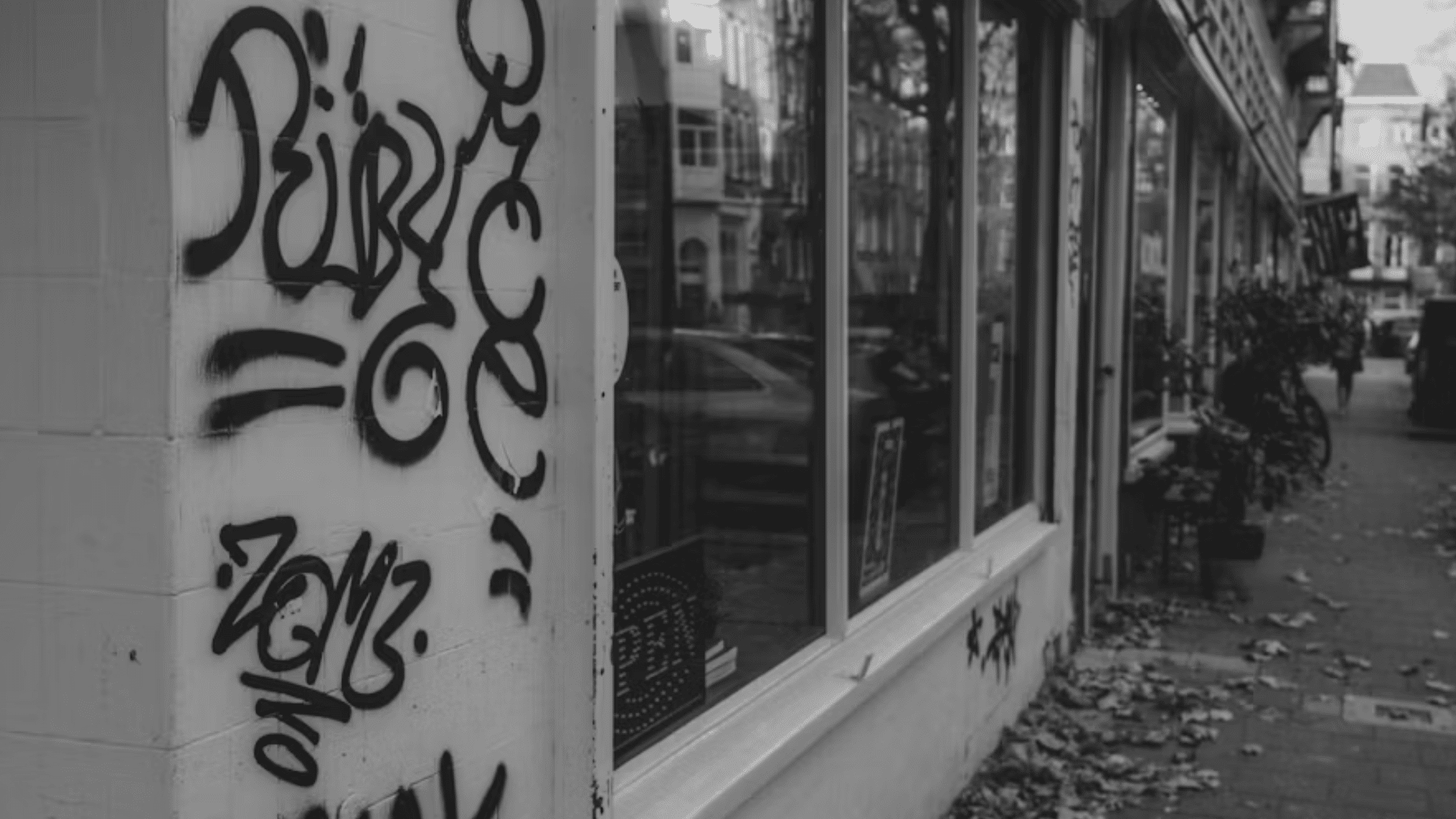
Graffiti appeared on the historic building almost daily. Vandals used acid and diamond glass cutters to deface and crack the windows, and each replacement cost Meieran more than $30,000. This was not a one-time expense. It happened repeatedly. The damage was relentless and cumulative, draining money that could not be recovered through normal business revenue. For a venue already operating on thin margins, each act of vandalism was not just a nuisance but a direct financial blow with no clear end in sight.
Insurance Premiums Jumped 600%

As vandalism escalated, the insurance industry responded in ways that compounded the damage. Some companies stopped offering policies that covered vandalism altogether. Others raised premiums by as much as 600%, according to Meieran. For a business already struggling with thin profit margins and inconsistent foot traffic, that cost increase was devastating. Other downtown operators were facing similar pressures, with costs rising across the board while the customer base that once sustained the Historic Core continued to shrink.
Crime Moved In as Customers Moved Out
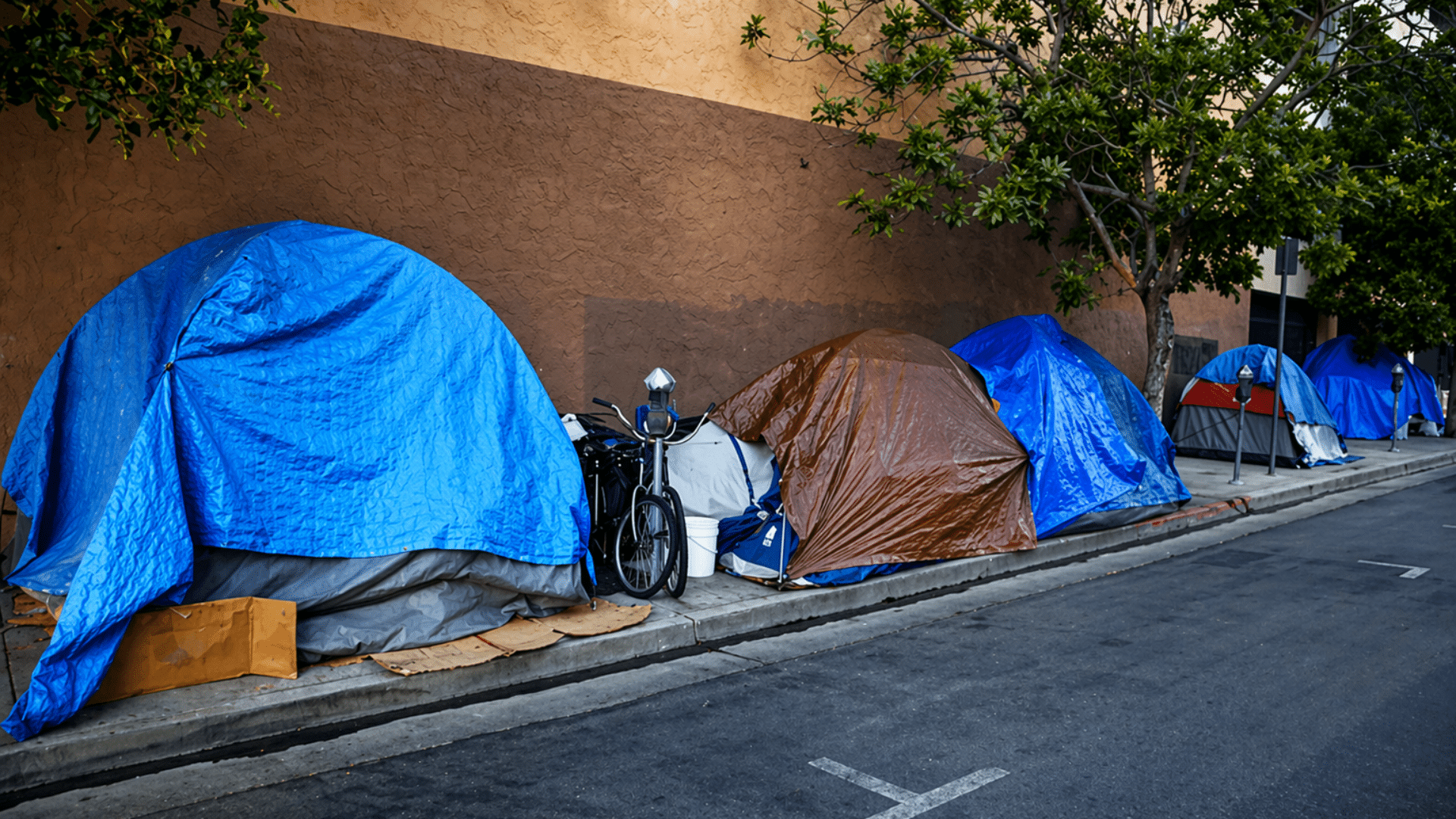
The pandemic drained downtown of the office workers and visitors who had long supported its businesses. That foot traffic did not fully return. Meieran described continuous crime in the area, including multiple assaults on people directly in front of his building. One individual camped in the vestibule and, according to Meieran, threatened to kill anyone who tried to enter. Blair Besten, president of the Historic Core Business Improvement District, said police are understaffed and constrained by public policy, leaving businesses with limited recourse.
Clifton’s Is Not the Only One Gone
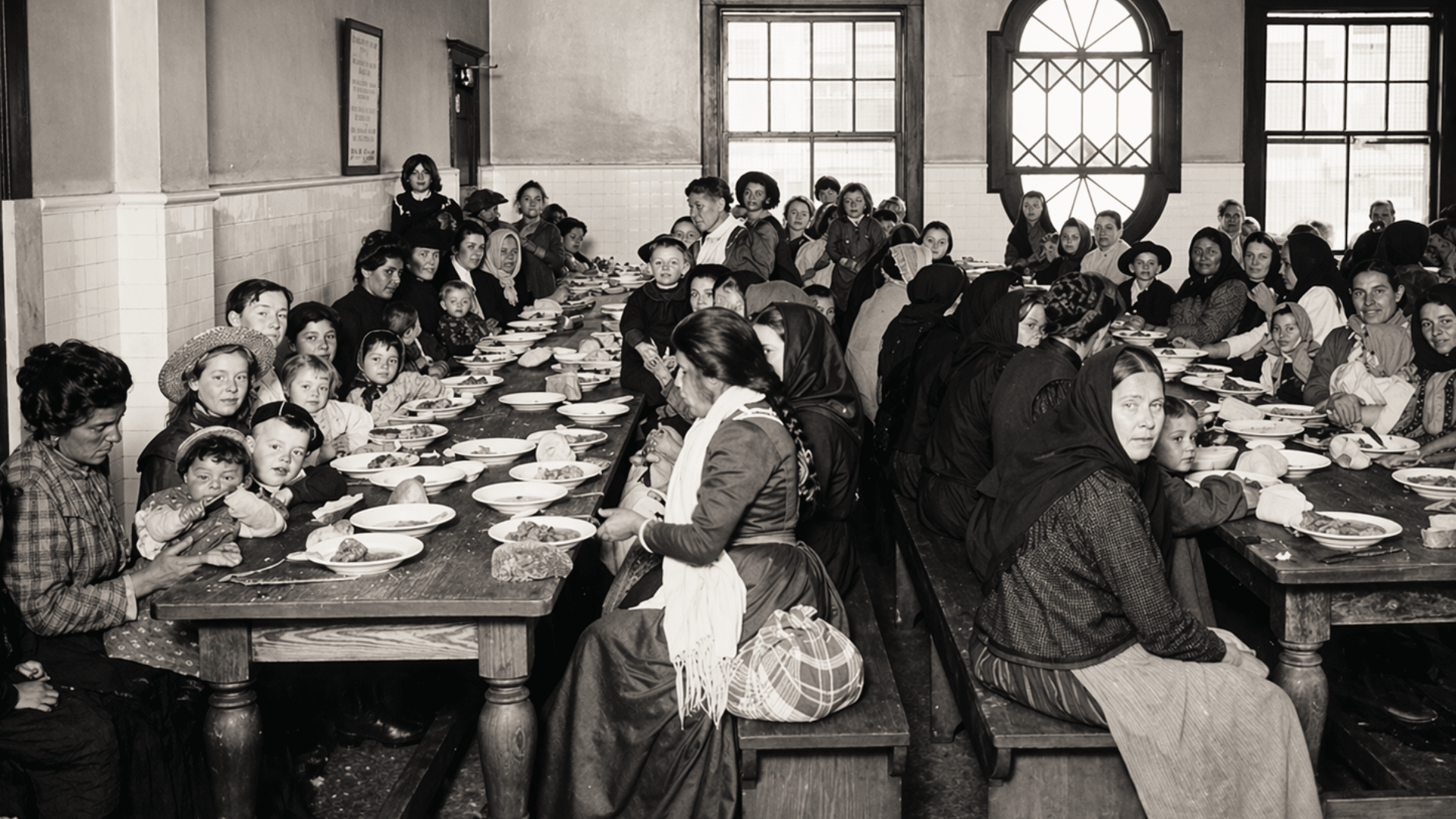
Cole’s, one of Los Angeles’ most famous restaurants and widely credited with inventing the French dip sandwich, closed after a 118-year run. Its former operator Cedd Moses identified operating costs as the central problem, saying the high cost of doing business is killing independent restaurants across the city. Real estate broker Derrick Moore of CBRE noted that many brands are now bypassing downtown entirely, choosing neighborhoods like Echo Park and Silver Lake where they believe conditions offer a better chance at sustainable sales.
Official Data vs. What Business Owners See
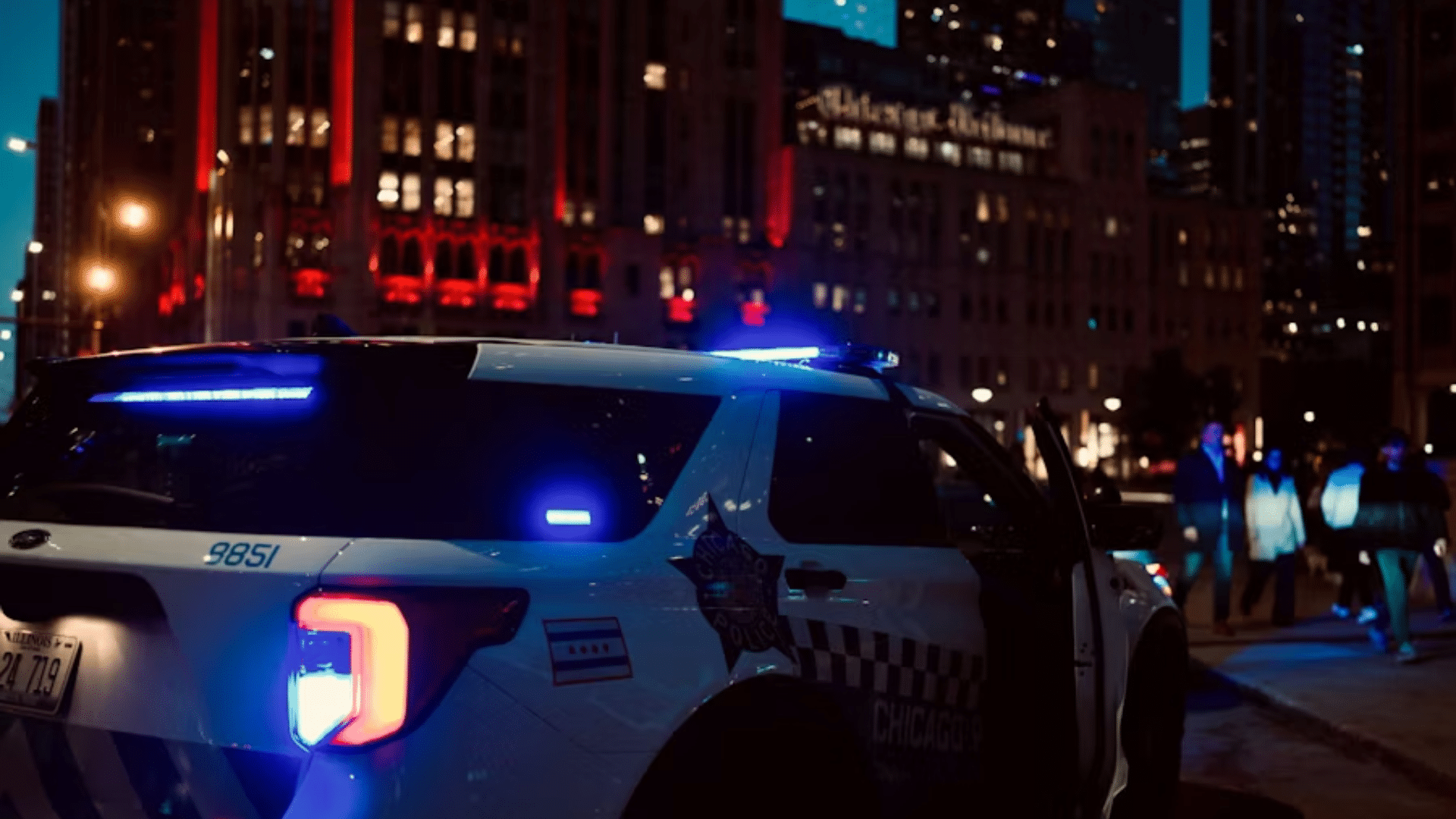
LAPD Captain Kelly Muniz said violent crime in the area is down more than 10% from the previous year and that the department is moving in the right direction. She acknowledged that issues like trash, open-air drug use, homelessness, and graffiti remain. Meieran, however, said he does not believe the official statistics and has no intention of restarting a business where criminals can quickly undo his investment. The gap between reported figures and the experience of people on the ground is wide and growing.
A Few Green Shoots, But Costs Keep Rising
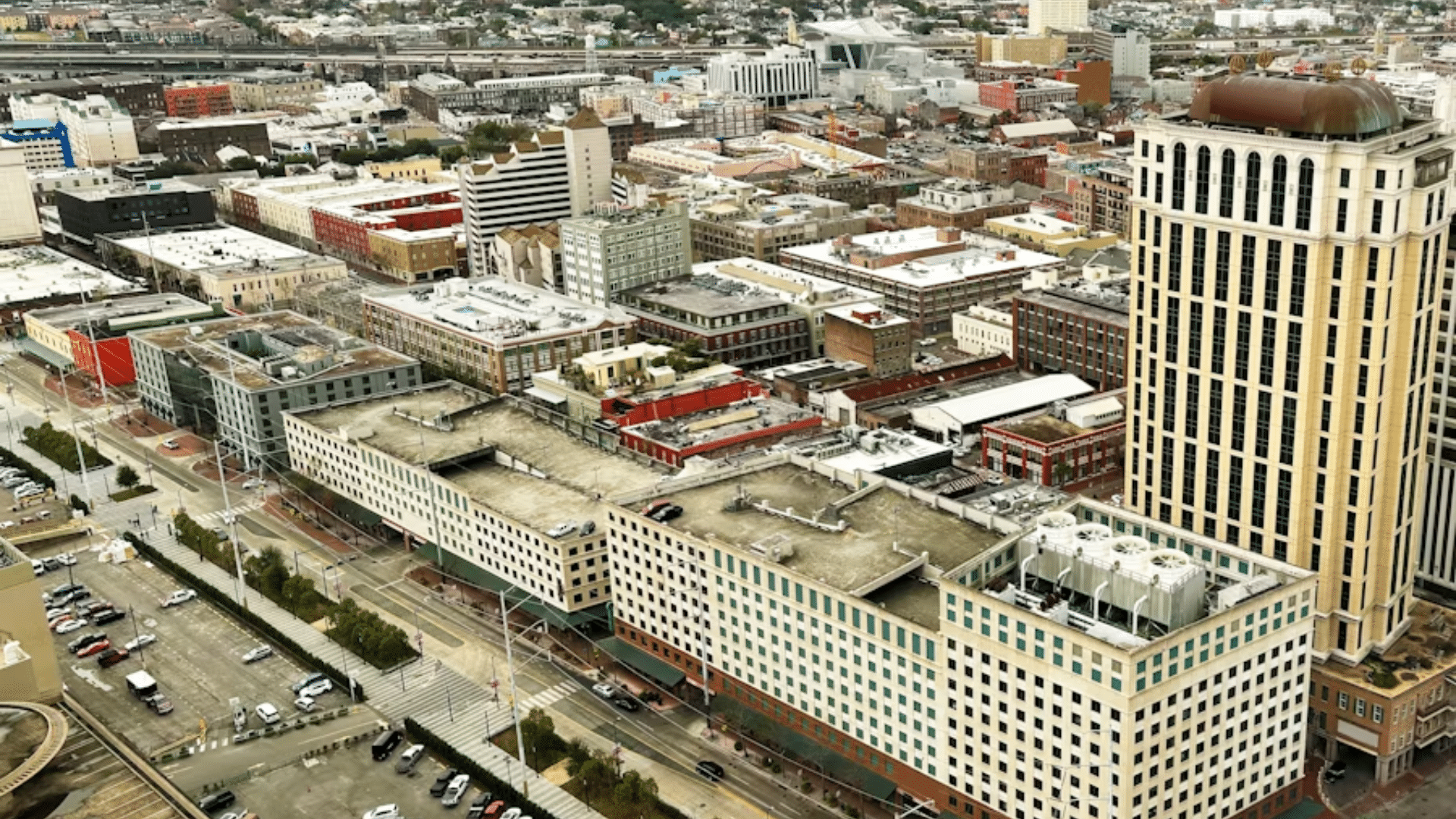
Not everything downtown is in decline. Monthly art nights in the Historic Core bring visitors to galleries and pop-up spaces housed in vacant storefronts. Moses said his bars on Spring Street are hitting sales records, though he added that costs have risen dramatically alongside revenue. Some residents say their sense of safety is gradually improving. But for every encouraging sign, there is a shuttered business or a gated facade, and the operators still standing warn that the underlying economics remain extremely difficult.
What One Closed Door Tells the Whole City
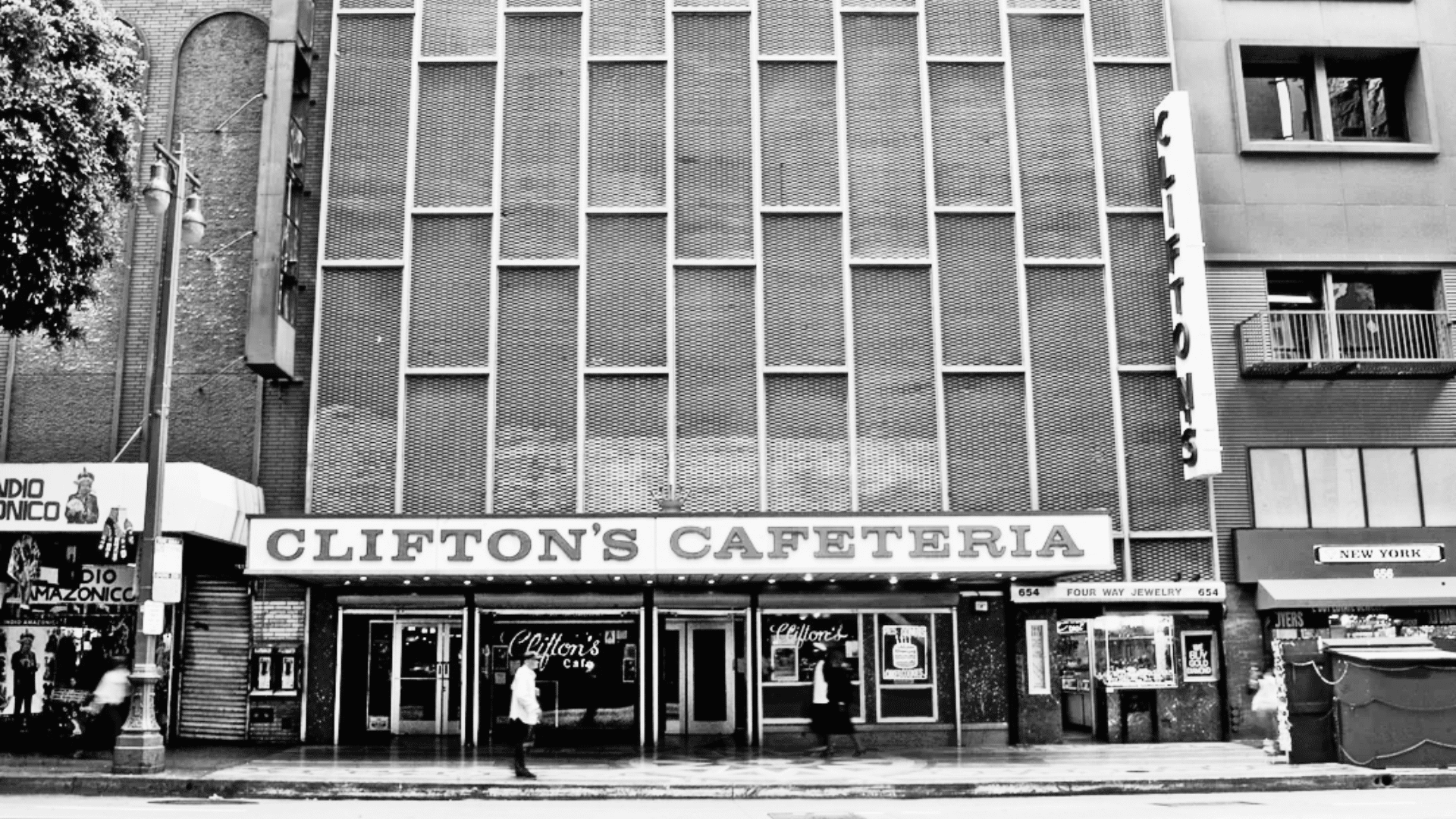
Clifton’s dates back to 1935. It fed Angelenos through the Depression and reinvented itself across generations. What finally closed it was not a lack of effort or capital but compounding pressures: unchecked vandalism, unaffordable insurance, reduced policing capacity, and disappearing foot traffic. Meieran put it plainly, saying the city has lost its way and that people need to pay attention. Whether city leaders respond with urgency will determine how many more institutions quietly disappear before anyone acts.

