Connecticut Issues Strict Regulatory Guidelines Ahead of Farmers Market Season
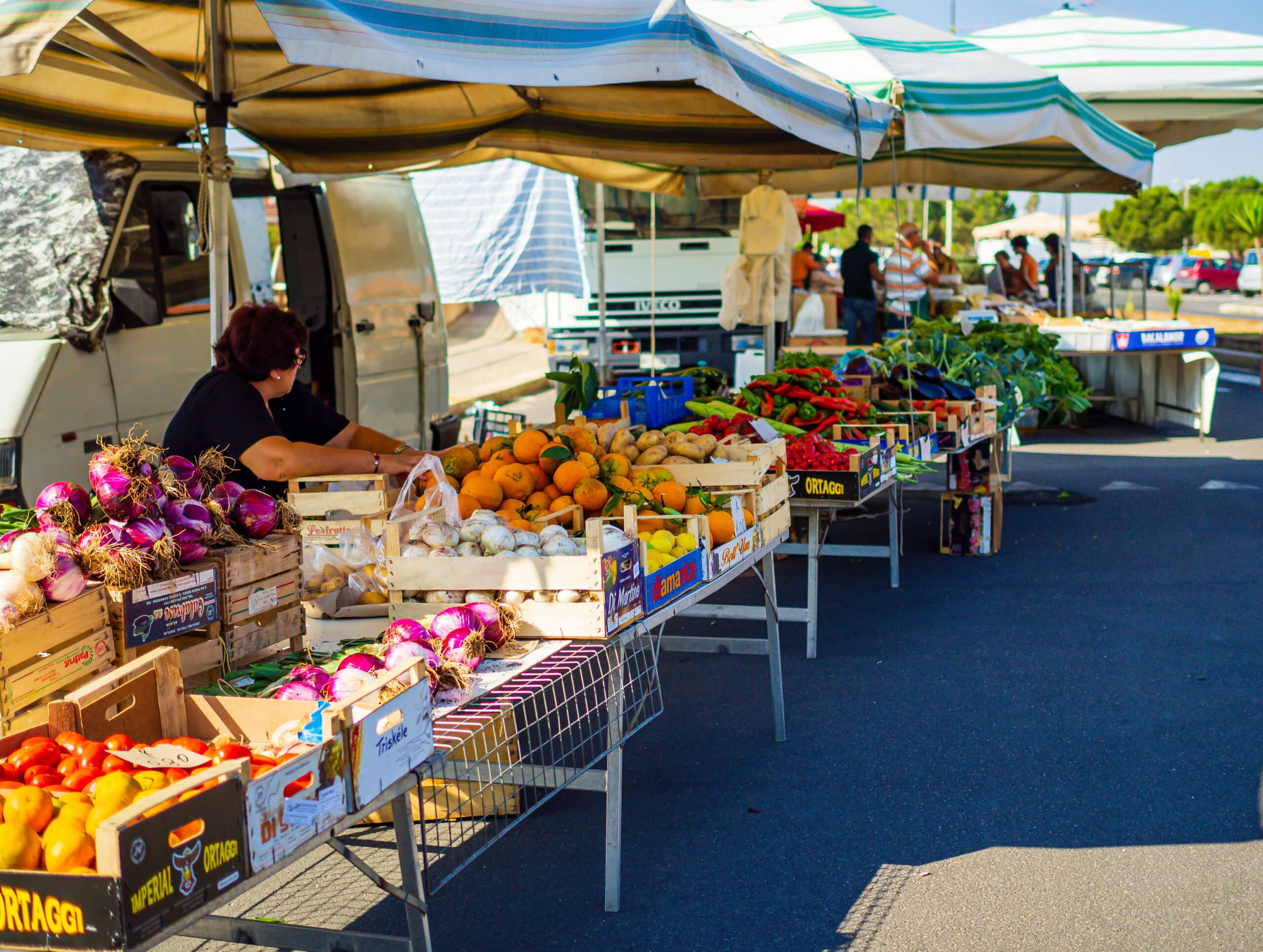

Fresh strawberries, homemade breads, and local specialties are returning to Connecticut farmers’ markets, but this year’s season is opening under heightened regulatory scrutiny. As markets begin operating across the state, Connecticut officials are emphasizing strict compliance with licensing, labeling, and food safety requirements aimed at protecting consumers while supporting the growing cottage food industry.
Why Officials Are Sounding the Alarm
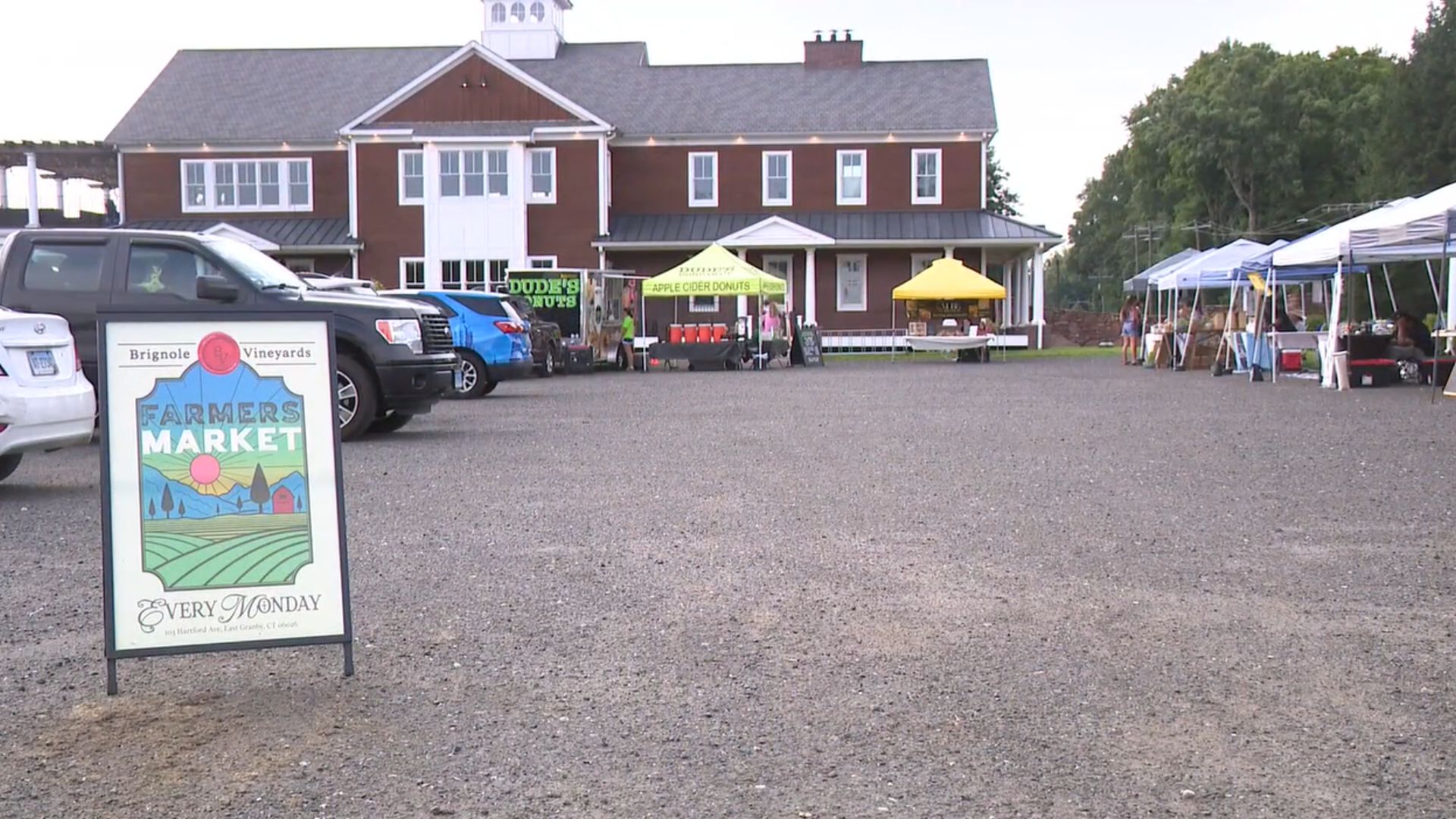
The Connecticut Department of Consumer Protection (DCP) launched its annual food safety campaign ahead of the busy summer market season. Officials say the reminders are necessary because participation in the state’s Cottage Food Program has expanded significantly in recent years. According to DCP, more than 600 cottage food business licenses were issued last year, reflecting rapid growth in home-based food entrepreneurship.
The Rise Of Connecticut’s Cottage Food Economy

The Cottage Food Program allows residents to produce and sell certain low-risk foods from home kitchens without operating a traditional commercial facility. Products such as breads, candies, popcorn, and baked goods have become increasingly common at local markets. State officials view the program as an accessible pathway for entrepreneurs to test business ideas while contributing to local economies and agricultural supply chains.
Licensing Remains Mandatory

Despite the program’s accessibility, Connecticut requires anyone selling cottage food products directly to consumers to obtain a Cottage Food Operator license through the DCP. Applicants must secure local zoning approval, complete food safety training, undergo water supply testing when required, and submit product and label information for review before receiving approval.
Labeling Standards Leave Little Room For Error
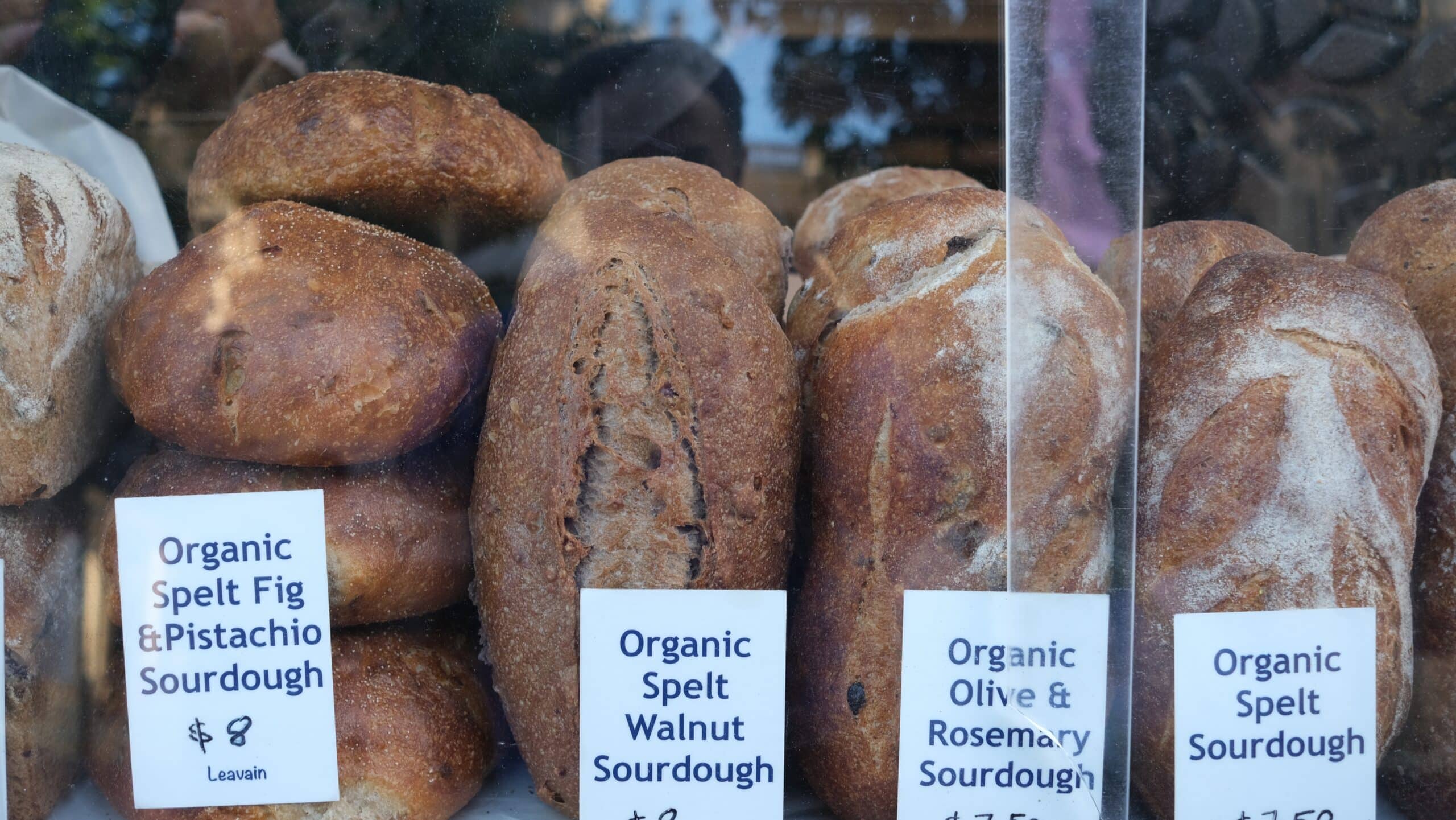
One of the state’s strongest messages this season concerns product labeling. Operators must clearly list ingredients in descending order by weight, disclose all sub-ingredients in prepared items, include business identification information, and display product weight or volume. Labels must also carry a statement informing consumers that the food was produced in a cottage food operation not subject to routine government food safety inspections.
Allergen Disclosure Is A Top Priority

Food allergies remain a major concern for regulators. Connecticut requires cottage food businesses to comply with federal allergen labeling laws covering nine major allergens: milk, eggs, fish, shellfish, tree nuts, peanuts, wheat, soybeans, and sesame. Sellers must either identify allergens within ingredient lists or provide a separate “Contains” statement immediately following those ingredients.
Certain Foods Remain Off Limits

The state’s regulations draw a clear line between permitted and prohibited products. Cottage food operators may not sell foods considered potentially hazardous because they require strict temperature control to prevent bacterial growth. Prohibited items include products containing meat, poultry, dairy, or eggs, along with foods such as salsa, tomato sauce, spaghetti sauce, and certain cooked vegetable products. Officials say these restrictions are designed to reduce foodborne illness risks.
Farmers Markets As Economic Anchors

Beyond food safety, state leaders highlight the economic importance of farmers’ markets. Agriculture Commissioner Bryan P. Hurlburt noted that markets create direct connections between farmers, food producers, and consumers while helping keep spending within local communities. Many cottage food businesses purchase ingredients from Connecticut farms, creating a cycle of support that benefits growers and small-scale food entrepreneurs alike.
Markets Face New Pressures On Food Access
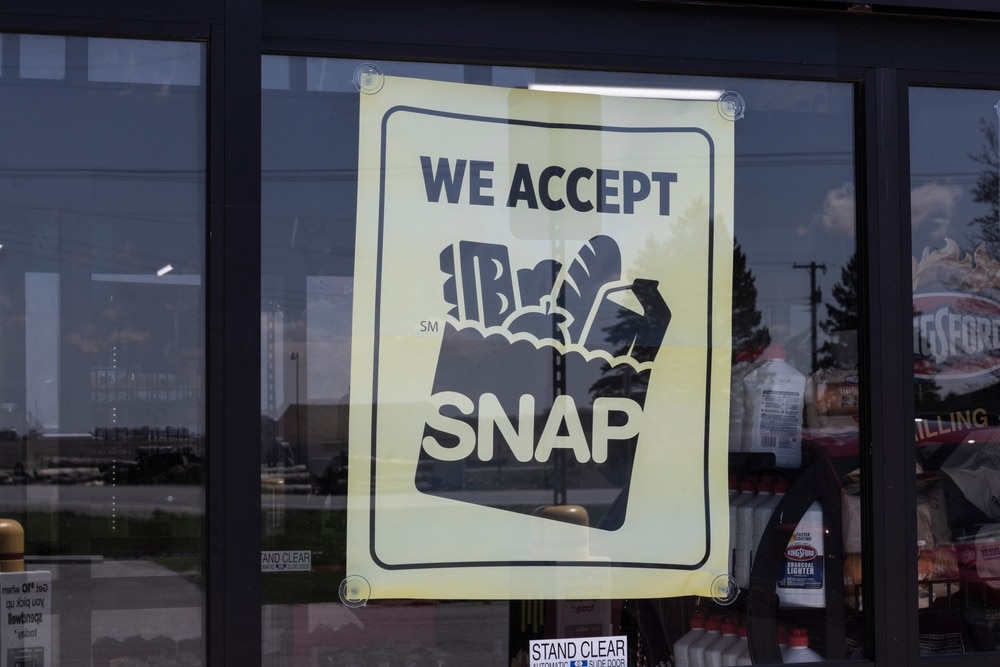
This year’s market season also unfolds amid concerns about changes affecting Supplemental Nutrition Assistance Program (SNAP) recipients. Farmers market operators and nonprofit organizations across Connecticut have expressed concern that revised federal work requirements could reduce access to benefits for some residents. In response, several markets are expanding fundraising efforts, nutrition programs, and benefit-matching initiatives to help low-income shoppers continue purchasing fresh local food. Approximately 360,000 Connecticut residents use SNAP benefits, according to reporting on the issue.
What Comes Next For Vendors And Consumers

As Connecticut’s farmers markets enter one of their busiest periods of the year, regulators are signaling that compliance and transparency will remain central priorities. Vendors must navigate detailed licensing and labeling requirements, while consumers are encouraged to read labels carefully, ask questions, and pay attention to food handling practices. The continued growth of the cottage food sector suggests farmers markets will remain important economic and community hubs, but their success may increasingly depend on balancing entrepreneurial opportunity with rigorous food safety standards.