Consumers Urged to Check Cream Cheese After FDA’s Highest Warning

A routine grocery item is now at the center of a serious food safety warning. The U.S. Food and Drug Administration has issued its highest-level recall alert for certain cream cheese products after concerns about possible bacterial contamination. The warning means there is a reasonable chance the affected products could cause severe illness or even death if consumed. For consumers, it’s a reminder that even familiar foods may occasionally require a second look before eating.
The FDA’s Most Serious Recall Classification
It has been classified as a Class I recall, the most serious category used by the FDA. According to the agency, this designation means there is a reasonable probability that consuming the product could cause serious health consequences or death. Class I recalls are typically issued only when a product poses a significant public health risk. Because of that, regulators urge consumers to take these warnings seriously.
More Than a Dozen Cream Cheese Flavors Are Affected
The recall involves 14 flavors of cream cheese produced by Made Fresh Salads. The products were sold in five-pound white plastic tubs and distributed to retail stores and food distributors in parts of New York City. Among the flavors included in the recall are blueberry, vegetable, scallion, strawberry, and jalapeño varieties. Consumers who purchased any of these products are advised not to eat them.
The Problem Was Discovered During Routine Testing
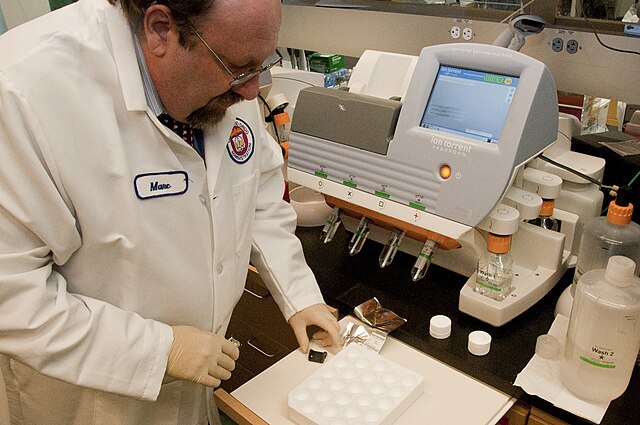
The contamination concern was first identified during routine safety checks. According to the company, testing revealed Listeria monocytogenes on a component of the equipment used to produce the cream cheese. After discovering the issue, the company removed the affected mixer from production. The recall was originally issued in February and later upgraded to the FDA’s highest warning level.
Why Listeria Is a Serious Food Safety Concern

Listeria monocytogenes is a bacterium that can cause an infection known as listeriosis. For many healthy adults, symptoms may include fever, nausea, diarrhea, or muscle aches. However, the infection can become far more dangerous for certain groups. Young children, older adults, and people with weakened immune systems face a much higher risk of severe illness.
Some Groups Face Greater Health Risks

Pregnant women are also considered particularly vulnerable to Listeria infections. According to health experts cited in recall announcements, exposure during pregnancy can lead to miscarriage, stillbirth, or severe illness in newborns. These risks are part of the reason the FDA escalated the recall to its most serious classification. Even though symptoms can be mild for some people, the potential outcomes for others can be severe.
Symptoms of Listeria Infection to Watch For
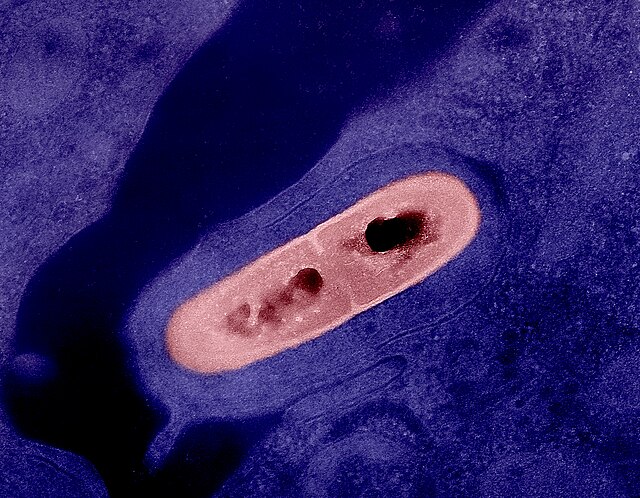
Listeria infections can cause symptoms that resemble other foodborne illnesses. Healthy adults may experience fever, nausea, diarrhea, muscle aches, or abdominal pain after consuming contaminated food. However, symptoms may take several days or even weeks to appear. If someone believes they may have eaten a recalled product and begins feeling ill, health officials recommend contacting a medical professional.
The 14 Cream Cheese Flavors Included in the Recall
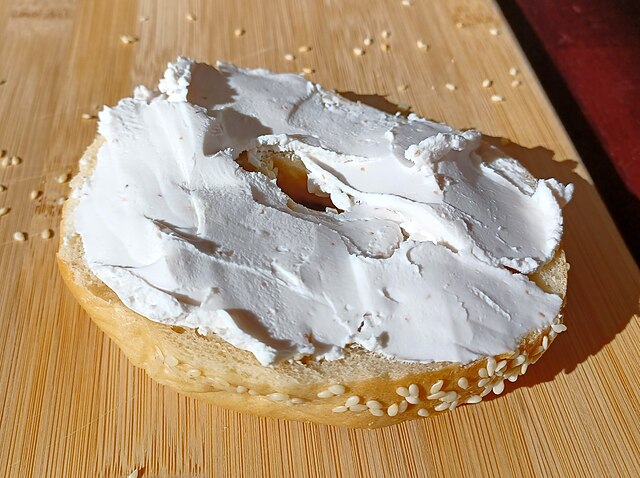
The recall includes 14 varieties of Made Fresh Salads cream cheese packaged in five-pound tubs. According to recall notices, the affected flavors include Apple Cinnamon, Caramel Apple, Blueberry, Garlic & Herb, Jalapeño, Jalapeño Cheddar, Lox, Scallion, Strawberry, Sundried Tomato, Vegetable, Walnut Raisin, Whipped, and Tofu Whipped. Consumers who purchased any of these varieties should check the packaging and expiration dates carefully. If the product matches the recall description, it should not be consumed.
No Illnesses Had Been Reported When the Recall Was Announced

Consumers who purchased the affected cream cheese are urged to check their refrigerators immediately. The recalled products were sold in multiple flavored varieties with expiration dates through February 27, 2026. Health officials say the safest step is not to eat the product if you have it. Instead, return it to the store for a refund or dispose of it safely.
Why Food Recalls Still Matter for Everyday Shoppers
Food recalls like this one are meant to catch potential risks before they become widespread health problems. While most grocery items remain safe, alerts from regulators serve as an important reminder to stay informed about what’s in your kitchen. Checking product labels and recall notices can take only a moment but may help prevent serious illness. In cases like this, a quick look in the refrigerator could be the simplest step toward protecting your household.

