Consumers Urged to Check Their Pantry as Quaker Oats Recall Expands
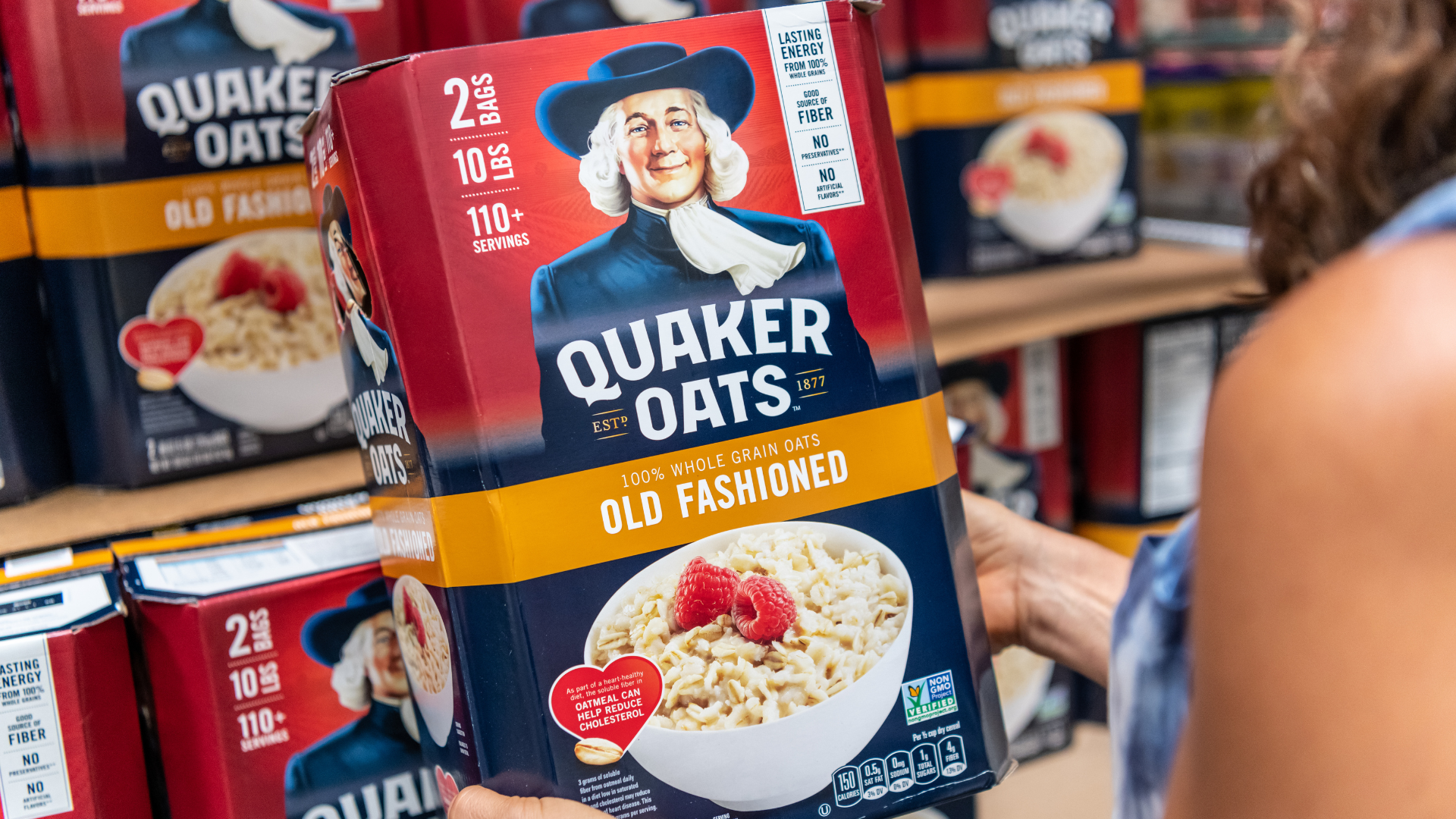

Federal health officials are urging shoppers to check their pantries after the Quaker Oats recall was expanded due to potential contamination with Salmonella, a harmful bacterium that can cause serious illness, especially in young children, older adults and people with weakened immune systems. The expanded recall now includes additional products beyond the earlier recall announcement, and health authorities are working with retailers to remove affected items from store shelves while advising consumers to verify whether they have the recalled oat products at home. Because oats and oat-based foods are staples in many households, the warning covers multiple varieties of Quaker brand cereals and can affect consumers from a broad geographic area.
Which Products Are Included
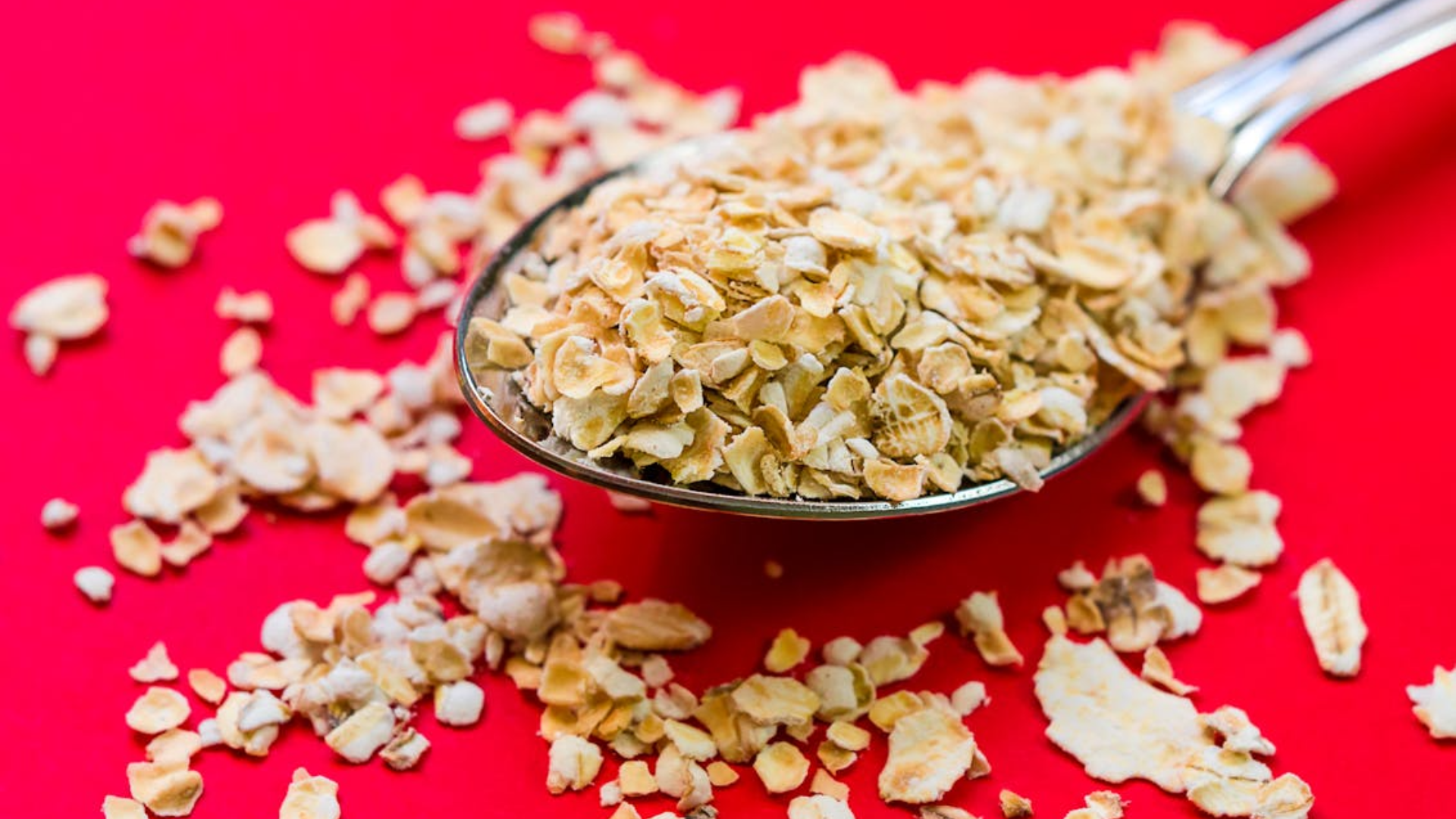
The expanded recall covers several Quaker Oats products including large canisters and smaller retail packages with specific lot codes and best-by dates listed by manufacturers and regulators, and consumers should compare product details carefully against the official recall list to determine if their pantry items are affected. Affected items include Quaker Old Fashioned Oats and Quaker Quick 1-Minute Oats in various sizes, all with best-by dates ranging from October 2026 through April 2027 and specific lot codes beginning with identifiers included in the FDA notice. These products were distributed nationwide, meaning that shoppers across many states could have them in their homes.
Reason for the Expanded Recall
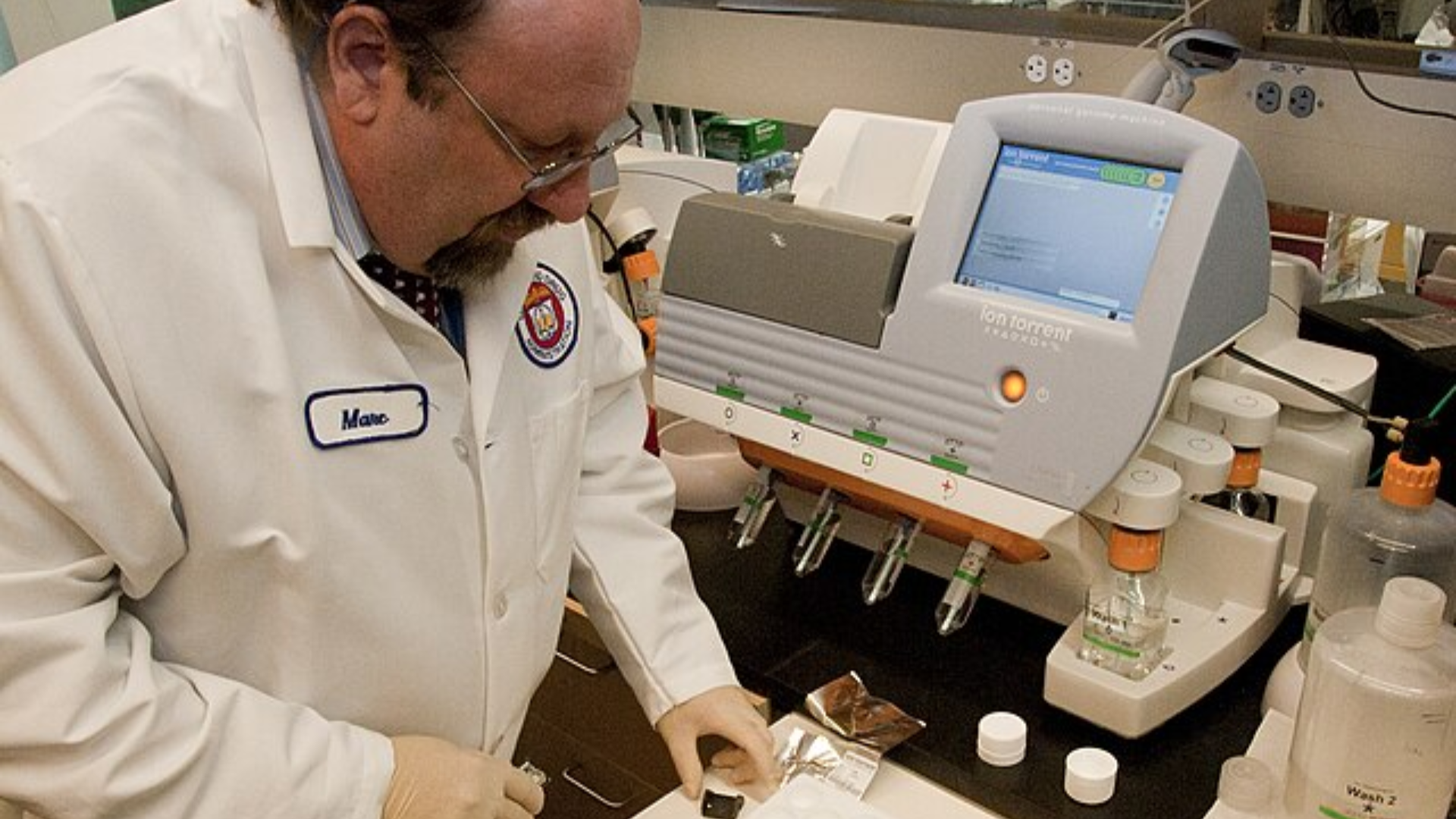
The recall expansion was issued after sampling revealed the possible presence of Salmonella bacteria in oat products that had already passed through supply chain stages, raising concerns that the contamination may be more widespread than first thought. Salmonella is a common cause of foodborne illness, and because oats are often consumed without additional cooking beyond basic preparation, any contamination that survives initial processing can pose a risk to consumers who might eat products straight from the pantry or prepare them in minimally heated recipes.
Where Products Were Sold

The recalled Quaker Oats products were sold through major grocery chains, wholesale retailers, online sellers and other outlets across much of the United States, often featuring Quaker’s distinctive red and blue packaging. Because these products were distributed so broadly and remain staples in many households, consumers nationwide are advised to check all oats and oat-based items that match the recalled identifiers, and to heed the recall notice even if the packages appear unopened or undamaged.
Health Risks of Salmonella Exposure

Salmonella infection can cause symptoms including diarrhea, fever, abdominal cramps, nausea and vomiting, and more severe cases can lead to hospitalization, especially in vulnerable populations such as young children or those with compromised immune systems. Health officials remind consumers that even if symptoms seem mild, anyone who suspects they may have eaten a contaminated product should contact a healthcare provider, and those in high-risk groups should be especially careful to avoid exposure.
How to Check Your Pantry
To determine whether they have a recalled product, consumers should carefully check the Quaker Oats label, product size, lot code and best-by date printed on the package and compare it with the list provided by the FDA and manufacturer in the recall announcement. If the UPC, lot code or best-by date matches any of the recalled products, the product should not be consumed and should either be discarded or returned to the place of purchase for a refund, with attention paid to thorough hand-washing and sanitizing of areas where the product was stored to prevent cross-contamination.
Retailer and Manufacturer Actions
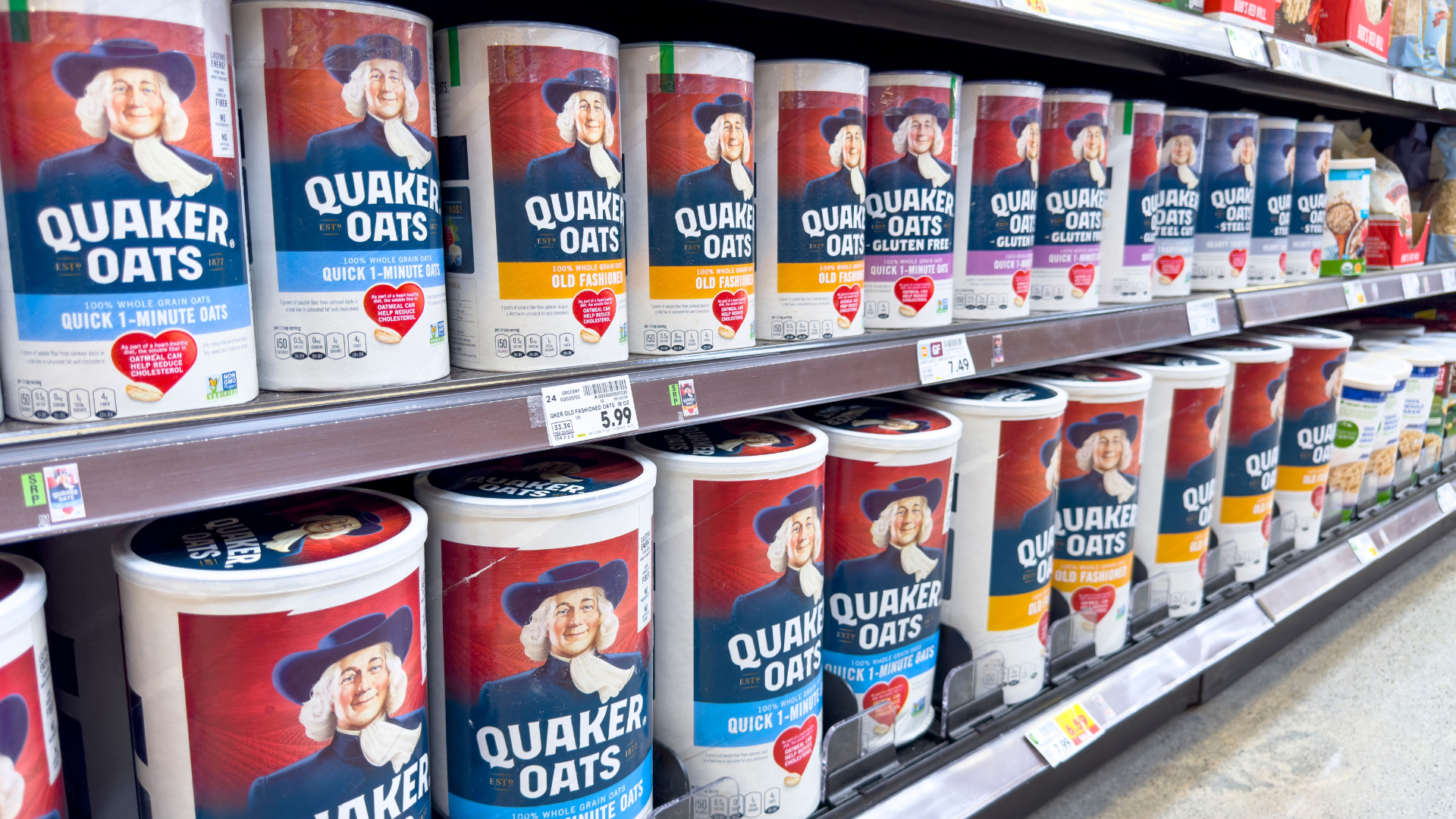
Retailers are removing recalled Quaker Oats products from shelves and issuing alerts at store entrances and on receipt notifications to inform customers, while Quaker and its parent company are cooperating with the FDA to communicate recall details through press releases, social media and customer service channels. These actions aim to protect consumers quickly and ensure that affected products are taken out of circulation before more people are exposed.
No Confirmed Illnesses Linked Yet
At the time of the recall expansion announcement, federal officials said that no confirmed cases of Salmonella illness had yet been linked specifically to the recalled Quaker Oats products, but they caution that Salmonella infections can take days to develop after exposure and that lack of reports does not guarantee that contamination has not caused harm. This uncertainty underscores the importance of erring on the side of caution and acting promptly to remove any recalled items from use.
Food Safety Awareness Tips

This expanded recall highlights the importance of staying informed about food safety alerts and regularly checking pantry staples for recall notices, especially for products consumed frequently or in ways that involve minimal additional cooking. Consumers are encouraged to sign up for recall alerts, follow FDA updates and take swift action to discard or return items that match recalled product information in order to reduce the risk of foodborne illness in their households.
Expanded Recall of Quaker Oats
In conclusion, the expanded recall of Quaker Oats products over concerns about possible Salmonella contamination serves as a reminder that even widely trusted pantry brands can sometimes pose safety risks, and by carefully comparing package labels, lot codes and best-by dates and acting quickly to remove affected items, consumers can help protect themselves and their families from potential illness while supporting broader food safety efforts by regulators and manufacturers.