Costco Hit With Consumer Lawsuit Over Chicken Pricing and Practices
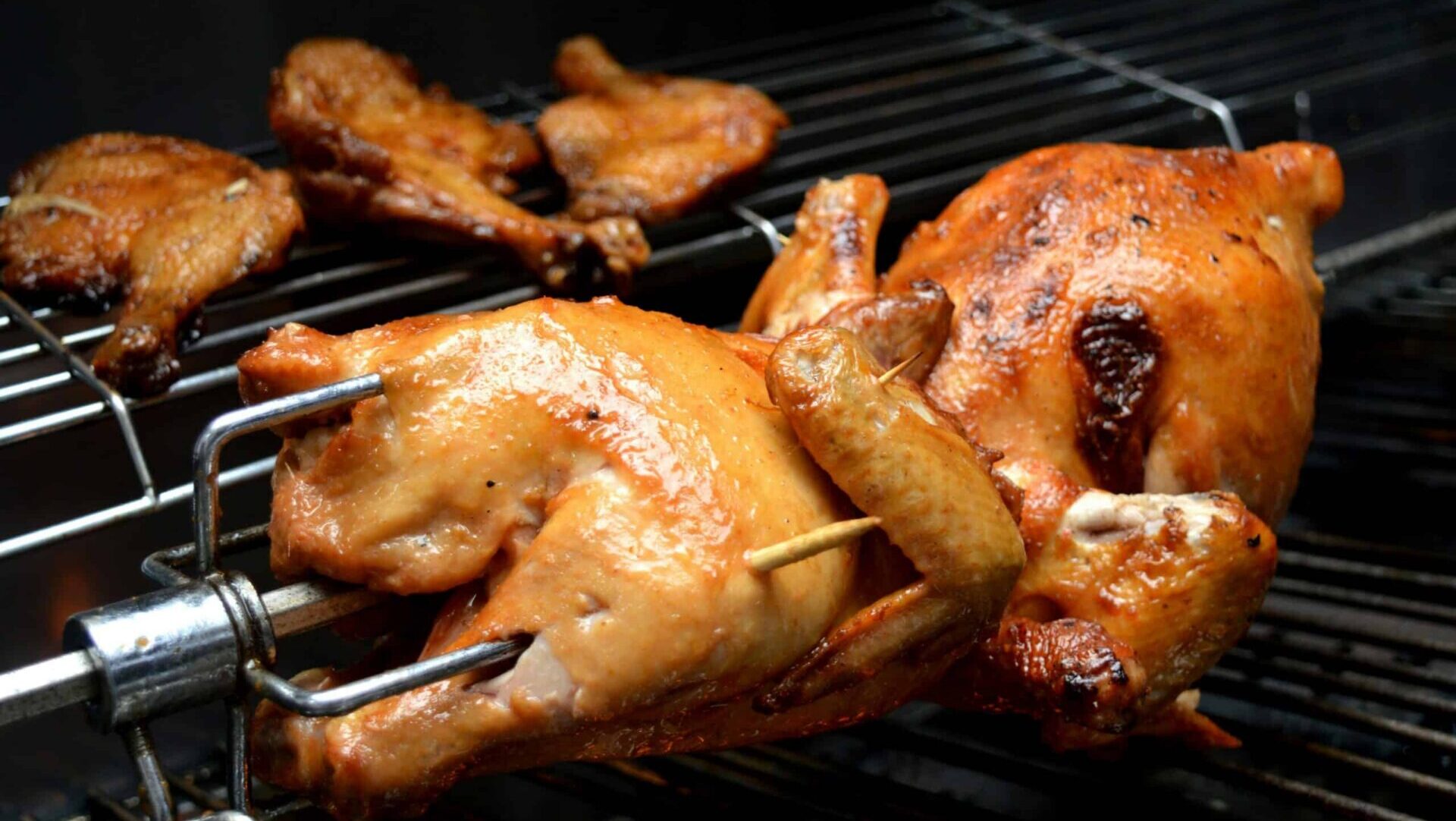

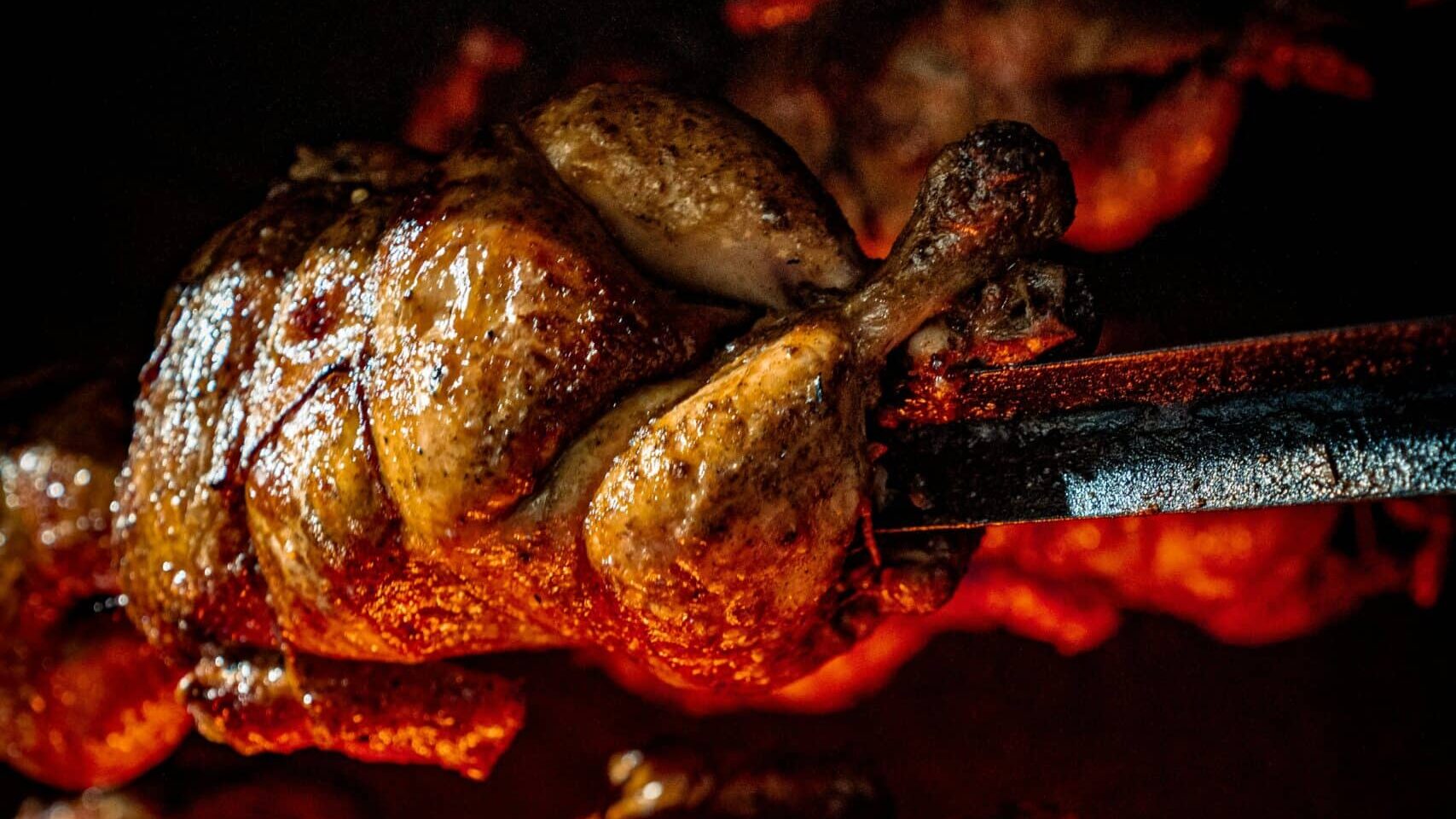
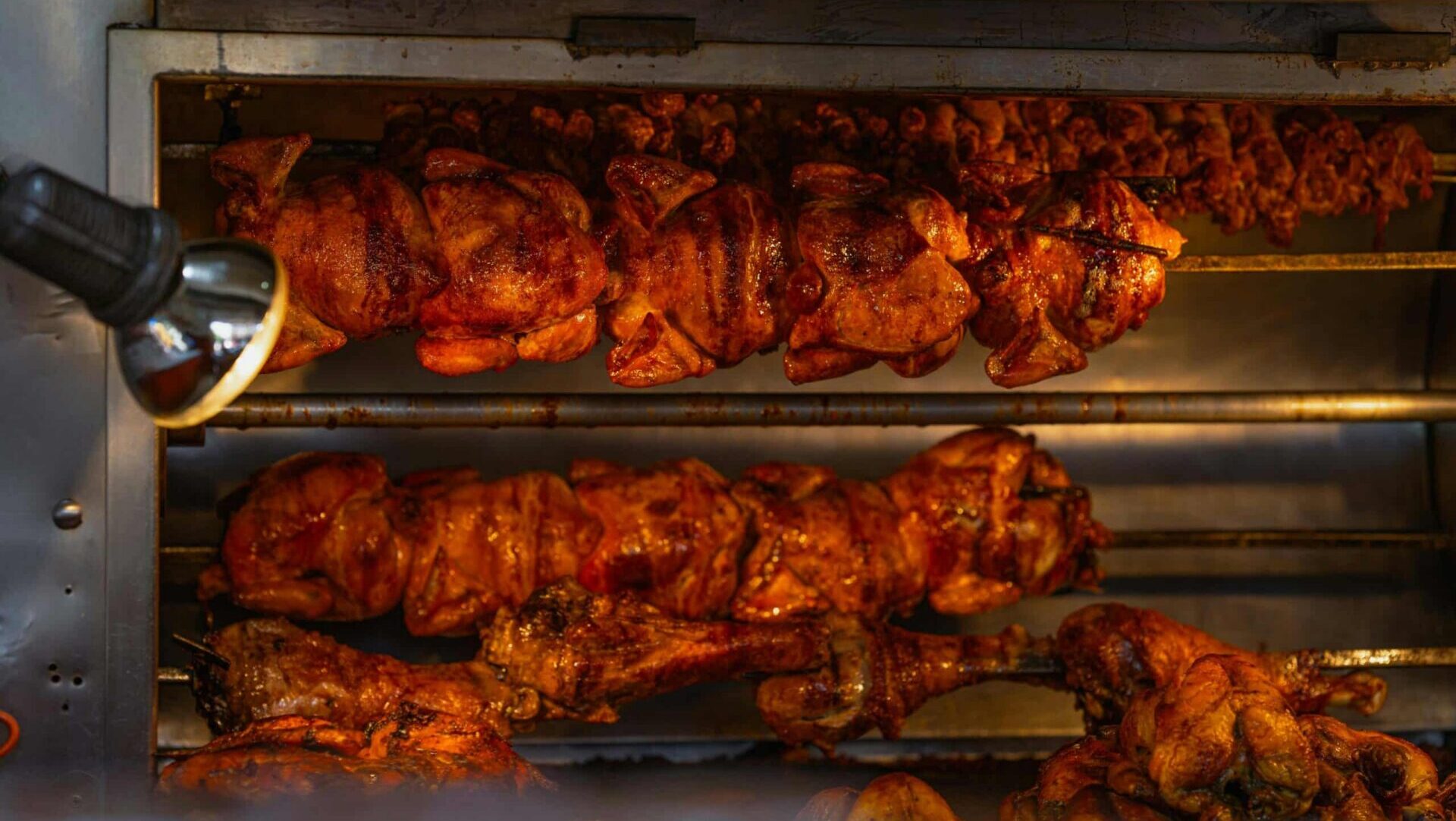
Costco’s Kirkland Signature rotisserie chicken is one of the retailer’s most iconic products. In 2023 alone, the company sold an estimated 137 million units nationwide. Now, the customer favorite is at the center of a class action lawsuit. Plaintiffs allege the product was falsely advertised as “preservative-free.”
The Lawsuit and Who Filed It

On January 22, attorney Wesley Griffith filed the lawsuit in federal court on behalf of two California consumers. The plaintiffs argue they were misled by Costco’s marketing claims. According to the complaint, the labeling influenced their purchasing decisions. They say they would not have bought the product or would have paid less if fully informed.
The ‘No Preservatives’ Claim Under Scrutiny

The lawsuit centers on Costco’s use of “no preservatives” language in stores and online. Plaintiffs provided photographic evidence showing the claim prominently displayed. They argue this message implied the chicken contained no ingredients that preserve texture, flavor, or shelf life. The case hinges on how a reasonable consumer would interpret that claim.
Two Ingredients at the Center of the Case
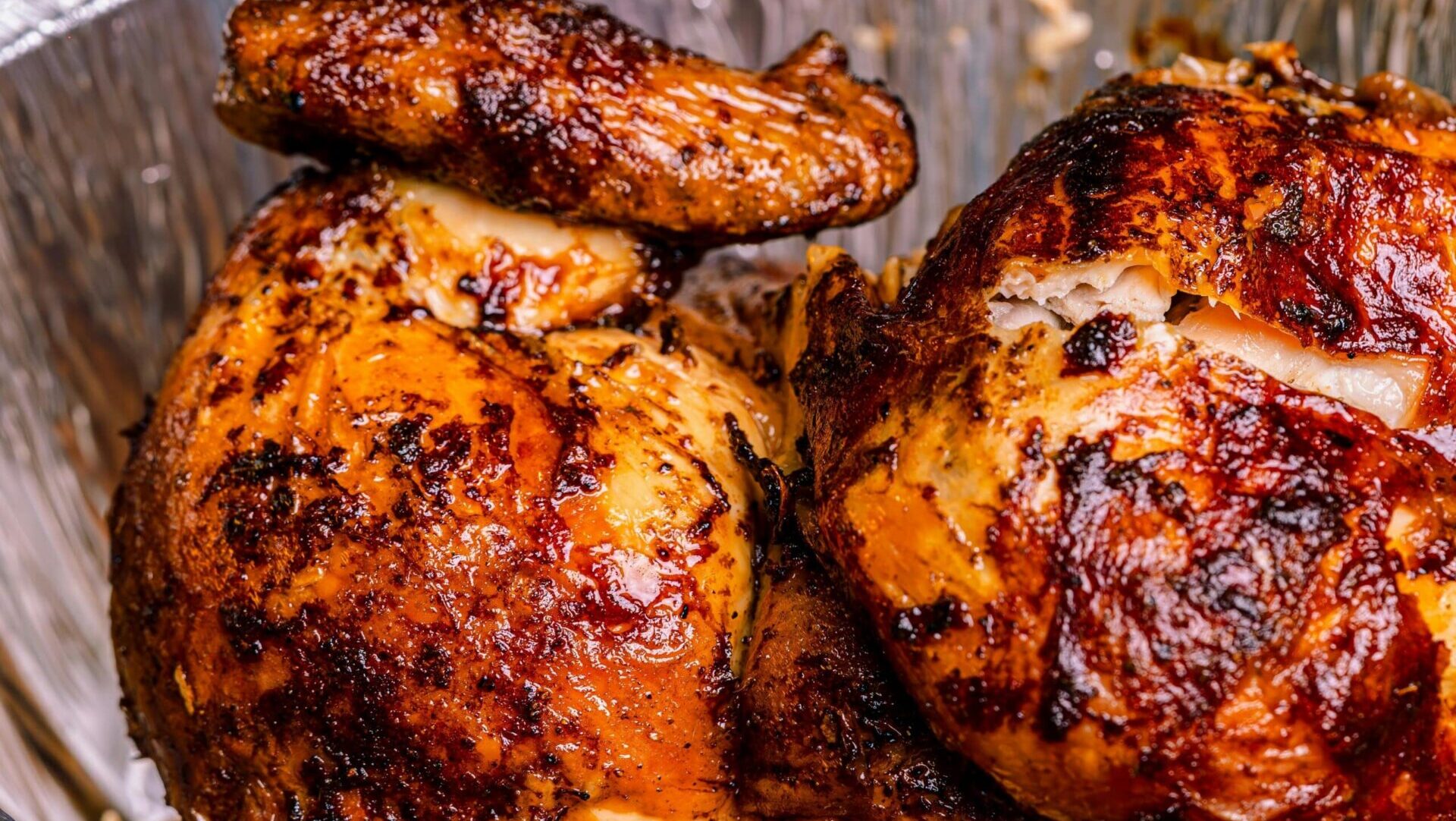
The complaint focuses on sodium phosphate and carrageenan. Plaintiffs argue both additives perform preservative-like functions. According to the filing, their presence directly contradicts the “no preservatives” messaging. Costco does not dispute that the ingredients are used.
What Food Safety Experts Say
Food safety expert Dr. Darin Detwiler says the issue is legally complex. Sodium phosphate is commonly used to retain moisture and stabilize texture, not primarily to preserve food. Carrageenan, derived from red seaweed, is used as a thickener and stabilizer. Neither is classified by the FDA as a preservative.
Regulatory Definitions vs Consumer Perception

The FDA regulates chemical preservatives but does not define the marketing term “preservative-free.” From a regulatory standpoint, products containing these additives may still qualify for that label. However, consumer protection laws focus on perception rather than technical definitions. Courts often examine how ordinary shoppers understand marketing claims.
Claims of Consumer Deception
Plaintiffs argue they relied on the “no preservatives” claim when purchasing the chicken. They say the label suggested the product contained no functional additives. According to the lawsuit, this representation inflated the product’s value. The case alleges consumers paid more based on misleading information.
Laws Invoked in the Case

The lawsuit cites multiple consumer protection statutes. These include California’s Consumers Legal Remedies Act and False Advertising Law. Washington’s Consumer Protection Act is also referenced. Such laws are designed to prevent deceptive or unfair business practices.
Costco Responds and Makes Changes
Costco confirmed it has removed references to preservatives from its signage and website. A spokesperson said the change was made to ensure consistency across labeling. The company maintains that both sodium phosphate and carrageenan are approved food additives. Costco emphasized they are used for moisture retention, texture, and consistency.
What the Case Could Mean for Food Labeling
The lawsuit highlights growing tension between marketing language and consumer expectations. Even legally compliant labels can face challenges if shoppers feel misled. The case may influence how retailers phrase ingredient claims moving forward. At its core, the dispute asks whether “preservative-free” means regulatory accuracy or consumer understanding.