Cracker Barrel’s Latest Policy Change Has Customers Talking
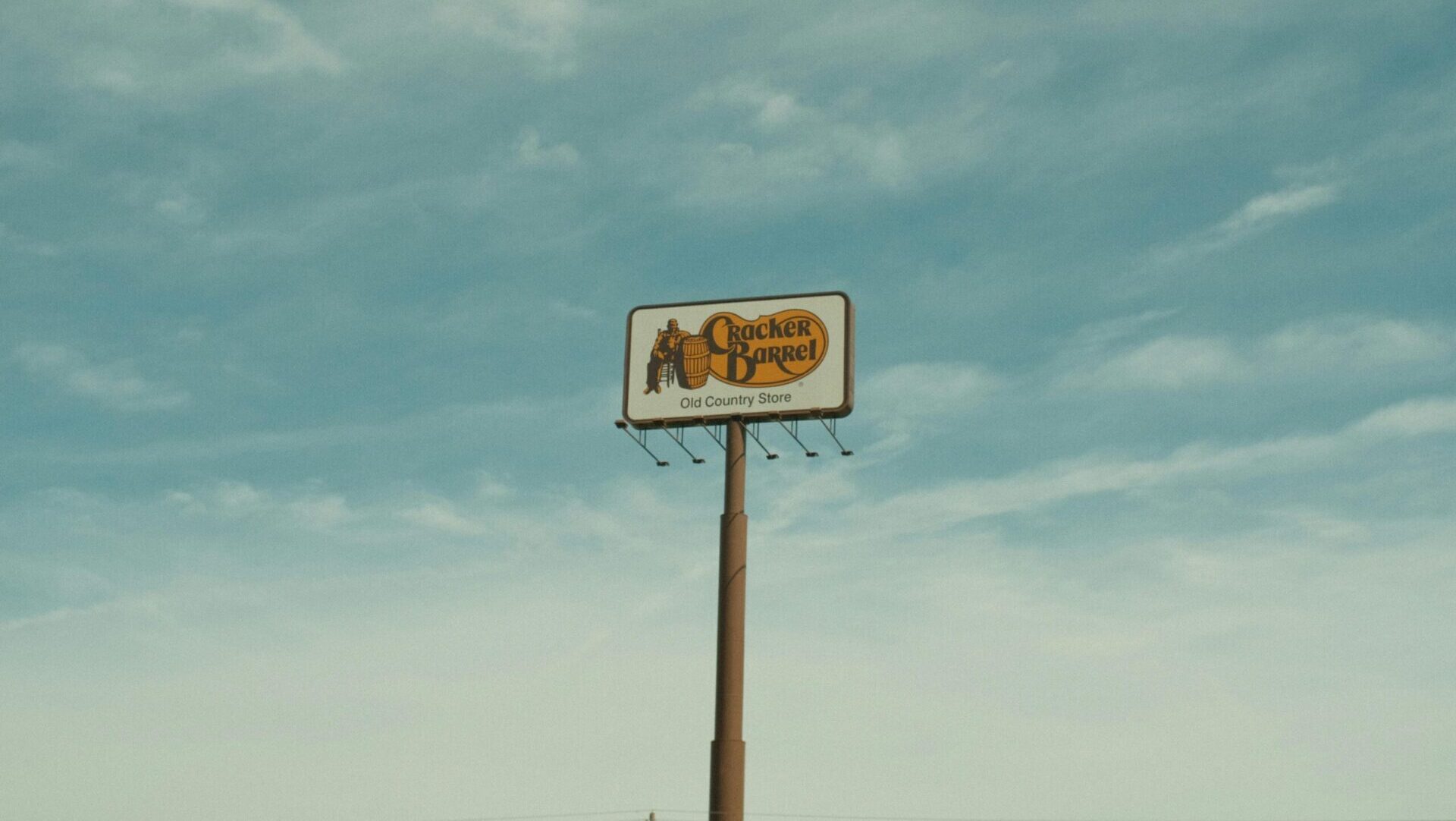

Cracker Barrel has long embodied a carefully curated vision of Southern nostalgia, blending comfort food, country store charm, and a sense of roadside ritual that feels distinctly American. For decades, its brand has thrived on familiarity and tradition, making it more than just a restaurant but a cultural fixture. Yet that deep emotional attachment has also made every corporate shift feel magnified, placing the company repeatedly at the center of public debate.
The Rebrand that Stirred America
In 2025, CEO Julie Masino attempted to modernize the chain with a sleeker logo and refreshed interiors that reduced the prominence of its longtime mascot, Uncle Herschel. Loyal customers reacted swiftly, arguing that the redesign stripped away the very nostalgia that defined the brand. Social media backlash intensified, and critics framed the change as an abandonment of identity rather than an evolution.
A Rapid Reversal
Facing mounting criticism and reports of significant market value loss, the company quickly restored its classic Old Timer logo and returned to its traditional aesthetic. Handmade biscuits were reinstated in test locations, and ties were cut with the marketing firm behind the controversial redesign. The episode underscored how deeply customers associate the brand with consistency and heritage.
A Leaked Memo Sparks Fresh Debate
In 2026, a report by The Wall Street Journal revealed internal guidance instructing employees traveling for business to dine at Cracker Barrel whenever practical when using company cards. The memo also restricted alcohol reimbursement without special approval, prompting conversations about corporate oversight and brand loyalty. Though framed as standard policy reinforcement, the leak reignited national attention.
Clarifying the Company’s Position
A spokesperson emphasized that the dining guidance was not new and did not prohibit employees from eating elsewhere when necessary. The update, they explained, aimed to streamline expense policies and limit alcohol reimbursements rather than impose strict controls. Still, the optics of directing staff to patronize their own brand fueled public curiosity and commentary.
Political Voices Enter the Conversation
During last year’s rebrand controversy, Donald Trump publicly urged the company to prioritize profitability and customer satisfaction, amplifying the cultural weight of the dispute. What began as a branding adjustment evolved into a broader debate about tradition, modernization, and corporate identity. The swift reversal demonstrated how public opinion can shape executive decisions in real time.
Doubling Down on Nostalgia
After retreating from the redesign, Cracker Barrel leaned heavily into its nostalgic identity, emphasizing classic décor, familiar menu staples, and marketing centered on shared traditions. Rather than pursuing contemporary minimalism, the chain reaffirmed its commitment to the comforting aesthetic that built its reputation. The strategy signaled that heritage remains its most powerful asset.
Aligning with America250
The company further reinforced its traditional image by partnering with America250 to commemorate the nation’s 250th anniversary. Through themed events, limited time offerings, and family-focused experiences, Cracker Barrel positioned itself as a gathering place rooted in shared history. The collaboration reflects its broader effort to align brand identity with national nostalgia.
Corporate Loyalty or Overreach
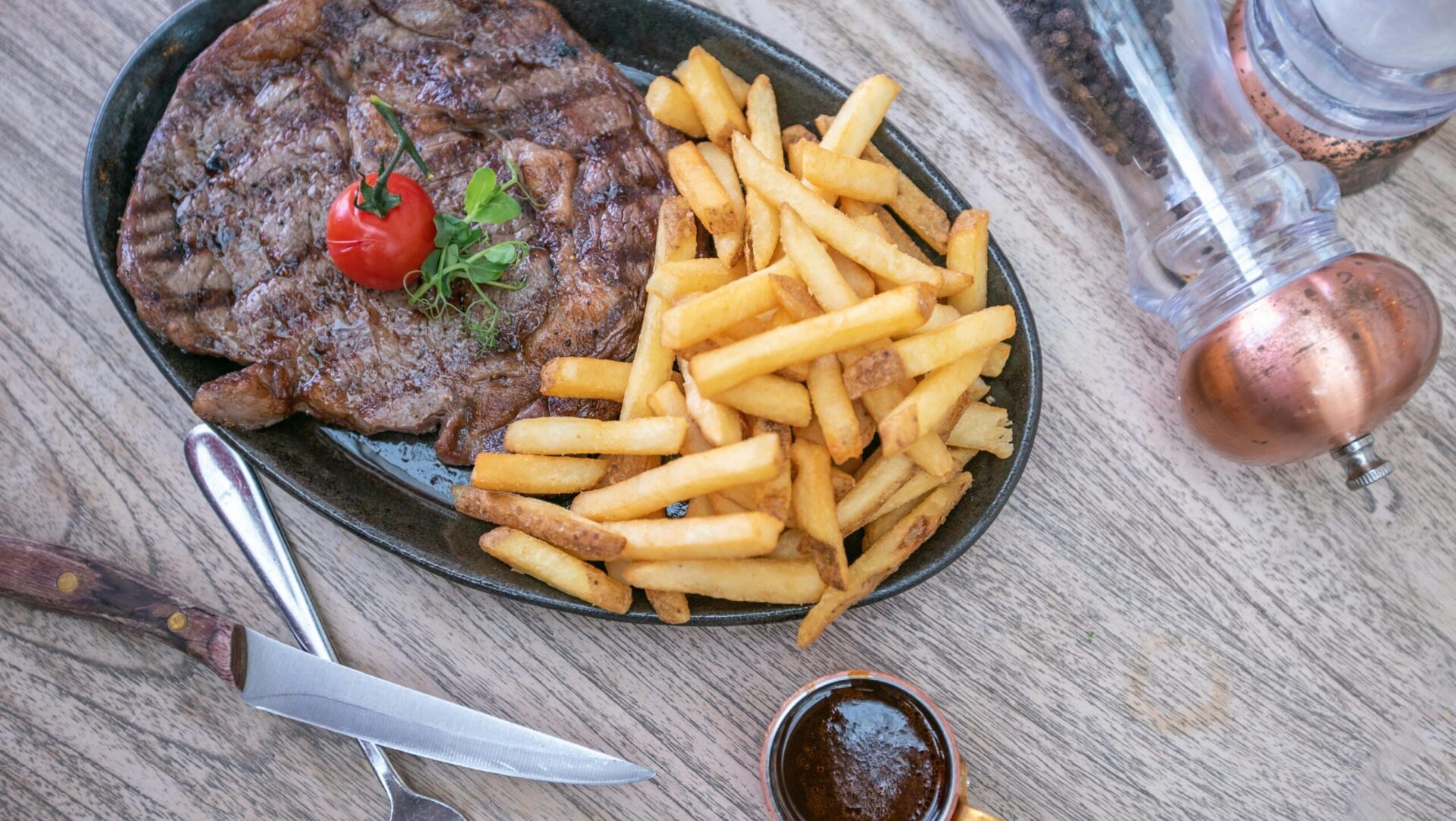
The updated dining guidance raises larger questions about corporate alignment and autonomy. Supporters argue that encouraging employees to dine at company locations reinforces brand familiarity and internal culture. Critics suggest that even subtle directives can blur the line between loyalty and personal choice. The discussion mirrors wider conversations about workplace expectations in modern corporations.
Conclusion: Tradition as Strategy
Cracker Barrel’s recent controversies reveal a company acutely aware of the delicate balance between innovation and tradition. From logo redesign backlash to internal dining policies, each episode underscores how fiercely customers protect the brand’s nostalgic identity. In an era of rapid change, Cracker Barrel appears to have concluded that its greatest strength lies not in reinvention, but in steadfast familiarity.