Customers Fume as McDonalds “Small Order Fee” Doubles the Price of a Burger
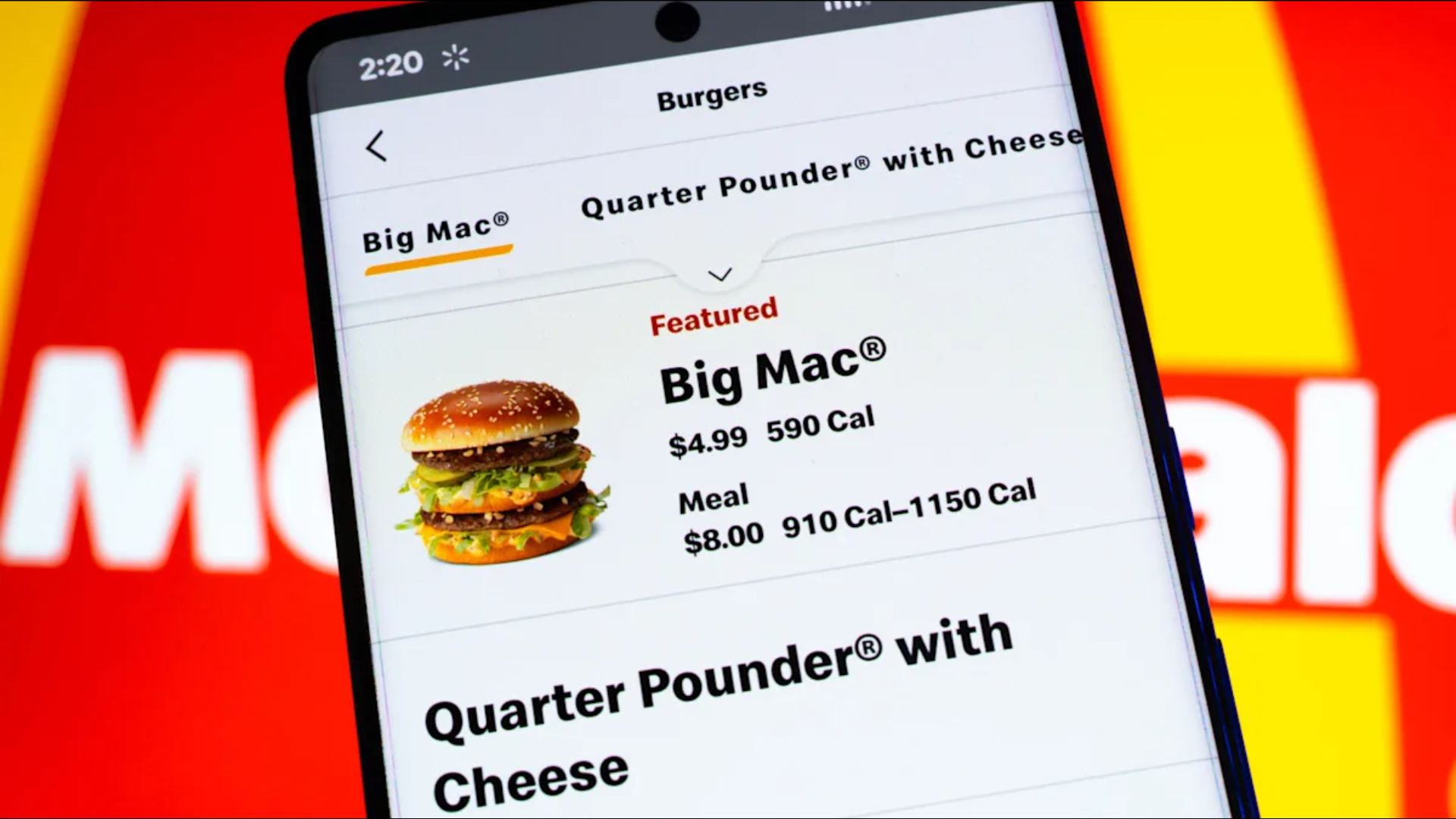

A McDonald’s employee tried ordering delivery using their own staff discount, expecting to save money. Instead, they were hit with a $3.50 charge they had never seen before. A “small order fee” that made the total higher than ordering through DoorDash without any discount at all. When they posted a screenshot online, nearly 1,700 people upvoted it. The comment thread that followed revealed something a lot of customers had quietly been discovering on their own.
What Is the Small Order Fee and Where Did It Come From?
The small order fee is a charge McDonald’s applies to delivery orders when the subtotal falls below a certain threshold. It ranges from $2 to $3.50 depending on location. McDonald’s introduced it in November 2022, initially setting a $12 minimum to avoid it. Today, that threshold appears to sit around $10 at most locations, though the company does not publicly specify the exact amount. The fee only appears on delivery orders, whether placed through the McDonald’s app or third-party platforms like DoorDash and Uber Eats.
The Math That Infuriates Customers
Here’s what the fee actually looks like in practice. A $5.29 McChicken ordered through DoorDash in New York carries a $1.99 delivery fee, a $3 service fee, and a $1.99 local regulatory surcharge. Before tip, that $5.29 sandwich becomes $12.74. Order through the McDonald’s app and a small order fee on top of similar charges can push a single-item order past $15 in total fees. At that point, the cost of delivering a fast food sandwich rivals the price of a sit-down meal somewhere else entirely.
McDonald’s Advice: Just Spend More

When customers ask how to remove the fee, McDonald’s answer is straightforward: add more items. That response has not gone over well. Reddit users mocked it, with one writing that McDonald’s was essentially telling customers they were not spending enough money. The suggestion to buy food you didn’t want in order to avoid a penalty for not buying enough food struck many as a particularly blunt version of a practice that has become common across the food delivery industry. The frustration, though, points to a much bigger pattern.
It’s Not Just McDonald’s, It’s the Whole Delivery Model
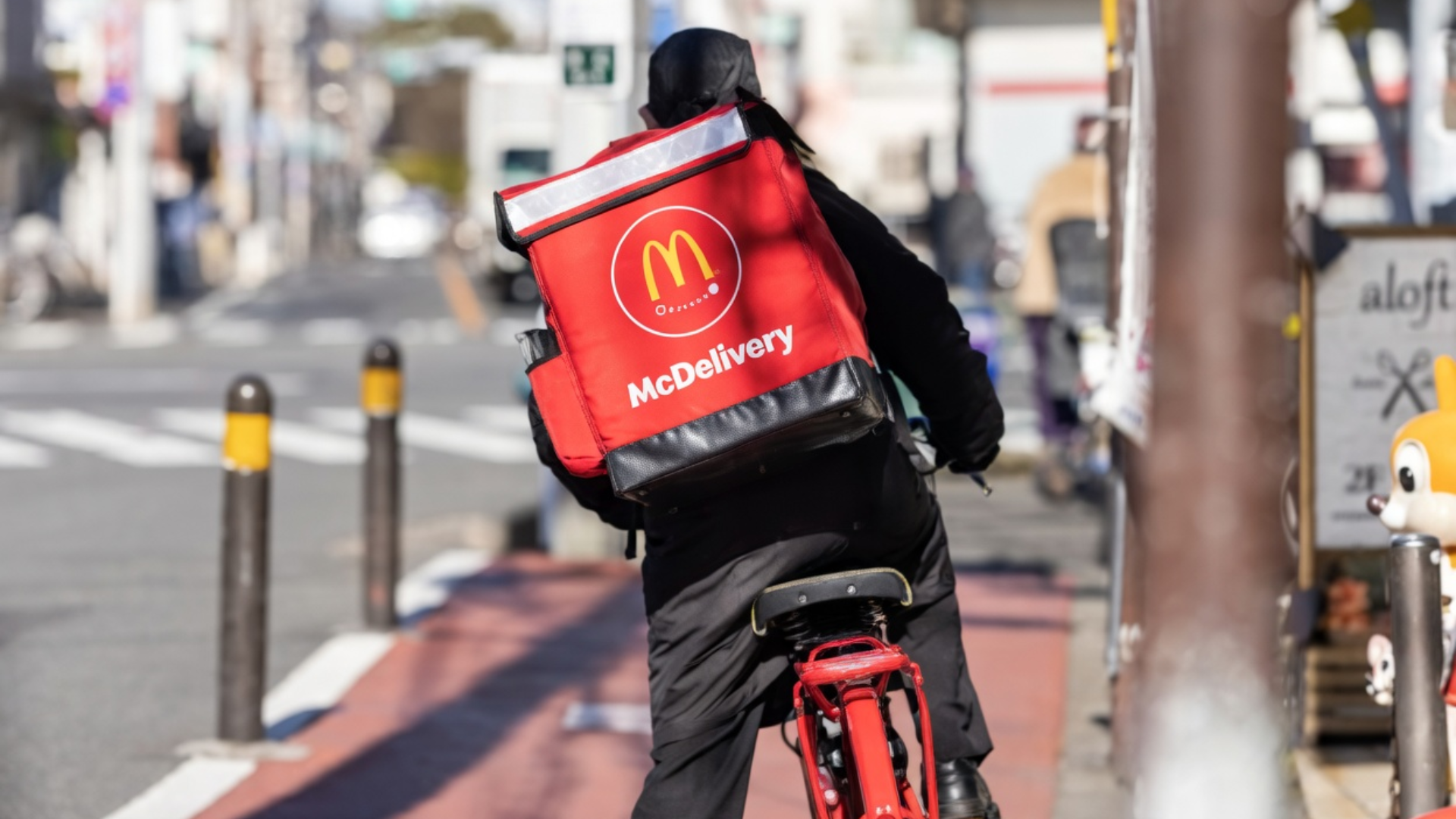
Small order fees are standard practice across the food delivery industry. DoorDash, Uber Eats, and Grubhub all apply similar charges, though the minimums and amounts vary by platform and restaurant. Delivery adds real costs that don’t scale down with a smaller order: a driver’s time, fuel, and vehicle wear remain roughly the same whether someone orders one item or ten. When the order total is too low to generate enough commission revenue, platforms and restaurants pass the shortfall to the customer. The fee is logical in one sense but that doesn’t make the total any easier to swallow.
Menu Prices Are Already Higher Before the Fees Even Start
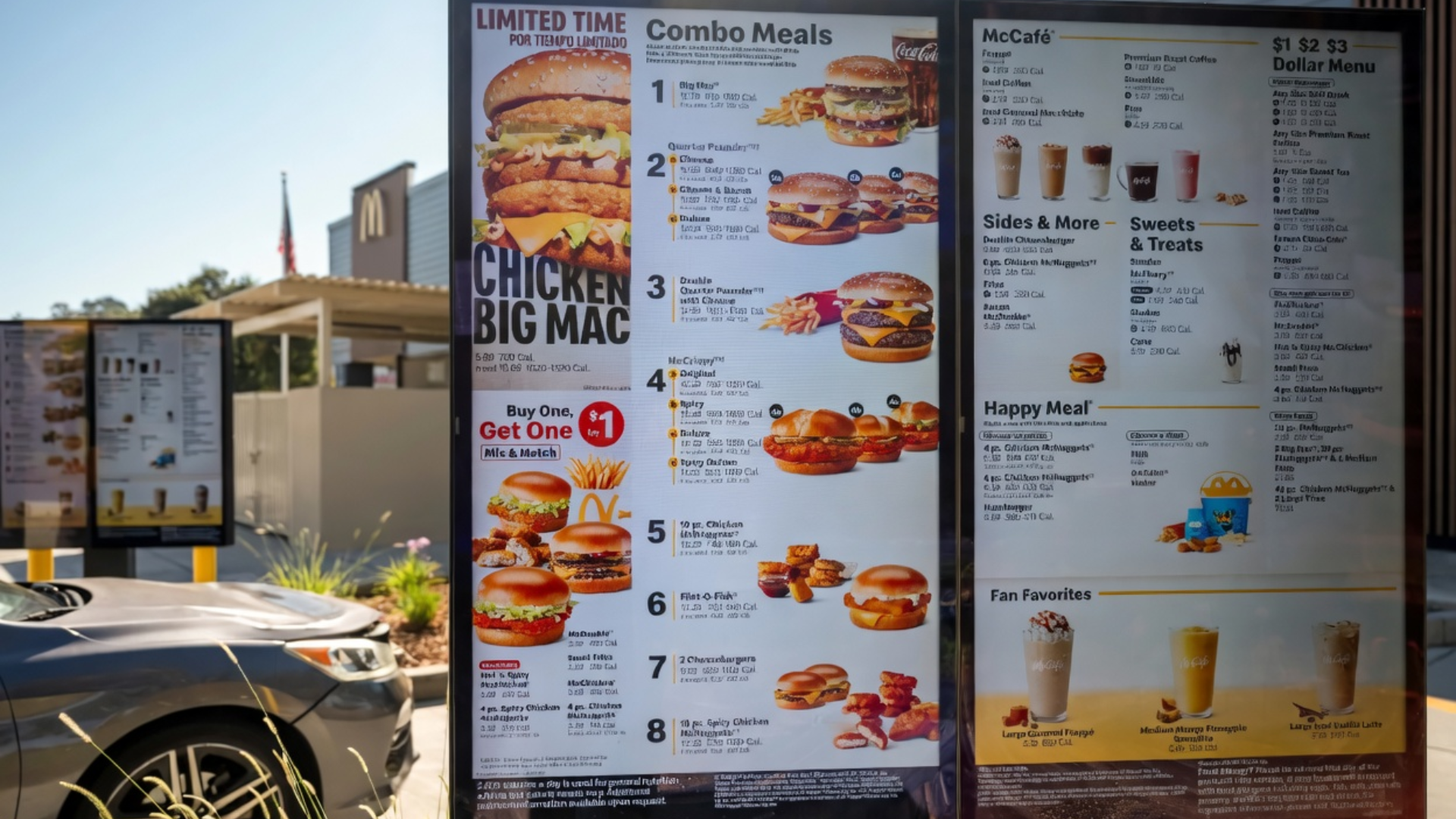
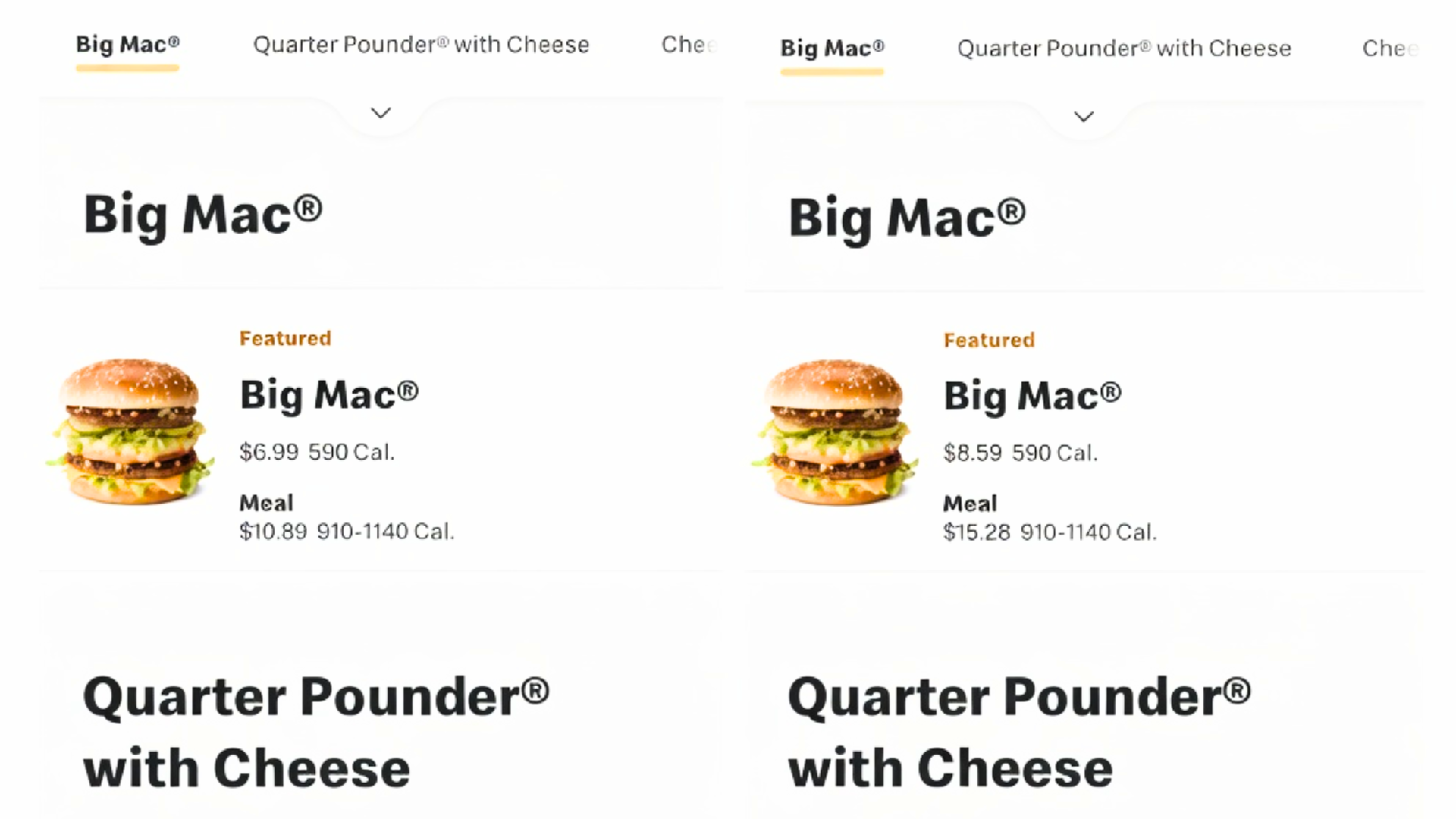
The small order fee is only one layer. Research from delivery cost analysts found that McDonald’s menu items on delivery apps are priced about 23 to 28 percent above in-store prices on average. Delivery apps typically charge restaurants a commission between 15 and 30 percent, and restaurants respond by inflating menu prices to cover it. A customer ordering through an app is often paying a marked-up item price, a delivery fee, a service fee, and potentially a small order fee, all before tipping the driver.
The $18 Big Mac Moment That Started the Backlash
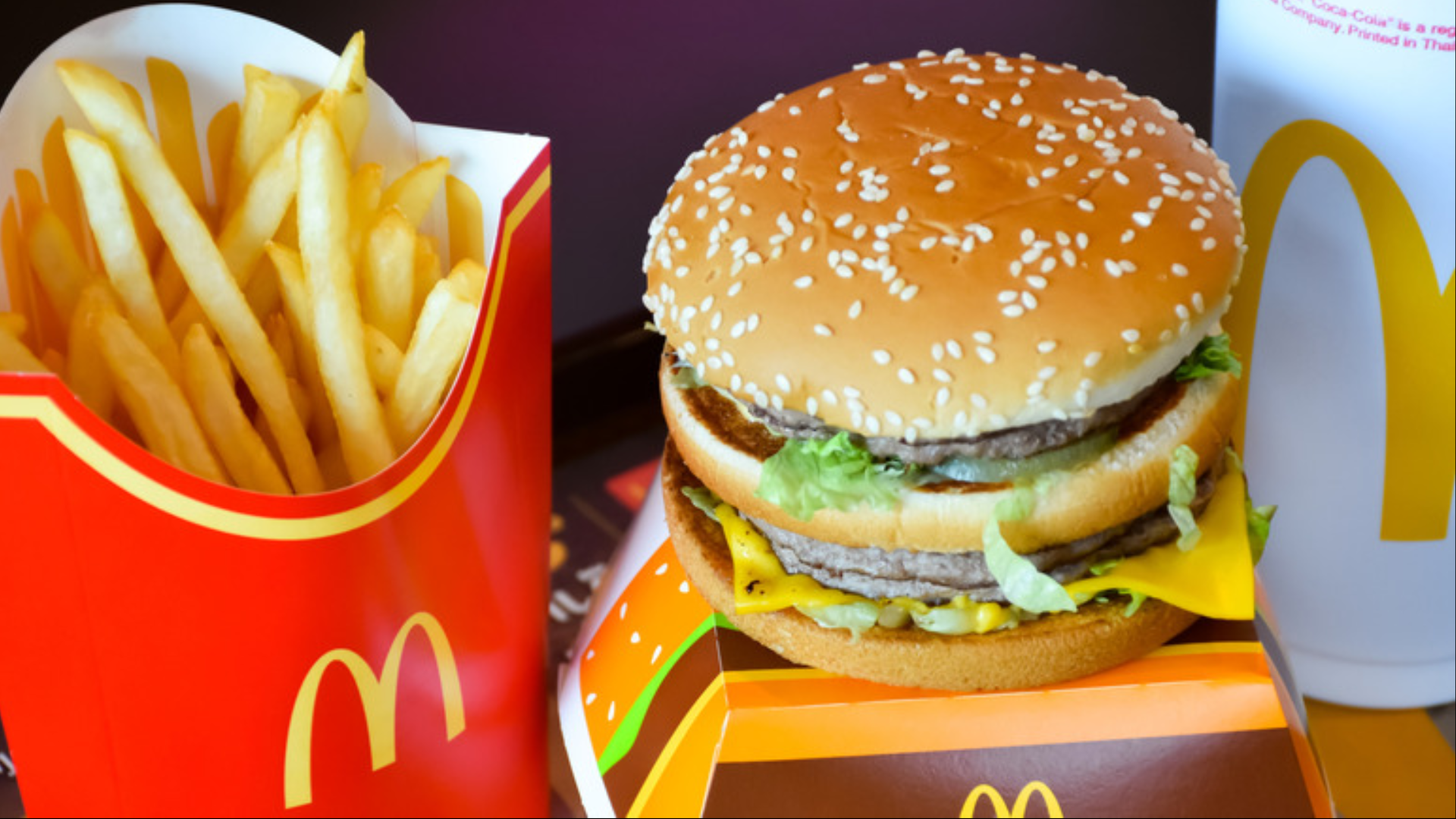
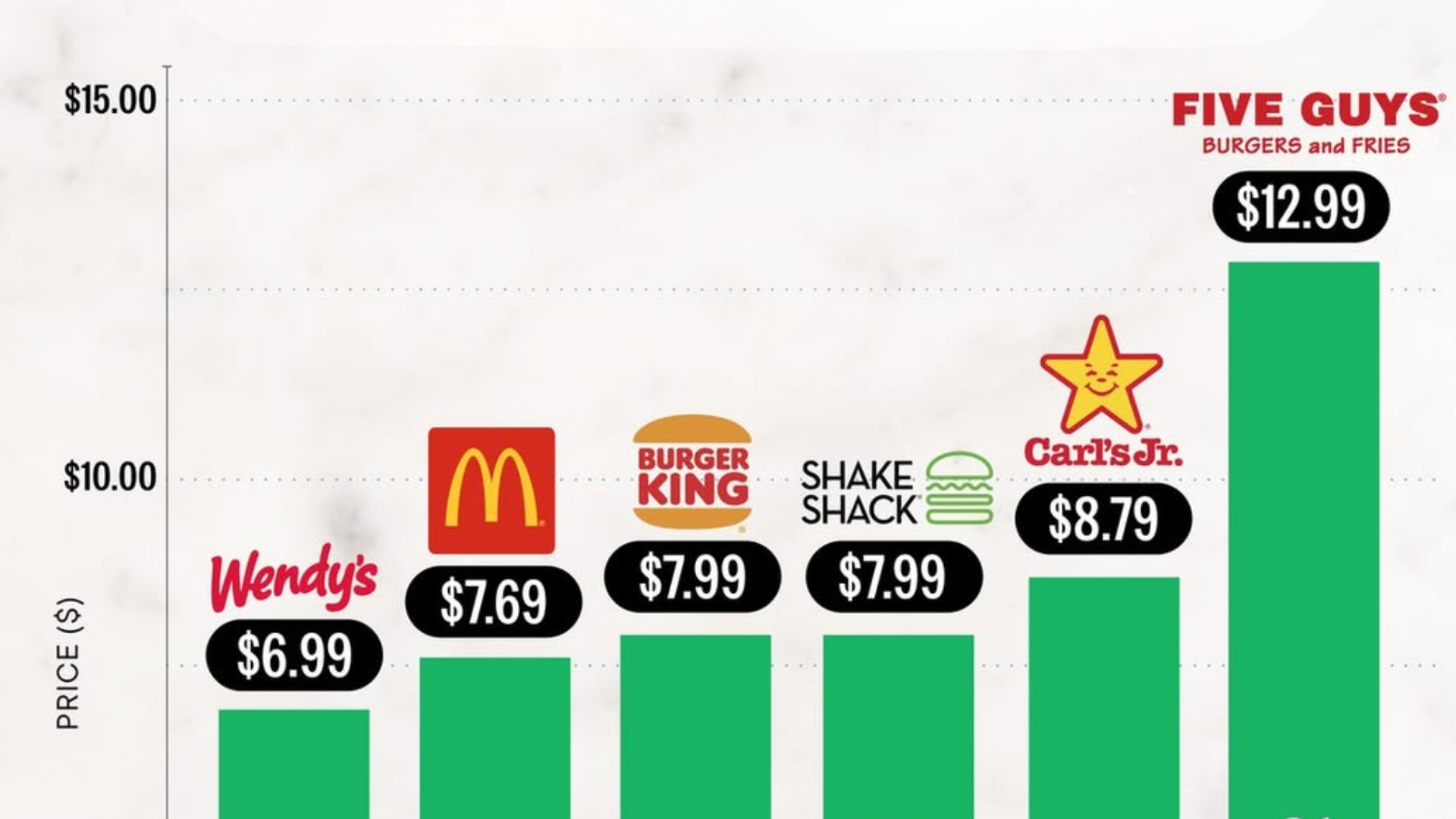
The fee outrage didn’t arrive in isolation. In 2024, a viral social media post showing a Big Mac combo priced at $18 or more became a symbol of post-pandemic fast food inflation. McDonald’s responded that summer by introducing a $5 meal deal and working with franchisees to reduce combo prices. CEO Chris Kempczinski told investors the chain would not be beaten on value. The value menu helped, but it didn’t fully reverse the damage to McDonald’s image as an affordable option especially for customers ordering from home.
AI Chatbots, Doorbell Cameras, and the Transparency Gap

There’s an irony in how customers are discovering these fees. Many only find out about charges like the small order fee at checkout, after they’ve already committed to an order. Meanwhile, platforms defend their approach: a DoorDash spokesperson said all fees are disclosed before checkout, with no hidden charges. What the disclosures don’t always make clear is how quickly fees compound on a small order. As one customer on Reddit wrote, paying $10 in fees on an $11 order isn’t dishonest, it’s just absurd.
McDonald’s Is Still Trying to Win You Back
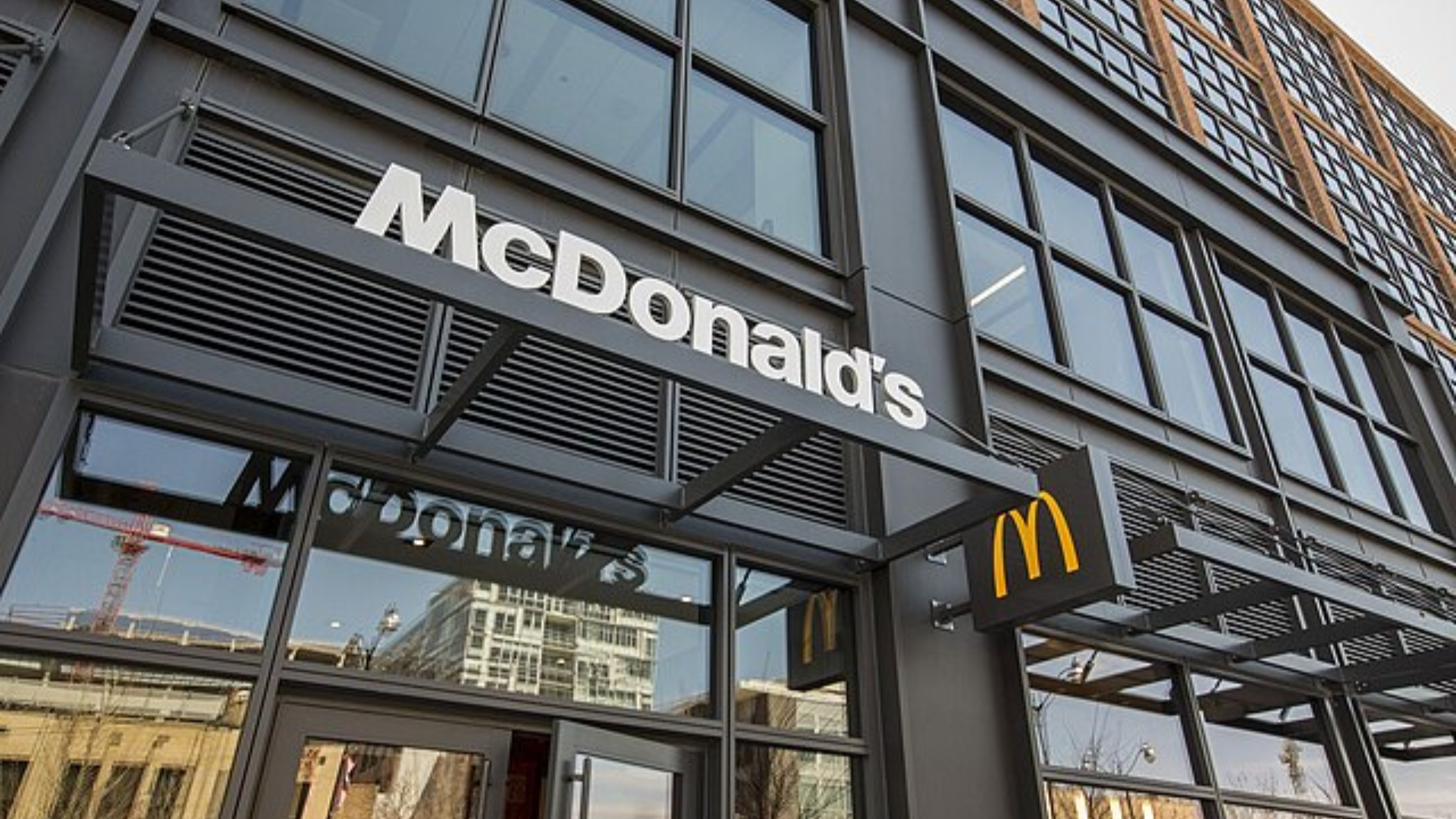
Despite the fee friction, McDonald’s is actively investing in its menu. In 2026, the chain launched what it calls its biggest-ever burger in the US: the Big Arch, featuring three slices of processed white cheese, crispy onions, pickles, lettuce, and a new tangy sauce on a sesame-poppy seed bun. It also recently announced ten menu items under $3, set to launch later in April. The push reflects a real tension inside the brand: McDonald’s wants to be seen as affordable while also charging fees that make a single-item delivery order cost three times the sticker price.
The Convenience Tax You Pay Every Time You Don’t Pick It Up

The small order fee is not illegal, hidden, or even unusual. But it represents something real: the rising cost of not wanting to leave your house. For customers ordering a single item because they’re disabled, short on time, or simply don’t want more food, the fee punishes exactly the people delivery is supposed to serve. As fast food prices continue to be scrutinized and delivery apps look for new revenue, the question worth asking isn’t whether these fees are disclosed. It’s whether the convenience is still worth it.