Dairy Queen’s AI Drive-Thru Faces Backlash From Angry Customers
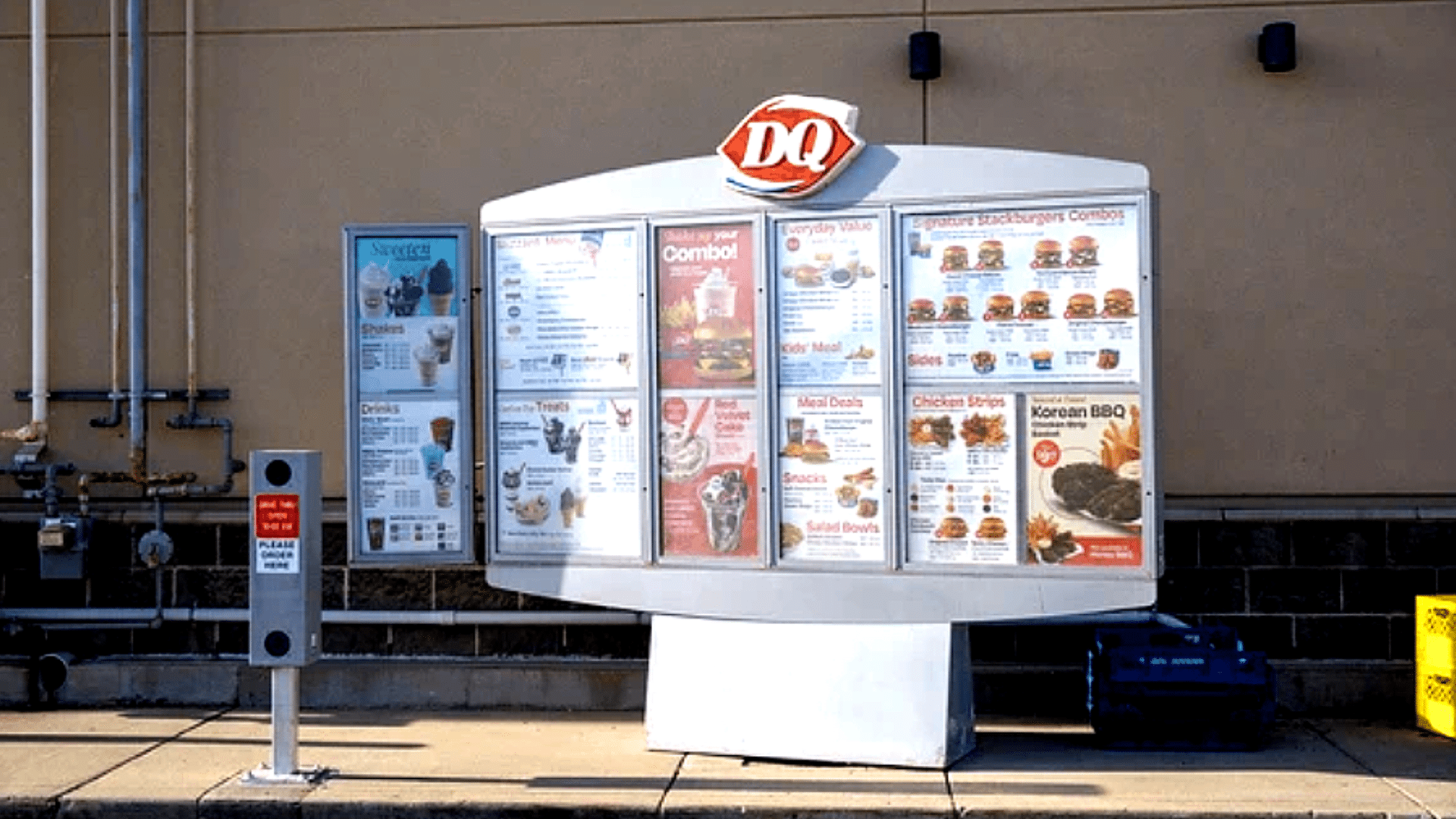

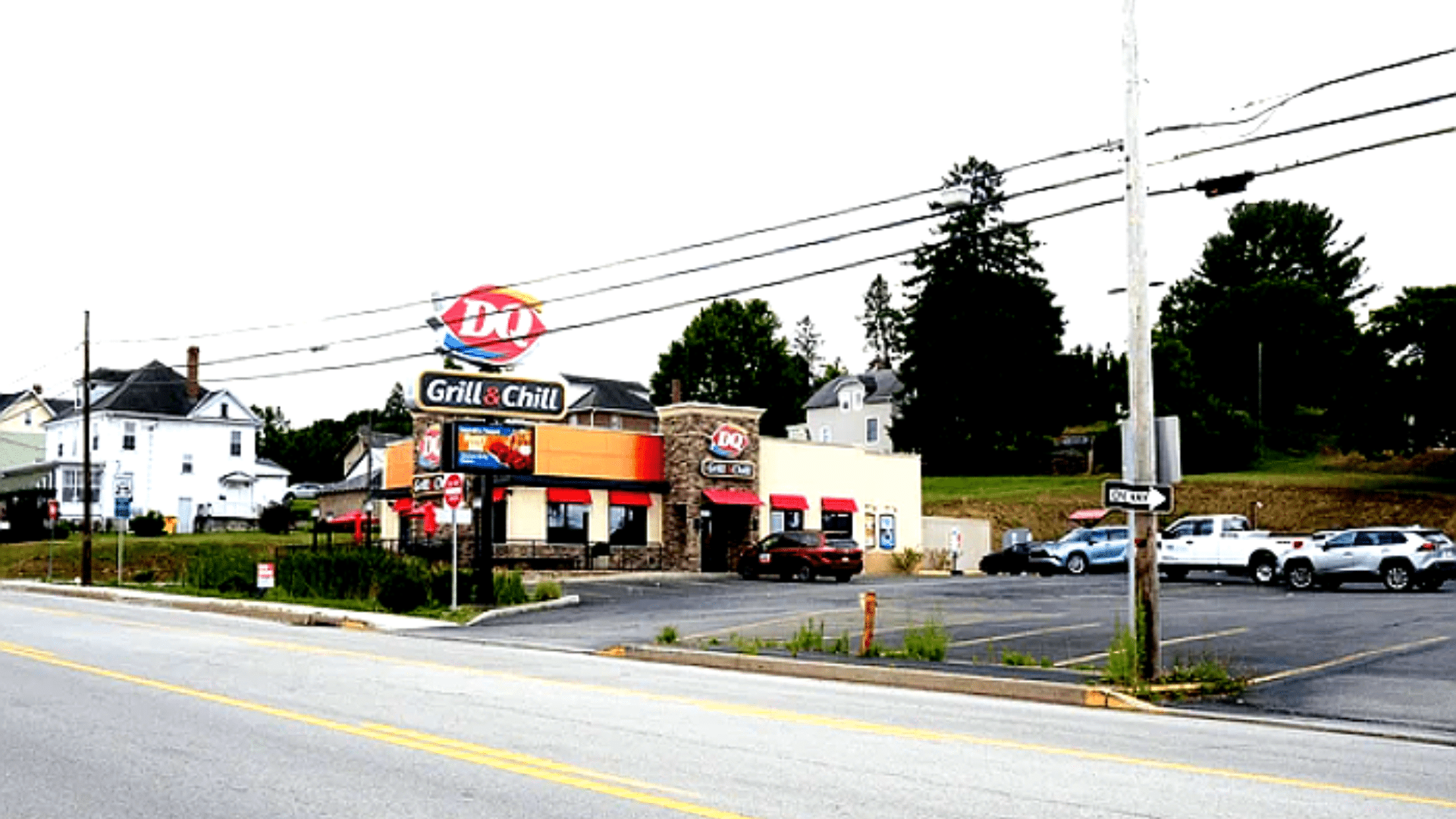
Ordering a Blizzard at Dairy Queen may never feel the same again. The beloved ice cream chain is expanding AI-powered voice ordering across its drive-thrus nationwide, replacing human staff at the speaker with an automated system built by Silicon Valley company Presto. The rollout covers “several dozen” locations out of roughly 3,000 Dairy Queen drive-thrus across the U.S. But as the machines move in, a growing number of customers are pushing back, loudly.
According to Restaurant Dive, a Presto spokesperson confirmed the expansion will reach at least 25 franchisees across at least 25 U.S. states and Canadian provinces, with an eventual goal of deploying the technology across substantially all 3,000 of Dairy Queen’s U.S. and Canadian drive-thrus. The rollout is being phased, beginning during ice cream season. For Dairy Queen, the timing is deliberate. For customers, the change is already generating friction.
According to Fox News, reactions on social media have ranged from frustration to cautious acceptance, with one Reddit user writing: “I hate fast-food AI in general. 9 out of 10 times the employees need to take over anyway.” Others said they simply prefer talking to a person when placing their order. The complaints are specific, the frustration is real, and the debate this rollout has sparked goes far beyond ice cream.
What Dairy Queen’s Deal with Presto Actually Promises
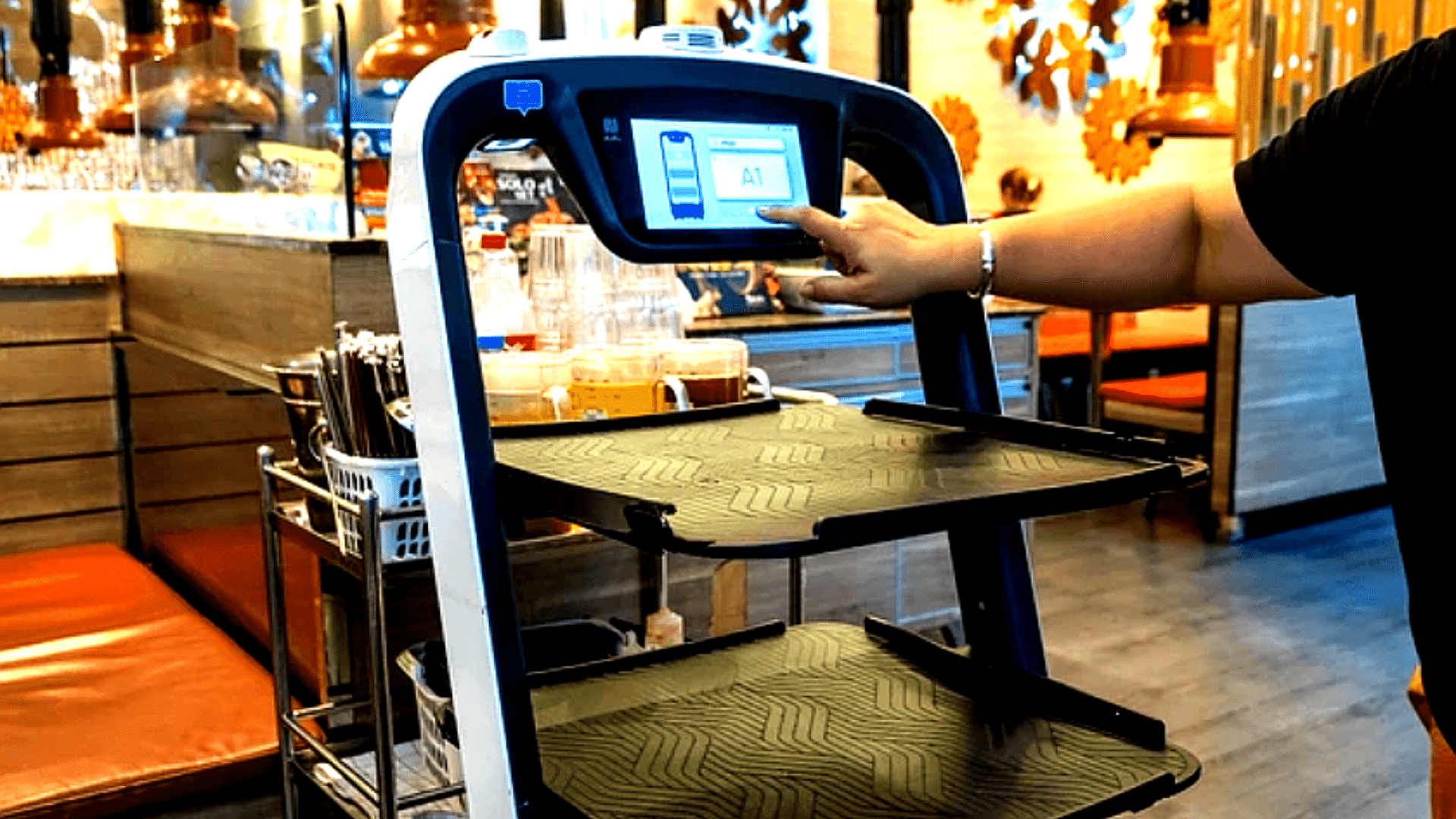
According to NewsNation, Kevin Baartman, executive vice president of IT at Dairy Queen, said the AI system allows staff to “focus on high-value tasks that ultimately benefit our fans, with a friendly experience, and high order accuracy.” The company framed the technology not as a replacement for workers, but as a tool to free them up. Though critics argue the line between “assistance” and “replacement” is thinner than companies let on.
Krishna Gupta, CEO of Presto, said in a statement that the company has worked to optimize the “last mile of AI deployment, including complex menu integrations, friendly voices and a smooth human-AI waltz that just works.” A Presto spokesperson told The Wall Street Journal the system can accurately process about 90% of orders. That figure sounds reassuring, but it also means 1 in 10 orders still requires a human to step in. At a busy drive-thru, that adds up fast.
According to Restaurant Technology News, Presto’s system is also designed to increase the average check size through consistent upselling, something human employees tend to do inconsistently. For operators, even modest increases in ticket size can have a significant financial impact at scale in a high-volume channel like the drive-thru. In other words, the AI is not just taking orders. It is also quietly selling more of them.
The Hidden Complications Behind the AI Curtain
A 2023 Bloomberg investigation found that Presto’s so-called AI drive-thrus were being monitored and assisted by human workers in countries like the Philippines, stepping in when the technology struggled with accents, background noise, or complicated customizations. Presto has maintained that human assistance is part of the training process and that the AI handles most interactions independently. But the revelation raised an uncomfortable question: when customers think they are talking to a machine, are they always right?
Early adopters of drive-thru AI have reported mixed experiences, according to TechBuzz AI. Some praised the speed and accuracy, while others complained about robotic voices, awkward pauses, and systems that struggle with menu substitutions or dietary restrictions. These are not minor inconveniences at a drive-thru window. For customers with food allergies or specific needs, an AI that misses a modification is not just annoying. Well, it can be a real problem.
According to MobileSyrup, AI drive-thru failures at other chains have included a McDonald’s system that gave out hundreds of dollars’ worth of unwanted chicken nuggets, and a Taco Bell system that was manipulated by a customer requesting 18,000 cups of water. These incidents illustrate that the technology, while promising, is still vulnerable to edge cases that human workers handle naturally. And as Dairy Queen scales up, those edges will be tested by millions of customers.
What Customers Actually Want
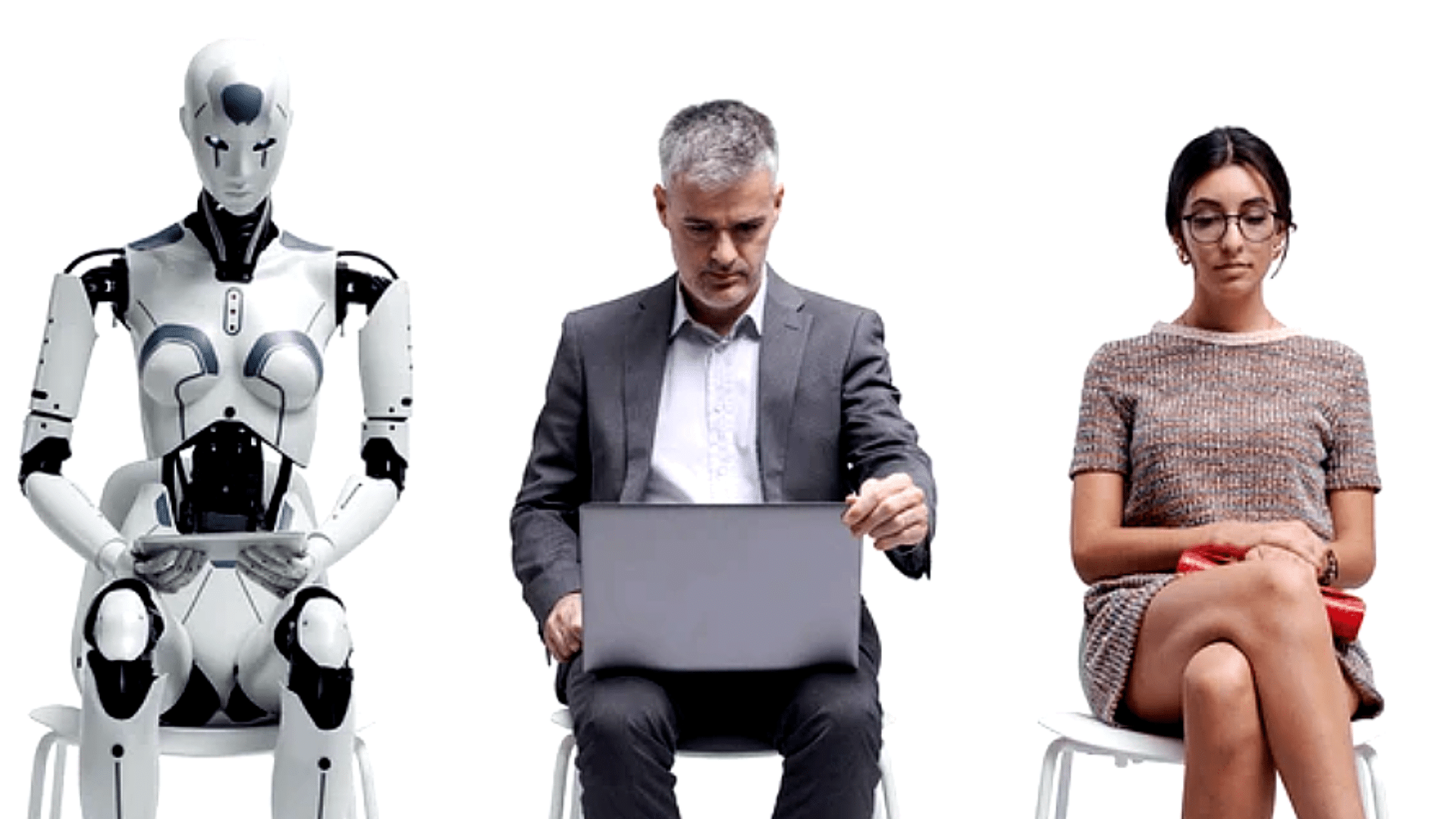
A January 2025 YouGov survey found that 55% of respondents said they would prefer a human to take their drive-thru order, compared with just 4% who preferred an AI chatbot. Even among customers who had already used an AI drive-thru, only 14% said they would choose it over a person. Those numbers paint a clear picture of where most customers stand. The appetite for automated ordering, at least right now, belongs overwhelmingly to the companies building it, not the people using it.
Industry analysts estimate the drive-thru automation market could reach $1.5 billion by 2028, as chains race to deploy AI technology. Presto, which went public via SPAC in 2022, is already operating voice AI at Carl’s Jr., Hardee’s, Taco John’s, and Fazoli’s, positioning itself as the dominant player in fast-food automation before competitors can make serious inroads. The economics driving this push are powerful and largely invisible to the customer at the speaker. Labor costs are rising. Margins are tight. AI, for operators, is math.
The backlash at Dairy Queen is real, but it may also be familiar. Customers resisted ATMs, self-checkout lanes, and online ticketing, until they didn’t. The question worth sitting with is not whether AI drive-thrus will become standard. At the pace chains are moving, that outcome looks likely. The more urgent question is what gets lost in the transaction when the voice on the other side of the speaker has no stakes in getting it right, no bad days, and no reason to care whether you come back.

