‘Deadly’ Mushroom Poisoning in California Leaves Four Dead, Three Needing Liver Transplants
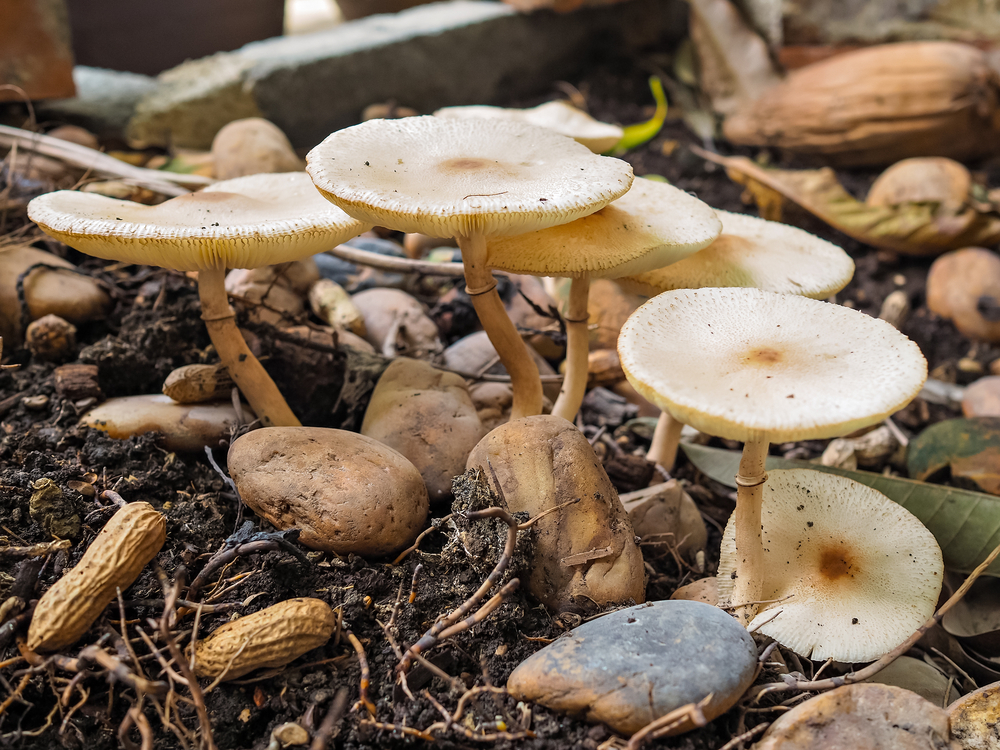

A rainy winter in California has triggered an unusual and dangerous surge in toxic mushroom growth. Health officials say the spike has led to a statewide outbreak of amatoxin poisoning tied to death cap mushrooms, one of the most lethal fungi in the world.
According to the California Department of Public Health, 35 hospitalized cases were reported between November 18 and January 6, including three adult deaths and three liver transplants. Sacramento County Public Health confirmed four cases locally and described the situation as part of an “unprecedented statewide outbreak”.
The department later confirmed that the toll has risen to four deaths and three liver transplants as the outbreak continued. Officials attribute the surge to early rains and warm fall temperatures that created what experts described as a “super bloom” of death cap mushrooms.
Why Death Caps Are So Dangerous
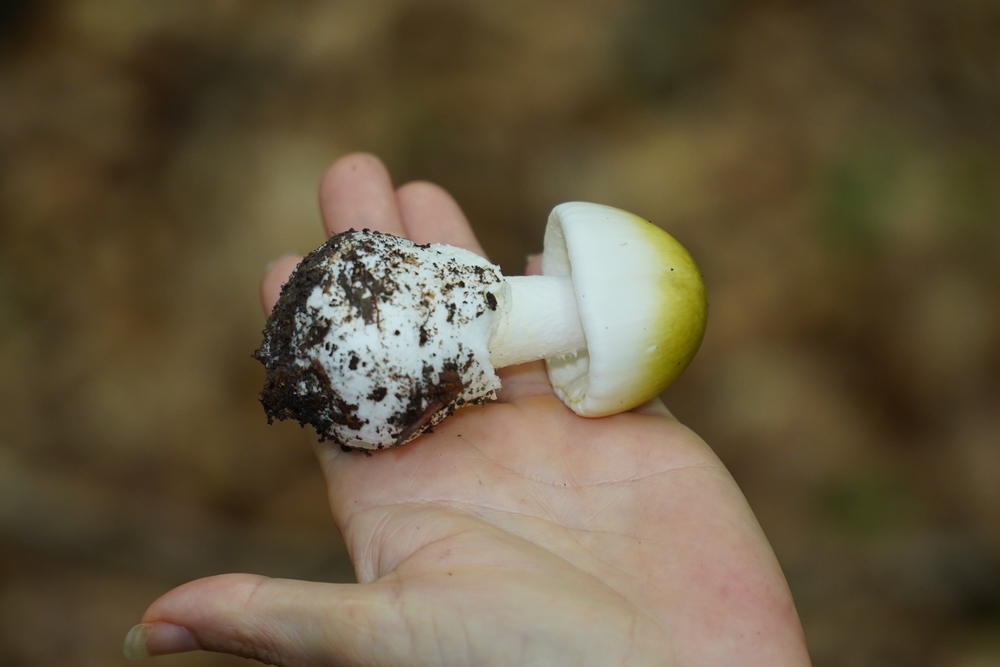
Death cap mushrooms, known scientifically as Amanita phalloides, contain amatoxins that attack the liver. The California Department of Public Health warned that even a small amount can cause severe liver injury. Cooking, freezing, boiling, or drying does not reduce their toxicity.
Dr. Craig Smollin, medical director for the San Francisco Division of the California Poison Control System, told the Associated Press that the number of poisonings this season stands out. “The main thing this year is just the magnitude,” he said. “Having almost 40 is very unusual”.
The mushrooms often grow under oak trees and in urban parks. They can resemble edible varieties from other countries, making identification difficult. The BC Centre for Disease Control notes that death caps closely resemble certain edible mushrooms and change appearance as they mature. Experts consistently stress that visual cues alone are unreliable.
Symptoms That Deceive

One of the most dangerous aspects of death cap poisoning is how symptoms unfold. According to Sacramento County Public Health, initial symptoms include watery diarrhea, nausea, vomiting, abdominal pain, and dehydration within six to 24 hours after ingestion.
Those symptoms often subside within a day. That brief period of improvement can create a false sense of recovery. Health officials warn that serious liver damage may still develop within 48 to 96 hours after ingestion. In some cases, kidney damage follows.
Many patients this year developed rapidly evolving acute liver injury, with several requiring intensive care. Affected individuals have ranged from 19 months to 67 years old. Spanish was the primary language for more than 60% of those poisoned, prompting the state to expand public health messaging in multiple languages.
Public Health Officials Urge Caution
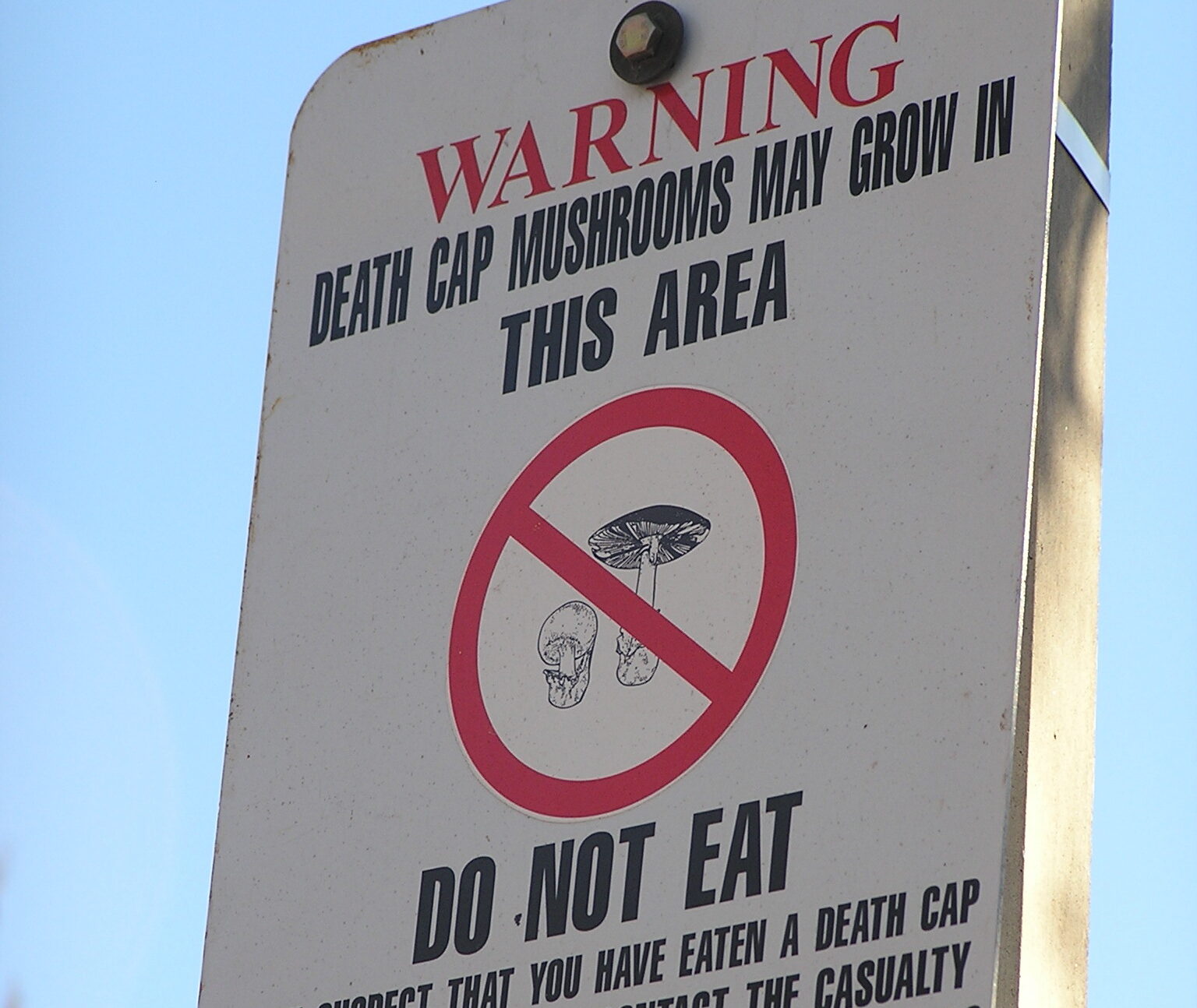
Sacramento County Public Health Officer Dr. Olivia Kasirye urged residents to avoid foraging altogether during this high-risk season. “We understand that people may not realize the risk of mushroom foraging right now, because these mushrooms can closely resemble edible types,” she said in the county’s January statement
State officials echo that guidance. CDPH advises Californians not to pick or eat wild mushrooms and to purchase mushrooms only from trusted retailers. They also recommend keeping children and pets away from wild mushrooms and seeking immediate medical care if ingestion is suspected.
Poison control specialists emphasize speed. Treatment becomes more difficult once symptoms begin. The California Poison Control System can be reached at 1-800-222-1222. With rainfall continuing in parts of the state, officials expect death cap mushrooms to remain present in parks, forests, and residential areas for the remainder of the season.