Debate Grows Over The “Big Food’s” Role in Children’s Health Crisis


Bright packaging, cartoon mascots, and “fun-sized” portions might look harmless, but behind them, a deeper debate is intensifying about what children are really consuming. Across the world, researchers, doctors, and policymakers are increasingly questioning whether the modern food system—dominated by large corporations—is quietly reshaping children’s health in ways that are hard to reverse.
The Hidden Influence of Advertising on Young Diets

Children’s food choices are not made in a vacuum, and advertising plays a powerful role in shaping them. Research shows that kids who watch more television ads tend to consume more sugar-sweetened drinks and energy-dense foods, even when they don’t initially prefer them. In fact, about 80% of children ask for products they see advertised, and those whose parents give in more often tend to have diets higher in sugar and fat and are more likely to become overweight.
Why Processed Foods Dominate The Market

The modern food industry is built around products that can be mass-produced, stored for long periods, and marketed globally. Unlike fresh foods, ultra-processed products are easier to brand and distribute because they rely on stable ingredients like sugar, oils, and refined grains. Whole foods like vegetables simply do not offer the same commercial advantages, making them far less visible in advertising and retail spaces.
The Science Behind Ultra-Processed Foods and Health Risks

Ultra-processed foods are typically high in sugar, salt, and unhealthy fats while lacking essential nutrients and fiber. According to a UNICEF-backed review, these foods are energy-dense and designed to be highly palatable, encouraging overconsumption while providing limited nutritional value. Over time, this pattern contributes to poor diet quality, metabolic disruptions, and increased risk of obesity and chronic disease in children.
A Global Surge in Childhood Obesity

The shift toward processed diets is showing up in global health data. Between 2000 and 2022, the number of children and adolescents with overweight or obesity nearly doubled, rising from 194 million to 391 million. For the first time, obesity now surpasses underweight globally among school-age children, marking a major turning point in public health trends.
Sugar, Behavior, and The Question of Choice
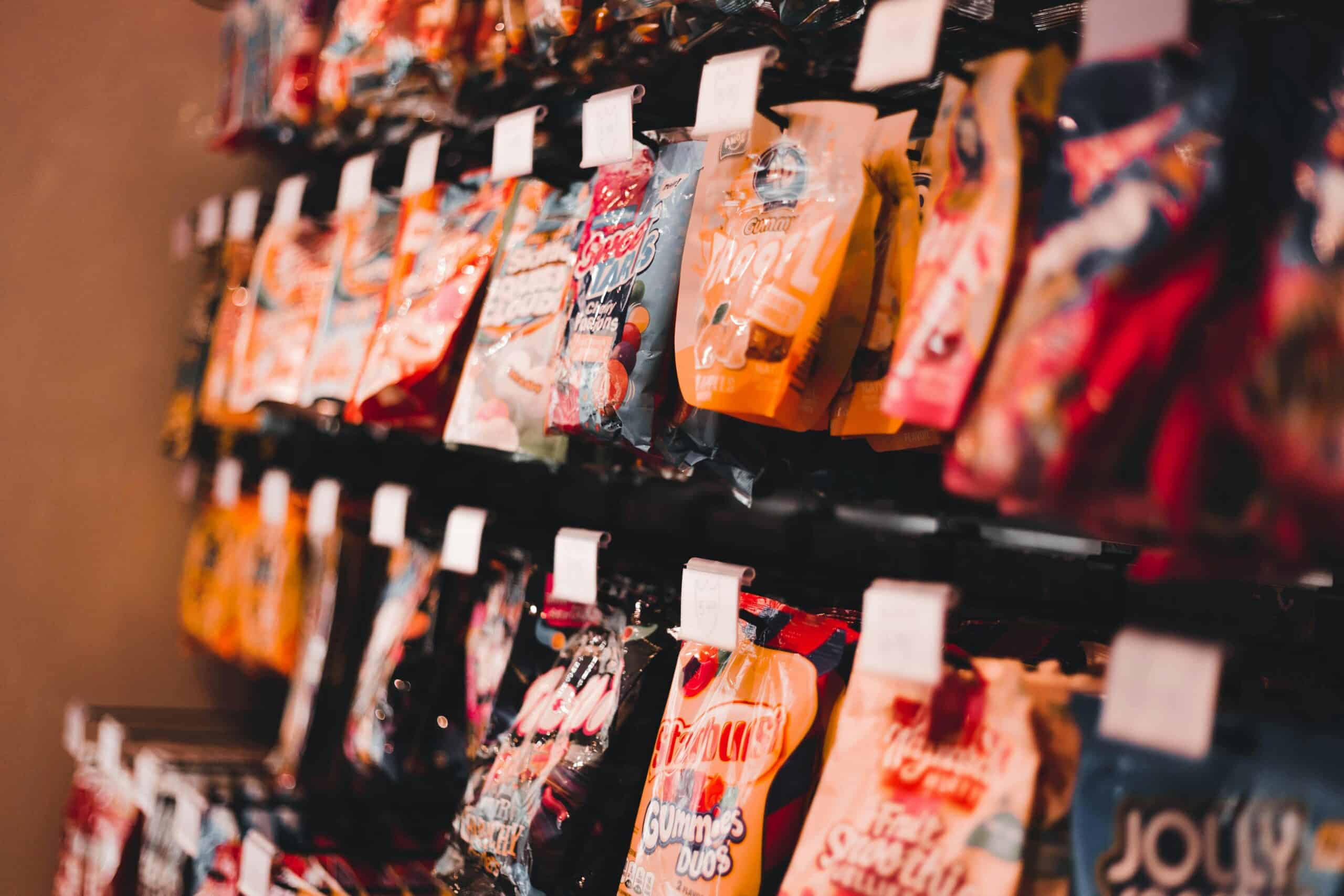
Experts argue that children’s eating habits are shaped less by conscious choice and more by environmental cues and instinctive behavior. As one researcher noted, people are “heavily influenced by automatic behaviours” that favor immediate gratification, a tendency that food companies have capitalized on by making sugary, highly processed foods cheap and widely available.
Big Food’s Growing Political and Economic Influence

Large food companies also play a significant role in shaping policy and public conversations around nutrition. Through lobbying, advertising, and industry initiatives, they engage in ongoing debates about how food should be regulated and marketed. Some recent campaigns have emphasized transparency and consumer choice, while critics argue that these efforts may limit the scope of stricter food safety regulations.
The Battle Over Regulation and Responsibility
Public health experts increasingly argue that relying on voluntary industry changes is not enough. While some companies pledge to improve products or limit marketing to children, evidence suggests these efforts often fall short. Only a small fraction of foods marketed to children meet recommended nutritional standards, raising questions about whether stronger regulations—such as advertising limits or sugar taxes—are necessary.
Can The System Change Without Intervention?
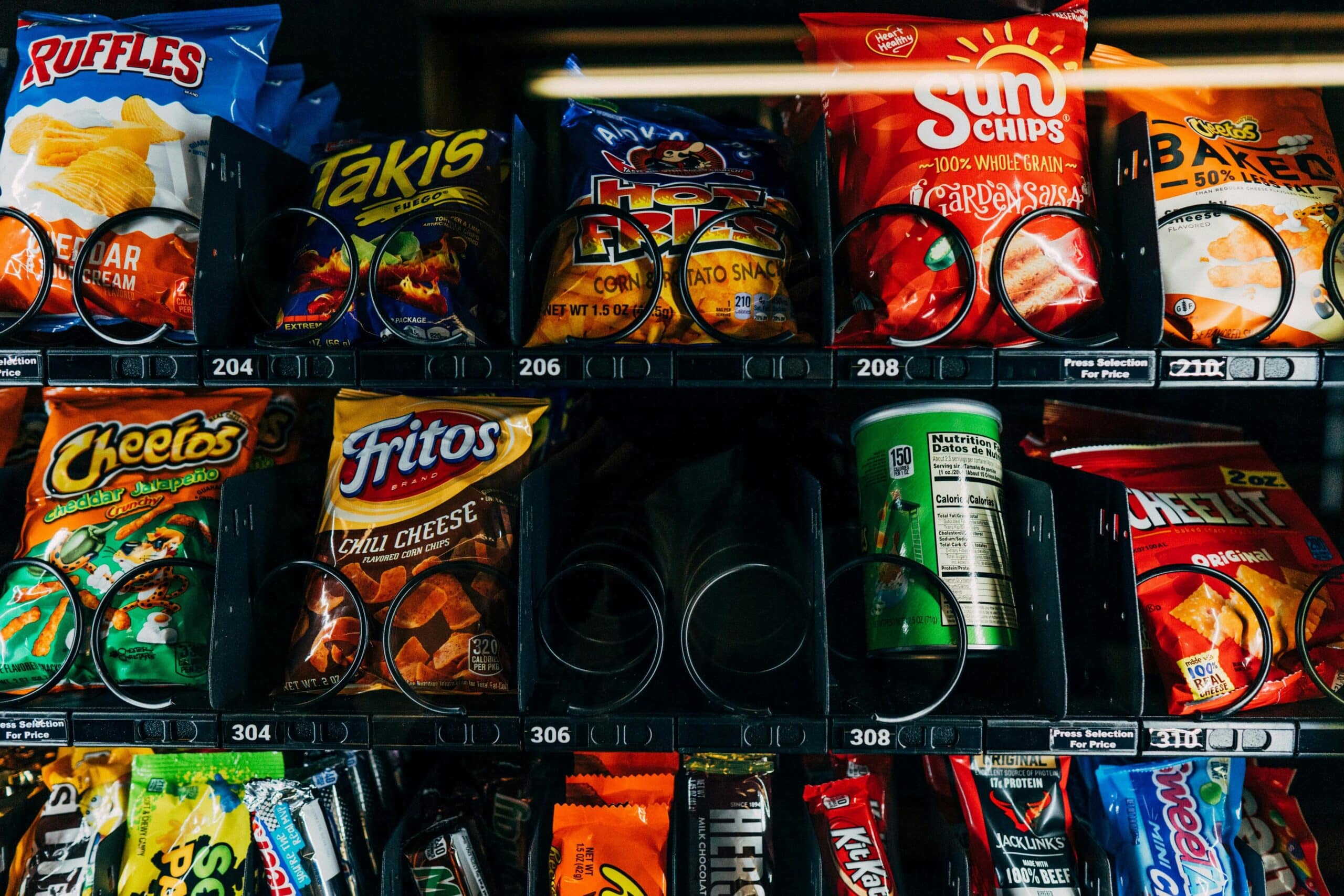
At the core of the debate is a structural issue: the food system itself. Ultra-processed foods are not just popular—they are profitable, scalable, and deeply embedded in global supply chains. This makes meaningful change difficult without policy intervention, as companies are driven to maximize sales in competitive markets, including targeting children as consumers.
A Turning Point for Children’s Health

The growing scrutiny of “Big Food” reflects a broader shift in how society understands children’s health—not simply as a matter of personal choice, but as the result of powerful systems and environments. As governments, researchers, and families grapple with rising health concerns, the question is no longer whether food environments matter, but how far society is willing to go to reshape them for the next generation.