‘Uncertainty’ Leads to Denny’s Shutdown Wave — 180 Diners to Close by End of 2025

Denny’s, the 71-year-old chain famous for its late-night pancakes and “always open” ethos, plans to close up to 180 restaurants by the end of 2025. Executives cited ongoing economic uncertainty, aging locations, and rising operational costs as key factors driving the decision. The closures mark one of the most significant retrenchments in the company’s history, signaling the challenges facing mid-range dining chains in an unpredictable market.
From 150 to 180: A Broader Retrenchment
The move builds on an earlier plan announced in October 2024, when Denny’s said it would close 150 underperforming restaurants. But during a February investor call, executives confirmed that the number has now grown to as many as 180 total closures. CFO Robert Verostek said the company shuttered 88 restaurants in 2024 and plans to close another 70 to 90 in 2025, focusing primarily on locations that are no longer financially sustainable, according to USA Today.
Aging Locations and Expiring Leases
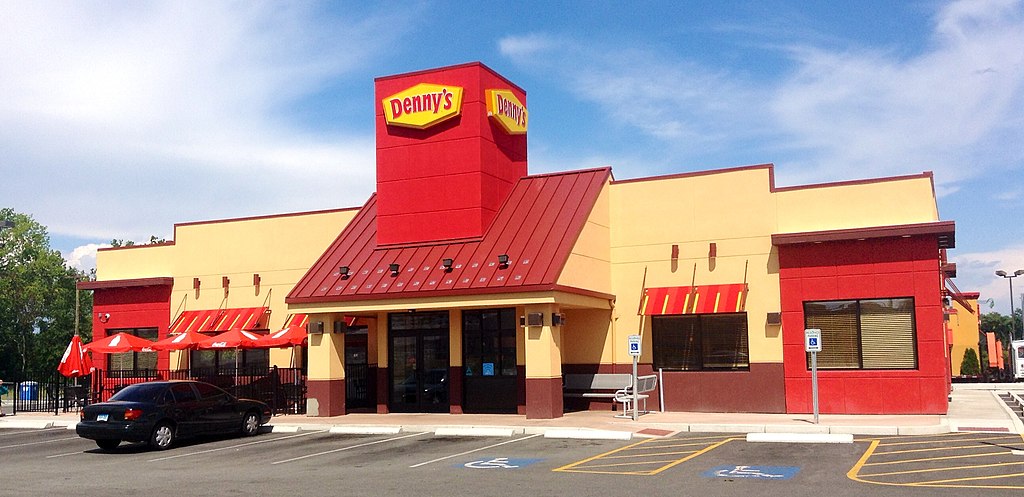
Verostek explained that most of the restaurants affected are decades old, averaging close to 30 years in operation. Many have expiring leases and declining traffic, making renovation costs too high relative to potential returns. “We’re prioritizing franchisee health and long-term growth,” he told analysts. The company hopes that closing older, low-volume units will free up resources for reinvestment in newer, higher-performing markets, according to TCPalm.
Consumer ‘Uncertainty’ Hits Sales

The wave of shutdowns follows what executives described as a period of consumer uncertainty at the start of 2025. Despite strong performance during late 2024, the company reported uneven demand in early 2025, particularly among middle-income diners affected by inflation. Rising food and energy prices have made customers more cautious about dining out.
Inflation, Weather, and Supply Chain Pressures

Beyond inflation, Denny’s pointed to a mix of supply chain challenges, extreme weather, and rising food costs as ongoing hurdles. The company faced higher prices for staples such as eggs, dairy, and meat, partially due to avian flu outbreaks that disrupted national supply chains. Unpredictable weather events — from wildfires in the West to winter storms in the Midwest — also hampered operations in several markets.
Denny’s by the Numbers
As of early 2025, Denny’s operates about 1,323 restaurants across the United States, most of which are franchise-owned (roughly 95%). The largest concentrations are in California (354), Texas (195), and Florida (115), where rising real estate and labor costs have placed added strain on profitability. The company said it continues to collaborate with franchisees to manage transitions and provide support where possible, per USA Today.
A Balancing Act: Closures and New Openings
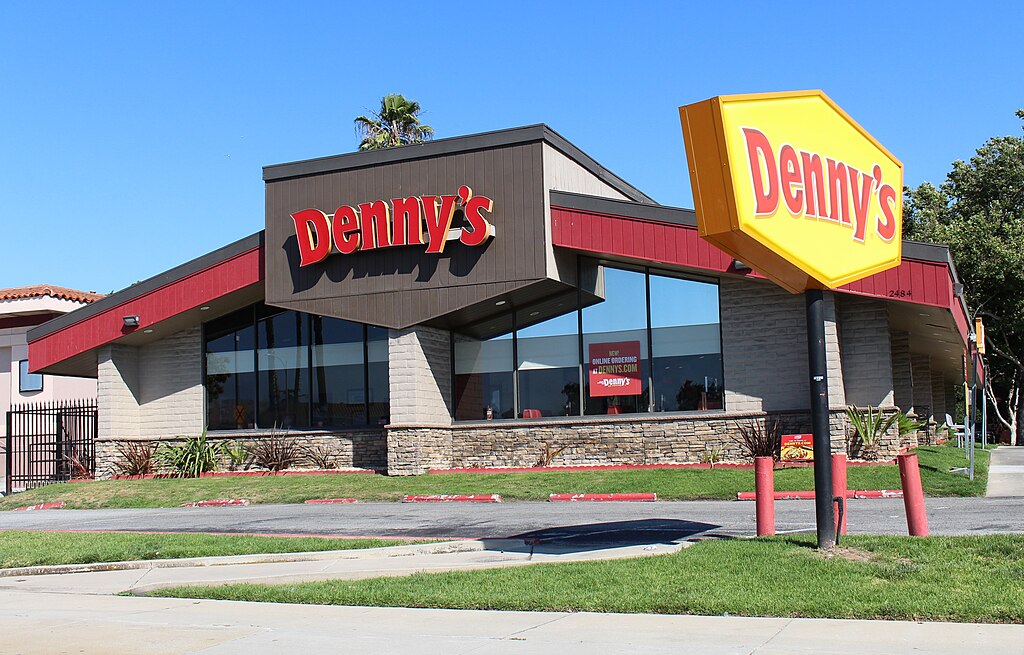
Despite the closures, Denny’s isn’t shrinking its footprint without a plan. The company announced it will open 25 to 40 new restaurants by 2026, roughly half of which will be under its Keke’s Breakfast Café brand — the Florida-based breakfast concept it acquired in 2022. According to The National Desk, these openings are part of a broader strategy to modernize the Denny’s portfolio and focus on regions showing population growth and stronger consumer spending.
Reviving “America’s Diner” Image
As part of its repositioning, Denny’s is revamping its remodel program. The refreshed design features lighter interiors, digital-friendly seating, and updated signage aimed at attracting younger customers. “We’ve reignited our remodel program,” a company spokesperson told The National Desk, describing the initiative as an investment in “evolving guest expectations” while keeping Denny’s signature comfort and accessibility intact.
Financial Repercussions and Market Response

Following the February announcement, Denny’s stocks plunged about 25%, continuing a year-long slide that has seen shares lose roughly half their value. Analysts say the closures represent a necessary correction for a mature chain struggling to adapt to a post-pandemic dining landscape dominated by quick-service and takeout-focused competitors. Investors remain cautious but see potential for recovery if Denny’s can reduce overhead and drive efficiency through consolidation.
A New Era for a Legacy Brand
For millions of Americans, Denny’s has long been a symbol of comfort and consistency — a place to gather at any hour. Its decision to close up to 180 locations underscores the growing challenges facing legacy brands in today’s restaurant economy. Yet, by reinvesting in new concepts and modernized stores, Denny’s hopes this wave of closures will be remembered not as a retreat, but as the start of a rebuilding era for “America’s Diner.”

