‘Do Not Eat’ Alert Issued After Cancer Fears Raised Over Hard Candies
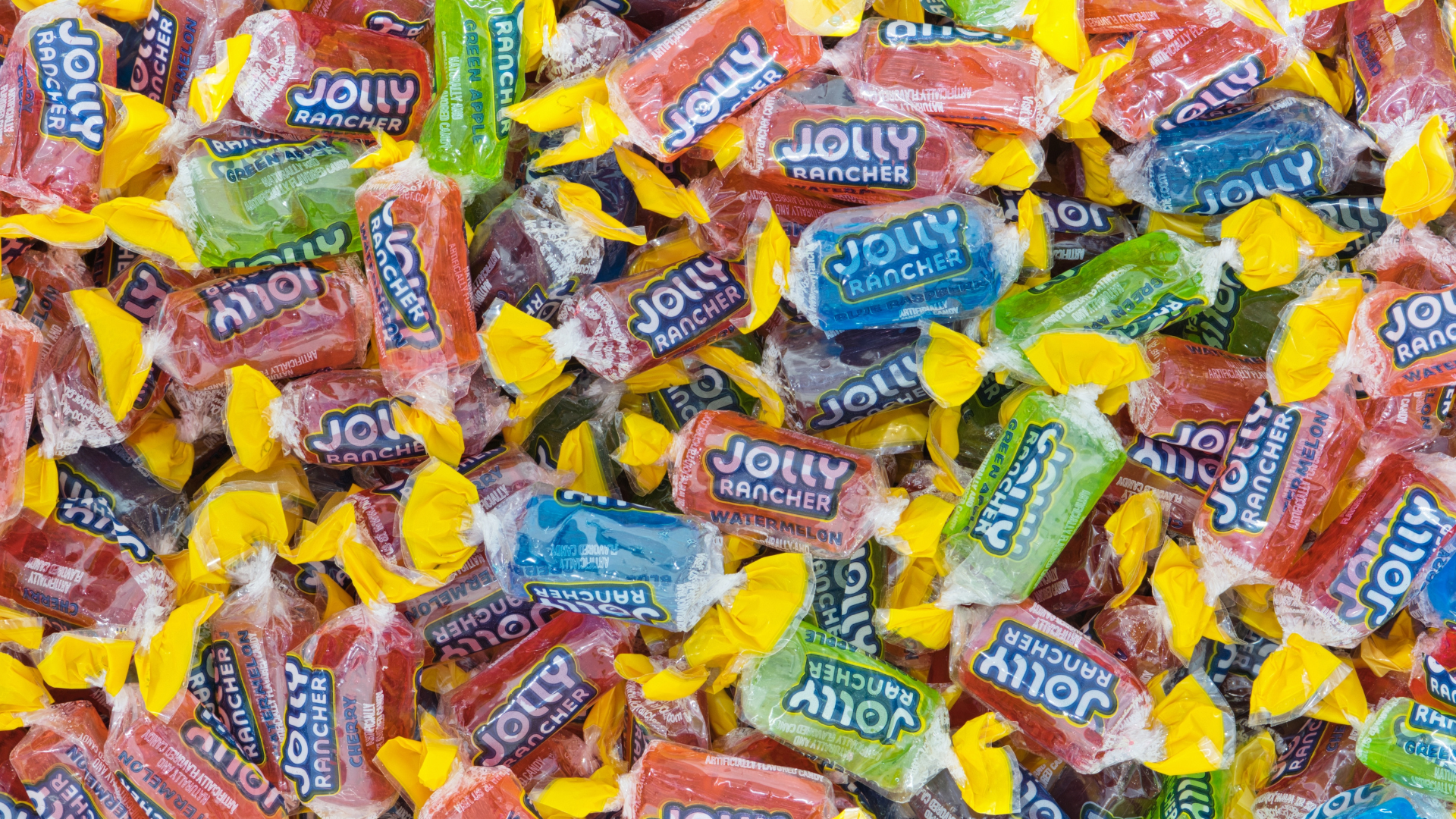

Health authorities in the United Kingdom have issued a “do not eat” warning for several popular hard candy products after discovering that they contain mineral oil compounds that may pose long-term health risks, including increased cancer potential if consumed regularly over time, raising alarm among food safety officials and prompting a food alert for businesses and consumers alike. The U.K. Food Standards Agency confirmed that multiple varieties of Jolly Rancher sweets, manufactured by The Hershey Company and imported into the country, contain mineral oil aromatic hydrocarbons, known as MOAH, and mineral oil saturated hydrocarbons, or MOSH, which are chemicals not permitted in food under British food safety laws. These substances are used in some confectionery to prevent stickiness and create a glossy appearance on sweets, but their presence in products sold for human consumption has triggered a formal recall and advisories urging consumers and retailers to remove affected items from shelves.
In a detailed food alert, the agency explained that although the immediate risk from having already eaten these candies is considered low for most people, the compounds found in these sweets are classed as genotoxic carcinogens that can damage DNA, particularly if consumed frequently or in large amounts over time, which could increase the risk of cancer if exposure is prolonged. The alert specifically lists affected products including Jolly Rancher Hard Candy, ‘Misfits’ Gummies, Hard Candy Fruity 2 in 1, Berry Gummies, Filled Pops, and Freeze Dried Candy, with all batch codes and best-before dates included in the advisory, and urged anyone who has these products at home to dispose of them rather than eat them.
Food safety officials stressed that the warning applies to products found on the U.K. market, where compliance with local ingredient regulations is required, and that despite the U.S. brand’s efforts to remove these items from distribution, some continue to be imported by independent businesses; this has led to enforcement actions aimed at protecting consumers, particularly younger age groups who may be more likely to consume large quantities of candy and therefore face greater cumulative exposure over time.
What’s Behind the Safety Concerns
The primary compounds of concern in the recalled candies are mineral oil aromatic hydrocarbons (MOAH) and mineral oil saturated hydrocarbons (MOSH), which are byproducts of crude oil and sometimes used in food processing to enhance texture or prevent stickiness, yet are restricted or banned in several countries because of their potential to accumulate in human tissue and interact with biological systems in harmful ways. Although the levels encountered in a single candy may be low, health regulators emphasize that repeated or long-term consumption of MOAH, in particular, has been linked to DNA damage in laboratory studies, which is why the agency classified them as genotoxic carcinogens — meaning that no amount of exposure can be considered completely without risk.
This warning highlights the differences in food ingredient regulations across countries, with some additives permitted in certain markets while banned in others, and has prompted calls among consumer advocates for clearer labeling and stricter rules governing imported products, especially those aimed at children or marketed on social media platforms where global candies are promoted widely. Retailers have been asked to check their stocks carefully, remove any affected products, and take steps to ensure that potentially unsafe sweets no longer reach consumers while local authorities undertake recalls and enforcement actions.
Even though the health risk from occasional consumption may be minimal according to current assessments, scientists and regulators agree that minimizing exposure to known carcinogens is a prudent public-health measure, especially for people who might eat imported sweets frequently; by urging consumers to avoid these products entirely, the alert seeks to reduce cumulative risk and encourage greater awareness of what ingredients are present in the foods children and adults enjoy.
How Consumers and Retailers Are Responding
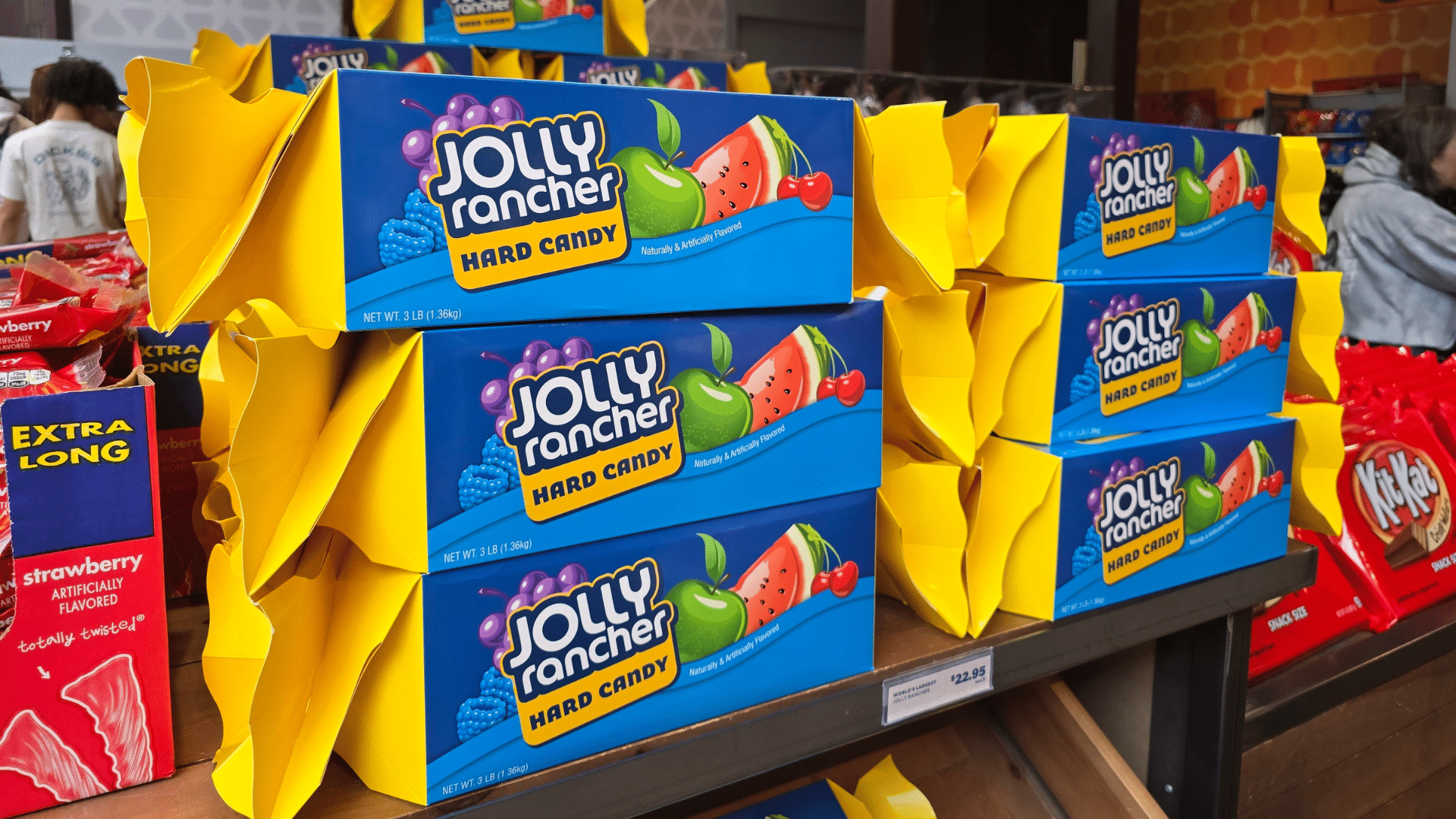
In response to the food alert, some stores in the U.K. and Hong Kong have already pulled affected Jolly Rancher products from their shelves and halted sales, with suppliers voluntarily initiating recalls and cooperating with authorities to ensure unsafe items are not sold further; local food safety departments are also advising customers who have purchased these candies to dispose of them and, if concerned, report their purchase to environmental health or trading standards offices.
Consumers who follow food trends and candy importing groups have discussed the alert widely online, expressing concern that globally marketed sweets may contain additives acceptable in some regions but prohibited elsewhere, a discrepancy that can create confusion and highlight the importance of understanding ingredient standards and safety guidelines that vary by country.
Food advocates suggest that this type of alert may prompt more scrutiny of imported confectionery products and encourage regulatory agencies in other countries to review their own standards for additives like MOAH and MOSH, while reminding shoppers to read labels closely and prioritize products with clear, compliant ingredient lists to avoid unintended exposure to potentially harmful substances.
What You Should Know Before Buying Candy
If you live in a market where this alert is in effect, it is important to check your pantry and dispose of any recalled sweets that match the product list provided by authorities, since even products with familiar branding may contain unsafe components that put long-term health at risk if eaten regularly over time.
Experts emphasize that occasional consumption of sweets is not associated with immediate harm, but habitual intake of products with restricted additives can contribute to cumulative exposure to substances linked to cancer and other health concerns, underscoring the value of moderation and informed choices about what goes into everyday snacks.
Finally, consumers are encouraged to stay informed about food safety alerts from official agencies, as recalls and warnings like this one can evolve rapidly, and to reach out to local health authorities or retailers for guidance if they are unsure whether a product they purchased is affected by an ongoing alert.

