Doctor Issues Warning After Treating Patient Who Drank 3 Liters of Coke a Day


A cold Coke can feel harmless, even comforting. For a lot of people, it’s the daily “little reward” that gets them through stress, work, or routine. But one recent medical case is pushing an uncomfortable question into the open: when does a treat stop being a treat and start becoming a quiet health risk you don’t notice until it hits hard? After treating a man who drank two to three liters of Coca-Cola every day, a urologist removed 35 kidney stones and issued a blunt warning. The story went viral because it doesn’t just sound extreme. It sounds like a version of habits many people already have.
The case that sparked the warning

The patient in the report wasn’t sipping occasionally. Soda was basically his main hydration source. Dr. Thales Andrade, a Brazil-based urologist, shared footage of the stones and said the man was consuming up to three liters daily. His takeaway was simple: hydration and avoiding excessive soda are essential for prevention. It’s the kind of warning that makes people instantly split into camps — “that’s a freak case” versus “that could be me if I’m honest.”
Why kidney stones are not just “bad luck”
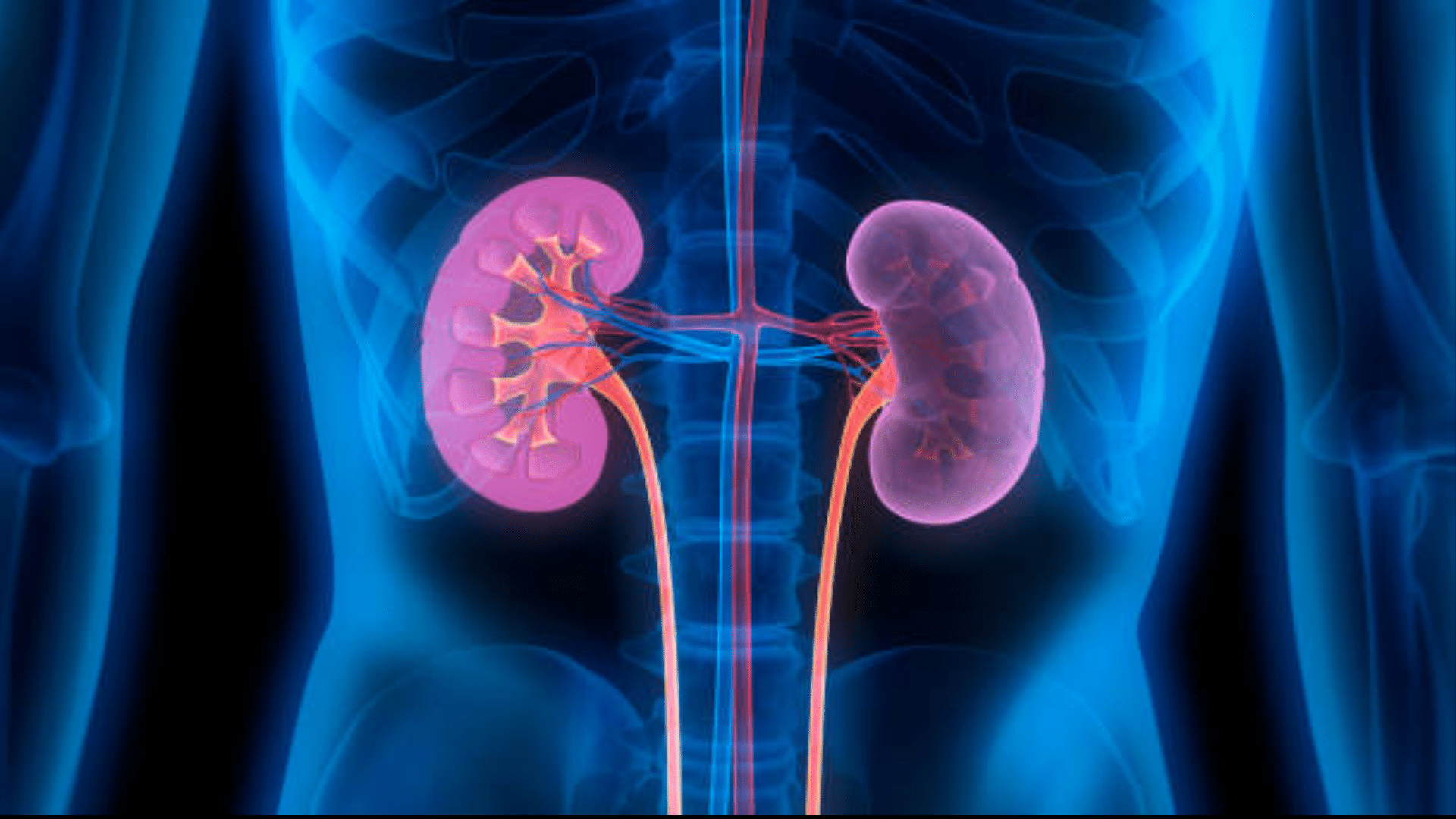
Kidney stones aren’t just random bad luck. They form when minerals in urine crystalize, often because urine is too concentrated or certain compounds are too high for too long. When a stone moves, the symptoms can be brutal: sharp flank or abdominal pain, nausea, vomiting, fever, chills, and blood in urine. The scary part is that stones can build quietly. You don’t feel the risk rising day by day. You feel it only when your body finally can’t ignore it anymore.
The soda link is real, even at lower amounts
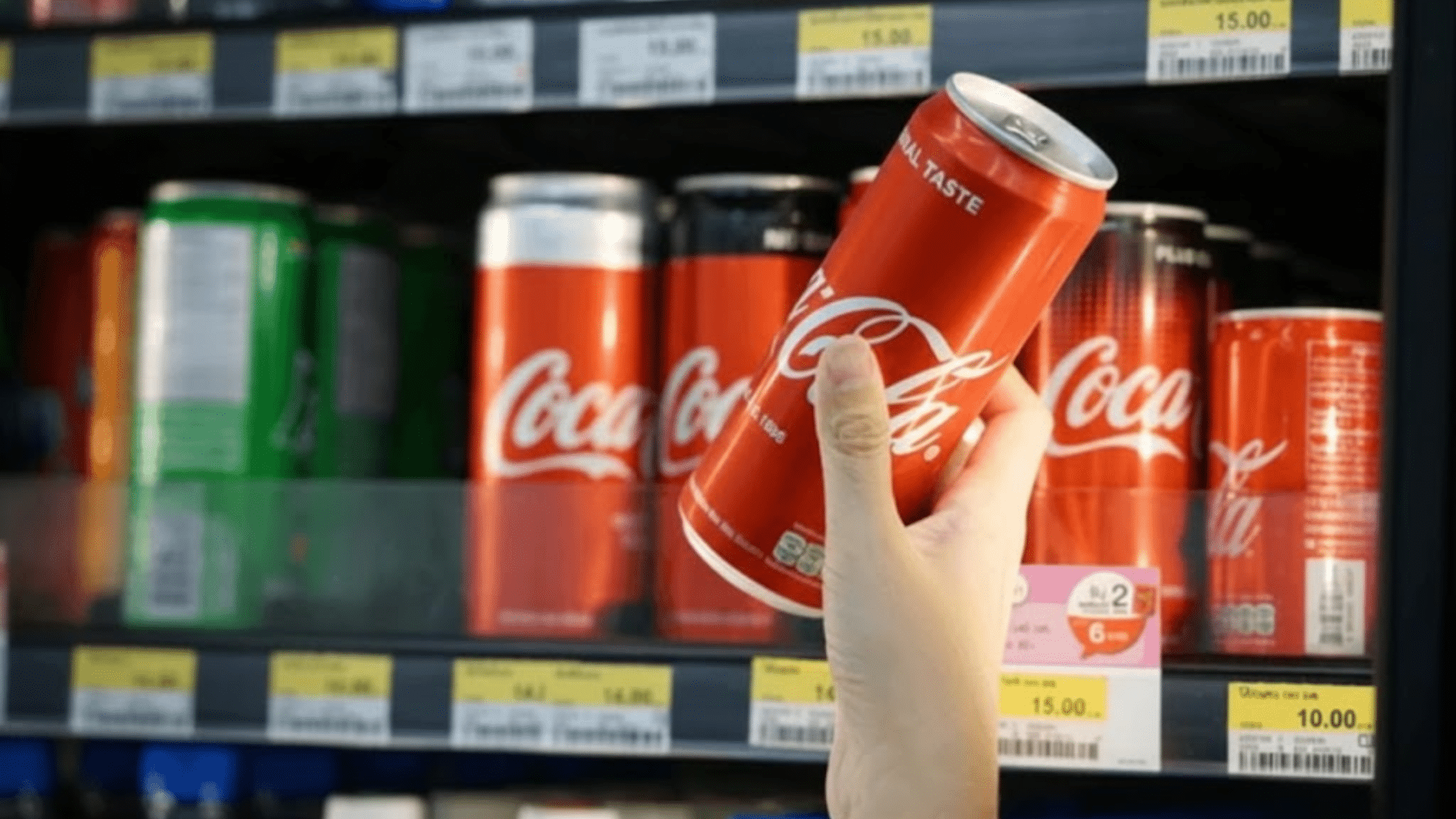
And here’s where the soda piece gets real: research keeps finding that frequent soda drinkers have higher stone risk. One large study often cited in medical reporting found that even one soda a day was linked to about a 23% increase in kidney stone risk. That doesn’t mean a single can guarantees a stone, but it does mean soda isn’t “neutral” hydration the way water is. If risk rises at one a day, it’s fair to wonder what happens when soda becomes two a day, three a day, or the default drink you stop counting.
What is Coke doing in the body that might raise risk?
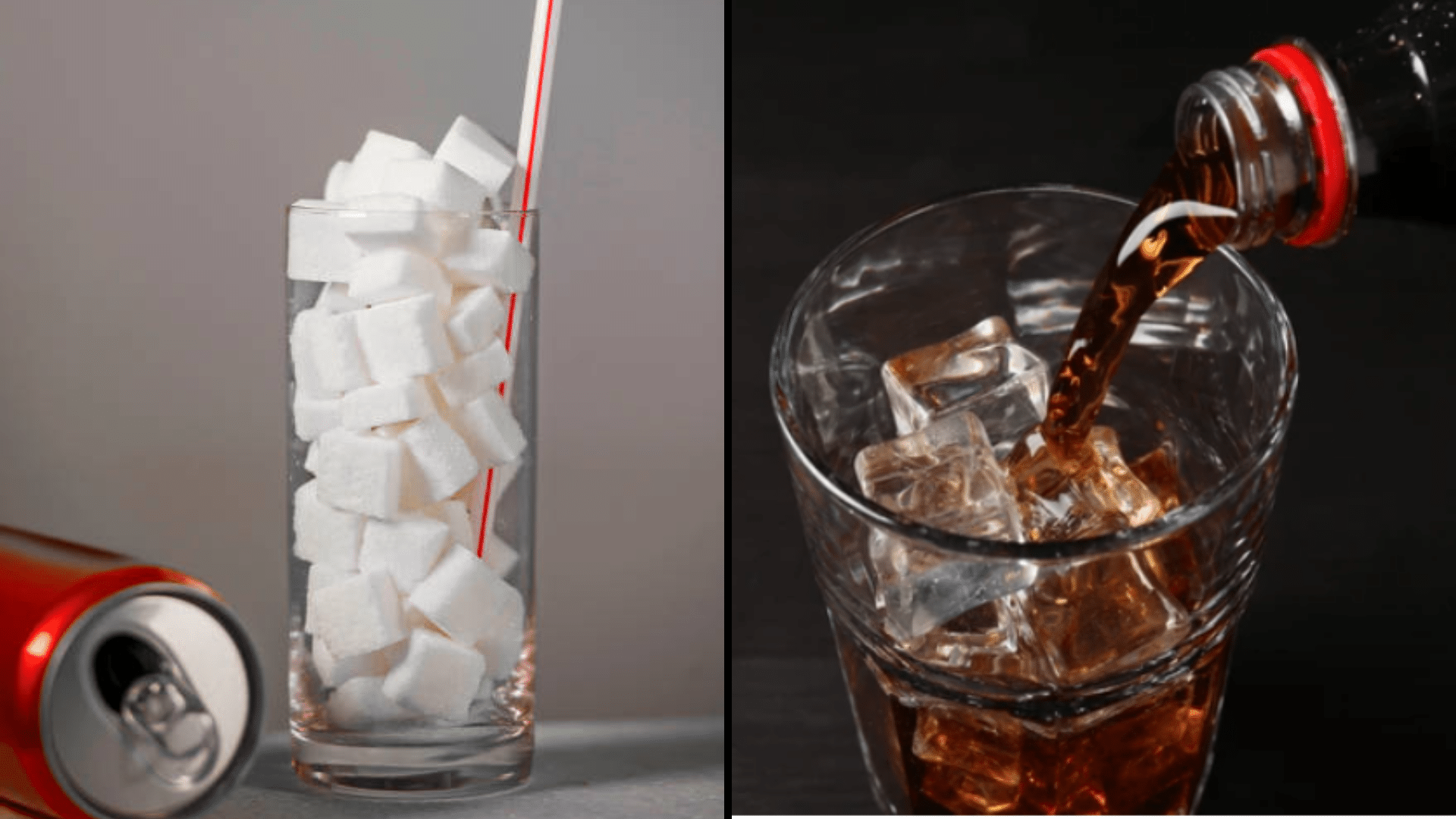
Why might colas contribute? It’s usually not one magical villain ingredient. It’s the combo and the pattern. Regular Coke brings high sugar intake, which can increase metabolic strain and may affect how kidneys handle minerals. Colas also contain phosphoric acid, which some studies suggest can disturb calcium balance and urinary chemistry in ways that favor stone formation. And the biggest factor might be the simplest: soda often replaces water, and low water intake is one of the strongest predictors of kidney stones.
“But I feel fine.” That’s the trap

A lot of people push back with the simplest defense: “But I feel fine.” And honestly, many do feel fine for years. That’s the trap. Kidney stress and stone risk don’t show up like instant punishment. The body can compensate silently, until a threshold gets crossed. The reason this case scares people is that it’s visible proof of a process we usually don’t see. Feeling okay today doesn’t automatically mean your kidneys are happy with the routine.
Is diet soda safer, or just a different gamble?
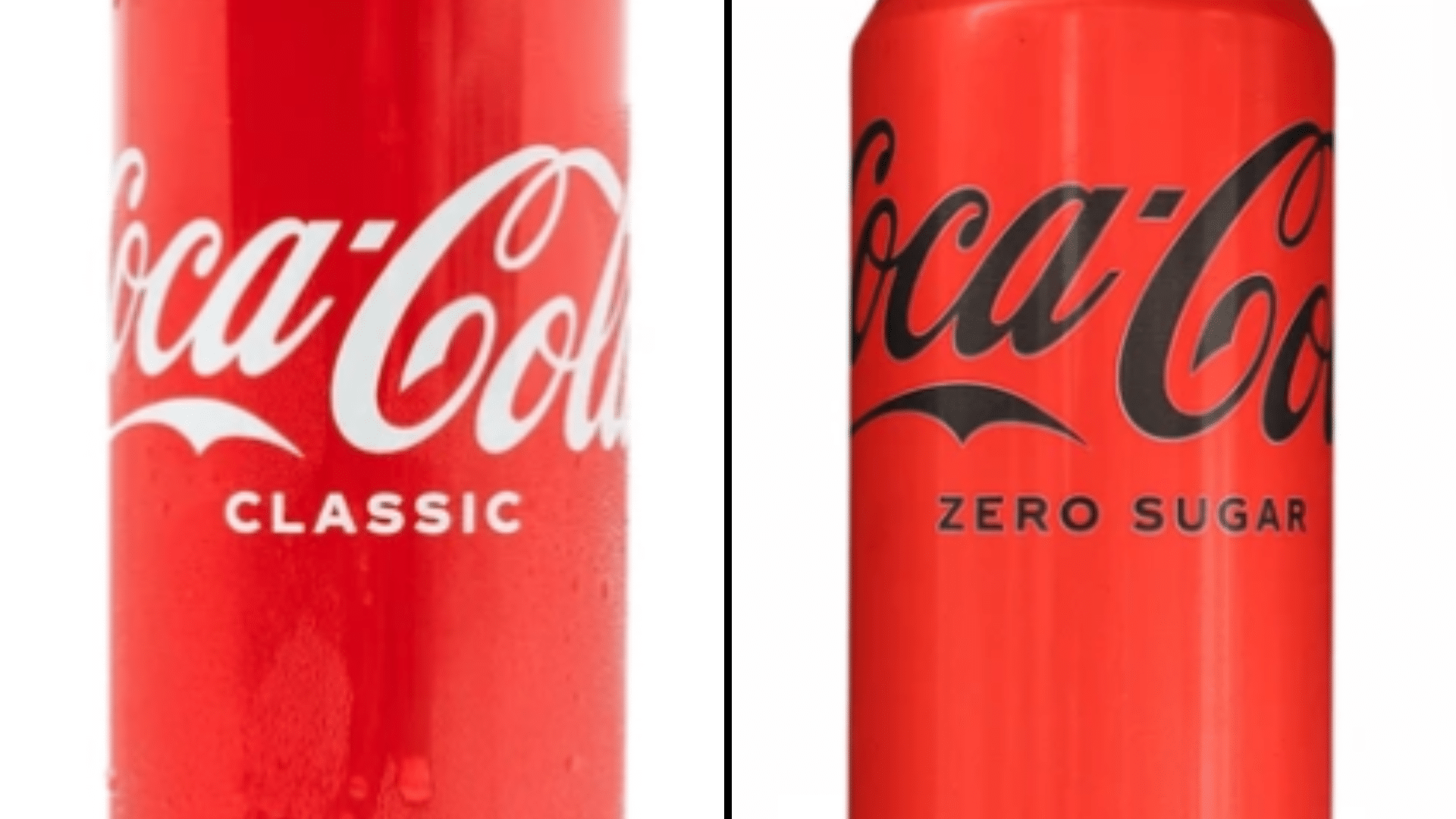
Then there’s the follow-up debate: what about diet Coke? Some experts argue diet is better than sugar soda in one narrow way — you avoid huge sugar spikes that can worsen metabolic risk. But diet isn’t a clean escape hatch either. Many diet sodas use artificial sweeteners like aspartame, which the International Agency for Research on Cancer classified as “possibly carcinogenic” in 2023, even though major regulators still say current intake levels are acceptable. So diet shifts the risk profile, but it doesn’t erase controversy or make soda a health drink.
The bigger lifestyle point doctors keep making

What doctors usually emphasize isn’t “never touch soda again.” It’s scale and substitution. When soda becomes your main hydration source, you lose water’s protective dilution effect and you add daily compounds your kidneys must filter nonstop. If you drink soda every day, even a small switch matters. Replacing just one soda with water can lower urine concentration and reduce stone risk for many people, especially if dehydration is part of the story.
The uncomfortable add-on: health plus environment
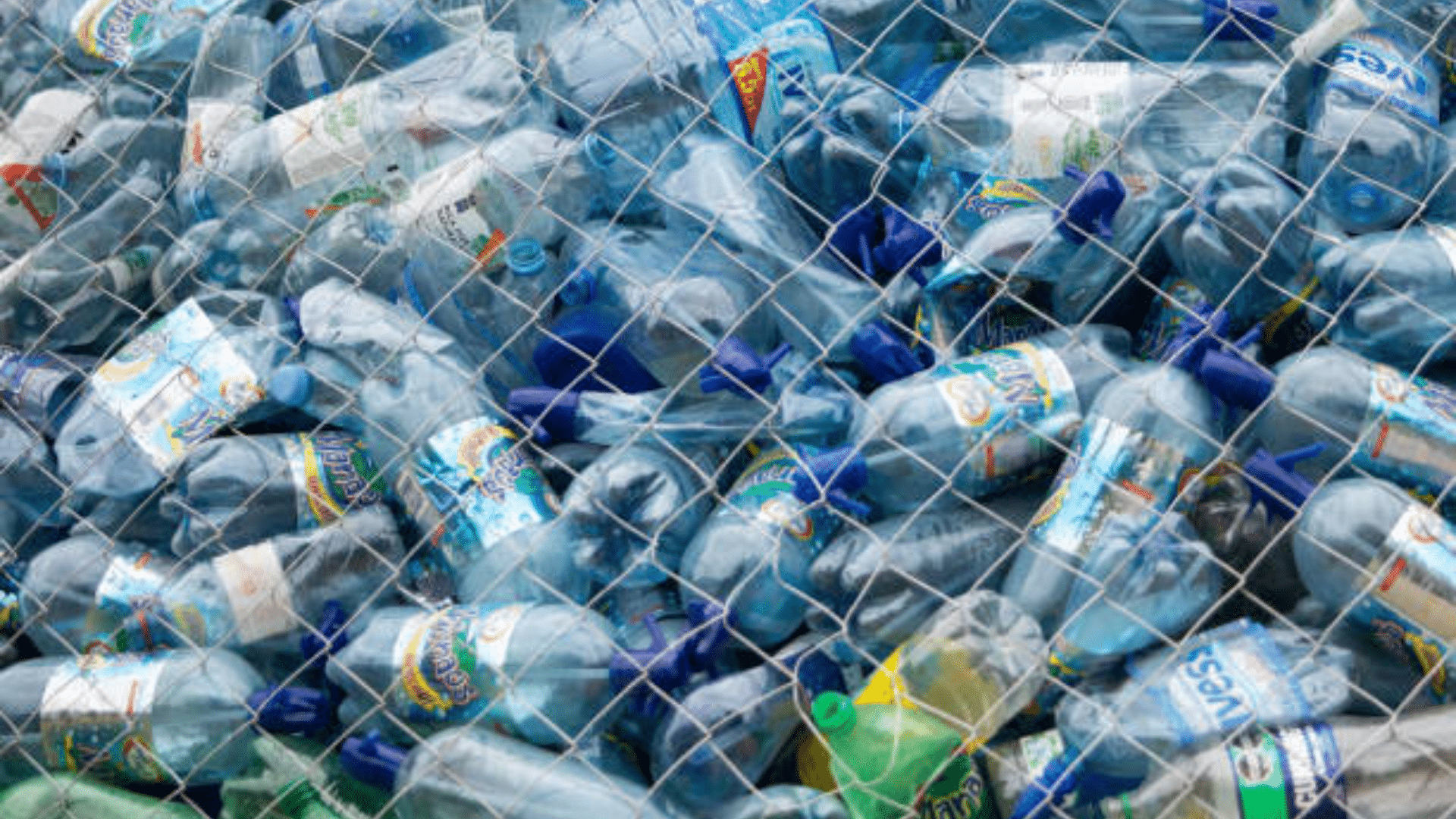
There’s also a wider angle people don’t always want to hear but can’t really deny: soda habits aren’t just personal health choices. Coca-Cola and PepsiCo frequently rank among the world’s biggest plastic polluters in global audits. Even if companies promise change, the packaging footprint is still enormous. So cutting back isn’t only about your kidneys — it’s also about refusing to feed a system that dumps billions of bottles into landfills and waterways.
Conclusion
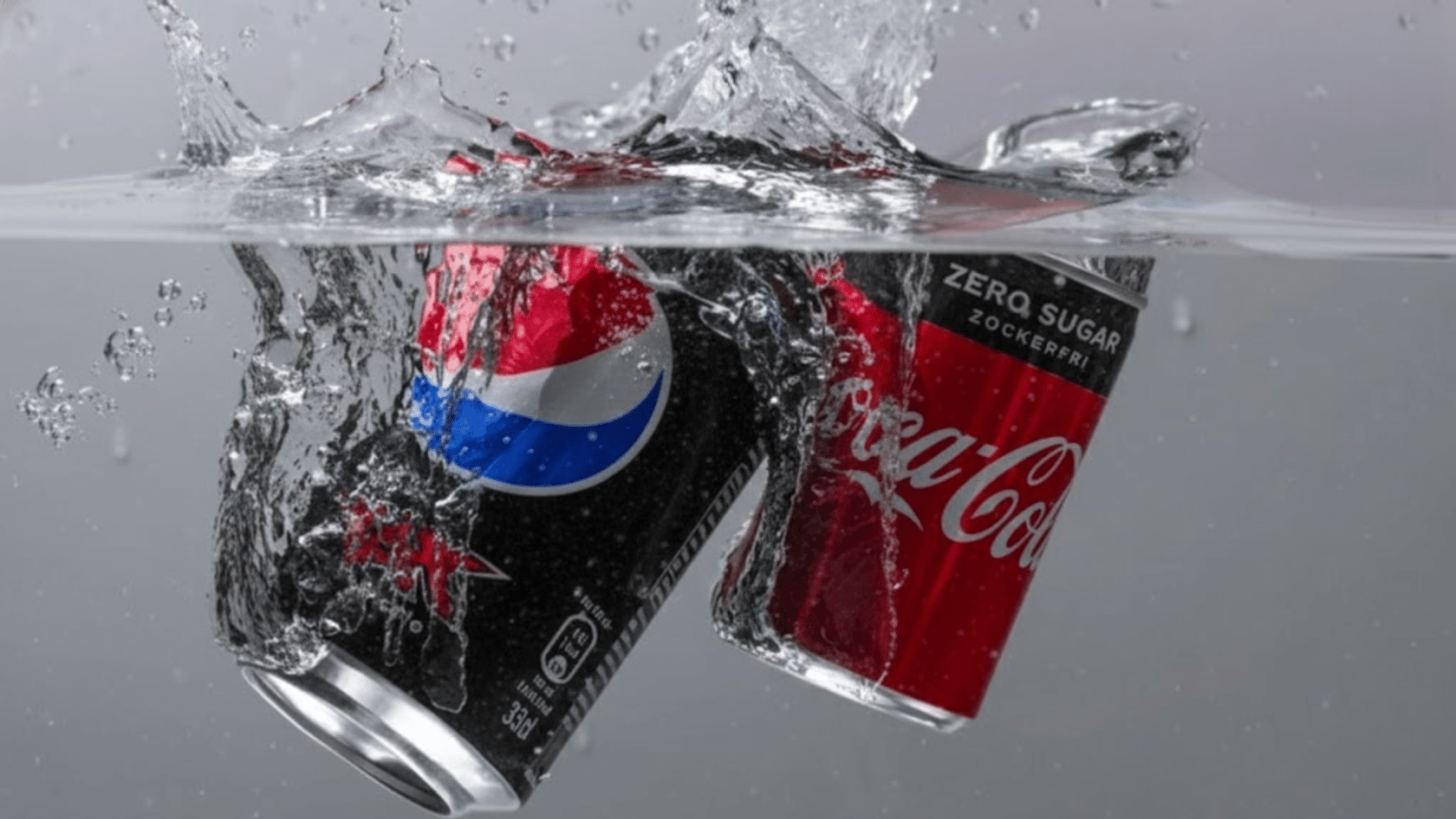
None of this is meant to turn Coke into a forbidden villain. It’s a reminder that soda is engineered to be pleasurable, not protective, and the body reacts to patterns more than exceptions. Three liters a day is your kidneys doing overtime without a break. The viral case is extreme, but it’s also a flare in the dark: soda can be a “silent risk” because it feels normal right up until it doesn’t. The real question for readers is simple and worth arguing about: is daily Coke just a harmless comfort you’re entitled to enjoy, or is it one of those habits that feels fine… until the bill comes due?