DOJ Reaches Settlement With Major Egg Producers Over Alleged Price Manipulation
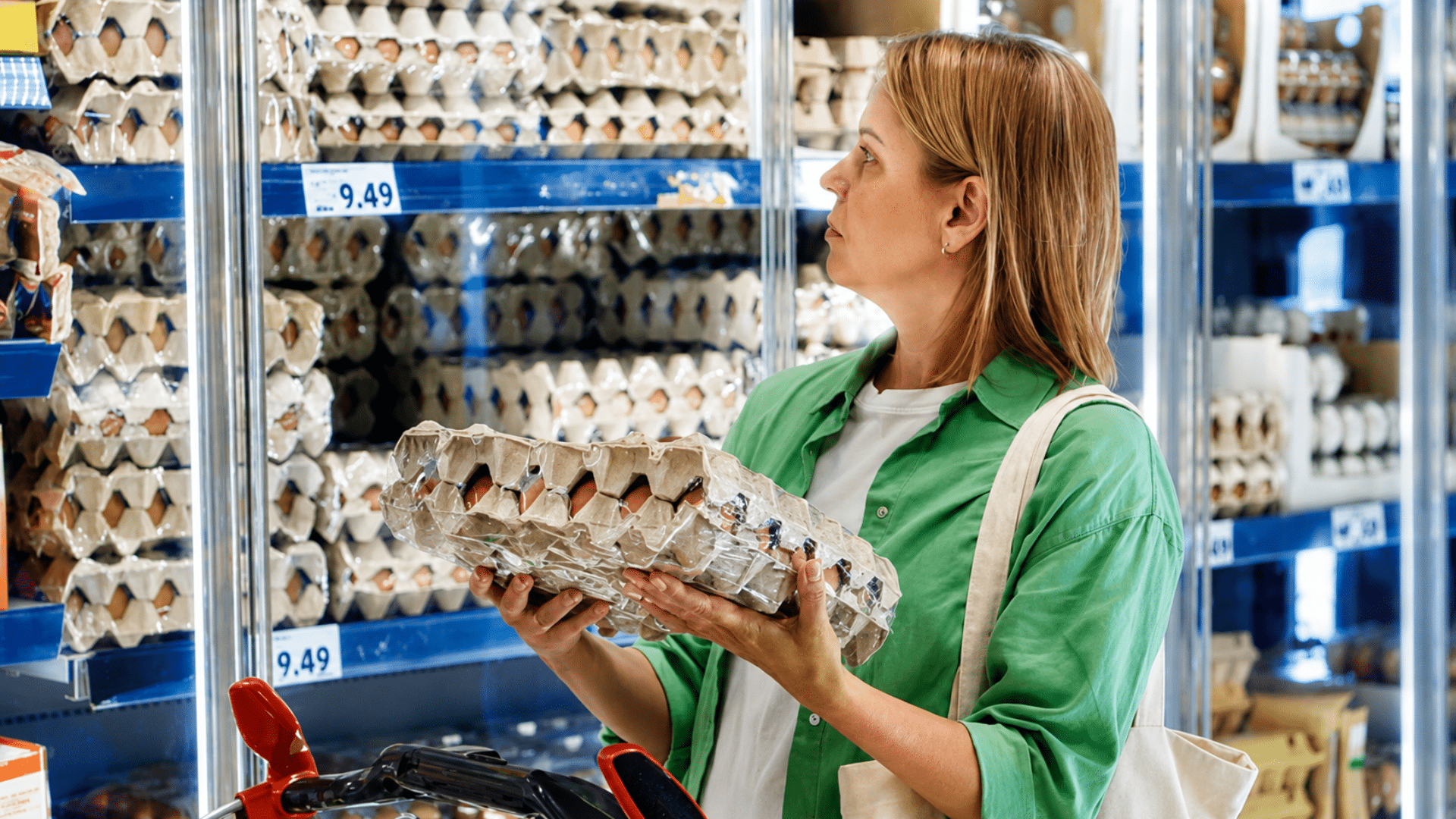

For years, shoppers watched egg prices spike and wondered why. Now there’s an answer, and it comes with a price tag. Three of America’s largest egg producers have agreed to pay $3.3 million and hand over 53 million eggs after federal and state investigators accused them of secretly working together to inflate prices nationwide. Here’s what happened, and what it means for your grocery bill.
The Companies Behind the Settlement
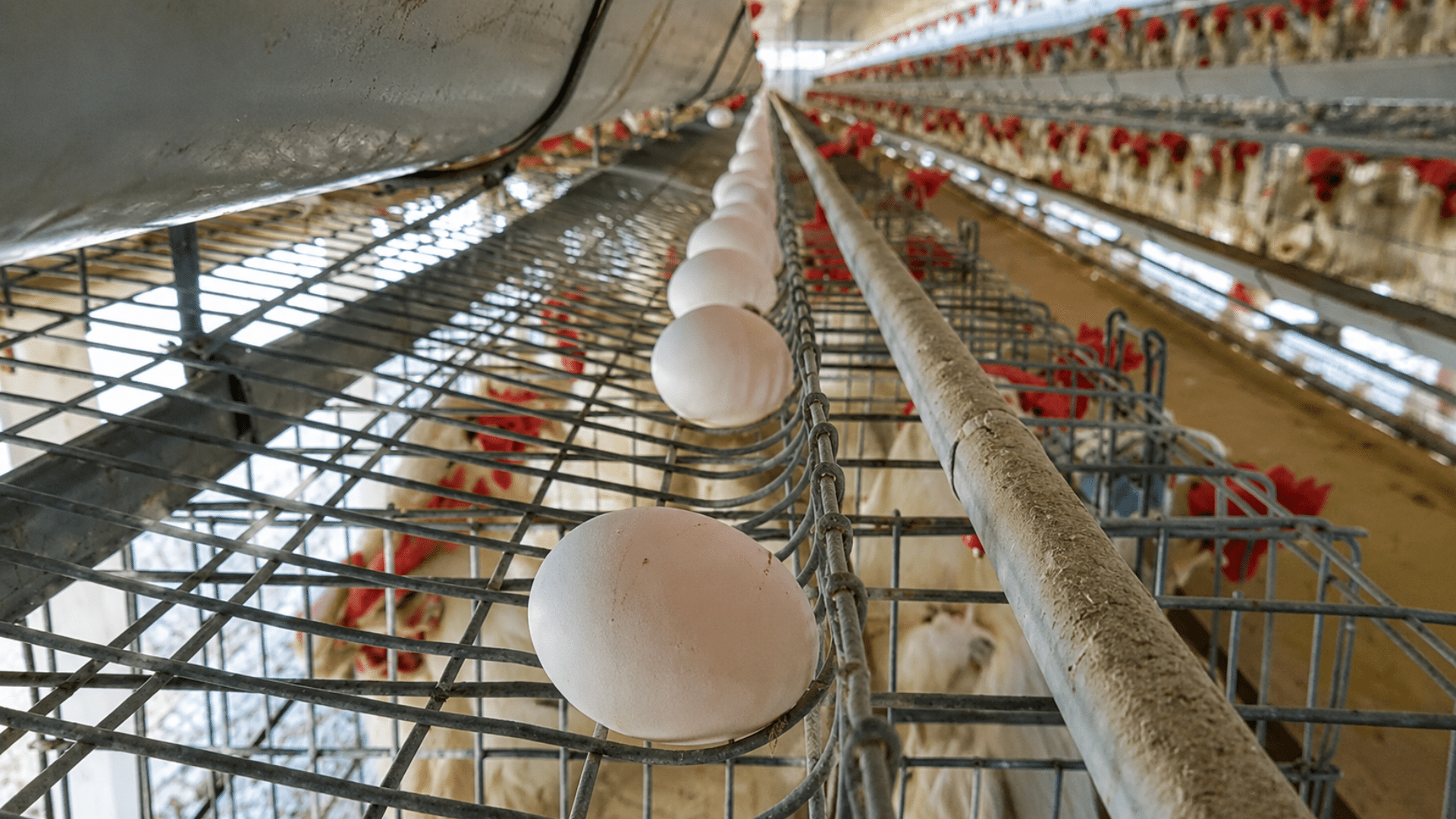
Cal-Maine Foods, Versova and Hickman’s Egg Ranch, three of the country’s biggest egg suppliers, are at the center of the case. According to the Department of Justice and 17 state attorneys general, the companies reached a $3.3 million settlement over alleged price manipulation that “artificially increased” egg prices for consumers and retailers. The agreement targets conduct investigators say stretched on far longer than most shoppers realized.
What Investigators Say Actually Happened

According to officials, this wasn’t a one-time misstep. Investigators allege illegal coordination between the companies artificially increased prices for stores and shoppers from June 2022 through March 2025, nearly three years. The companies allegedly used a shared industry tool to keep prices climbing together instead of competing against each other, the exact opposite of how a healthy market is supposed to work.
How the Alleged Scheme Worked

The mechanism was surprisingly low-tech: coordinated bidding. Officials say Cal-Maine, Versova and Hickman’s secretly coordinated bids to manipulate Urner Barry, a market reporting agency that publishes daily egg price benchmarks that grocery stores and restaurants use for their own price tags. By influencing that single number, the companies could allegedly steer prices across the entire industry, from wholesale warehouses to supermarket shelves.
The Investigation That Cracked It Open
The case didn’t come out of nowhere. The lawsuit followed a 15-month bipartisan multistate investigation that found the egg producers secretly communicated with one another to coordinate their bidding activity. On June 29, the Justice Department and 17 states filed a civil lawsuit in federal court in Iowa, laying out years of alleged coordination in detail before the settlements were announced.
A Familiar Excuse: Blame the Bird Flu
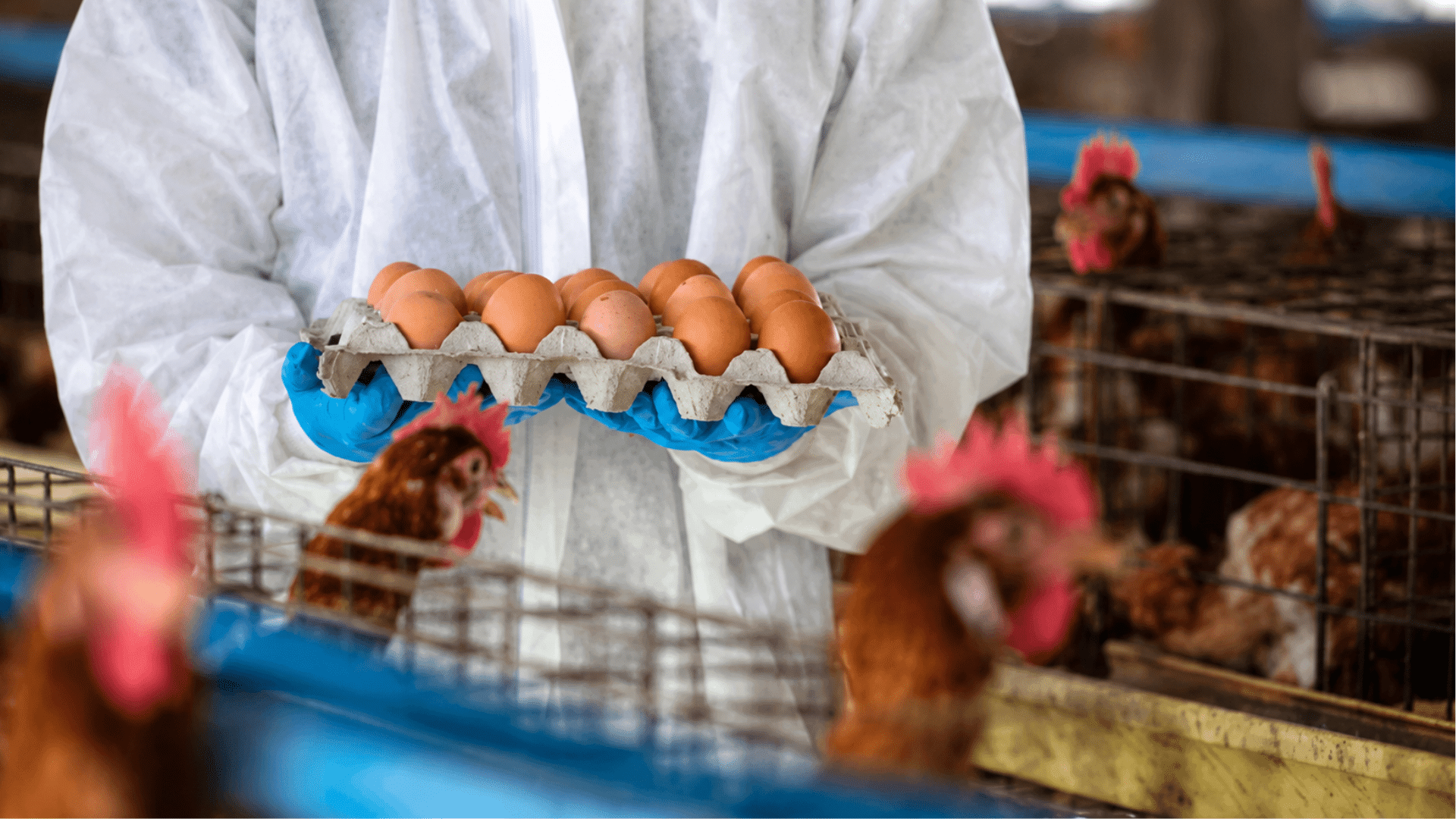
Not everyone agrees with the government’s version of events. Cal-Maine and Versova deny any wrongdoing and instead point to repeated bird flu outbreaks as the real reason prices soared. Cal-Maine CEO Sherman Miller said supply shocks, including avian influenza, the pandemic and inflation, caused prices to surge periodically over the past five years, not any coordinated scheme.
What Each Company Is Paying

The $3.3 million penalty isn’t split evenly. Cal-Maine, the nation’s largest egg producer, will pay $1.5 million and donate 30 million eggs, while stating it was not assessed any fines or penalties under the deal. Hickman’s will pay $1 million and Versova $800,000. None of the three companies admitted to breaking the law as part of the agreement.
Officials Frame It as a Win for Families

State officials describe the outcome differently than the companies do. New York Attorney General Letitia James said, “When powerful corporations collude behind the scenes to raise prices, working families suffer the costs. These egg producers manipulated the market to squeeze even more profit out of consumers and businesses,” according to a statement from her office. She called the settlement a clear warning to other companies.
Rules Going Forward, and Who’s Skeptical

Beyond the money, the settlement bans the companies from communicating with competitors about prices or bidding strategies and requires them to appoint internal antitrust officers to monitor future deals. Still, not everyone is impressed. Farm Action President Angela Huffman called the payout a mere “business expense” for multibillion-dollar corporations, arguing the penalty barely dents their bottom line. A federal judge must still approve the deal.
What This Settlement Really Changes
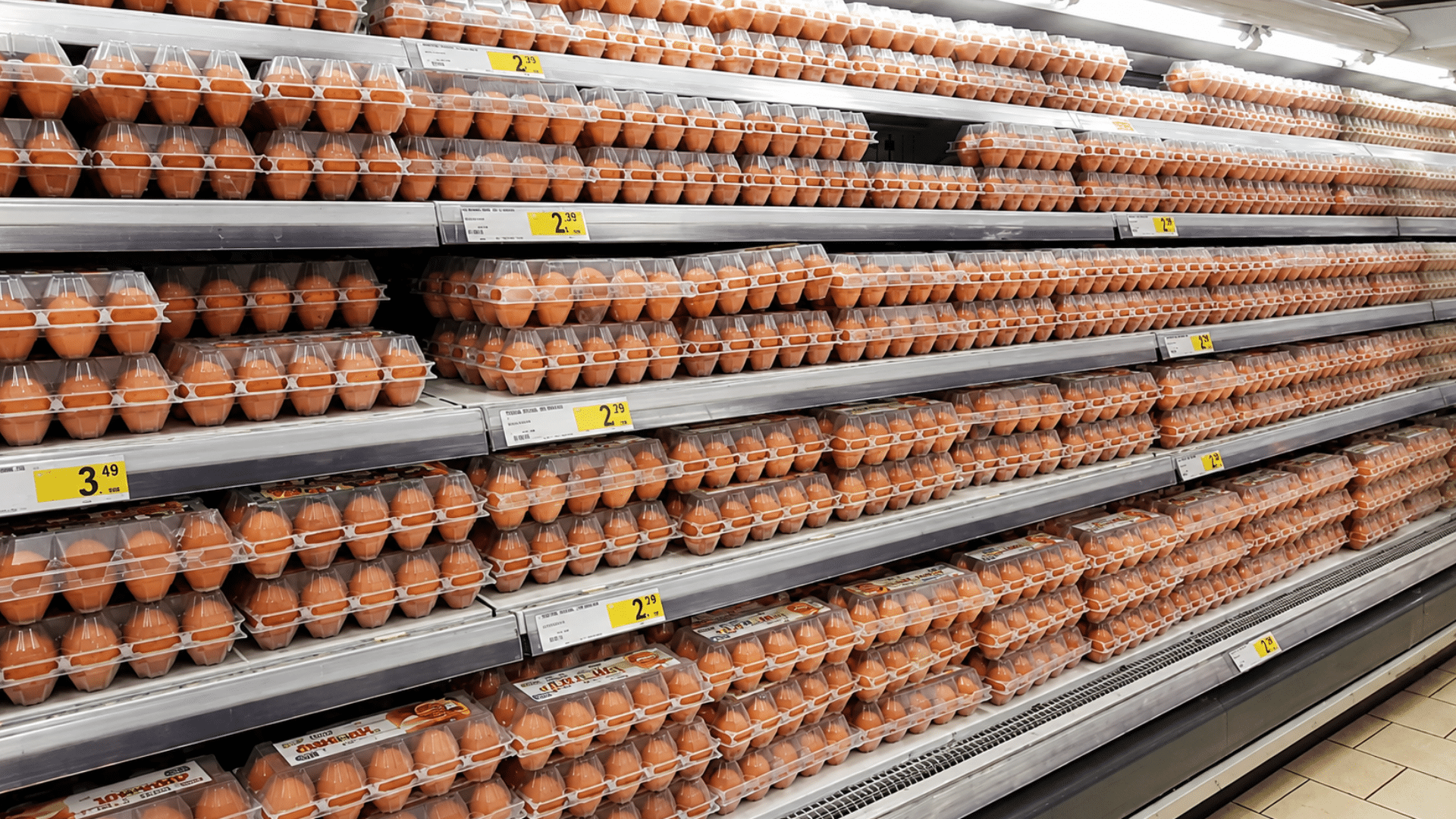
Whether or not the companies broke the law, the numbers tell their own story: egg prices jumped 150% at their peak, and now $3.3 million and 53 million eggs are headed back toward the public. The settlement won’t erase years of higher grocery bills, but it does put every major egg producer on notice that regulators are watching how prices get set, starting now.