Doritos and Cheetos Look A Lot Different Now, Here’s Why
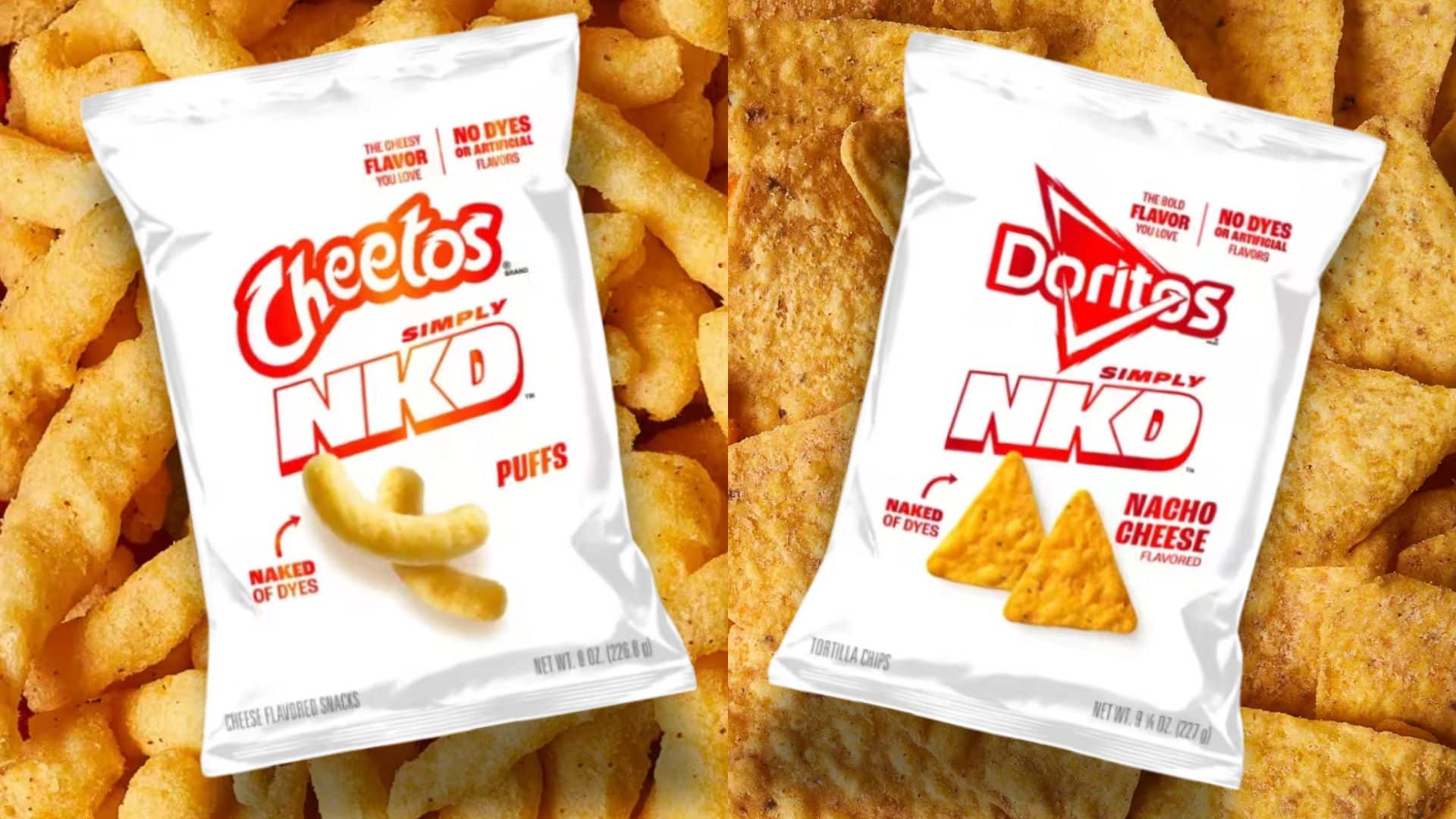

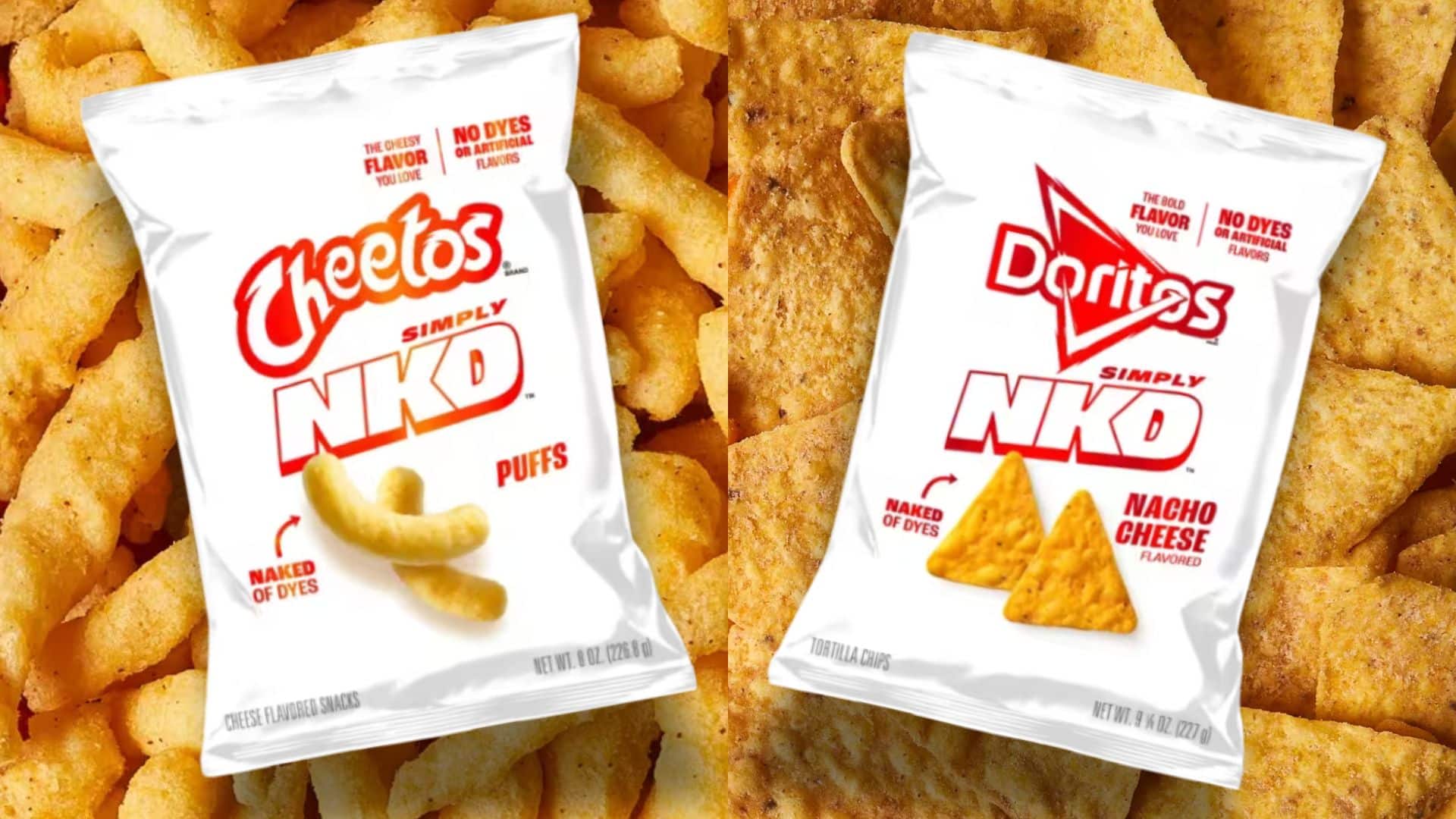
The iconic orange glow of Doritos and Cheetos is fading as PepsiCo rolls out its new Simply NKD line—versions of classic snacks made without artificial dyes or flavors. Available starting Dec. 1, the toned-down chips arrive as public scrutiny around synthetic color additives intensifies and consumer demand shifts toward simpler ingredient lists.
The update represents one of the biggest visual transformations in the brands’ history. Instead of their familiar neon orange coating, the new dye-free versions have a muted yellow tint, more closely resembling plain tortilla chips. Despite the visual overhaul, PepsiCo emphasizes that the taste and crunch remain the same, preserving the core experience that fans expect.
This change isn’t happening in isolation. Nationwide pressure from health advocates and growing regulatory action around petroleum-based dyes—such as Red 40, Yellow 5, and Yellow 6—has encouraged major food companies to reevaluate artificial coloring. The FDA plans to phase out several synthetic dyes, and states across the country are pushing similar restrictions, setting the stage for a broader reformulation trend in packaged foods.
What Sparked the Change

The shift toward dye-free snacks comes amid a sweeping national move to eliminate petroleum-based synthetic dyes from the American food supply. The U.S. Department of Health and Human Services announced that eight artificial dyes will be removed by the end of 2026, citing research linking certain synthetic colorings to behavioral issues in children. Two dyes—Red No. 2 and Orange B—will be phased out even sooner.
This regulatory pressure builds on a growing body of research indicating that artificial dyes appear in nearly one in five packaged foods in the U.S. and in particularly high amounts in products marketed to children. The dyes are restricted or banned in countries including the U.K., the European Union, Australia, and Canada, where companies already use naturally derived alternatives. The U.S. is now following that direction, prompting snack makers to accelerate reformulation timelines.
Food experts say eliminating dyes is a relatively simple step compared to other nutrition reforms. Studies and international examples show that natural colorings from ingredients like vegetable extracts can deliver similar results without the health concerns. For regulators and companies alike, the move offers a high-impact way to modernize the food supply with minimal disruption to taste or quality.
Inside the Simply NKD Line
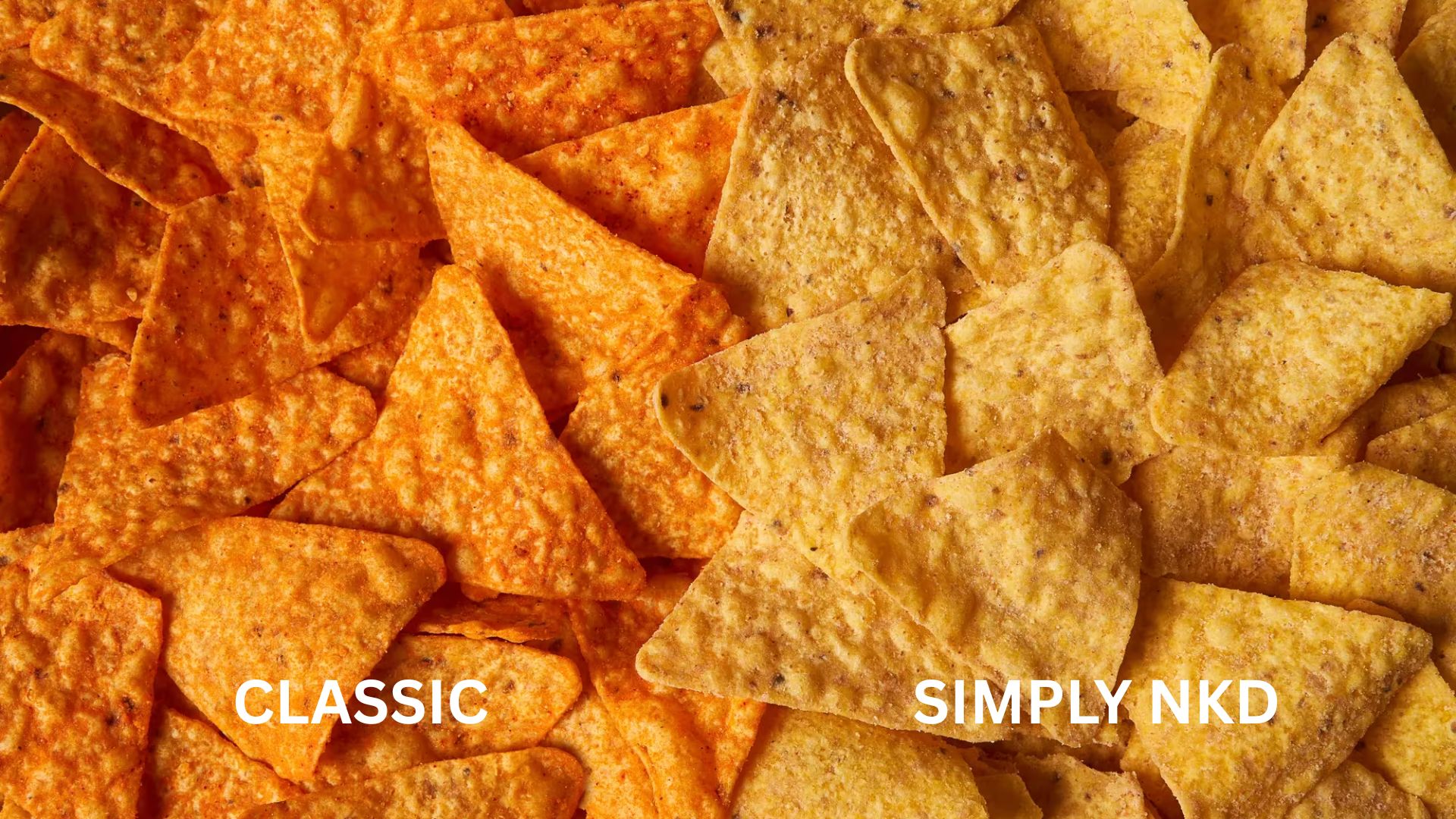
PepsiCo’s new Simply NKD line includes dye-free versions of Nacho Cheese Doritos, Cool Ranch Doritos, Cheetos Puffs, and Flamin’ Hot Cheetos. These products are designed to taste identical to the originals but without the artificial colors or flavor-enhancing additives typically found in the classic versions. Consumers can expect the same crunch and signature seasoning profile—just without the neon coating. The lighter appearance is intentional and reflects the company’s effort to meet growing interest in cleaner ingredient lists.
From a marketing perspective, the change presents a notable challenge. Bright orange coloring has long served as a powerful visual cue, reinforcing brand identity and drawing shopper attention on crowded shelves. Experts note that removing an iconic element requires recalibrating how consumers perceive authenticity and excitement. The new chips must prove themselves through flavor and experience rather than visual boldness.
Still, PepsiCo is not replacing the original products. Traditional Doritos and Cheetos will remain available, allowing fans to choose their preferred version. This dual-line strategy reduces risk, offers an A/B test for consumer response, and avoids the kind of backlash triggered by past attempts to overhaul beloved brands. It also positions Simply NKD as an additive choice rather than a forced transition, appealing to both loyalists and ingredient-conscious shoppers.
How It Affects Your Snacks
The move toward dye-free chips signals a broader shift in how major food companies balance nostalgia with evolving health expectations. Removing synthetic colors doesn’t change the flavor, but it alters a familiar visual identity that’s been part of snacking culture for decades.
Brands now face the task of maintaining their signature appeal while embracing cleaner ingredient commitments—a balancing act likely to shape future product innovation across the industry.
As Simply NKD versions hit shelves, consumers can expect more reforms in coming years. PepsiCo, Kraft Heinz, and General Mills are among the companies pledging to eliminate synthetic dyes across wide portions of their portfolios. This trend suggests that today’s muted chips aren’t a one-off experiment but part of a larger transformation in how packaged foods are produced and marketed. For snack fans, that means more choices—and a new look for some very familiar favorites.