A Common Drinking Water Source May Raise Parkinson’s Risk at an Alarming 62% Rate

The water flowing from your tap might hold a hidden connection to neurological health. A massive new study has identified a striking link between specific types of groundwater and an increased risk of developing Parkinson’s disease. Researchers found that the age of the water and the geological structure of the aquifer it sits in could be a potential environmental risk factor for the condition.
The study, led by Brittany Krzyzanowski of the Atria Research Institute, analyzed data from over 1.2 million people across the United States. By mapping residence proximity to groundwater sampling sites, the team discovered that not all well water is created equal. The most significant danger appears to lie in newer groundwater, water replenished by precipitation within the last 75 years, which is far more likely to be exposed to modern surface pollutants.
While the research shows a powerful association rather than a direct cause-and-effect, the numbers are hard to ignore. The findings are set to be a focal point at the American Academy of Neurology’s 78th Annual Meeting in Chicago. As we look closer at our environment, this study suggests that where our water comes from could shape our long-term brain health in ways we are only beginning to understand.
The Carbonate Aquifer Connection
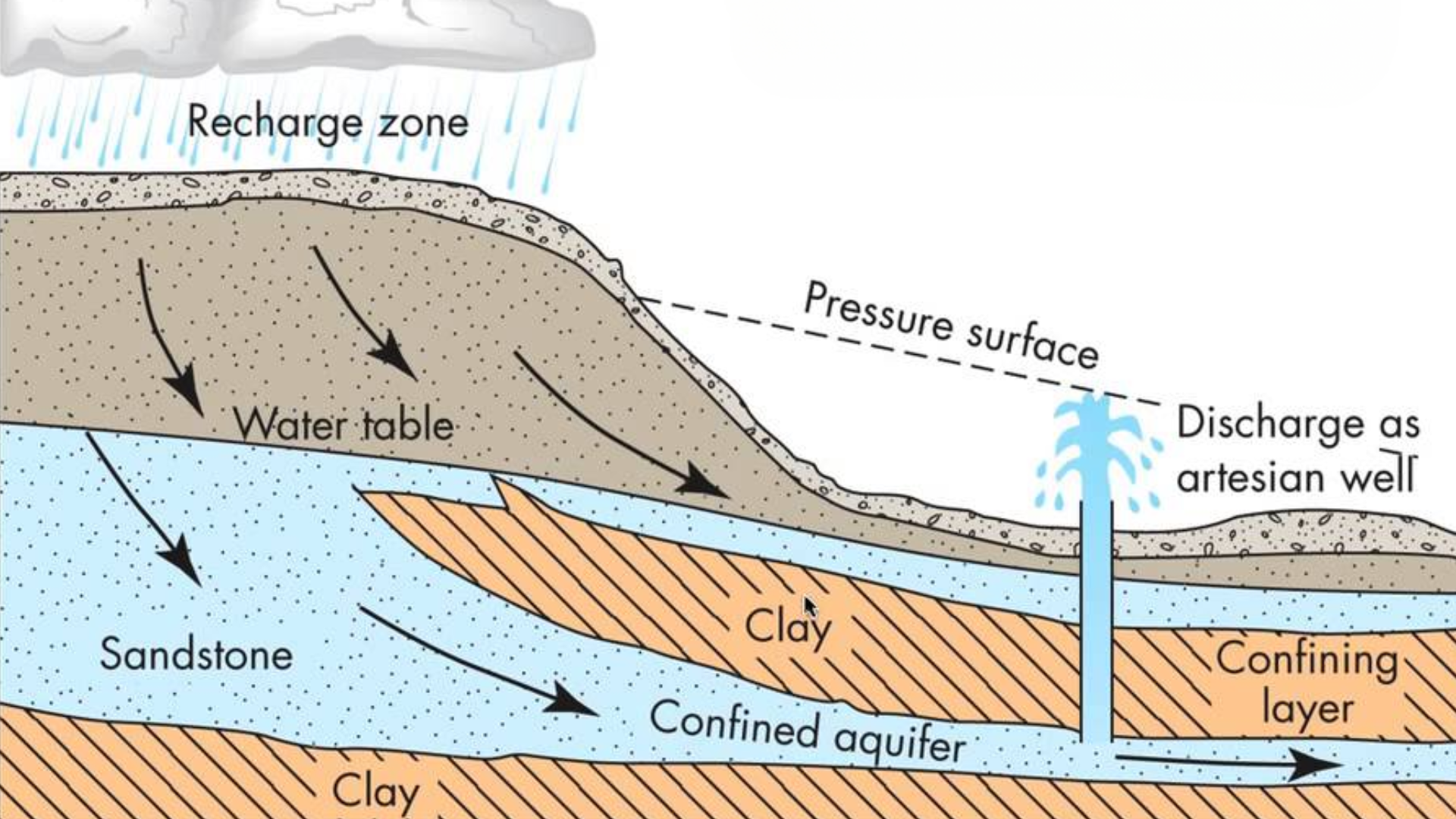
The highest risks were found in carbonate aquifers, which are the most common type of groundwater system in the U.S.. These systems consist of porous rock, silt, or sand that hold and transport water, but their structure often makes them vulnerable to surface contamination. According to the study, drinking water drawn from these carbonate systems was associated with a 24% higher risk of Parkinson’s compared to other aquifer types.
When compared specifically to glacial aquifers, the risk associated with carbonate water jumped to an alarming 62%. The difference lies in the natural filtration process. Glacial aquifers, formed by the movement of ice age glaciers, are composed of sand and gravel that tend to scrub out contaminants as water travels underground. Carbonate systems often lack this confining layer, allowing modern pollutants to seep in more easily.
The study highlighted that newer water in these carbonate systems, which has fallen as rain or snow in the last seven decades, carried an 11% higher risk than water dating back to the ice age. Older groundwater is typically shielded at much greater depths, keeping it isolated from the chemical runoff and industrial pollutants of the modern era.
Modern Pollution vs. Ice Age Purity

The core issue appears to be our exposure to 20th and 21st-century neurotoxic contaminants. Newer groundwater has been surface-exposed during the height of industrial and agricultural expansion. In contrast, older groundwater, some of which is more than 12,000 years old, has remained trapped deep underground since the last ice age, effectively acting as a time capsule of pure water.
Researchers speculate that the protective effect of older water is most visible in carbonate aquifers because the contrast between clean and contaminated layers is so sharp. In glacial aquifers, the constant movement of water tends to blur these lines, making differences in contamination harder to detect. This suggests that the geological container of our water is just as important as the water itself.
The scale of the study adds significant weight to these findings. By looking at 12,370 people with Parkinson’s and matching them by age and sex against a massive control group, the researchers were able to isolate groundwater as a specific variable. It reveals that for those living near carbonate systems, the modernity of their water source might be an invisible threat to their nervous system.
A New Map for Neurological Safety

This research serves as a wake-up call for communities relying on groundwater, particularly in the United States. While more research is required to pinpoint exactly which chemicals are driving the risk, the study provides a roadmap for where to look. Knowing that certain aquifer types are high-risk may help local governments better assess and reduce environmental hazards for their residents.
The study doesn’t suggest you should stop drinking tap water, but it does emphasize the importance of advanced filtration and regular testing for those on private or community wells. As we continue to battle rising rates of neurological diseases, understanding these environmental triggers becomes a matter of public safety. Protecting our deepest, oldest water sources may be one of the best defenses we have.
In the end, the lesson from the depths of the Earth is simple: the purity of the past is our best shield against the pollutants of the present. By recognizing the link between groundwater age and brain health, we can take the first steps toward a safer, cleaner future. For now, the silent risk in the water remains a vital area of study for neurologists and environmentalists alike.