Eating at McDonald’s Isn’t Affordable for Many Americans Anymore

Brendan Baber already knows what’s going to happen before he even pulls up to the menu board. His six-year-old foster daughter wants fries. She always wants fries. And they’re going to cost him five dollars. “You can’t get a large fries for less than five bucks anymore,” says Baber, 57, a content marketer from Kenosha, Wisconsin. Week after week, he sits in the glow of the Golden Arches watching the total climb on the digital board, quietly doing the math on a meal that was never supposed to require math. McDonald’s used to be the answer to dinner on a tight night. Now it’s becoming the problem.
He’s not alone in that drive-thru line, and he’s not alone in that frustration. Across the country, the people who once counted on McDonald’s the most — working families, low-wage earners, tradesmen grabbing a fast lunch between jobs — are pulling back. As grocery bills sit roughly 25 percent higher than before the pandemic, and as rent and gas continue to drain household budgets, the chain that built its empire on feeding everyone cheaply has quietly priced out the very customers who made it iconic.
Ralph Severson sees it from the cab of a work truck. The 60-year-old licensed contractor from New Albany, Indiana, says construction and skilled trades have always run on fast food. His crew used to stop at McDonald’s without thinking twice. These days, his crew takes one look at the menu board and moves on. The food hasn’t changed. The experience hasn’t changed. The price has. And for workers who eat on the road every single day, the difference between a reasonable lunch and an overpriced one adds up fast. And the numbers prove it.
The Numbers Tell a Brutal Story
The price increases at McDonald’s are not a matter of perception. It’s documented and it’s steep. In 2000, a Big Mac cost about $2.24. Adjusted for general inflation, that same sandwich should cost roughly $4.22 today. Instead, the average price hit $6 by mid-2025, about 40 percent more than inflation alone would warrant. A FinanceBuzz analysis found that a Quarter Pounder with Cheese meal more than doubled over the decade, climbing from $5.39 in 2014 to $11.99 in 2024.
Across ten popular menu items, McDonald’s prices have roughly doubled since 2014, far outpacing the roughly 31 percent rise in overall consumer prices during that same period. A ten-piece McNuggets meal went from $7.19 in 2019 to $9.19 in 2024. McDonald’s USA president Joe Erlinger acknowledged in an open letter that average menu prices are up around 40 percent since 2019, though the company insists those increases align with broader restaurant industry trends. The industry agrees. But that doesn’t make the total on the screen any easier to stomach.
John Raisor, 42, a digital marketer from Sulphur, Kentucky, captures what millions of people are quietly realizing. A fast-food lunch for one person now regularly clears $10. A few years ago, $10 could feed a small group. McDonald’s CEO Chris Kempczinski has acknowledged to investors that the chain’s lowest-income customers — households earning under $45,000 annually — are the ones pulling back the hardest, increasingly opting to eat at home rather than pay current drive-thru prices. That is a significant admission for a brand that staked its entire reputation on being the option anyone could afford.
McDonald’s Isn’t the Only Guilty Party
McDonald’s gets the headlines, but it’s far from alone. The same FinanceBuzz study found that Popeyes prices climbed an average of 86% over the past decade, with Taco Bell up around 81% and Chipotle close behind at roughly 75%. Wendy’s briefly held the title of most expensive major fast-food chain in 2022, with the average menu item at $6.63 after a 35% spike in just over a year. The affordable fast-food lunch, as Americans knew it, has essentially vanished across the entire industry.
The reasons behind the increases are real: higher beef and chicken prices, sharp jumps in wages, and rising supply chain costs all pushed expenses upward during and after the pandemic. Franchise owners pass those costs to customers, and consumers feel the pinch regardless of the explanation. Severson’s question cuts to the heart of it: how did a menu built on dollar items become one where a basic combo crosses ten dollars within just a few years? A 2024 LendingTree survey found that close to 8 in 10 Americans now describe fast food as a luxury, a characterization that would have seemed absurd not long ago.
The frustration has reached satisfaction scores too. In the 2025 American Customer Satisfaction Index, McDonald’s finished last among 23 major fast-food chains for the third year running. Consumer finance analyst Matt Schulz of LendingTree describes the shift as a genuinely new development in how Americans relate to fast food. It tells you that many Americans definitely feel squeezed financially. The brand that once built its name on feeding everyone cheaply is now a symbol of how expensive ordinary life has become. McDonald’s knows it. And its fix may be making things worse.
The App Deal Gamble
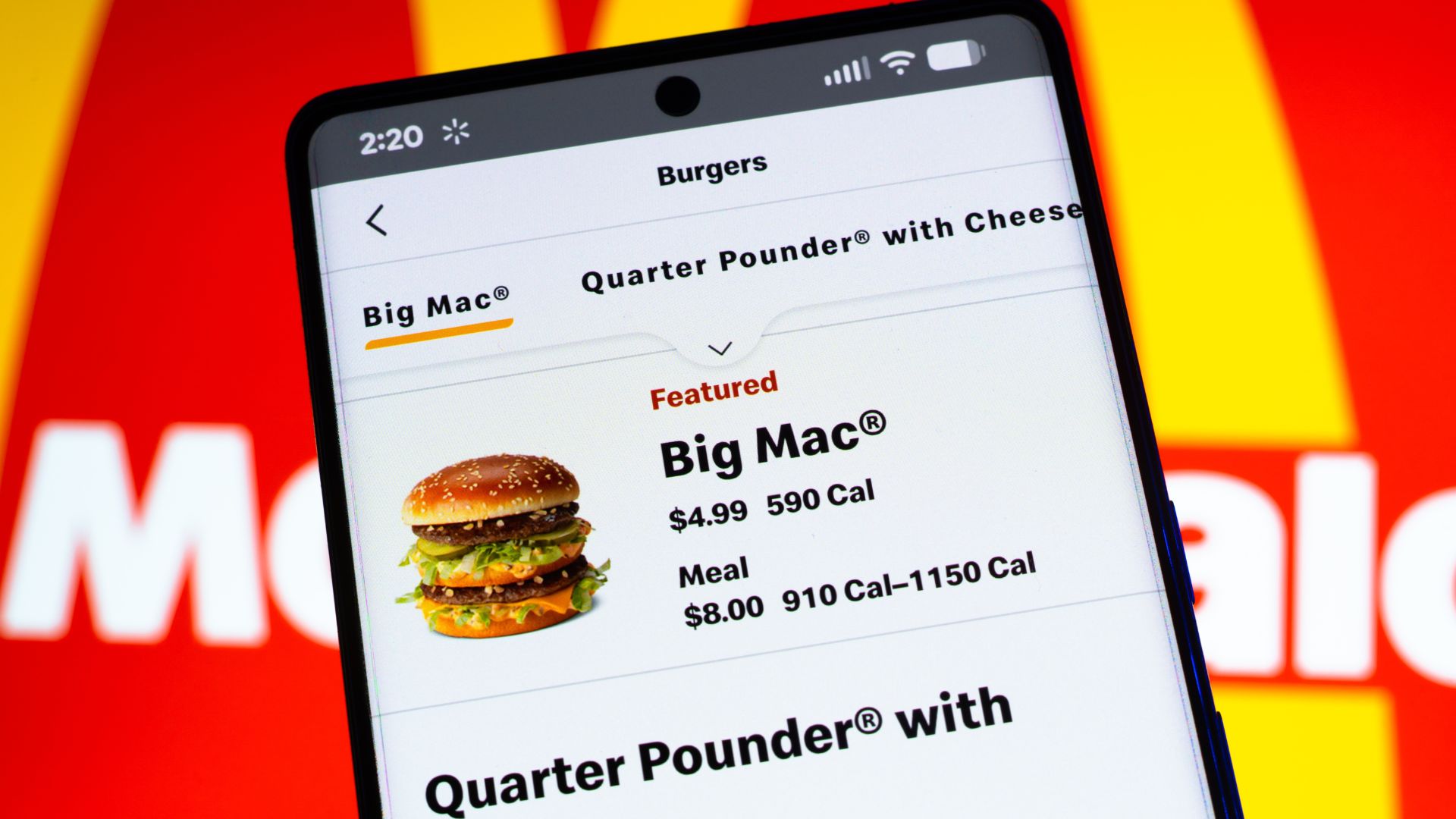
McDonald’s knows it has a problem. CEO Chris Kempczinski has publicly admitted the chain “hasn’t focused strongly enough on value” and says the company is working to re-establish itself as the affordable option in a tightening economy. Their answer has been a wave of limited-time deals, including $5 combo meals and a retooled McValue lineup built around $5 and $6 meal deals. There is just one catch: the best discounts are locked behind the McDonald’s app, available only to users willing to navigate digital promotions to access them.
A lot of customers aren’t playing along. Baber’s daughter has told him repeatedly that the app is the workaround to high prices. He is not interested. He finds the app cumbersome and believes the promotional deals cycle out too quickly to be worth the effort of building a habit around them. He is not unusual in that resistance. Tying the best prices to a digital loyalty platform means that customers who are less tech-comfortable, less inclined toward data sharing, or simply unwilling to manage another app are effectively paying a premium to order the same way people always have. When saving money at McDonald’s requires a loyalty account, something has gone wrong.
Schulz sees the tension clearly. The gap between the deals McDonald’s advertises and what most people actually pay at the counter is exactly why fast food has become a symbol of the broader affordability crisis. The app works for some. But for people who want a quick, no-fuss meal at a fair price, it adds friction to an experience that was never supposed to be complicated. And when the workaround to high prices is a smartphone and a digital coupon, the chain has moved even further from the customers it is loudly promising to win back.
The Question McDonald’s Still Can’t Answer
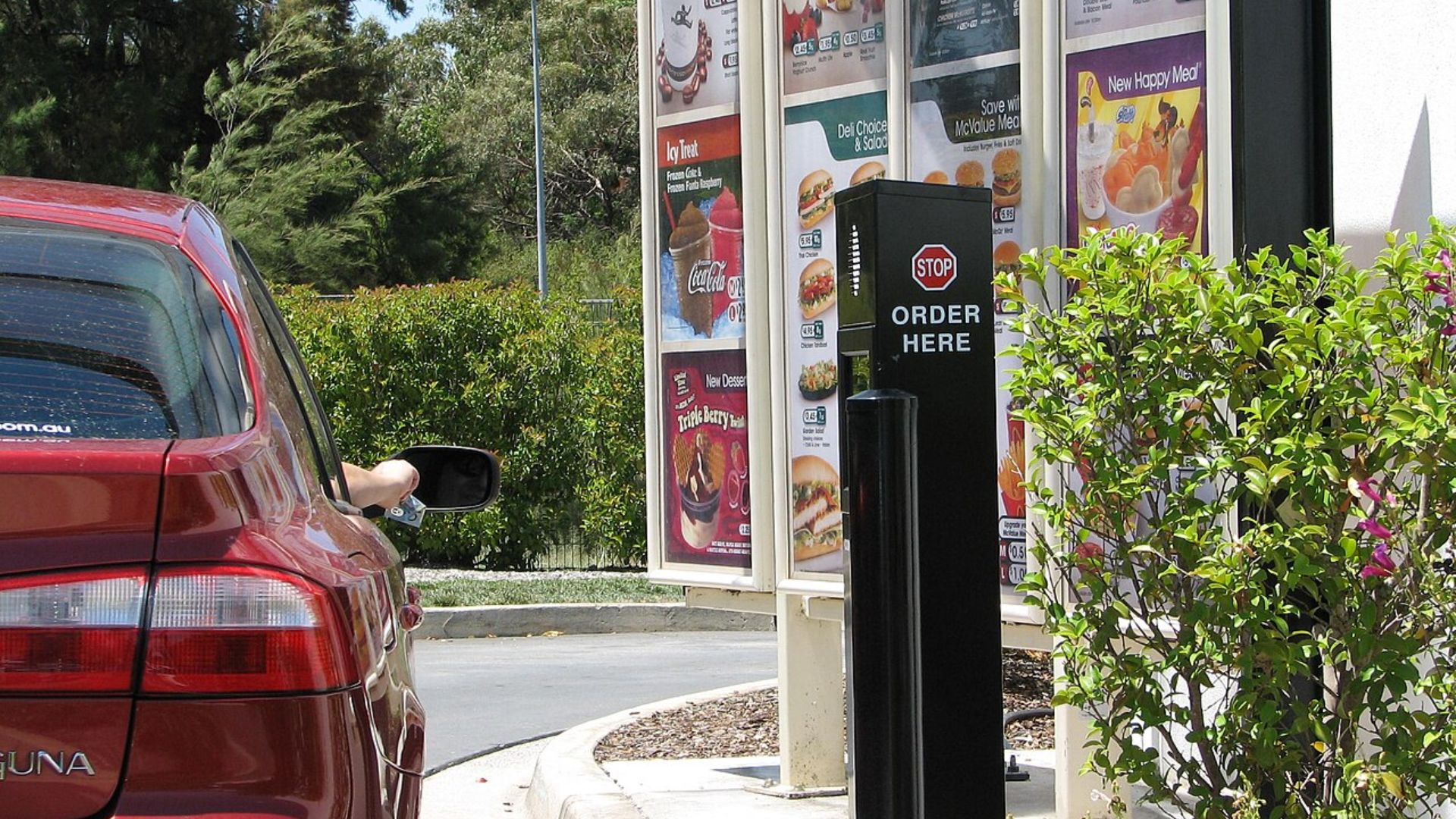
Baber keeps doing the math in the drive-thru lane, measuring whether whatever deal is currently running adds up to a real meal or just a discount on something insufficient. He is not demanding a miracle from a fast-food chain. He is asking for something simpler: the ability to say yes to his kids on an ordinary weeknight without a $30 receipt for burgers and fries. That frustration, quiet and specific and completely ordinary, is exactly what McDonald’s needs to solve. So far, it hasn’t.
The chain that once welcomed everyone — the budget-stretched family, the overnight shift worker, the kid with five dollars — now makes many of those same people think twice. McDonald’s remains one of the most recognized brands on earth, and its executives are betting that enough deals and enough nostalgia will keep customers coming back. But when a chain finishes last in customer satisfaction three years straight and 8 in 10 Americans call it a luxury, the problem is not a marketing issue.
Until the prices actually come down, the Golden Arches will keep serving as a reminder of what affordable America used to look like, and how far it has drifted from the people who needed it most.