Forget the Sniff Test. Could This Electronic Nose Soon Tell You if Food Has Gone Bad?
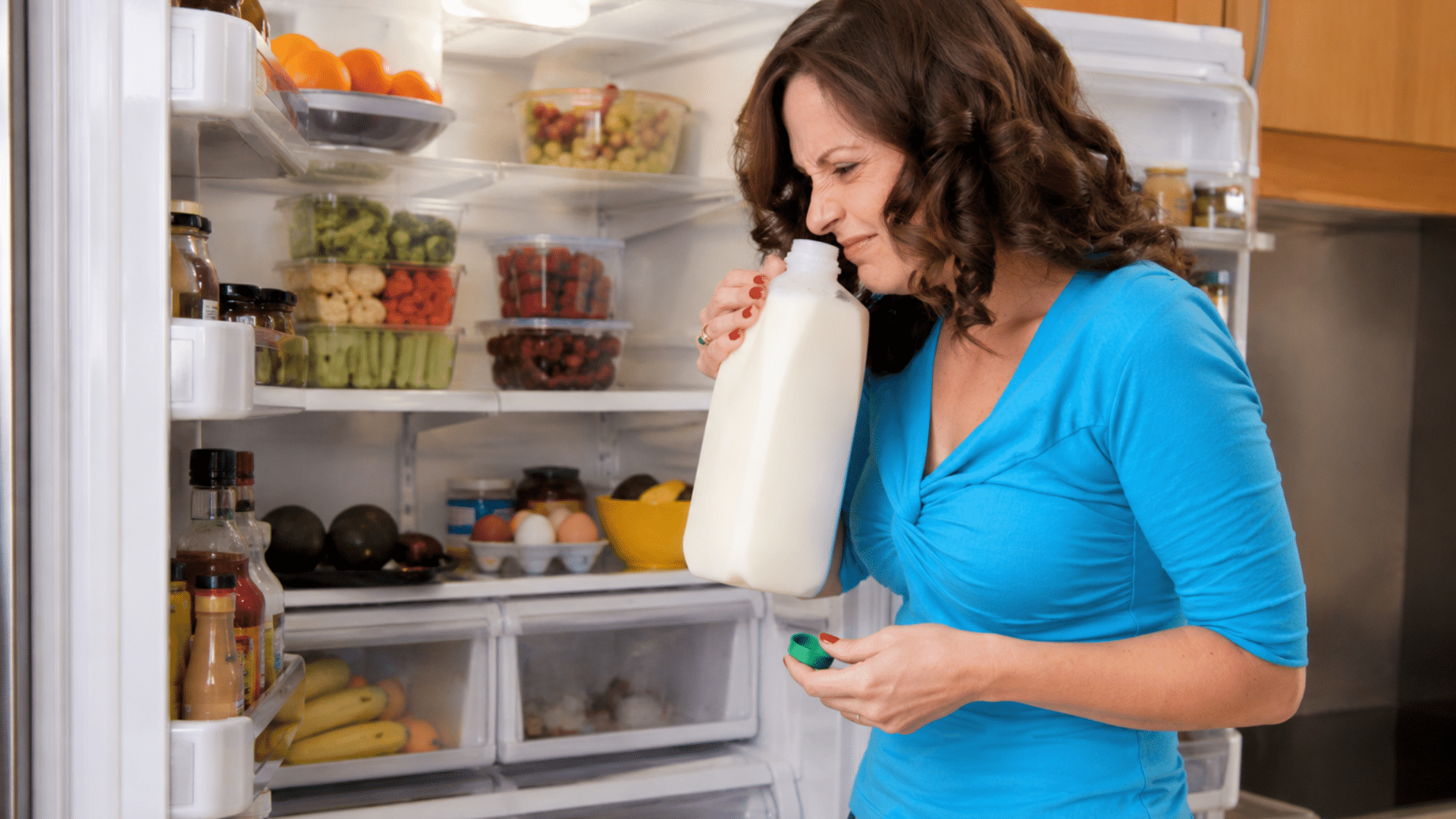

What if your nose isn’t the best judge of whether food has gone bad? Scientists at UC Berkeley think there is a better way to answer that question than trusting your own nose. They built a device that can smell spoiled food more precisely than any human ever could. Could a machine actually replace one of our most basic kitchen instincts?
This article was created with the assistance of AI and reviewed by our editorial team for accuracy and clarity.
A Nose With 16 Sensors Instead of Two Nostrils
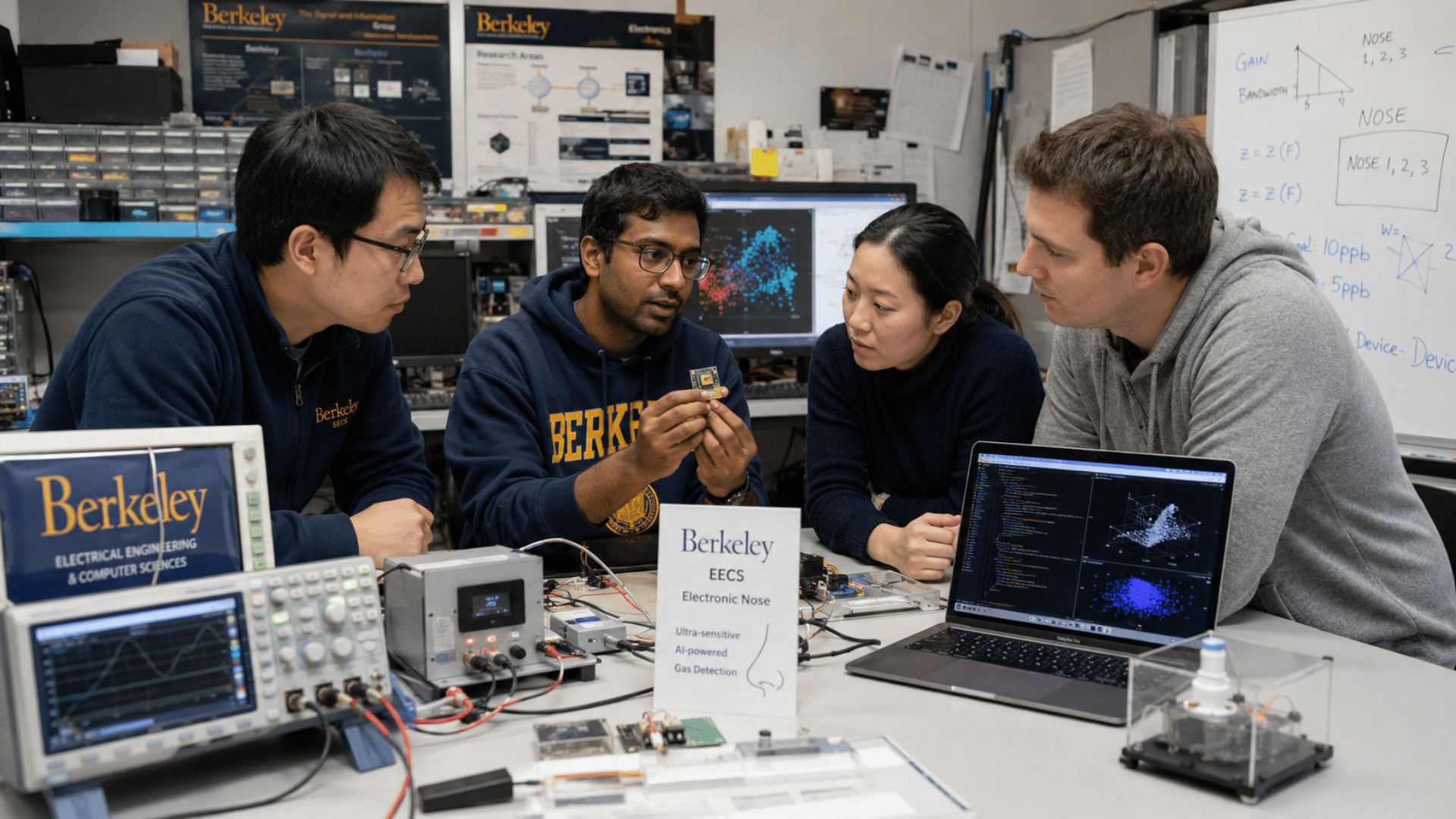
This device does not look anything like a nose, but it works a lot like one. Researchers at UC Berkeley built an electronic nose that uses 16 gas sensors combined with machine learning to detect spoiled food and common allergens. Early tests suggest it can outperform human sensitivity in picking up on early signs of spoilage. Someday, the same technology could sit quietly inside your refrigerator, watching over your groceries.
48 Million Americans Get Sick From This Every Year
Spoiled food is not just an unpleasant smell, it is a real public health problem. The CDC estimates that 48 million Americans get sick from foodborne illness every single year. Most cases pass within a day or two, but the CDC also reports roughly 3,000 deaths annually tied to these illnesses. That combination of scale and risk is exactly why researchers think this problem deserves a high tech solution.
A Simple Kitchen Question Became a Serious Engineering Project
This project came together at one of the country’s top engineering programs. The team published its findings in the journal Science Advances this past June. Carla Bassil, a PhD student in electrical engineering and computer sciences, led the research as its lead author. She worked under senior author Ali Javey, a distinguished chair in semiconductor processing at UC Berkeley. Together, they turned a simple kitchen question into a serious engineering challenge.
Seven Foods Taught This Machine What Spoiled Actually Smells Like
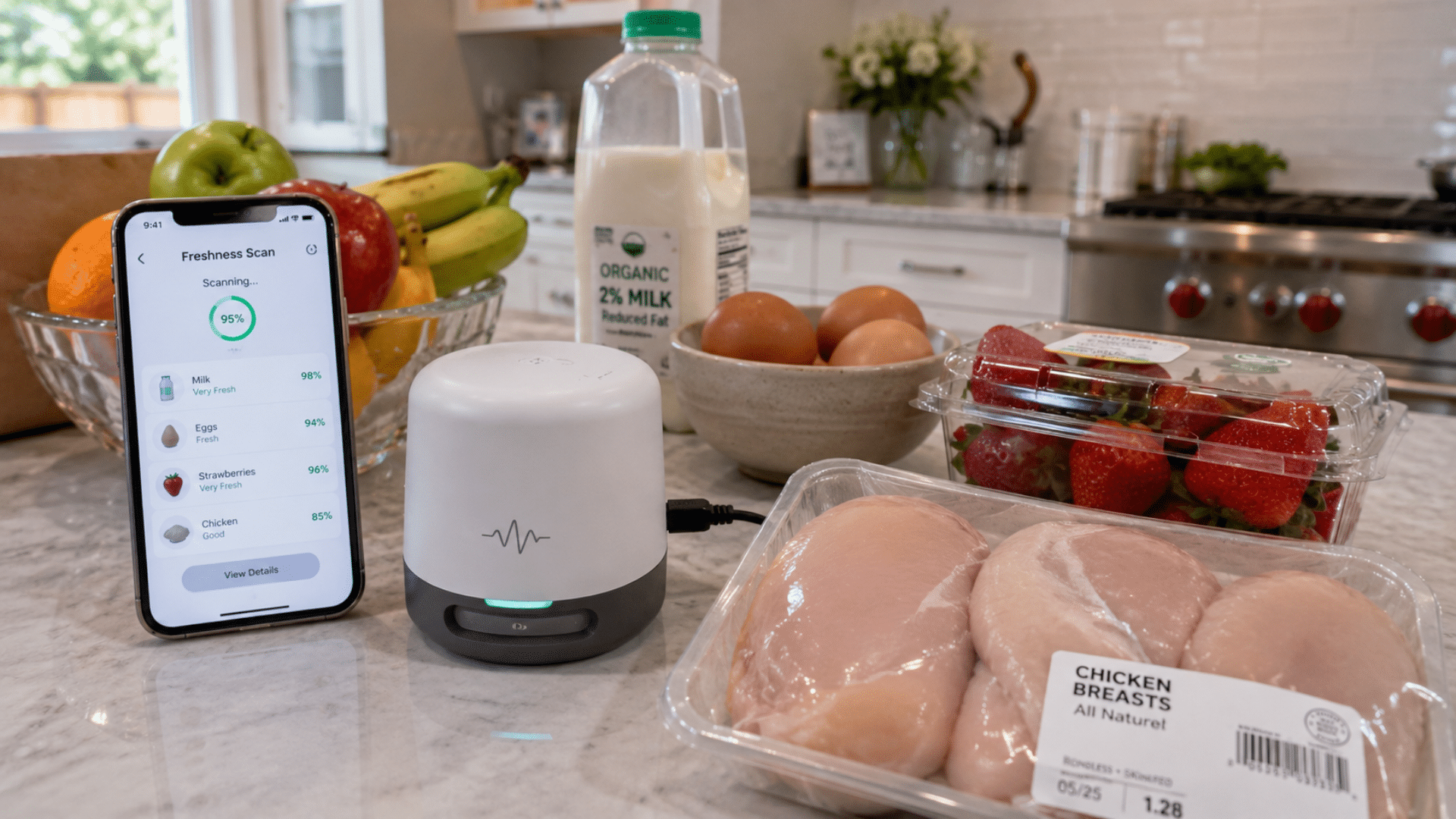
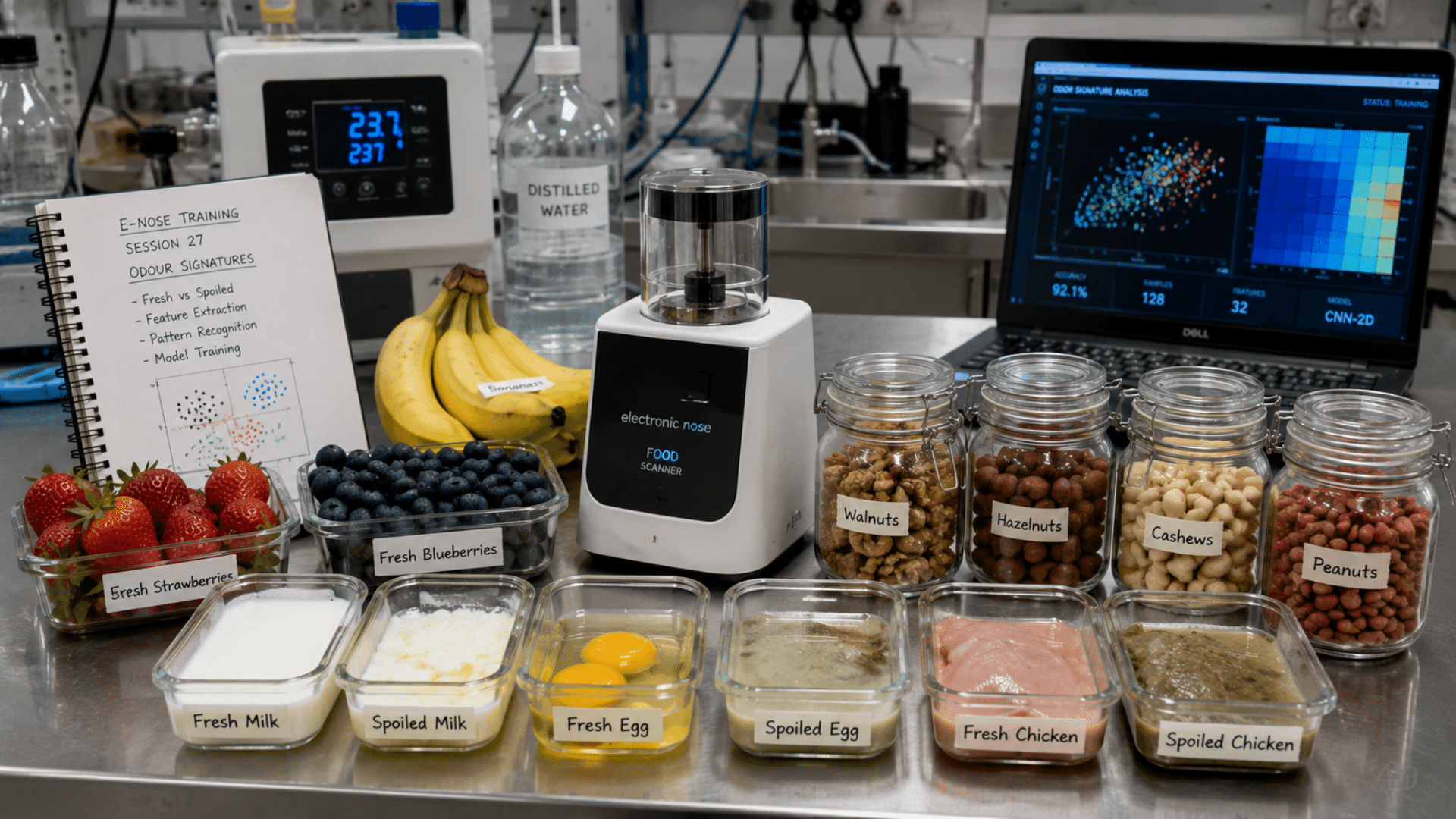
Teaching a machine to smell spoiled food starts with feeding it a lot of examples. Bassil trained the device on the scent signatures of seven specific foods: strawberry, blueberry, banana, walnut, hazelnut, cashew and peanut. She also trained it to recognize raw chicken, milk and eggs, both fresh and after sitting out at room temperature for 24 and 48 hours. That range gave the sensor a solid baseline for comparison.
It Can Detect One Hundredth of a Single Walnut
The sensitivity numbers here are genuinely hard to picture. According to Bassil, the device can detect just 0.05 grams of isolated walnut, roughly one hundredth of an average shelled walnut. That level of detection goes far beyond anything a human nose could manage. Still, Bassil was clear that the device has not yet been tested when multiple food scents overlap, like inside a salad or a packed refrigerator shelf.
“Far More Objective Than Any Human Nose Can Be”
Bassil does not shy away from comparing her invention directly to human ability. According to Bassil, the device is “far more sensitive and far more objective than any human nose can be.” That claim sits at the center of why researchers think this technology matters beyond a lab demonstration. A sensor does not get distracted, tired, or fooled by a strong competing smell the way a person might.
The Real Breakthrough Is How Thin These Sensors Actually Are
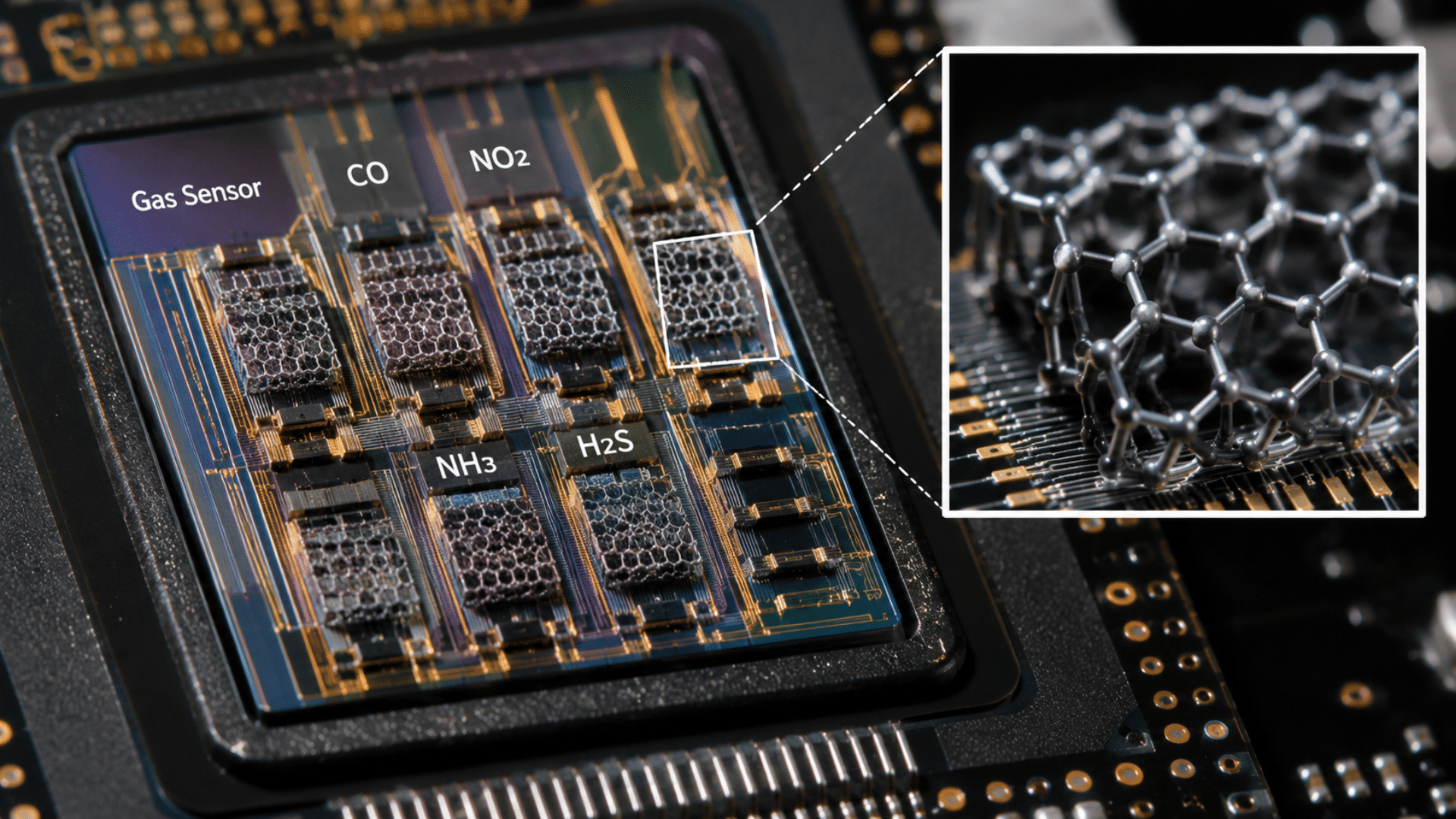
Sixteen tiny sensors working together is what makes this device different from older smell detecting tech. Each sensor carries its own unique coating, converting chemical reactions with gas molecules into electrical signals the machine can read. Older technology, like household carbon monoxide detectors, typically relies on just a single sensor. Bassil’s breakthrough involved layering carbon nanotubes only a few atoms thick, allowing many more sensitive sensors to fit onto one small chip.
A Portable Version Already Pairs With an iPhone App
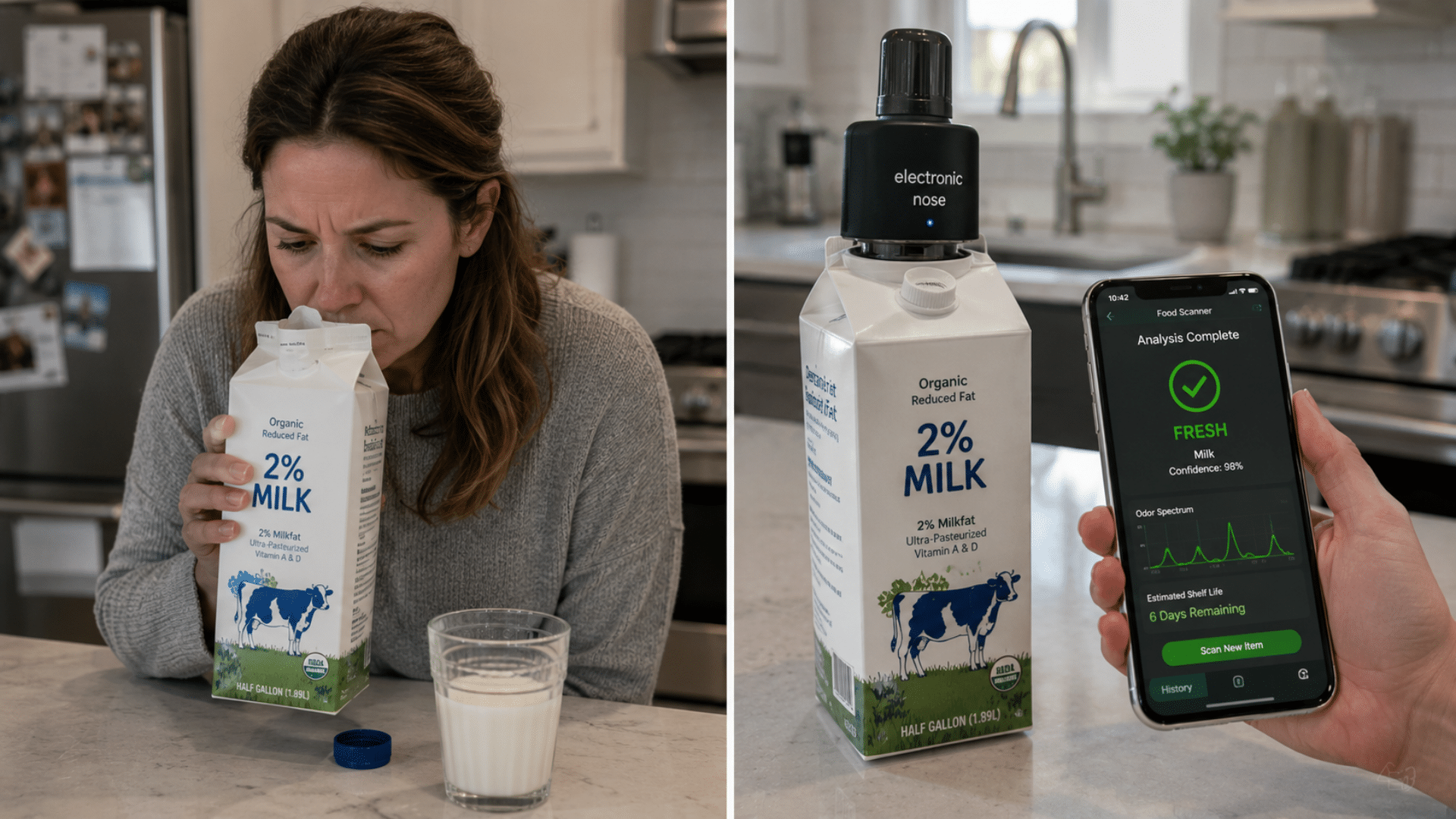
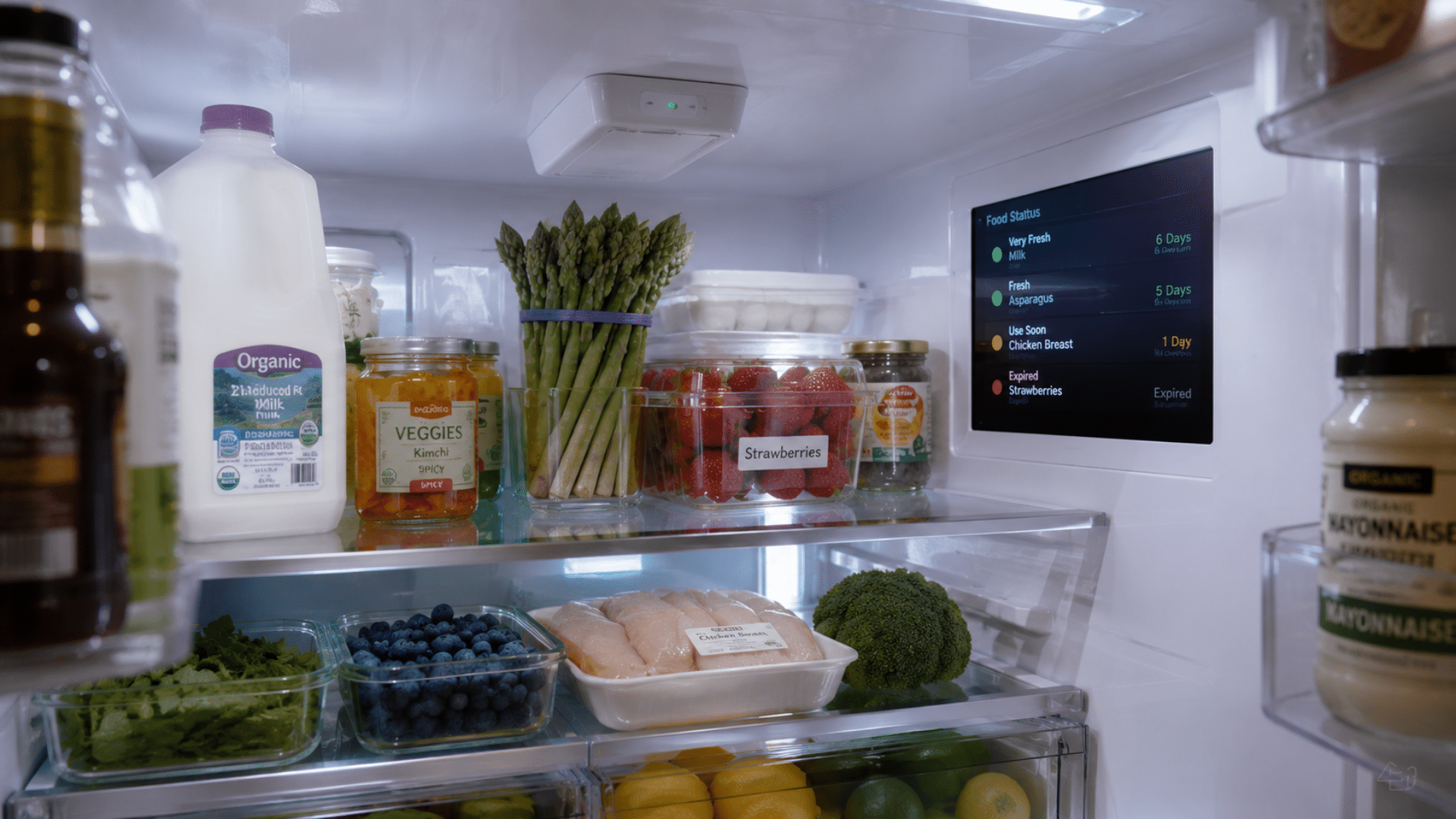
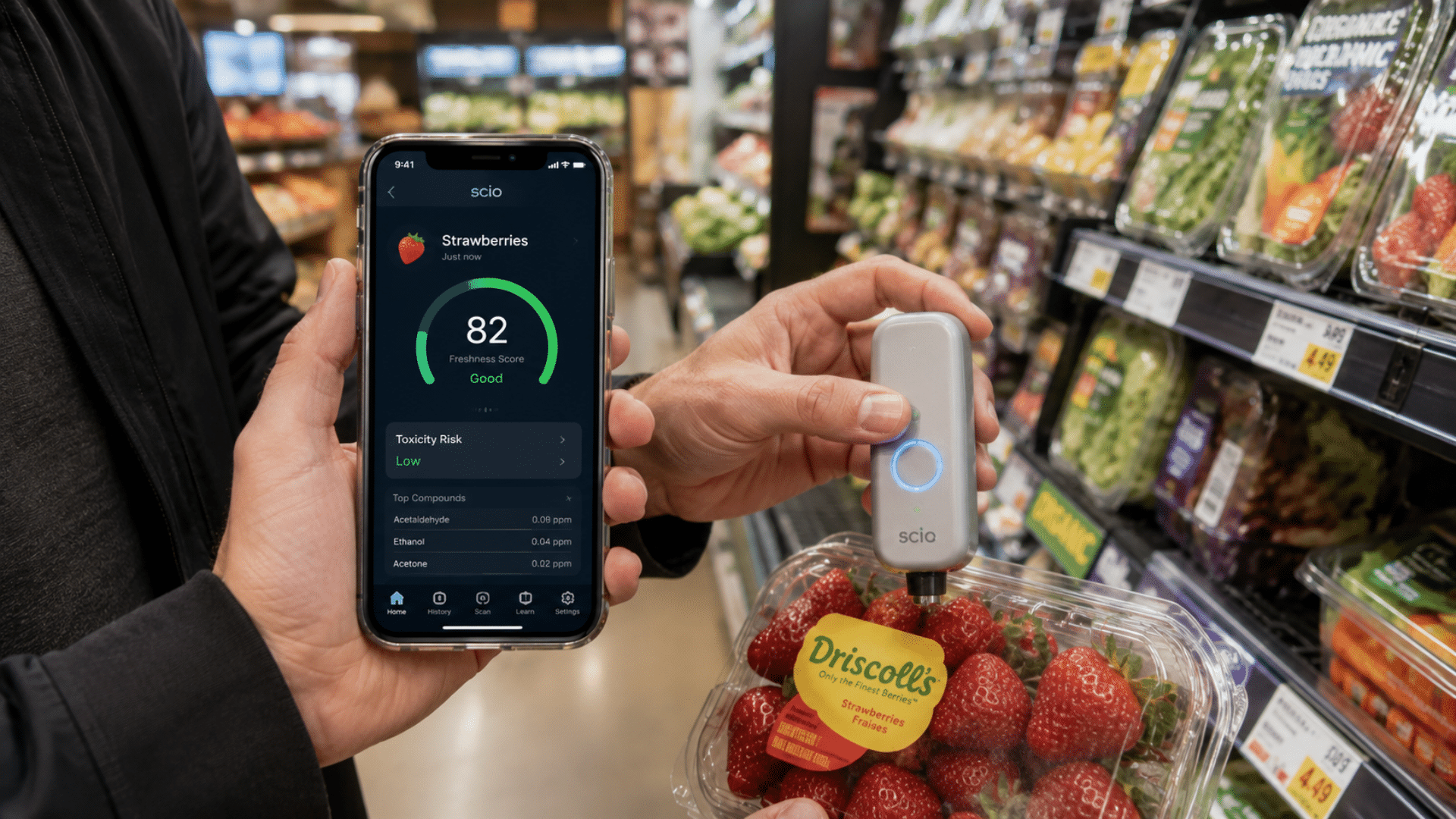
This technology is not staying locked inside a university lab. Bassil has already built a portable version that pairs with an iPhone app, meaning someone could theoretically carry it to a restaurant or bring it along while traveling. The bigger long term vision involves smart refrigerators that quietly track your food and warn you before ingredients go bad, catching spoilage before it ever reaches your plate.
The Sniff Test Isn’t Obsolete Yet, but It Might Be Someday

That cautious sniff test over an open milk carton might eventually become unnecessary. This electronic nose is still years away from sitting inside a real kitchen, and researchers admit it needs far more testing under messy, real world conditions first. For now, trusting your own nose still works fine. But a sensor chip that never gets fooled by a strong cheese smell might just take over that job eventually.