EPA Rollback of PFAS Drinking Water Rules Sparks Nationwide Health Concerns


A proposed rollback of federal drinking water limits on PFAS chemicals by the Environmental Protection Agency (EPA) has triggered widespread concern among public health advocates and environmental groups across the United States. The move targets regulations established in 2024 that set the first legally enforceable national limits for several PFAS compounds, often referred to as “forever chemicals” because they persist in the environment and human body. Critics argue that weakening these standards could expose millions of Americans to continued contamination risks in drinking water systems.
According to federal documents and reporting on the proposal, the EPA plans to rescind limits on four PFAS compounds while maintaining standards for two of the most studied chemicals, PFOA and PFOS. The agency has also proposed extending compliance deadlines for water utilities, giving them additional time to meet requirements that were originally designed to be phased in more quickly. Officials within the EPA argue the earlier rules may have been procedurally flawed and difficult for local systems to implement.
Public health researchers and environmental organizations, however, warn that PFAS exposure has been linked to serious health risks including cancer, immune system effects, and reproductive issues. These chemicals have been detected in water supplies, soil, and even rainwater across the country, raising concerns about long-term accumulation in ecosystems and human bodies. Advocacy groups say that rolling back protections could slow efforts to reduce exposure at a time when contamination remains widespread.
What the EPA Proposal Changes About PFAS Regulations

The EPA proposal would eliminate enforceable drinking water limits for several PFAS compounds, including PFHxS, PFNA, and other related substances, while keeping standards for PFOA and PFOS in place. The agency is also considering extending compliance deadlines for utilities, with some systems potentially receiving until 2031 to meet required limits. Officials say the changes are intended to ensure regulations are legally defensible and achievable for local water providers.
Supporters of the rollback, including some water utility groups, argue that the original rules placed significant financial and operational strain on smaller systems. They claim that upgrading treatment infrastructure to remove PFAS can be extremely costly and difficult to implement quickly, particularly in rural areas. EPA leadership has stated that the revised approach will still prioritize long-term contamination control while allowing more time for compliance.
However, environmental experts counter that delaying enforcement could prolong exposure to harmful chemicals already present in many communities. Studies and regulatory findings have consistently linked PFAS exposure to health conditions such as thyroid disease, high cholesterol, and certain cancers. Critics argue that weakening standards undermines recent progress in establishing nationwide protections for drinking water safety.
Public Health Experts Warn of Long-Term Exposure Risks
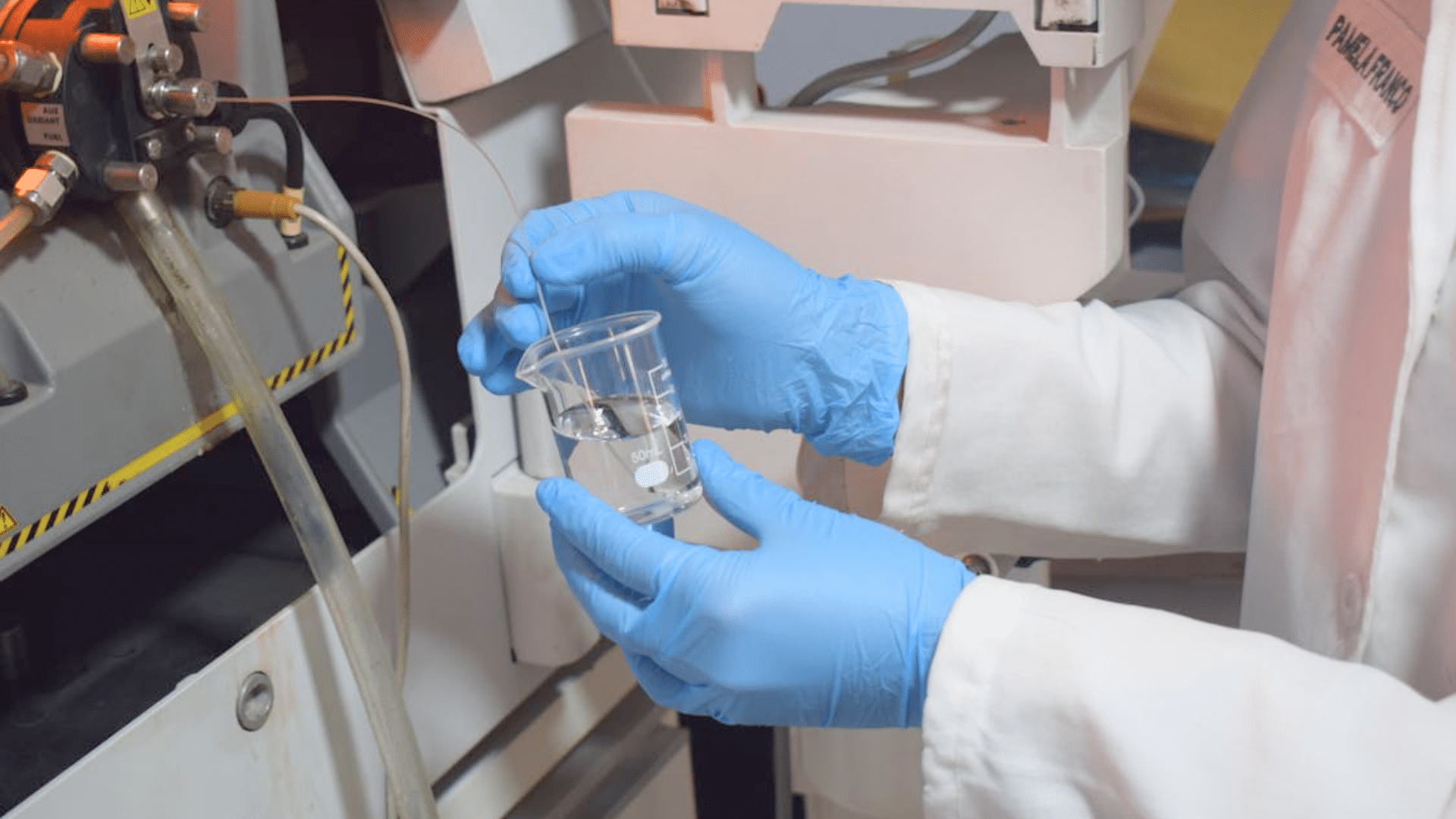
Health experts emphasize that PFAS chemicals are extremely persistent, meaning they do not break down easily and can accumulate in the environment and the human body over time. This persistence is why they are often called “forever chemicals,” and why even low-level exposure is considered a long-term health concern. Researchers say continued contamination in drinking water systems could contribute to ongoing population-wide exposure.
Environmental scientists also note that PFAS contamination is already widespread in public water systems, affecting millions of households across the country. They argue that early intervention and strict limits are necessary to prevent further accumulation and reduce long-term cleanup costs. Some experts warn that reversing regulations could make future remediation significantly more difficult and expensive.
At the same time, industry groups and utilities maintain that they need more time and financial support to meet strict standards without disrupting water services. The EPA has indicated it will continue working on revised rules and provide guidance to help systems reduce contamination levels over time. The debate remains active as the proposal moves through public comment and regulatory review.
PFAS Rule Rollback Highlights Ongoing Debate Over Water Safety Standards

The EPA’s proposed rollback of PFAS drinking water rules has intensified a national debate over how best to balance regulatory feasibility with public health protection. While the agency argues that revisions are needed to ensure workable and legally durable standards, critics say the changes risk weakening protections against hazardous chemicals in drinking water. The outcome will affect how water systems across the country manage contamination for years to come.
Public health advocates continue to stress that PFAS exposure is linked to a range of long-term health risks and that contamination remains widespread in the United States. They argue that delaying or rescinding limits could slow progress in reducing exposure at a critical time. Meanwhile, regulators and utilities are still evaluating how to implement any updated standards under the proposed framework.
As the rulemaking process continues, the proposal is expected to undergo public comment and further revision before any final decision is made. The debate highlights broader tensions between environmental regulation, infrastructure capacity, and public health priorities. For now, the future of PFAS drinking water limits remains uncertain as policymakers weigh competing concerns.

