Expert Review Finds ‘Microwave-Safe’ Plastic Containers May Not Be as Safe as Consumers Think
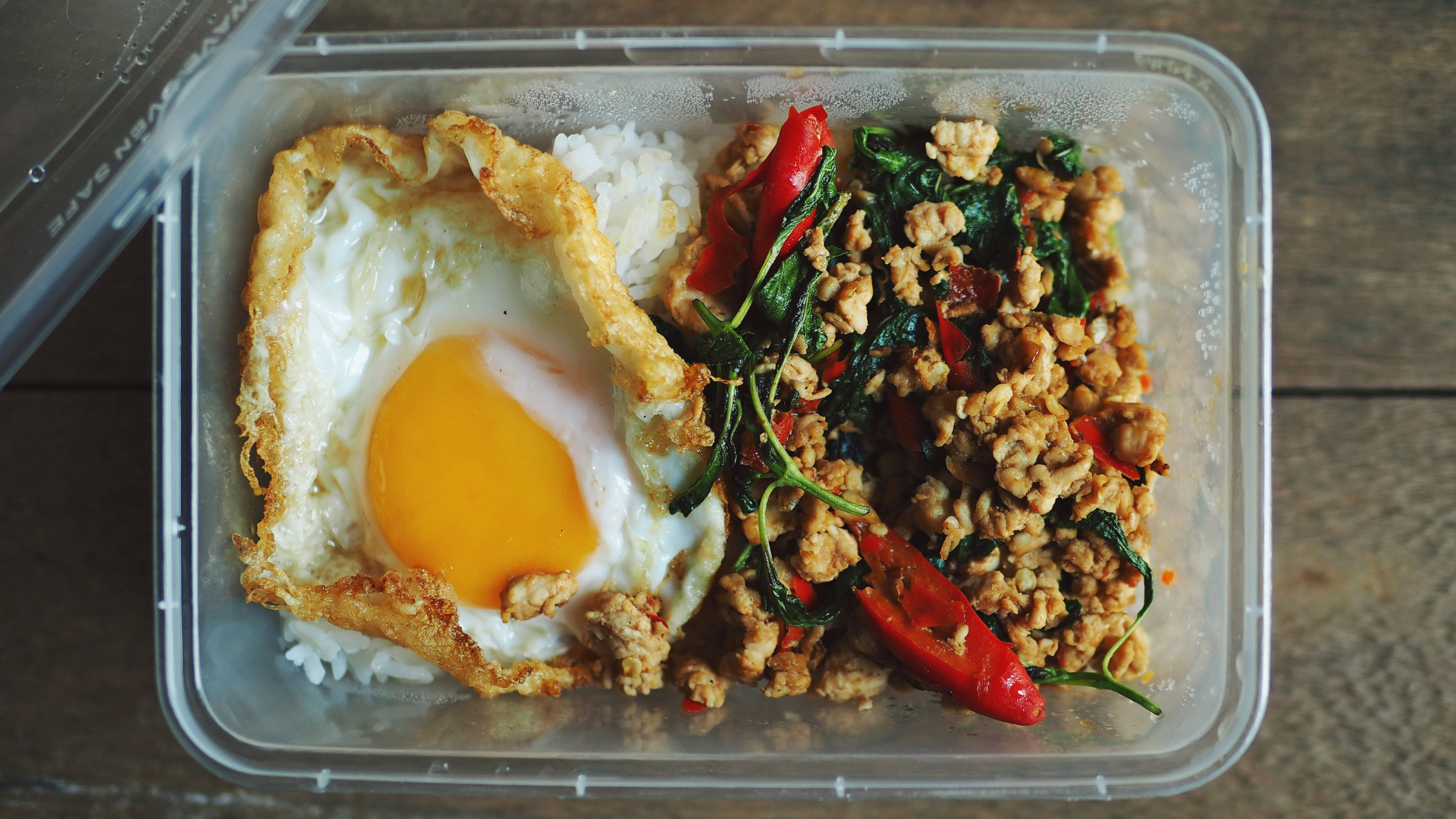

A new expert review has raised concerns about the safety of “microwave-safe” plastic food containers, suggesting that many products labeled for reheating may release microplastics and harmful chemicals when exposed to high heat. Although these containers are marketed as convenient and safe for everyday use, scientists and environmental advocates say emerging evidence indicates that heat can cause plastics to break down and leach substances that could pose health risks, especially with repeated use.
The review examined dozens of studies that looked at how common plastics behave when heated, especially those used for ready-to-eat meals and takeout containers. When microwaved, these plastics can release tiny plastic particles known as microplastics, as well as chemical additives like phthalates and bisphenol A (BPA), which have been linked in some research to hormonal disruption and other health issues. The findings suggest that temperature, container age and the type of food being reheated all influence how much plastic and chemical transfer may occur.
Environmental and health experts emphasize that current labeling standards may give consumers a false sense of security, because “microwave-safe” does not necessarily mean a product is free of chemical migration under real-world conditions. This has prompted calls for closer scrutiny of plastic safety claims, better regulation of food contact materials and more public guidance on reducing potential exposure to harmful substances.
What Happens When Plastic Is Heated
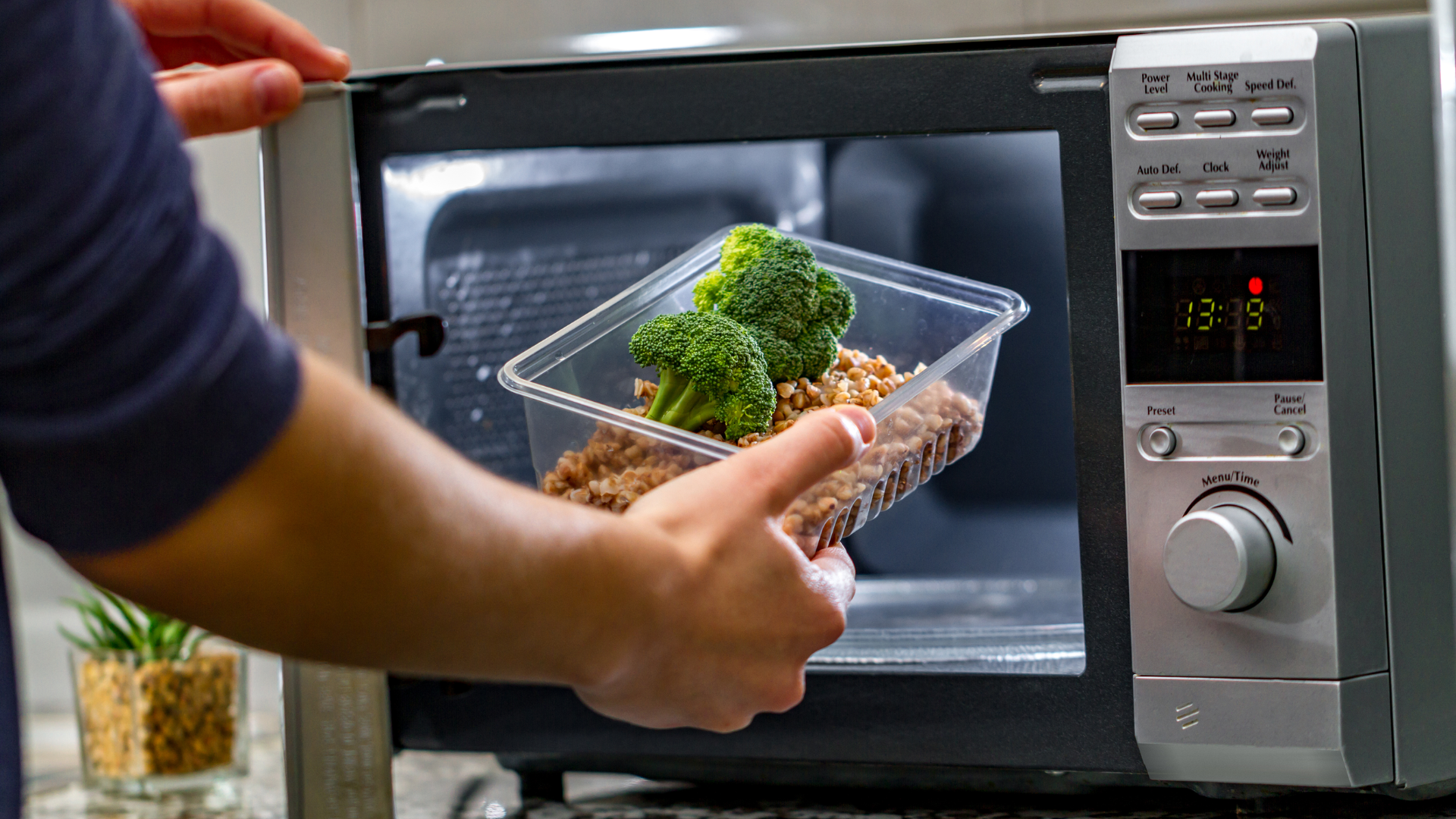
When plastics are heated above certain temperatures, their structure can begin to degrade, causing plastic polymers to break down and release small fragments into food. These fragments, known as microplastics, are tiny pieces of plastic less than five millimeters in size that have been found in everything from drinking water to seafood and even the air. The expert review highlights studies showing that microwaving plastic containers, even those labeled microwave-safe, can increase microplastic release.
Aside from microplastics, plastic food containers often contain chemical additives used to make them flexible, durable or heat-resistant. When exposed to heat from a microwave, some of these additives can leach into food. Chemicals such as phthalates and BPA have been studied extensively for their potential to disrupt endocrine systems and affect reproductive health, particularly with long-term exposure. While regulatory bodies have set limits on allowable levels of many of these substances, real-world use patterns often differ from controlled testing conditions.
Experts also note that factors like container wear and tear, age, surface scratches and repeated microwave cycles can exacerbate the breakdown process, making older containers more likely to shed microplastics and chemicals compared to new ones. Foods with higher fat content or uneven heating patterns may also increase migration of plastic particles and additives into the food being reheated.
What Scientists and Health Advocates Are Saying

Researchers involved in reviewing the scientific literature stress that while occasional use of microwave-safe plastics may not cause dramatic health effects on its own, cumulative exposure to microplastics and chemical leachates over time is a concern that warrants further study. Microplastics are now being detected in human tissues and bodily fluids around the world, though the direct health implications are still being investigated.
Health advocates argue that current safety certifications for microwave-safe plastics are often based on limited testing scenarios that do not reflect common consumer behavior, such as repeated heating of leftover meals for many years. They call for improved standards that take into account the full range of real-world conditions, including temperature fluctuations and long-term container use.
Critics of existing regulations also point out that plastic manufacturers are not always required to disclose all chemical additives used in their products, making it difficult for consumers to know exactly what they are exposing themselves to when heating food in plastic containers. Some experts suggest that labeling should be more transparent and based on independent testing rather than manufacturer self-certification.
How to Reduce Your Exposure Risks
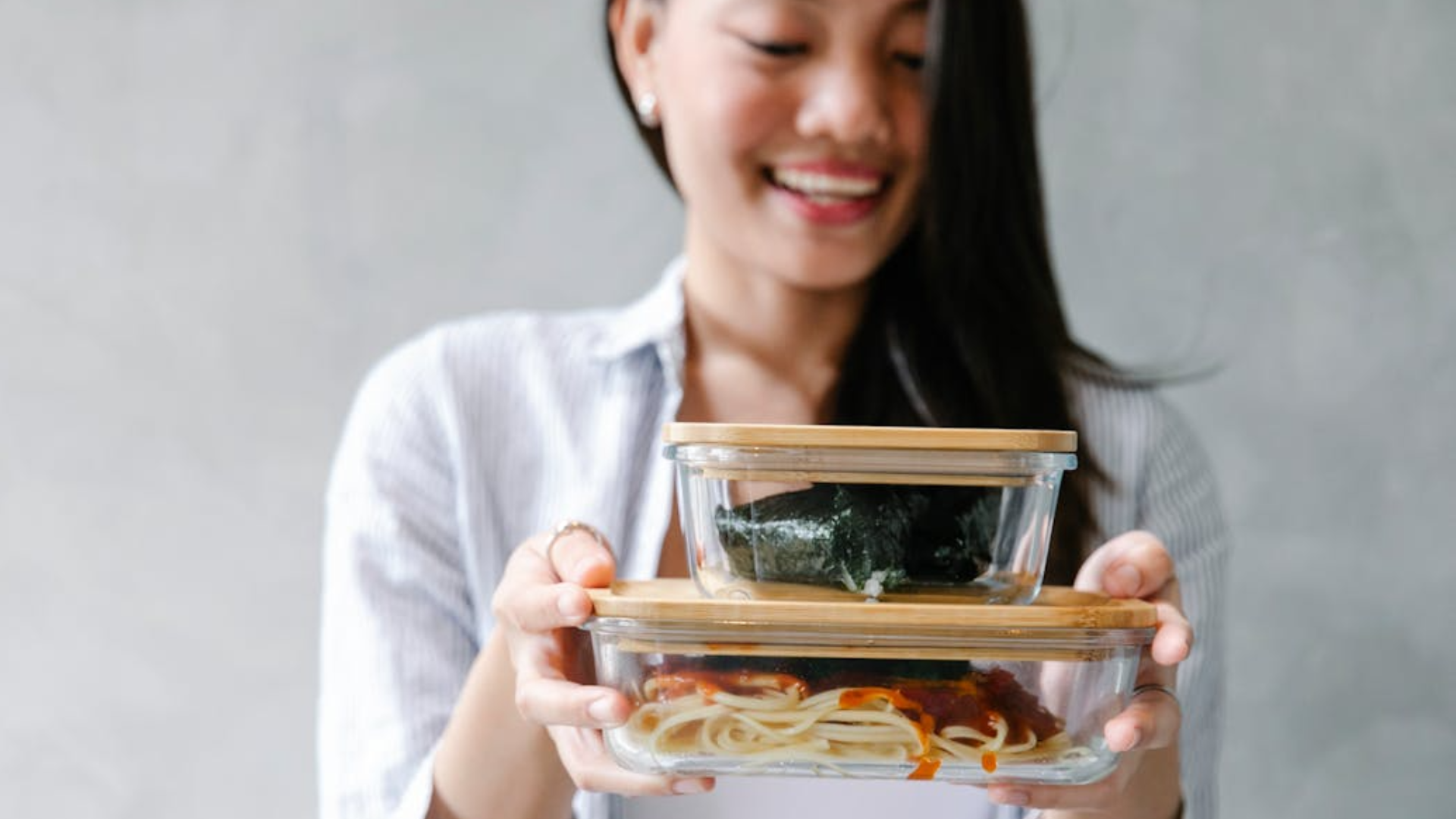
Given the emerging concerns about microplastics and chemical migration from heated plastics, experts recommend switching to alternatives such as glass, ceramic or stainless steel containers for reheating food. These materials are less likely to release particles or harmful substances when exposed to high temperatures, making them safer options for everyday use.
Consumers can also minimize risk by avoiding microwave heating of any plastic that is scratched, discolored or past its useful life, and by choosing products with minimal plastic contact when possible. Reusing plastic containers beyond their intended lifespan increases the likelihood of particle shedding and chemical leaching.
Staying informed about the latest research, checking for updated safety guidelines and following practical tips for safer food storage and reheating can help individuals reduce potential health risks while preserving the convenience of modern meal preparation. As scientists continue to study the long-term effects of microplastic and additive exposure, prioritizing safer alternatives remains a proactive approach for everyday health.