Experts Flag 13 Foods You Should “Avoid at All Costs” Once Expired
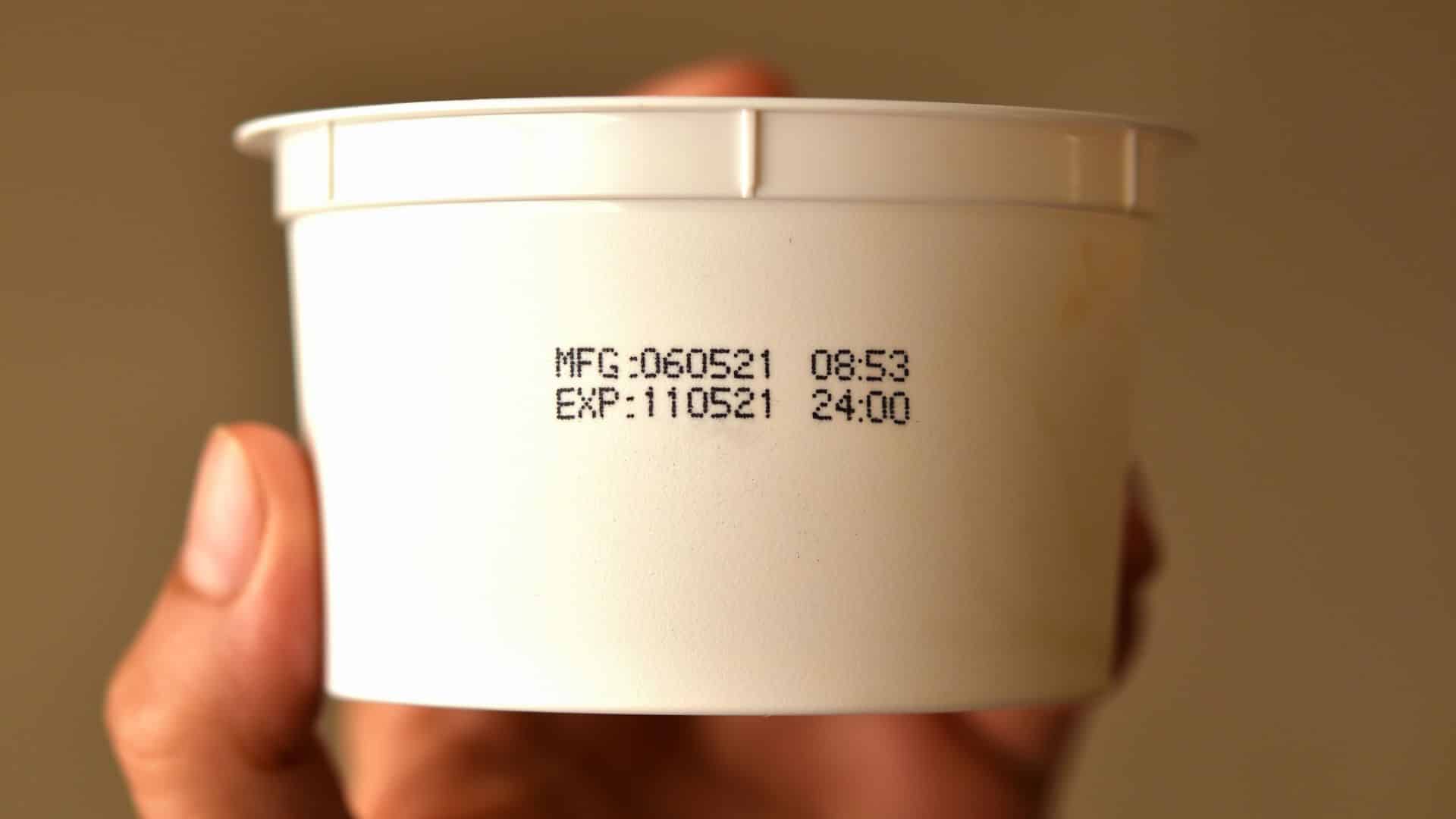

Expiration dates can be confusing, and in many cases, foods are still safe to eat after the date printed on the package. However, experts warn that certain foods should never be consumed once they expire due to the risk of harmful bacteria, toxins, or nutrient loss. While some pantry staples may only lose flavor over time, highly perishable items can quickly become dangerous, even if they look or smell fine. Understanding which foods fall into this high-risk category can help prevent foodborne illness and protect your health.
Raw Meat and Poultry
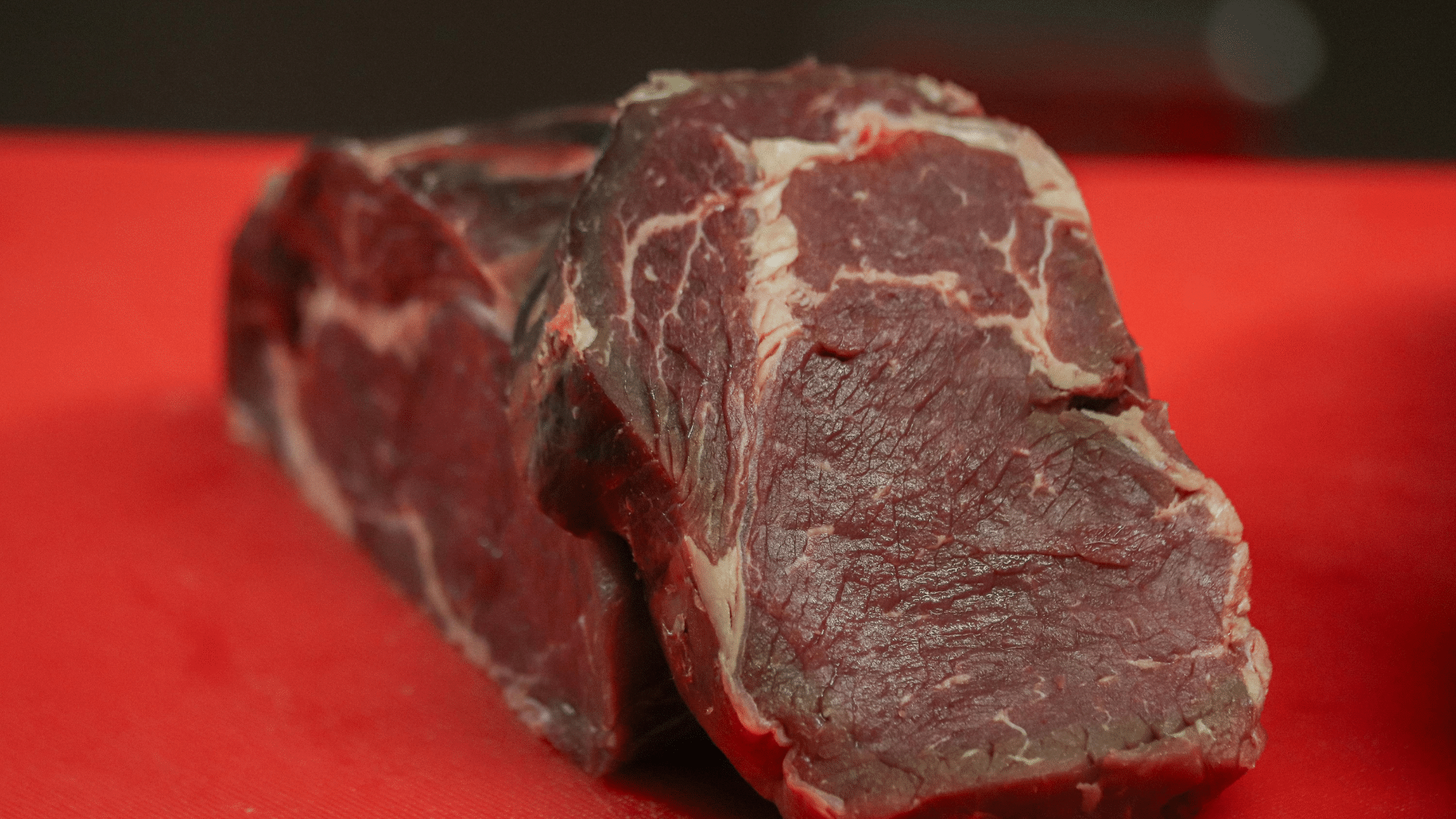
Raw meat and poultry are among the most dangerous foods to consume after expiration because they can harbor bacteria like salmonella and E. coli that multiply rapidly. Even refrigeration cannot fully stop bacterial growth once the food passes its safe window, making expired meat a major risk for food poisoning. Experts strongly advise discarding these items immediately after their “use-by” date to avoid serious illness.
Raw Fish and Seafood
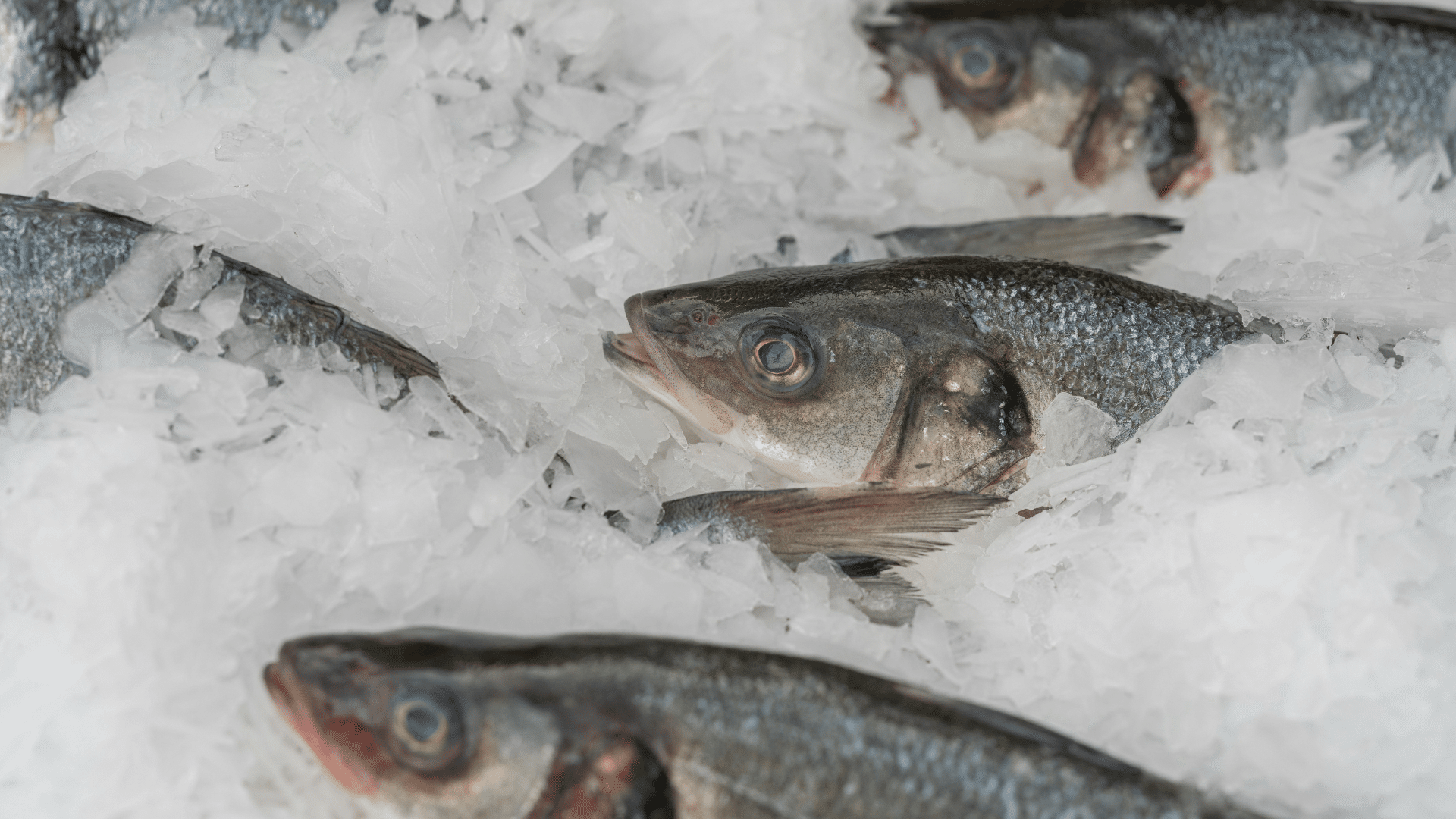
Seafood spoils extremely quickly and becomes unsafe soon after its expiration date, often within just a day or two. Harmful bacteria and toxins can develop rapidly, especially if the fish has not been stored at consistently cold temperatures. Because spoilage is not always obvious, eating expired seafood can pose a serious health risk, including severe gastrointestinal illness.
Deli Meats and Cold Cuts
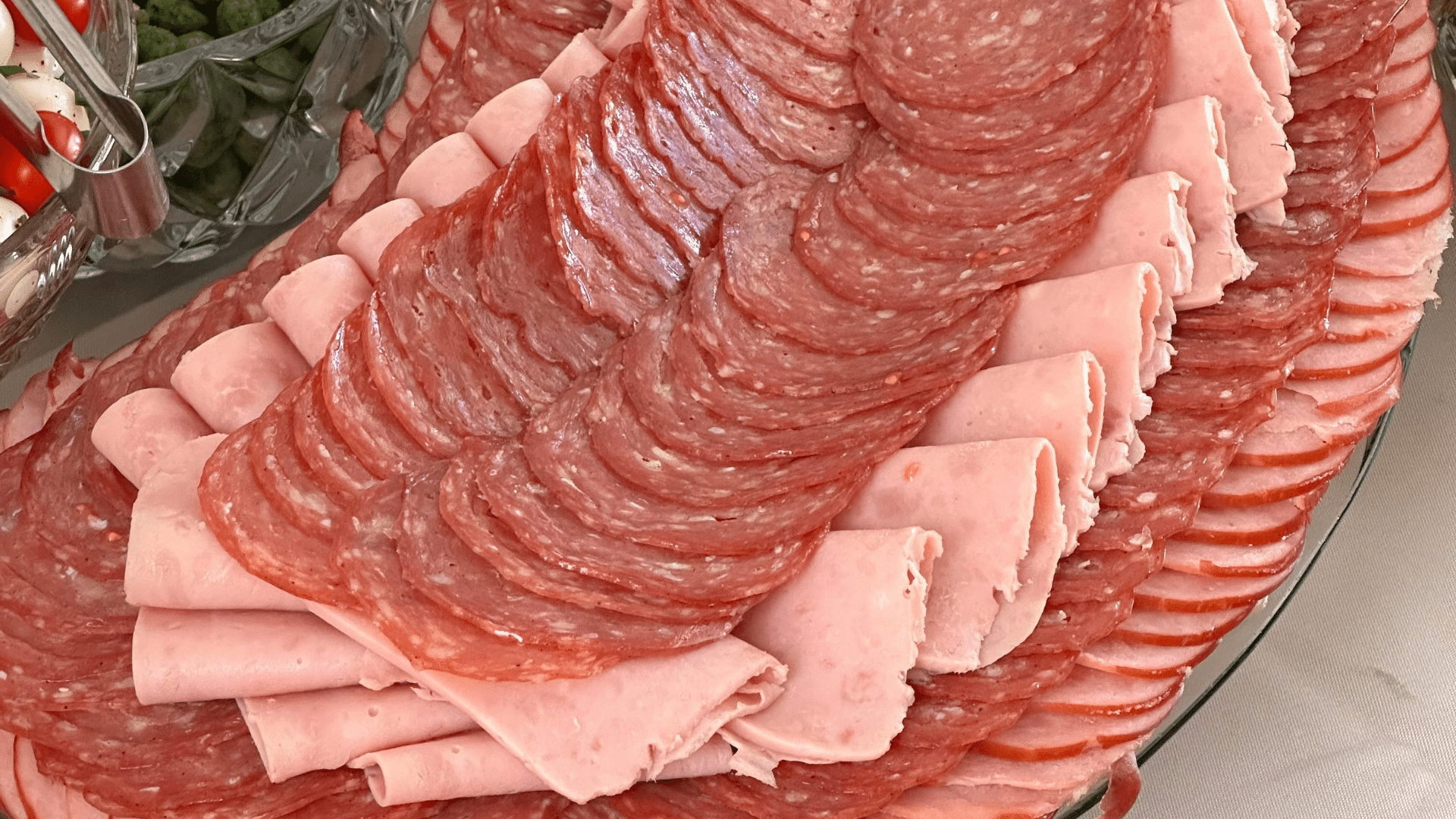
Pre-sliced deli meats are particularly prone to contamination by listeria, a dangerous bacteria that can grow even in refrigerated environments. Once these products pass their expiration date, the risk increases significantly, even if they appear normal. Experts recommend throwing out expired deli meats immediately, as they can lead to serious infections, especially in vulnerable populations.
Milk and Other Dairy Products
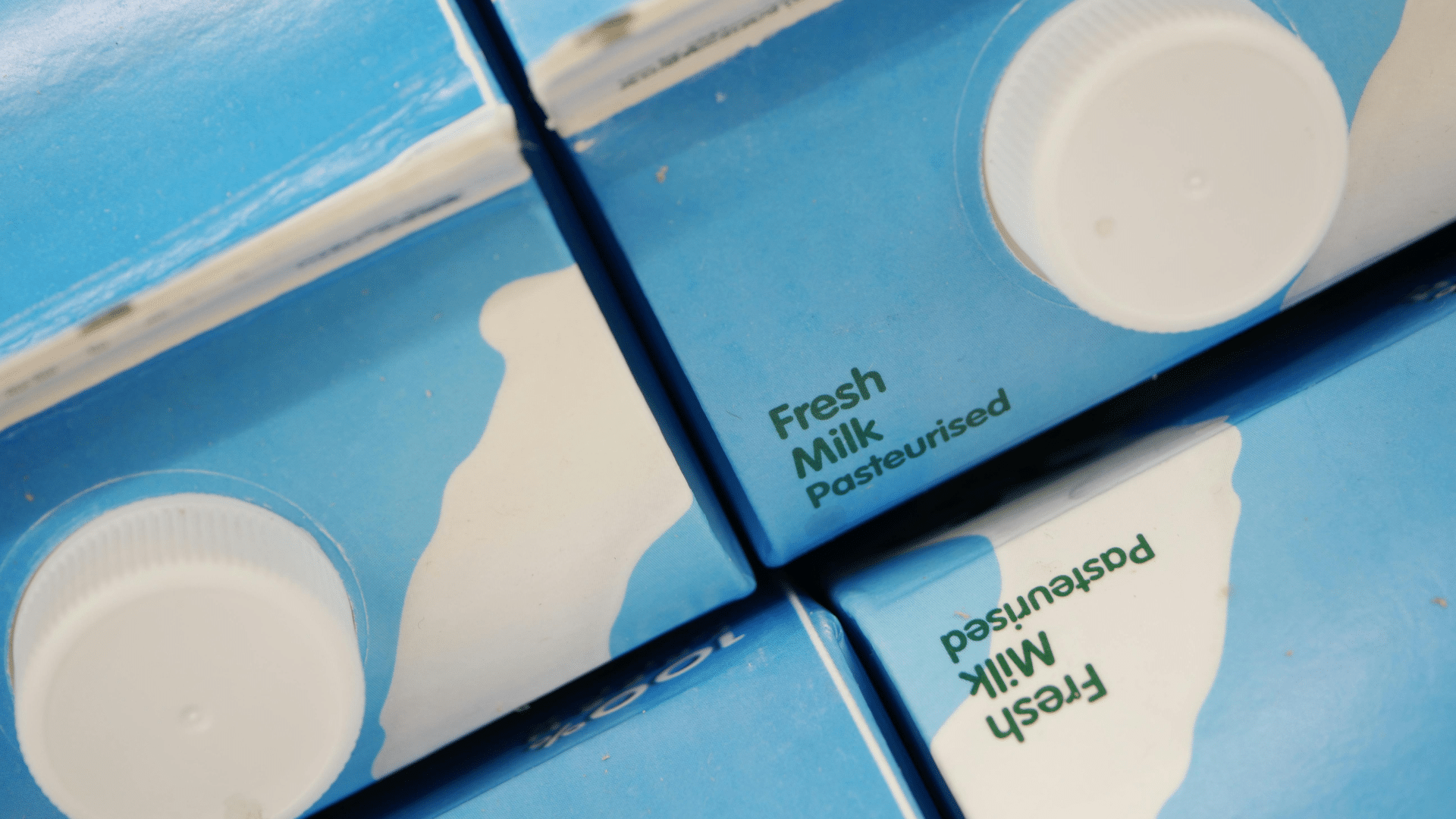
Dairy products such as milk, yogurt, and cream can quickly become breeding grounds for bacteria after expiration, including pathogens like E. coli and salmonella. While some dairy may only sour slightly, others can cause illness if consumed past their safe period. Experts caution that dairy should be handled carefully and discarded if expired, even if it still smells acceptable.
Soft Cheeses and Unpasteurized Cheese
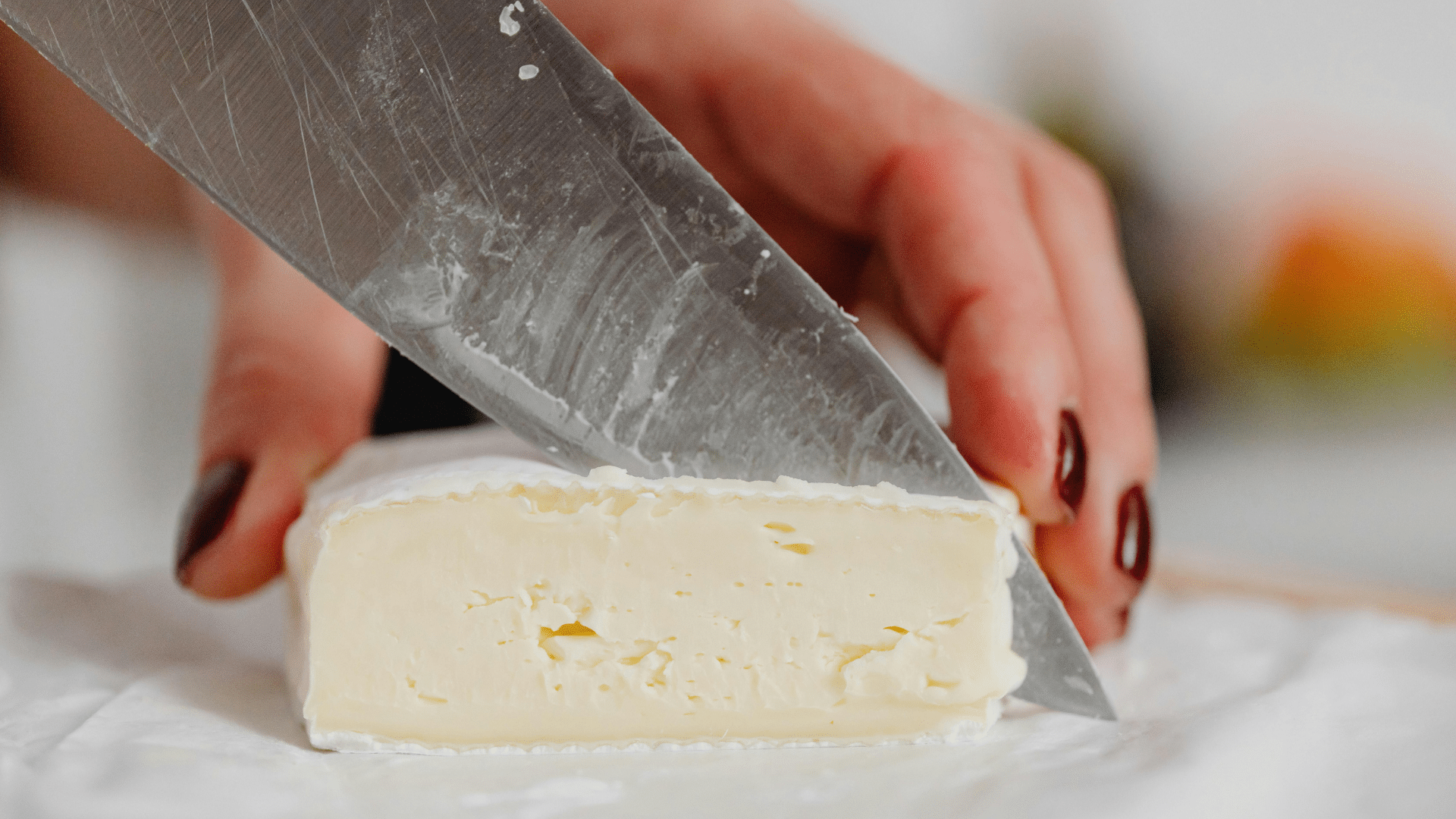
Soft cheeses, especially those made from unpasteurized milk, are highly susceptible to bacterial contamination, including listeria. Because of their moisture content, bacteria can spread easily throughout the entire product, making it unsafe even if only part appears spoiled. Once expired, these cheeses should not be consumed under any circumstances.
Eggs
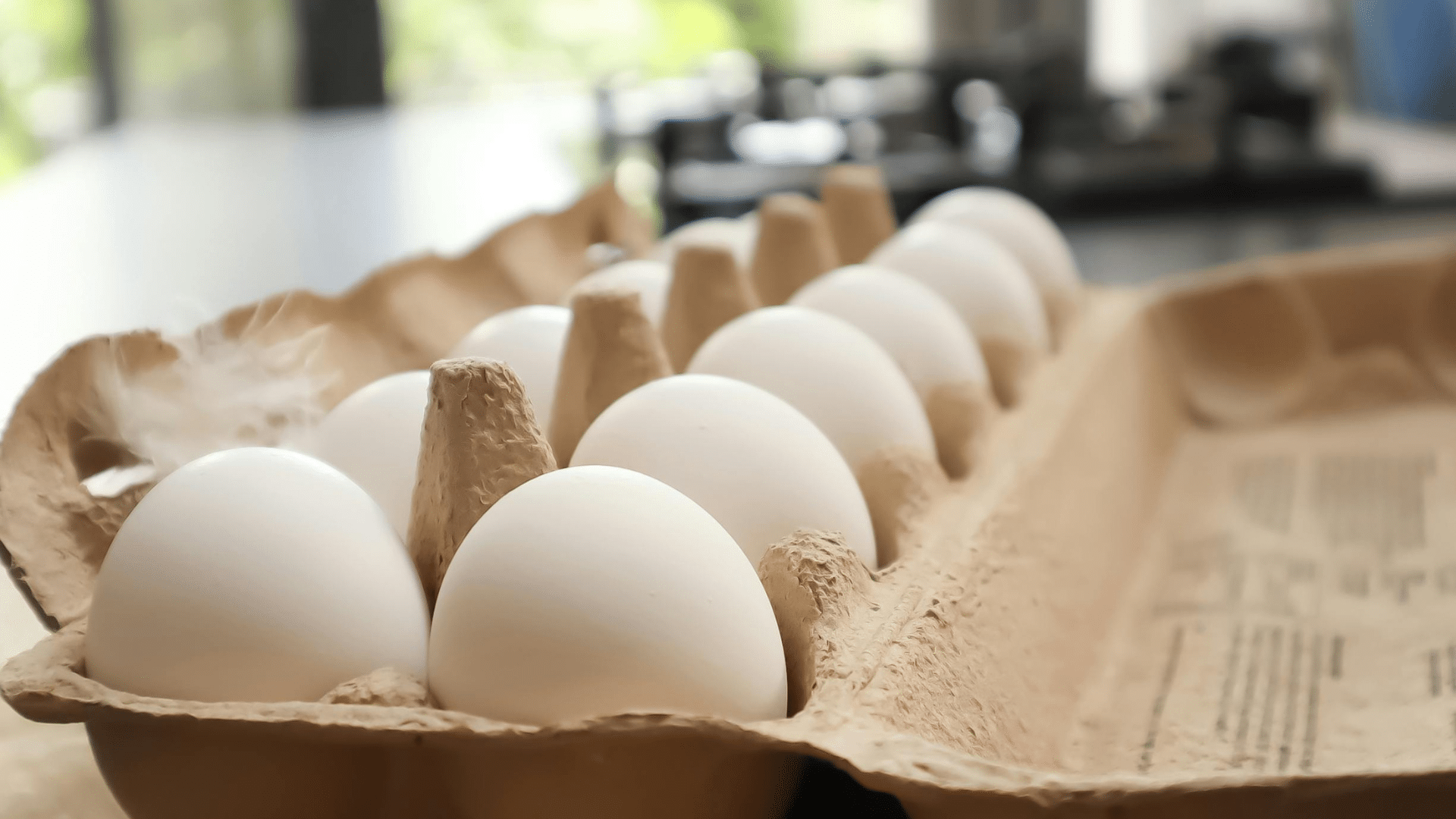
Eggs can carry salmonella, which makes consuming them after expiration particularly risky. While some eggs may appear fine, bacteria can develop internally without obvious signs of spoilage. Experts recommend exercising caution and discarding eggs past their expiration date to reduce the risk of foodborne illness.
Pre-Packaged Salads and Leafy Greens
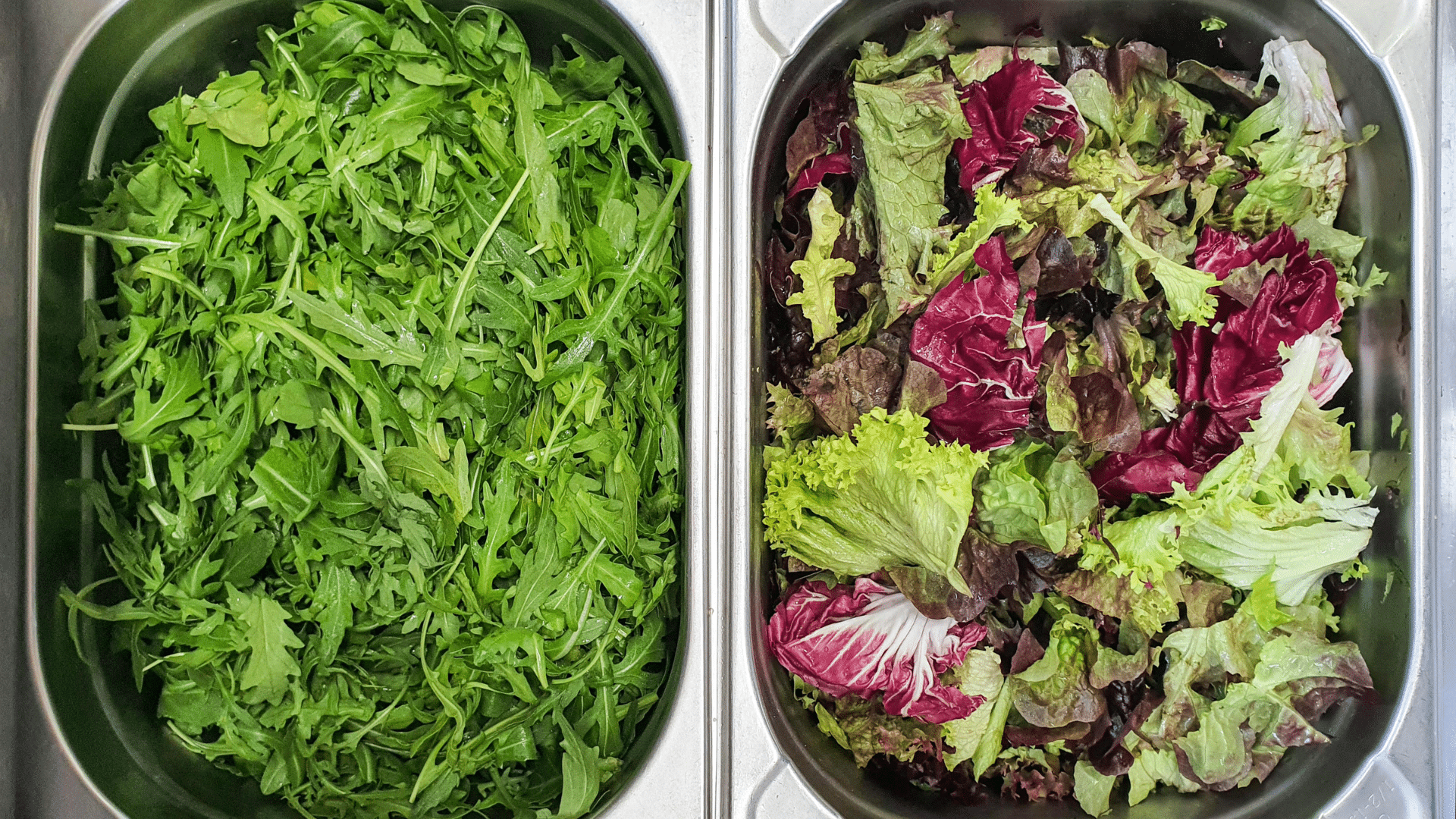
Pre-packaged salads and leafy greens are highly perishable and can become contaminated with bacteria as they age. Moisture inside packaging creates an ideal environment for germs to multiply, increasing the likelihood of illness. Once these products expire, they should be thrown away, as even slight spoilage can make them unsafe to eat.
Infant Formula and Prepared Baby Food
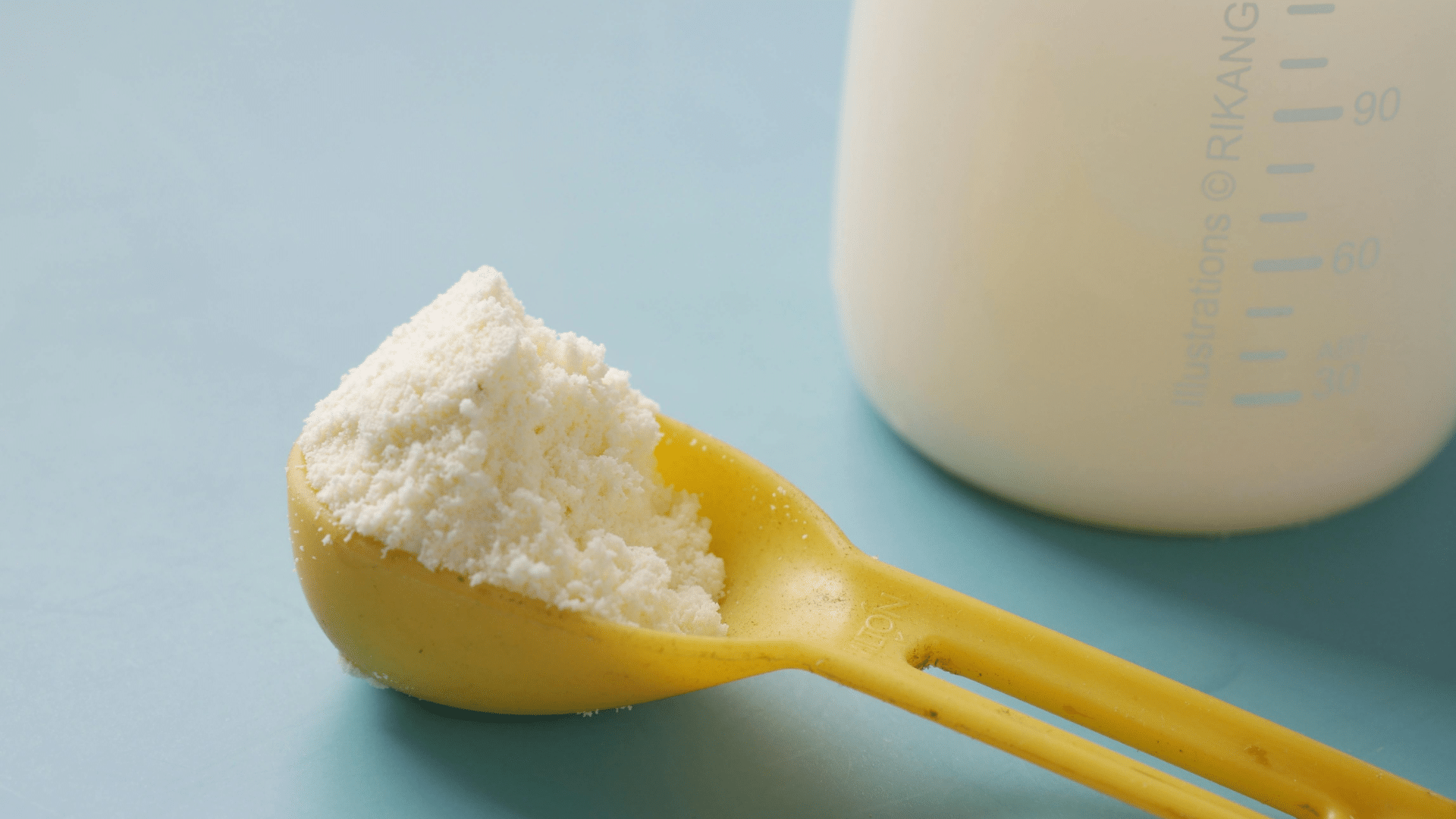
Infant formula is one of the few food products with strictly regulated expiration dates, and consuming it past that date can result in reduced nutritional value or unsafe conditions for infants. Because babies rely on precise nutrient levels for healthy development, expired formula should never be used. Experts stress that this is one category where expiration dates must always be followed exactly.
Why Some Foods Are More Dangerous Than Others

Not all expired foods are equally risky, but items high in moisture and protein, like meat, dairy, and seafood, are more likely to develop harmful bacteria quickly. Experts emphasize that expiration dates labeled “use-by” are especially important, as they indicate safety rather than just quality. When in doubt, it’s always safer to throw food away than risk illness, particularly with perishable items that can cause serious health complications if consumed past their safe window.