Experts Identify Instant Rice as a High-Speed ‘Delivery System’ for Plastic
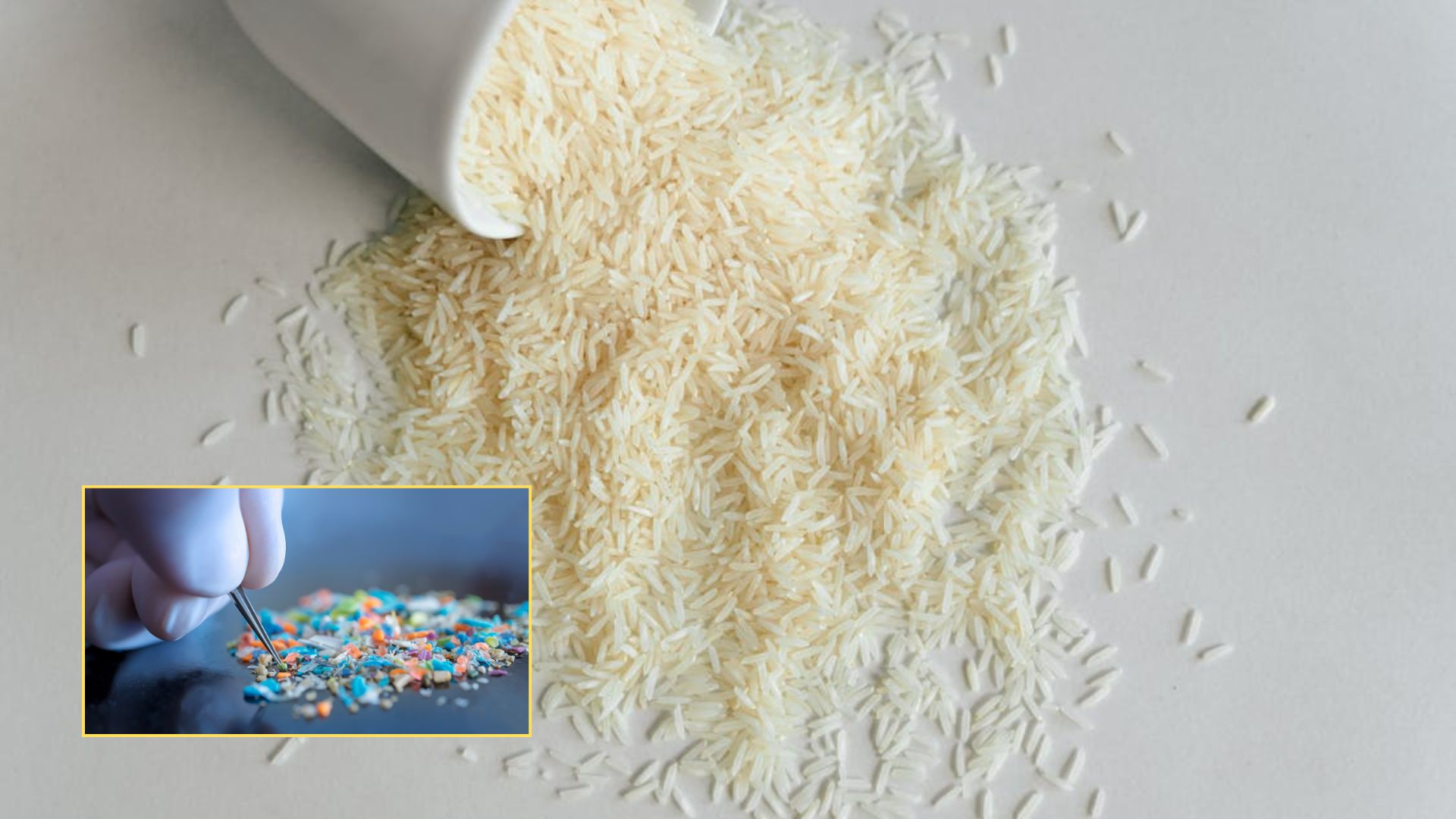

Instant rice contains roughly four times the microplastics found in regular uncooked rice, according to a 2021 study highlighted by gastroenterologist Dr. Trisha Pasricha. The culprit isn’t the rice itself but the aggressive processing it undergoes. Pre-cooking, dehydrating, and sealing the grains in plastic pouches creates multiple contact points where microscopic particles can migrate into the food, especially when heat enters the equation during microwave preparation.
Phoebe Stapleton, associate professor of pharmacology and toxicology at Rutgers University, explains that processing intensity directly correlates with contamination risk. The study compared uncooked rice stored in fabric, paper, or plastic bags against microwavable instant rice in plastic packaging. According to Stapleton, the more industrial steps a food passes through, the greater the opportunity for micro- and nanoplastics to infiltrate.
Microplastics now appear in human blood, lung tissue, liver, placenta, and brain samples, multiple studies confirm. Most ingested particles exit through feces, as the gut generally eliminates larger fragments efficiently, Dr. Pasricha notes. However, fragments smaller than 10 microns can cross the intestinal barrier. Some research links microplastics in arteries with cardiovascular disease risk, inflammation, and hormone disruption.
Processing and Packaging Drive Contamination Levels
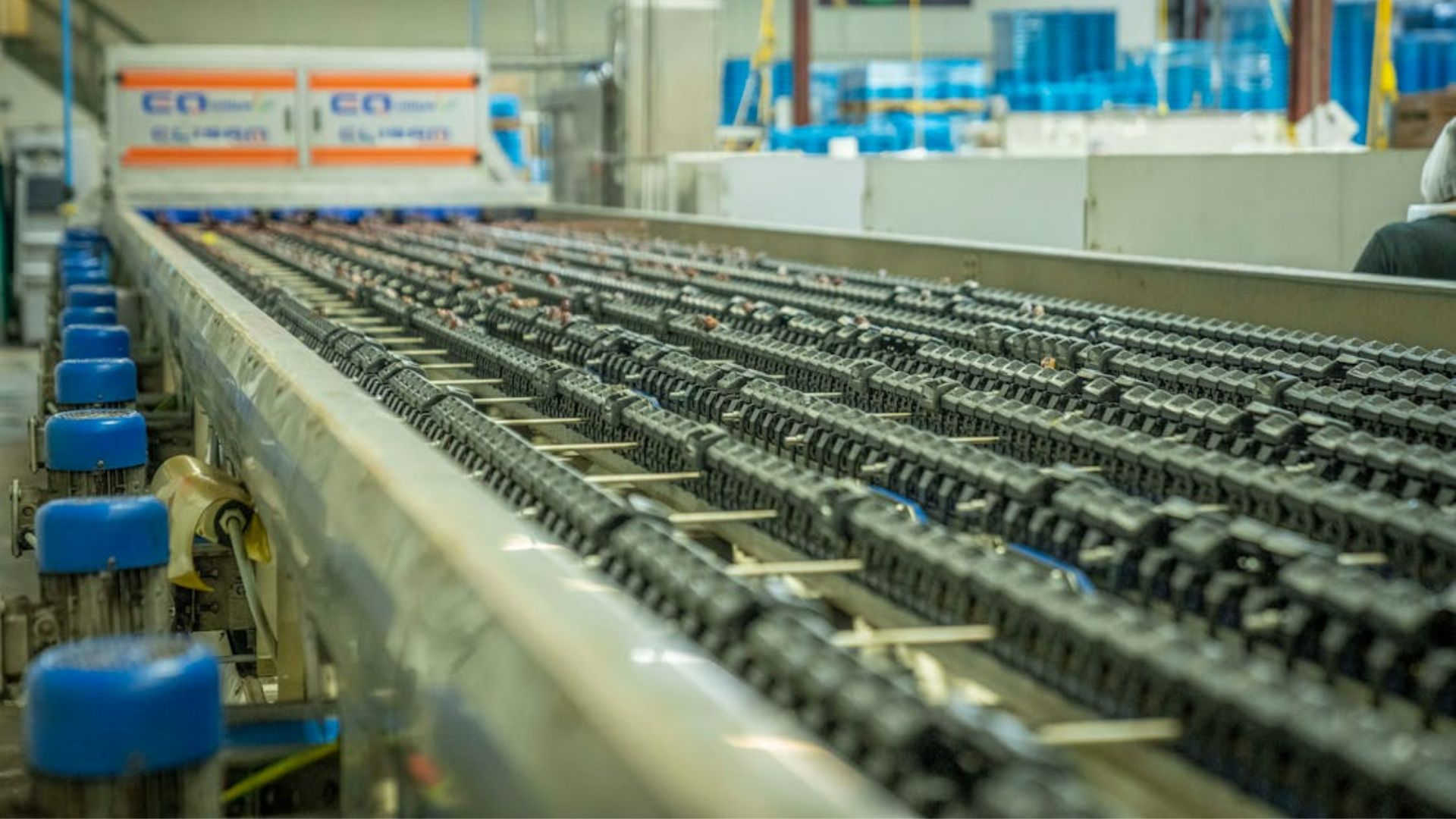
Dr. Pasricha points to packaging as a central problem, particularly when combined with heat. Instant rice pouches designed for microwave use create ideal conditions for plastic migration. Each production phase introduces fresh exposure risk, from initial pre-cooking through dehydration and final sealing. Consumer Reports notes that plastic in food production or packaging spreads microplastics across nearly every corner of the food system.
The particles contain chemicals from a pool of approximately 20,000 plastic compounds, thousands of which pose documented health risks. BPA, phthalates, and PFAS represent familiar examples, but testing from Consumer Reports has detected these substances in food, food packaging, bottled water, and tap water. Americans ingest an estimated 3.8 million microplastic pieces annually from commonly consumed protein foods alone, one study found.
Scientists remain in early investigation stages regarding long-term impacts. Some studies associate microplastic presence in arteries with increased heart attack and stroke risk, while others point to potential links with various cancers. Dr. Pasricha emphasizes these findings show association rather than causation, though the accumulation pattern throughout human tissues remains concerning to researchers.
Heat Accelerates Chemical Migration Into Food
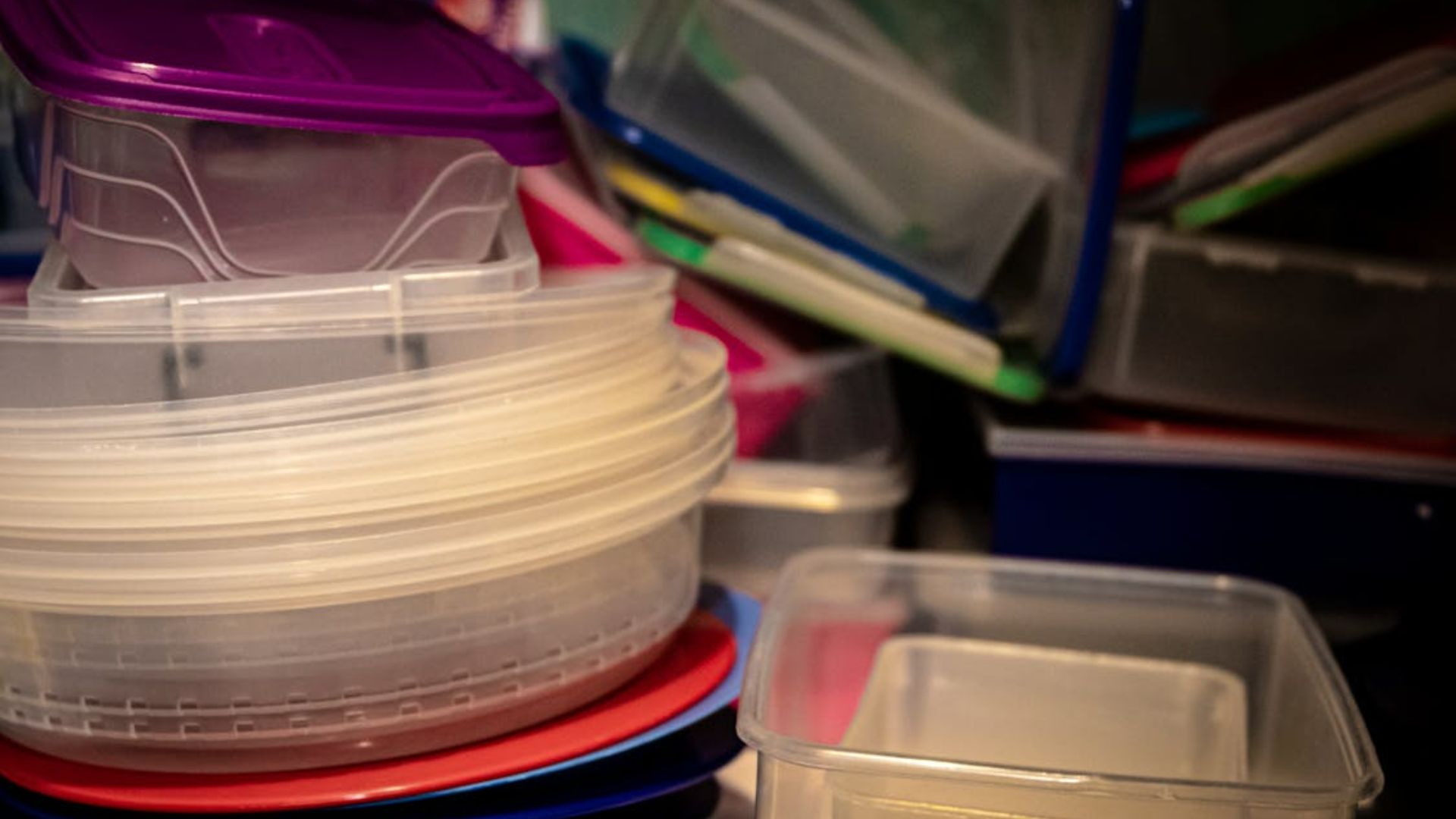
Temperature significantly intensifies leaching rates. Chemicals and microplastics transfer into food at higher rates under heat, making plastic contact during cooking particularly problematic. Paper coffee cups lined with plastic shed significant amounts of particles when filled with hot liquid. French presses and drip coffee makers containing plastic components introduce similar contamination risks during the brewing process.
Research shows that nanoplastics, even smaller than microplastics, penetrate deeper into biological systems. Stapleton explains that the scientific community currently works to identify cellular mechanisms that allow entry, understand tissue interactions from a health and disease perspective, and develop removal methods. The particles have been detected beyond the brain and placental barriers, though researchers continue investigating their movement within the body.
Testing has detected microplastics across the food supply, from rice and seafood to bottled water, tea, and processed foods. These fragments either arrive intentionally added to consumer goods or result from larger plastics breaking down. They persist in water, clouds, soil, and ambient air, entering crops and drinking water before reaching dinner plates.
Simple Swaps Reduce Exposure Without Eliminating Rice
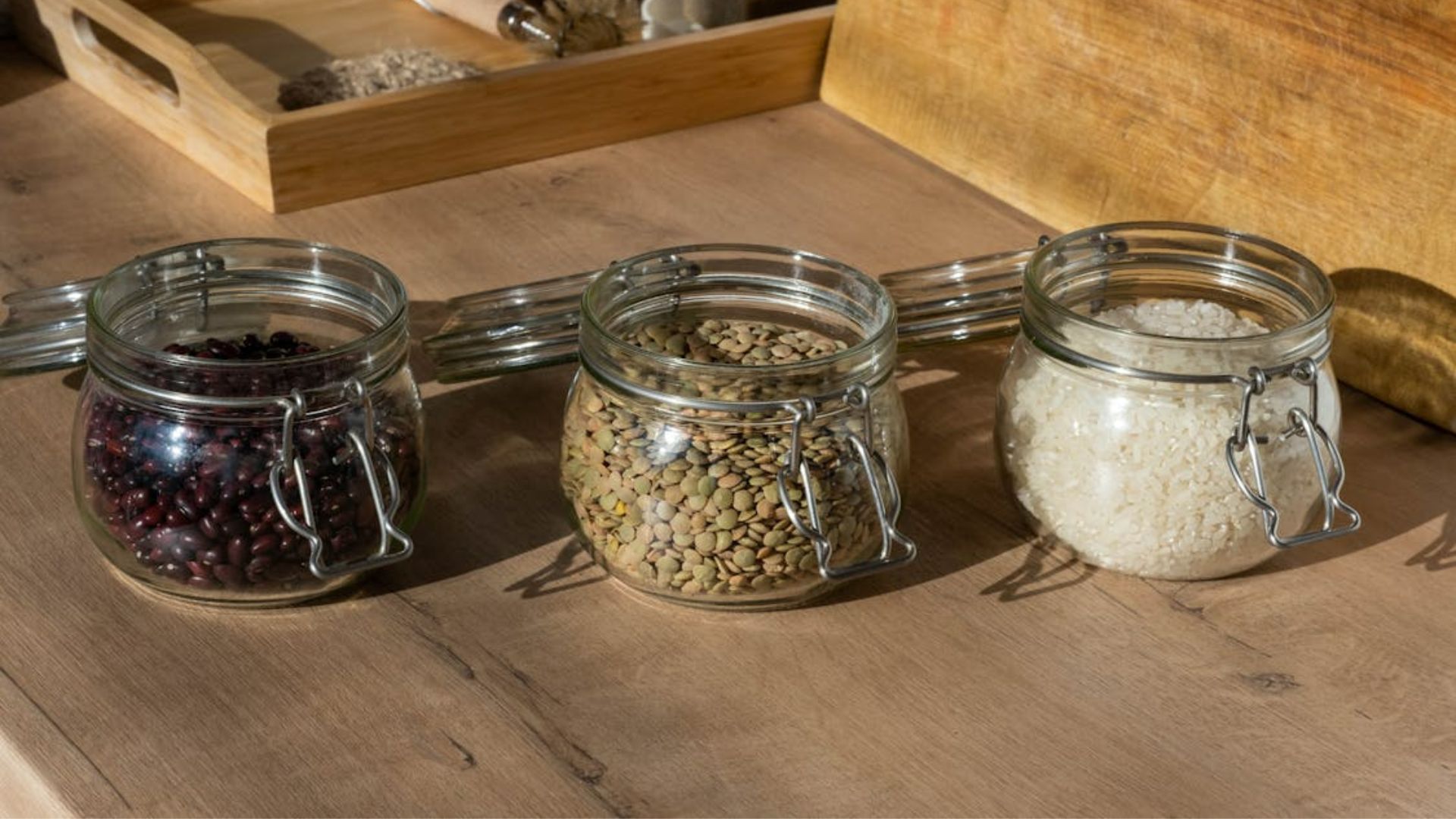
Washing rice thoroughly before cooking reduces contamination by up to 40 percent, the study indicates. Dr. Pasricha eats substantial amounts of rice and isn’t planning to give it up. She recommends choosing regular uncooked rice stored in paper, cloth, or glass packaging over instant varieties. Transferring hot food immediately to glass containers instead of plastic storage prevents additional particle migration.
Avoiding ultraprocessed foods broadly cuts exposure, as most experts consider them the largest dietary source of microplastics through both packaging and industrial processing. At grocery stores, selecting ketchup in glass jars or greens bundled with rubber bands instead of plastic wrap reduces contact points. Refillable water bottles, metal utensils, wooden cutting boards, and non-polymer fiber clothing offer additional reduction opportunities.
Consumer Reports suggests focusing on sources that aren’t essential and are easier to eliminate rather than attempting perfection. Reverse osmosis filtration systems show promise for removing microplastics from drinking water, though components remain plastic-made. Dr. Pasricha’s approach centers on reduction rather than total avoidance: fewer microplastics entering the body ultimately benefits health outcomes.

