Experts Say These Fresh Foods Deserve Extra Care During the Current Parasite Outbreak
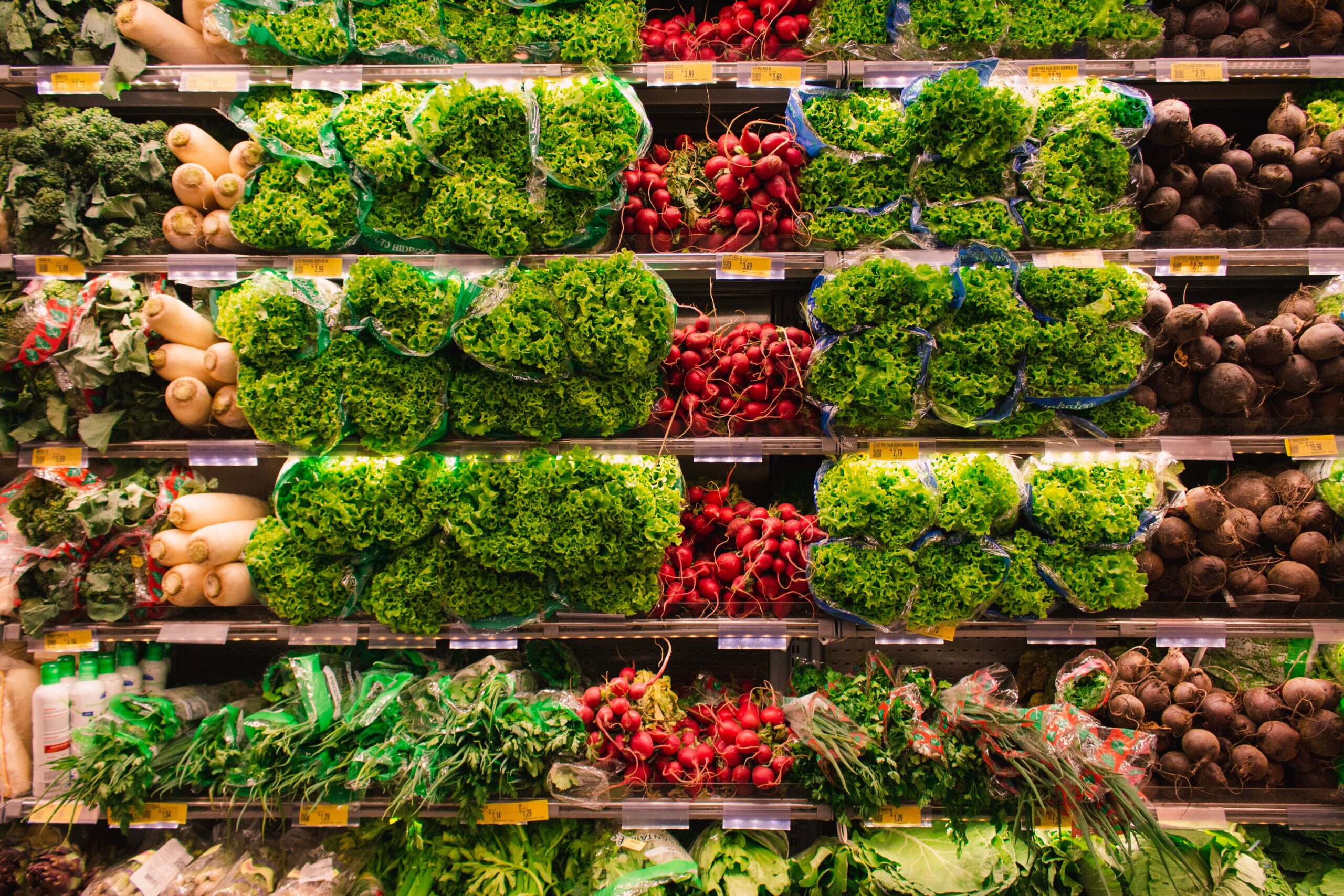

Fresh fruits and vegetables remain a key part of a healthy diet, but the current Cyclospora outbreak has prompted experts to urge shoppers to take extra precautions with certain produce. While investigators continue searching for the source, they stress there is no reason to avoid fresh produce altogether. Instead, consumers should pay closer attention to how they buy, wash and prepare foods that have been linked to past outbreaks.
Lettuce Tops the Watch List
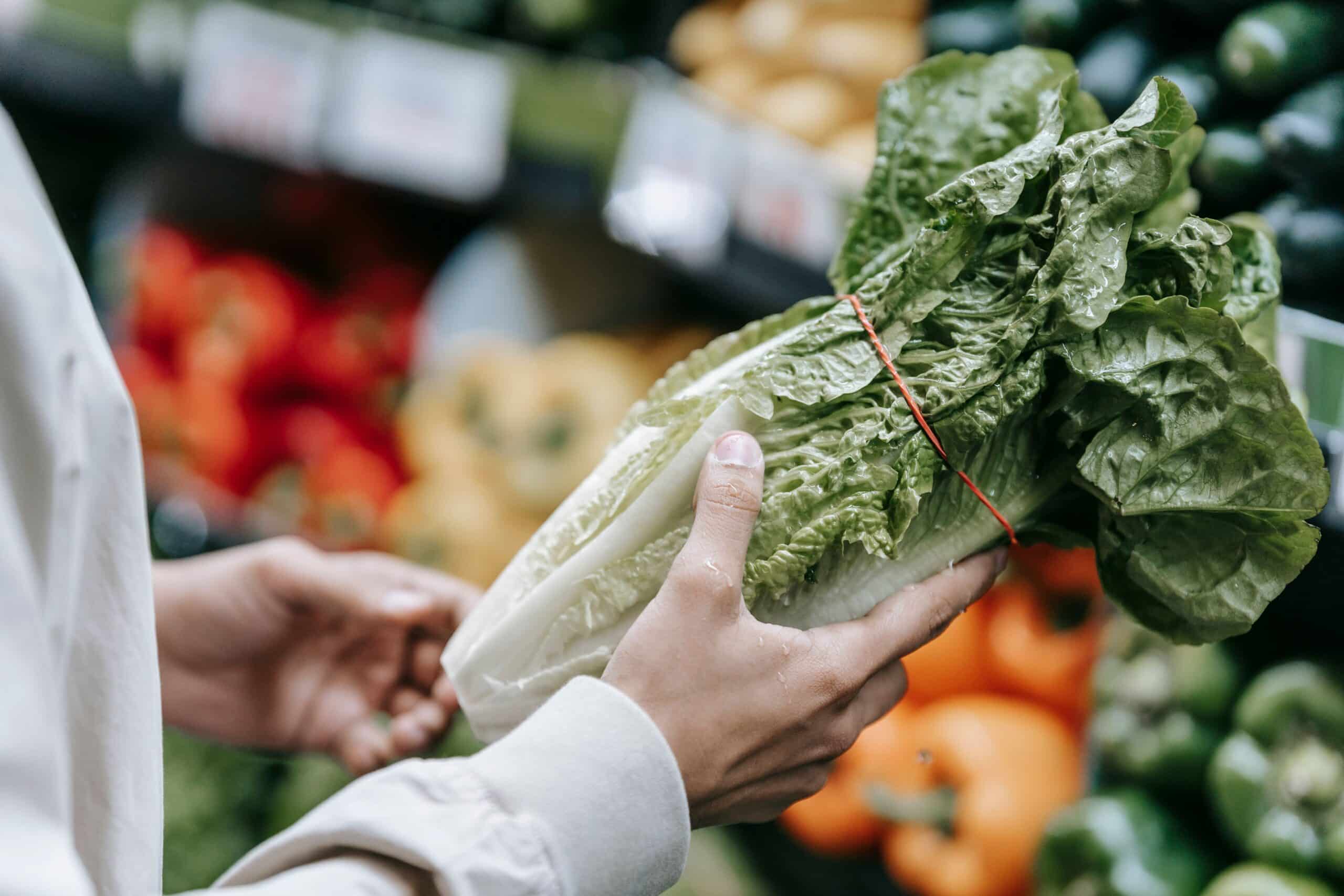
Michigan investigators say lettuce or salad greens are a leading suspect in the state’s outbreak, although officials emphasize no specific variety, grower or supplier has been identified. Because the investigation is ongoing, experts recommend choosing whole heads of lettuce instead of precut or bagged salad mixes, which undergo more handling before reaching store shelves.
Bagged Salads Deserve Extra Attention
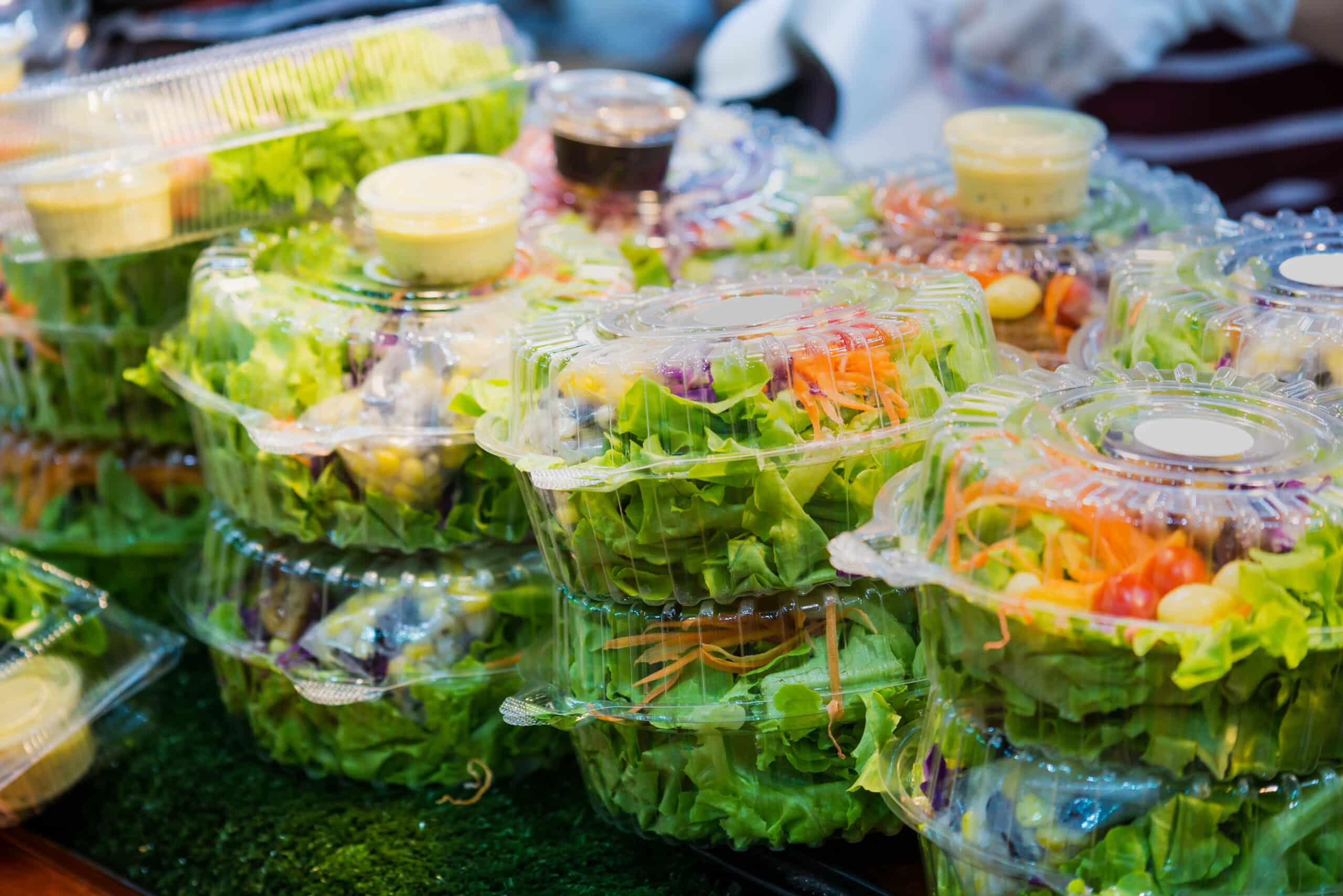
Prewashed salad kits may be convenient, but food safety specialists say they have been associated with previous Cyclospora outbreaks in both the United States and Canada. Since the exact source of the current outbreak remains unknown, experts advise rewashing bagged greens if you choose to buy them, even when the label says they are ready to eat.
Fresh Herbs Have Been Linked Before
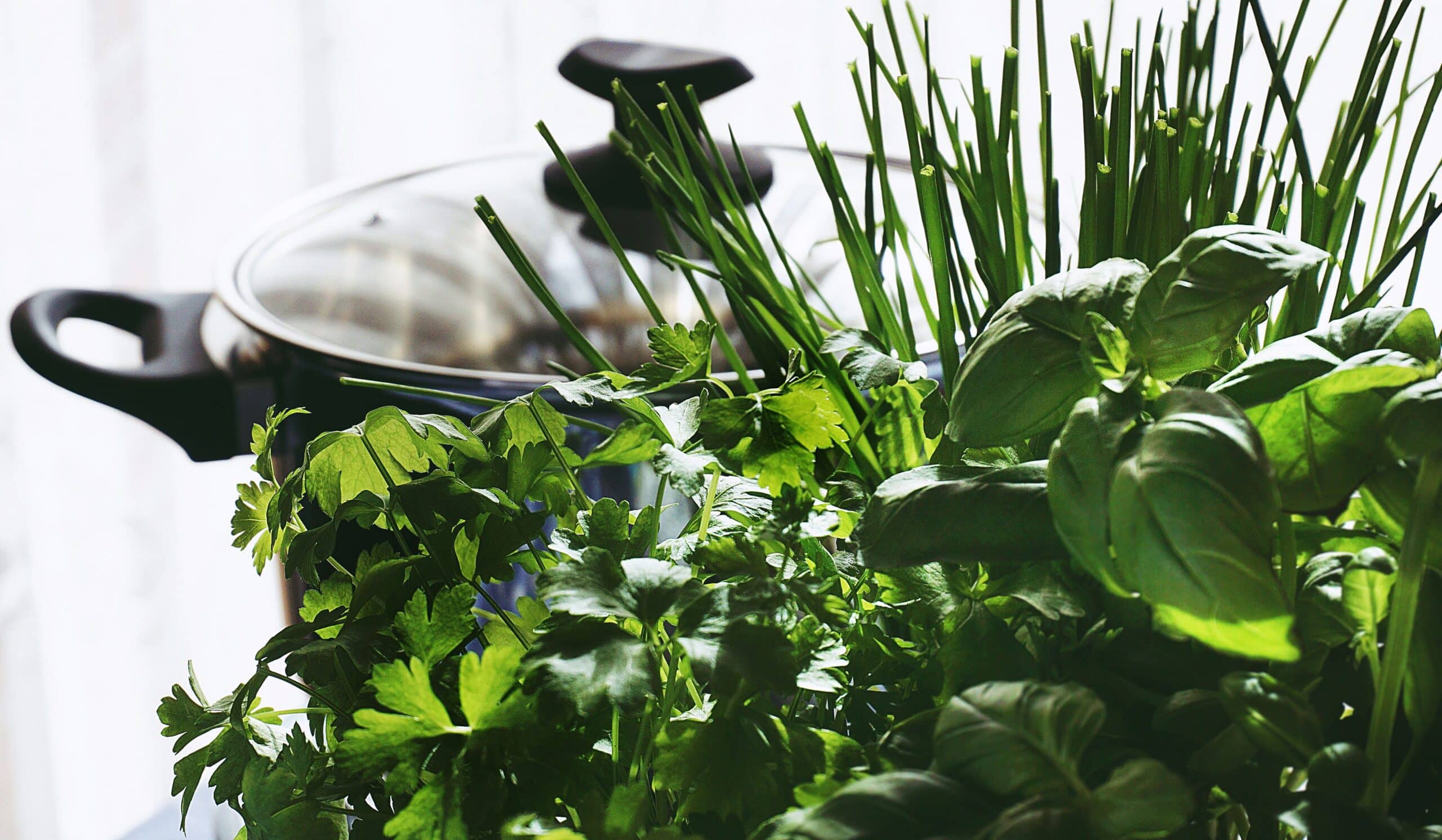
Herbs such as cilantro, basil and parsley have repeatedly appeared in previous Cyclospora investigations because they are usually eaten raw and can be difficult to clean thoroughly. Although there is no evidence these herbs are driving the current outbreak, experts recommend washing them carefully and staying informed.
Berries Are Another Produce Category to Watch
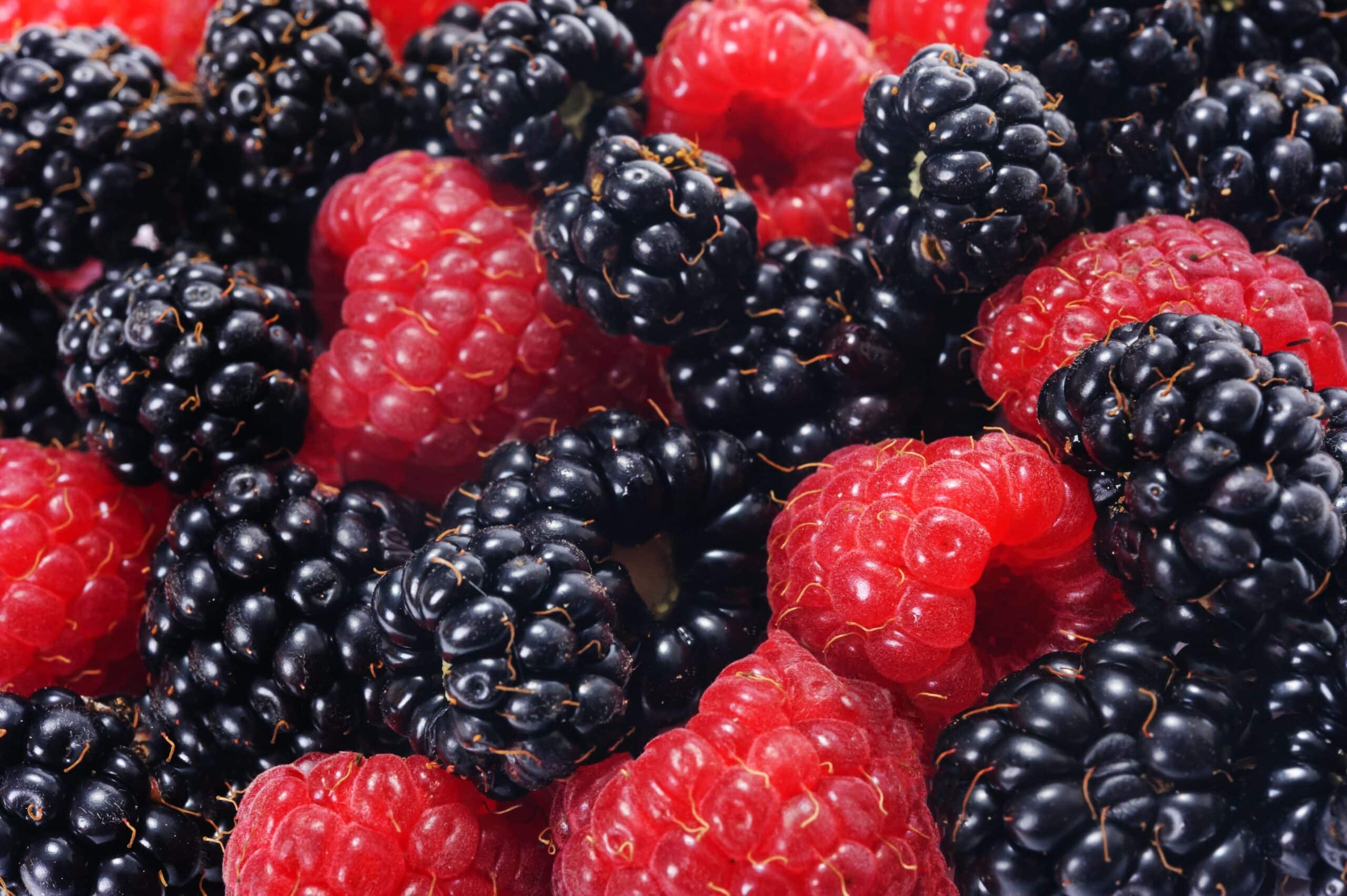
Raspberries, blackberries and mixed berries have also been connected to earlier Cyclospora outbreaks. Their delicate surfaces make them harder to scrub than firmer fruits, which is why experts suggest giving them extra attention before eating. They are not being recalled, but careful washing is encouraged.
Snow Peas Have a History Too
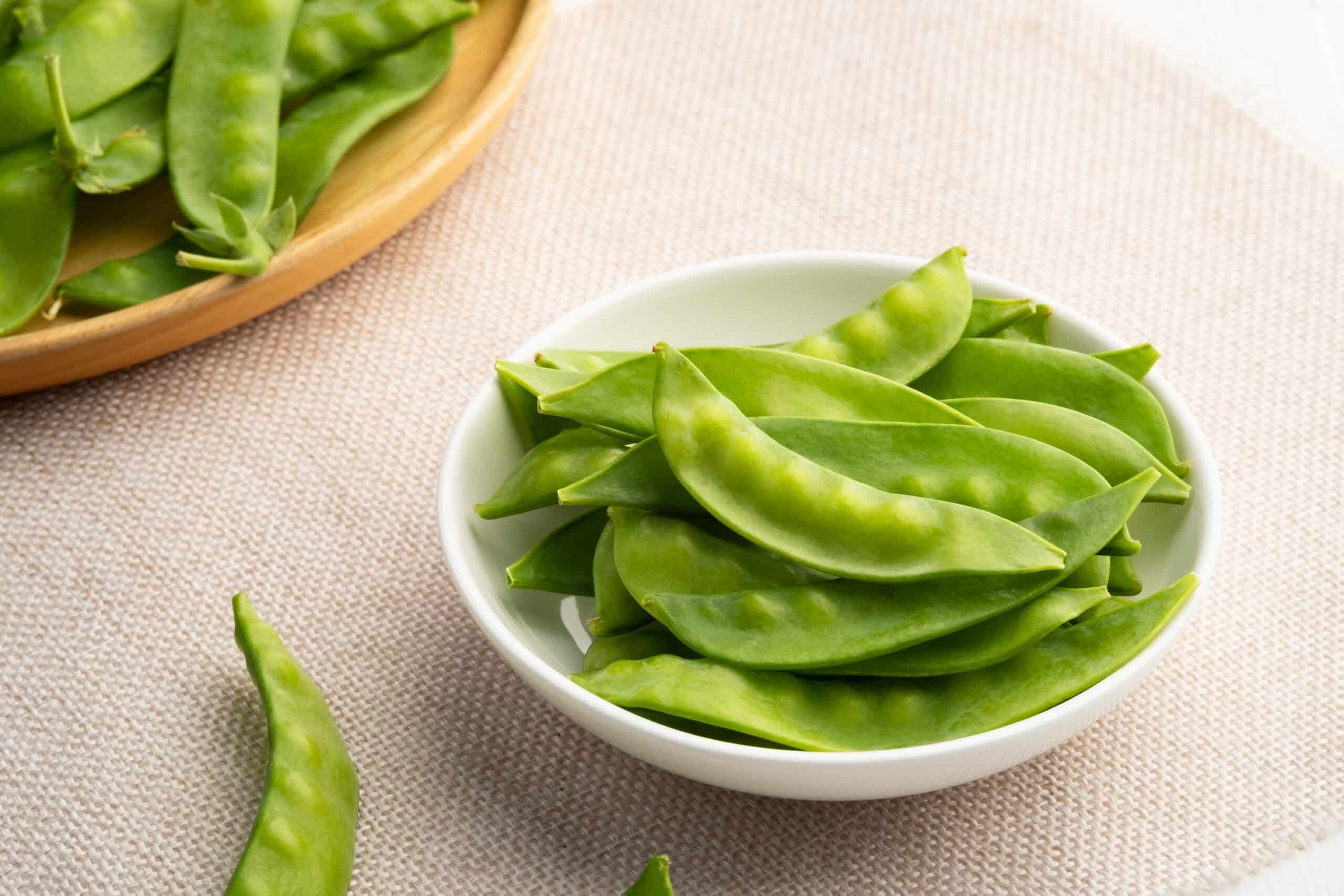
Snow peas may not receive as much attention as leafy greens, but they also appear on the list of produce previously associated with Cyclospora outbreaks. Their inclusion does not mean they are responsible for the current surge, but it reinforces why experts are urging consumers to practice careful food handling across a variety of fresh produce.
Washing Helps, But It Is Not a Guarantee
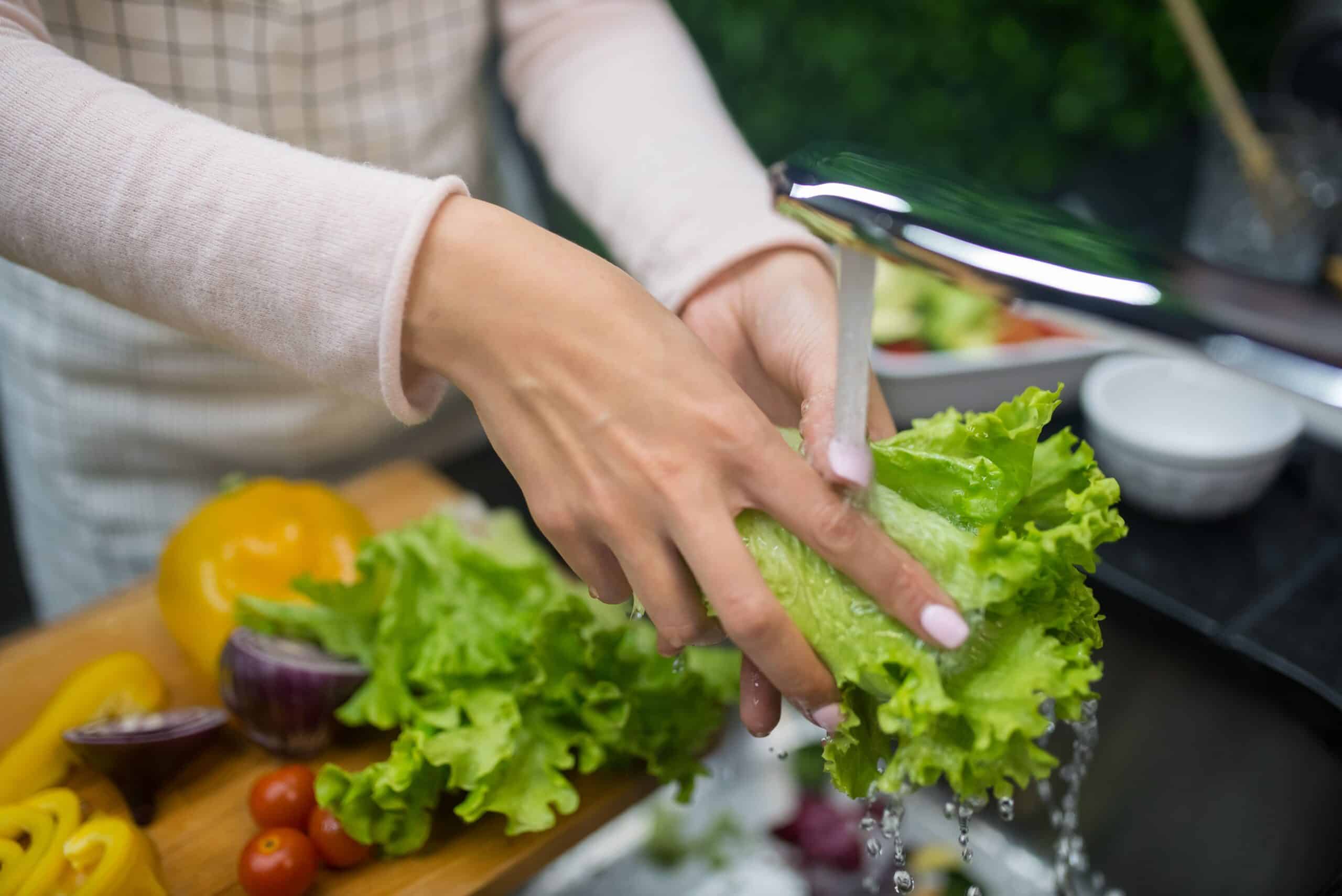
Experts recommend washing all fruits and vegetables under clean running water and scrubbing firm produce such as cucumbers, melons and potatoes. However, they caution that washing cannot completely eliminate Cyclospora, particularly from leafy greens, herbs and delicate berries. Consumers should also avoid washing produce with soap, bleach or household cleaners because those products can leave harmful residues and are not effective against the parasite.
Cooking Offers the Strongest Protection
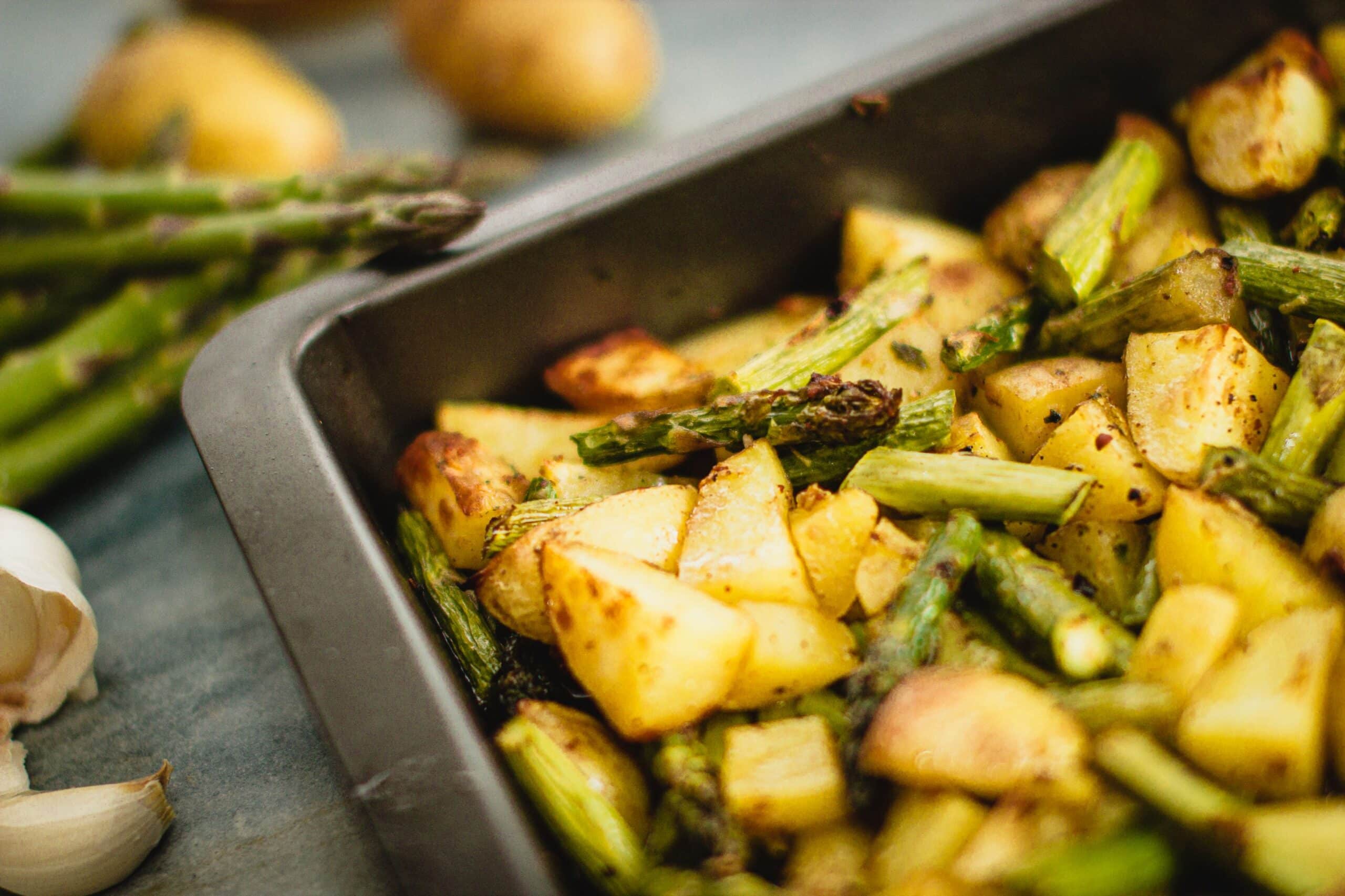
When possible, cooking vegetables to an internal temperature of at least 158 degrees Fahrenheit can kill Cyclospora. Health experts say cooked vegetables present a lower risk than raw produce during the outbreak, making cooked side dishes a practical alternative for anyone who wants additional peace of mind.
Most Fresh Produce Is Still Considered Safe
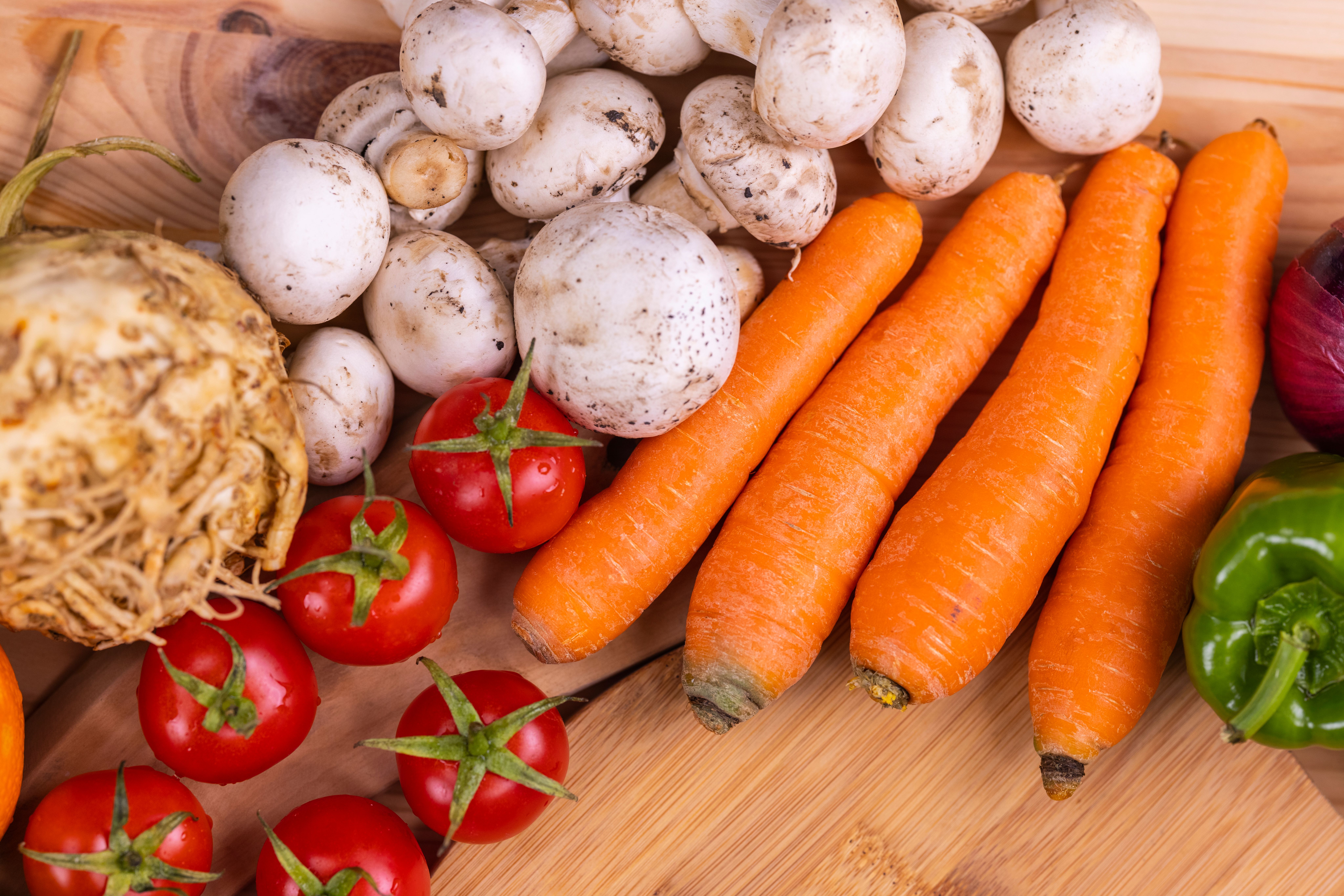
Despite the headlines, experts emphasize that the overwhelming majority of fruits and vegetables sold in stores are not linked to the outbreak. They continue encouraging people to eat produce because of its nutritional benefits while following basic food safety practices, including handwashing, preventing cross-contamination and watching for updates from health officials.
The Advice Could Change as the Investigation Continues

Federal and state investigators are still working to identify the source of the outbreak, that means recommendations may become more specific if contaminated products are confirmed. Until then, experts say shoppers do not need to fear the produce aisle, but taking a few extra precautions with foods linked to previous Cyclospora outbreaks can help reduce risk while preserving the benefits of a fresh, healthy diet.