Experts Uncover a Concerning Issue in Common Foods Americans Consume Every Day
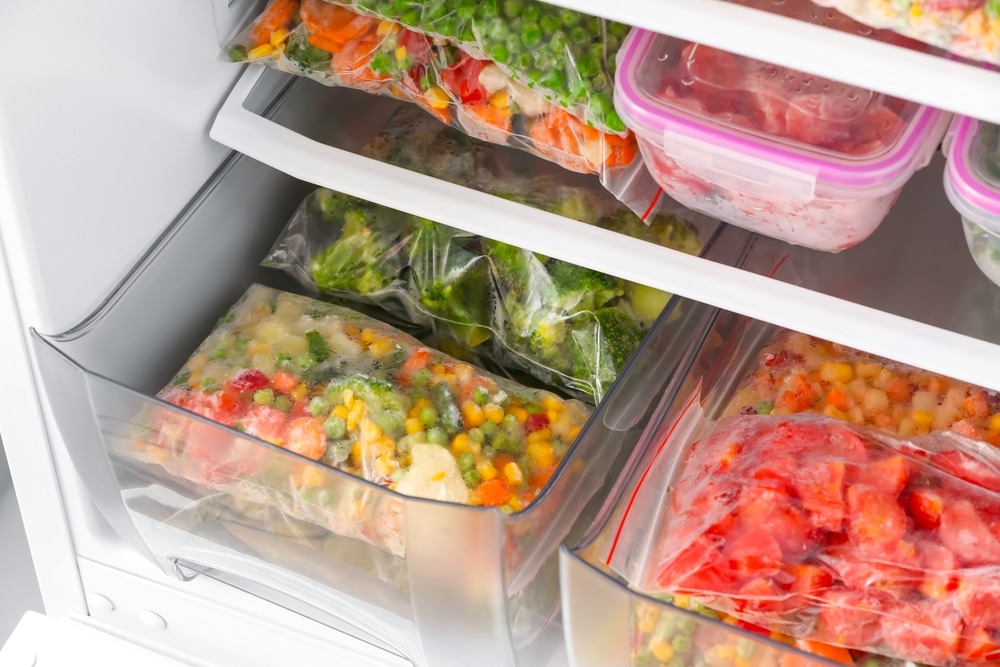

For most of us, “what’s in our food” means calories, sugar, or protein. But researchers are warning that another layer of ingredients is slipping into everyday meals. Not from the food itself, but from the plastics, coatings, and packaging wrapped around it. These are chemicals you’ll never see on a label, yet they show up in blood, urine, and even human tissue.
An investigation highlighted by The Washington Post reviewed a global database of more than 16,000 chemicals tied to plastics and found that over 5,400 are considered hazardous, yet many are still widely used in food packaging, cookware, and processing equipment. Biologist Martin Wagner of the Norwegian University of Science and Technology warned that many of these compounds “haven’t been assessed by governments or by the industry itself,” noting that regulators struggle to keep pace with the volume.
At the same time, a study discussed on NPR’s Morning Edition pulled together data showing 3,601 chemicals that appear both in food packaging and in human samples like blood and urine. Toxicologist Jane Muncke of the Food Packaging Forum described how chemicals can migrate in both directions: tomato sauce staining a plastic container is one example of molecules moving into the plastic, and similar processes can push plastic-linked chemicals back into food.
What Researchers Are Finding in Everyday Foods
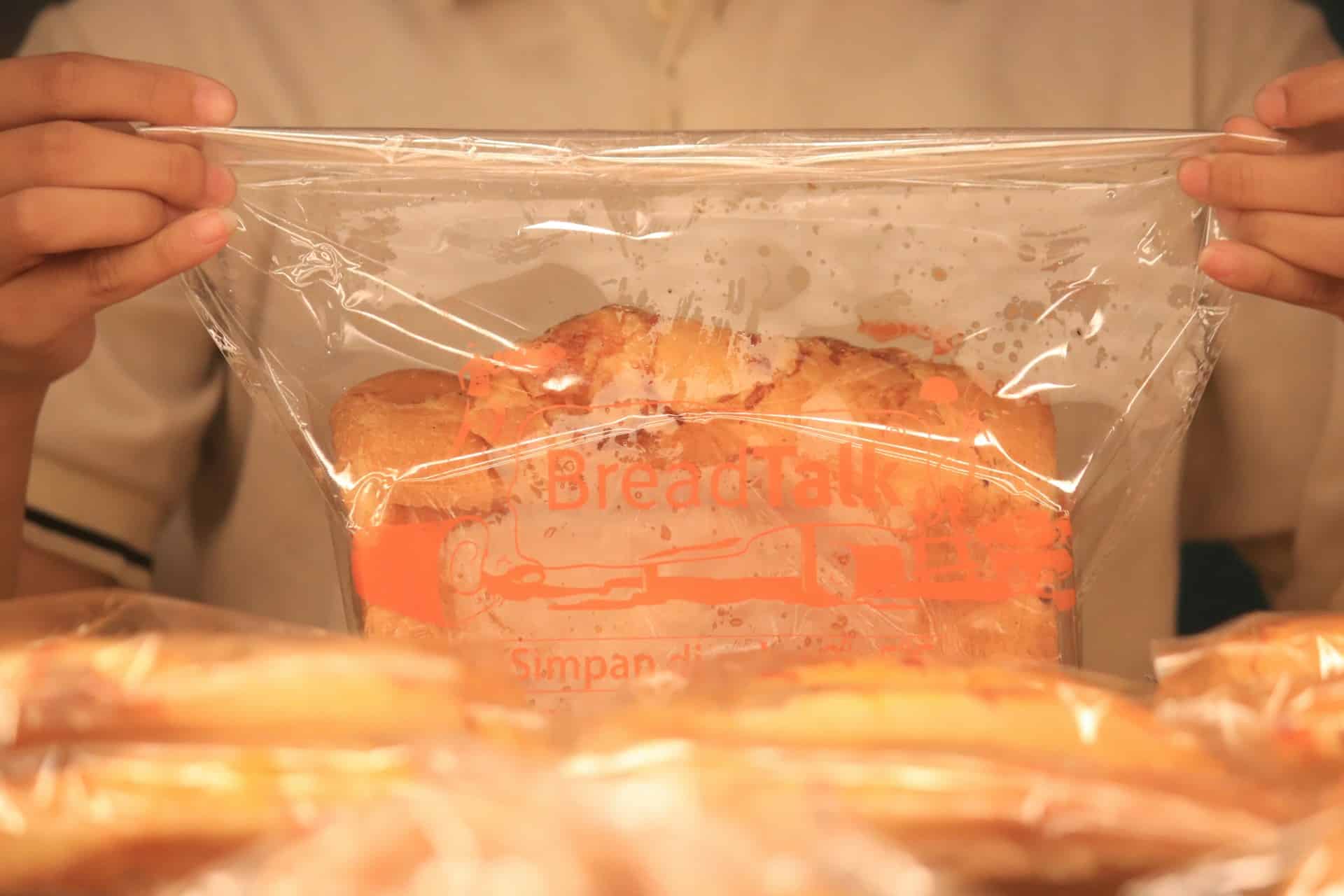
Scientists are focusing on two big sources of concern: plastic additives and tiny plastic particles. In a letter in the Journal of Public Health Research, researchers from Pakistan and India highlighted common additives like bisphenol A (BPA) and phthalates, which are used to make plastics harder or more flexible. They noted that these substances can migrate from packaging into food through contact, diffusion, and even gas-phase transfer, especially when heat, fat, or acidity are involved.
Their review pointed to studies finding that people who eat takeout from plastic containers four to seven times a week may ingest between 12 and 203 microplastics per week, while microplastic contamination has been detected in 93% of sampled bottled water brands. According to an article by The Guardian, there are thousands of compounds used in plastic food packaging, but hazard data is missing for most of them; qouting NYU pediatrician and environmental health researcher Dr. Leo Trasande, who said there are many “unknown unknowns” in the mix, not just the handful of chemicals we already worry about.
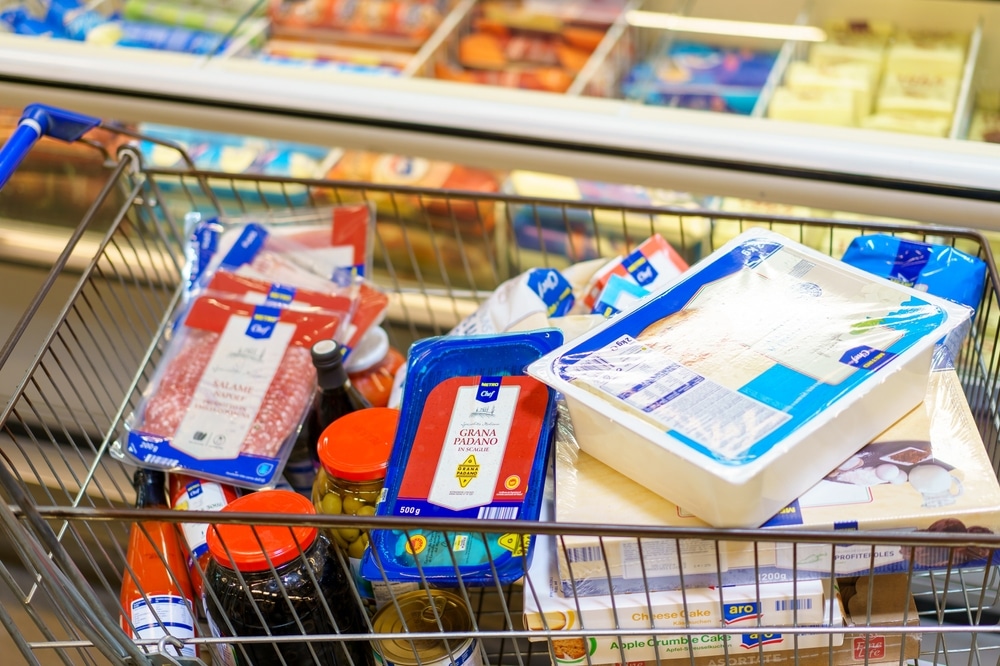
NPR’s report on Muncke’s study underscored that exposure isn’t limited to one product or brand. Chemicals can come from nonstick pans, plastic utensils, fast-food wrappers, and cardboard or paper treated with stain- or grease-resistant coatings. Endocrinologist Dr. Robert Sargis told NPR that there is “pretty robust evidence” linking certain groups of these chemicals, including phthalates and bisphenols, to health issues such as hormone disruption and cardiovascular problems, even though many individual compounds remain poorly studied.
Why This Matters for Health, and Not Just the Planet
The health concerns go beyond abstract chemical names. The Journal of Public Health Research letter describes plastic monomers and additives as potential genotoxins, substances that can damage DNA, and notes associations with hormone imbalance, reproductive issues, developmental effects, and early cardiac problems. In The Guardian piece, Trasande pointed out that exposure may start before birth, with certain chemicals affecting fetal and infant development long before a child ever handles plastic themselves.
NPR’s coverage emphasized that not every one of the 3,601 identified chemicals is proven harmful, but about 80 of them are already classified as “of high concern” due to links with cancers, developmental disorders, and heart disease. The challenge, as Muncke and other experts stressed, is that people are exposed to mixtures of chemicals from multiple sources every day, and testing often looks at one substance at a time. That makes it harder to understand cumulative effects over years or decades.
At the same time, researchers are starting to explore what happens once plastic particles are inside the body. A study published in National Library of Medicine, led by endocrinologist Stefan Bornstein, reviewed evidence that microplastics and nanoplastics have been found in human tissues, including the lung, heart, gut, liver, and even the brain. The team provided early data suggesting that a blood-filtering procedure called therapeutic apheresis might be able to remove microplastic-like particles from circulation, but they stressed that much larger studies are needed before it can be considered a real treatment.
What You Can Do and What Needs to Change
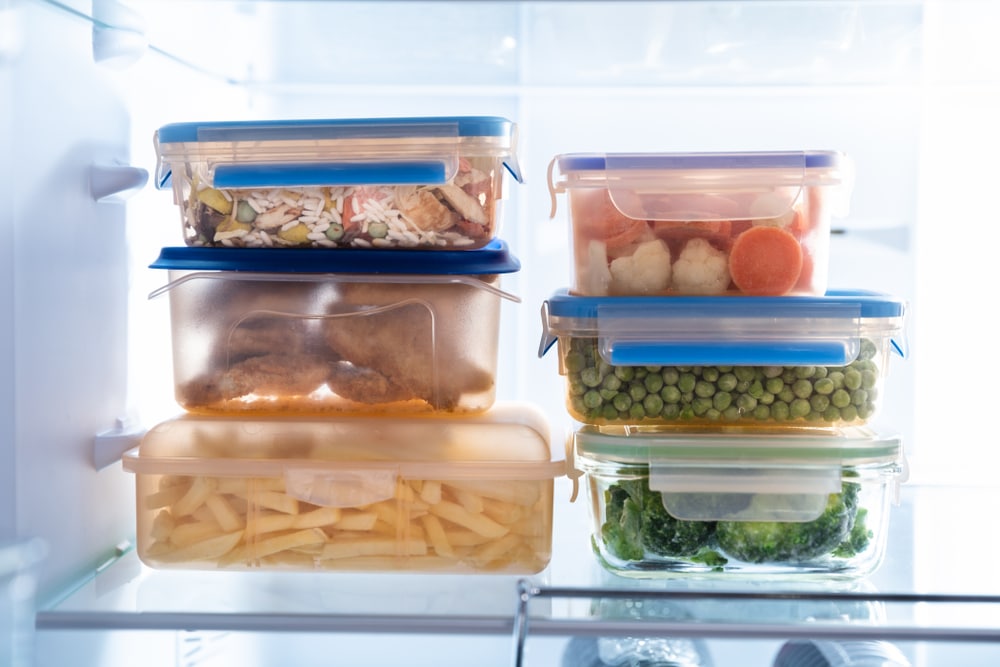
Even with all the unknowns, researchers are fairly consistent about simple steps that can reduce everyday exposure. Experts advised avoiding heating food in plastic, especially in the microwave or dishwasher, since high temperatures can speed up chemical migration. They also recommend choosing glass, stainless steel, or ceramic for storage and cooking when possible, and limiting highly processed, plastic-wrapped foods that have had repeated contact with packaging up and down the supply chain.
But personal choices only go so far. Scientists are calling for stricter rules on which chemicals are allowed in food-contact plastics and for regulators to test mixtures, not just single compounds. Wagner argued that regulators “simply can’t keep up” with the sheer number of plastic-linked chemicals now in circulation, which is why many have never been properly assessed.
Longer term, researchers say the food industry, regulators, and scientists need to work together on safer packaging materials and better methods to track how substances move from packaging into food and through the body. For now, the message isn’t to panic, but to pay attention: the most concerning issue in common foods isn’t a new ingredient on the label, but the invisible chemistry of the containers, wrappers, and coatings we rely on every day.