Failing Steakhouse Chain Plans Nationawide Return With New Locations
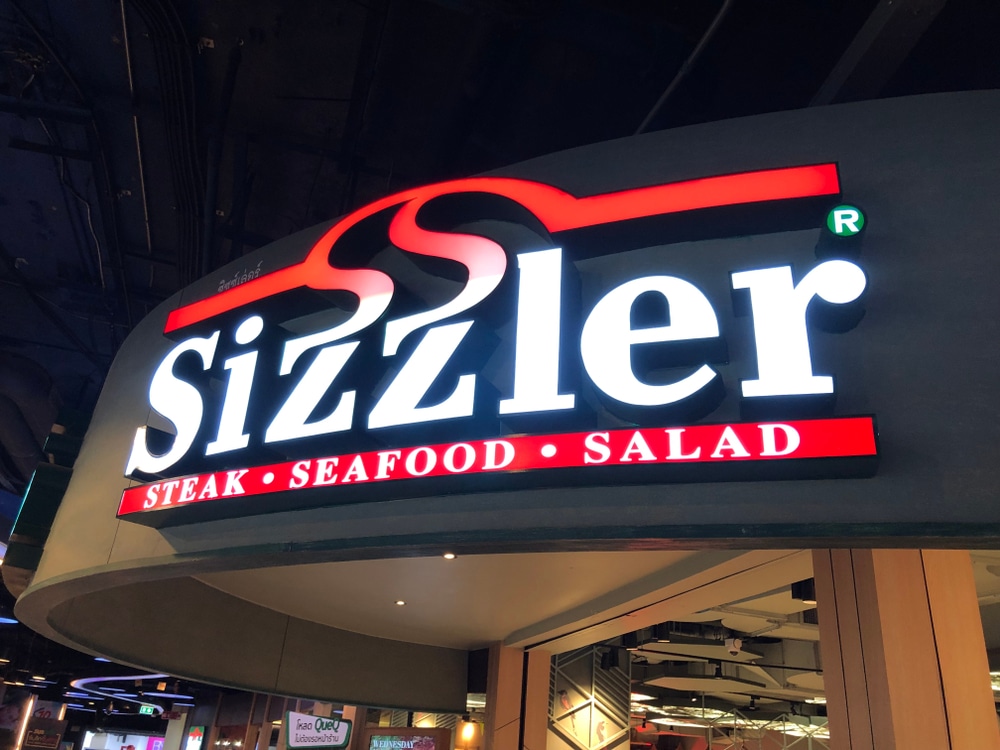

For decades, Sizzler was a reliable fixture of American casual dining. A place known for affordable steaks, family celebrations, and its iconic salad bar.
But like many legacy restaurant chains, it struggled to keep pace with shifting tastes, rising costs, and a dining industry reshaped by inflation and changing consumer habits. After filing for bankruptcy and shuttering hundreds of locations over the years, Sizzler faded from the cultural spotlight.
Now, the brand is attempting a carefully measured comeback. Rather than chasing trends or reinventing itself entirely, Sizzler is betting that familiarity, value, and nostalgia still resonate with diners navigating a tighter economy. The chain’s leadership says the goal isn’t to recreate the past, but to modernize what once worked and see if there’s still room for it today.
What the Comeback Looks Like
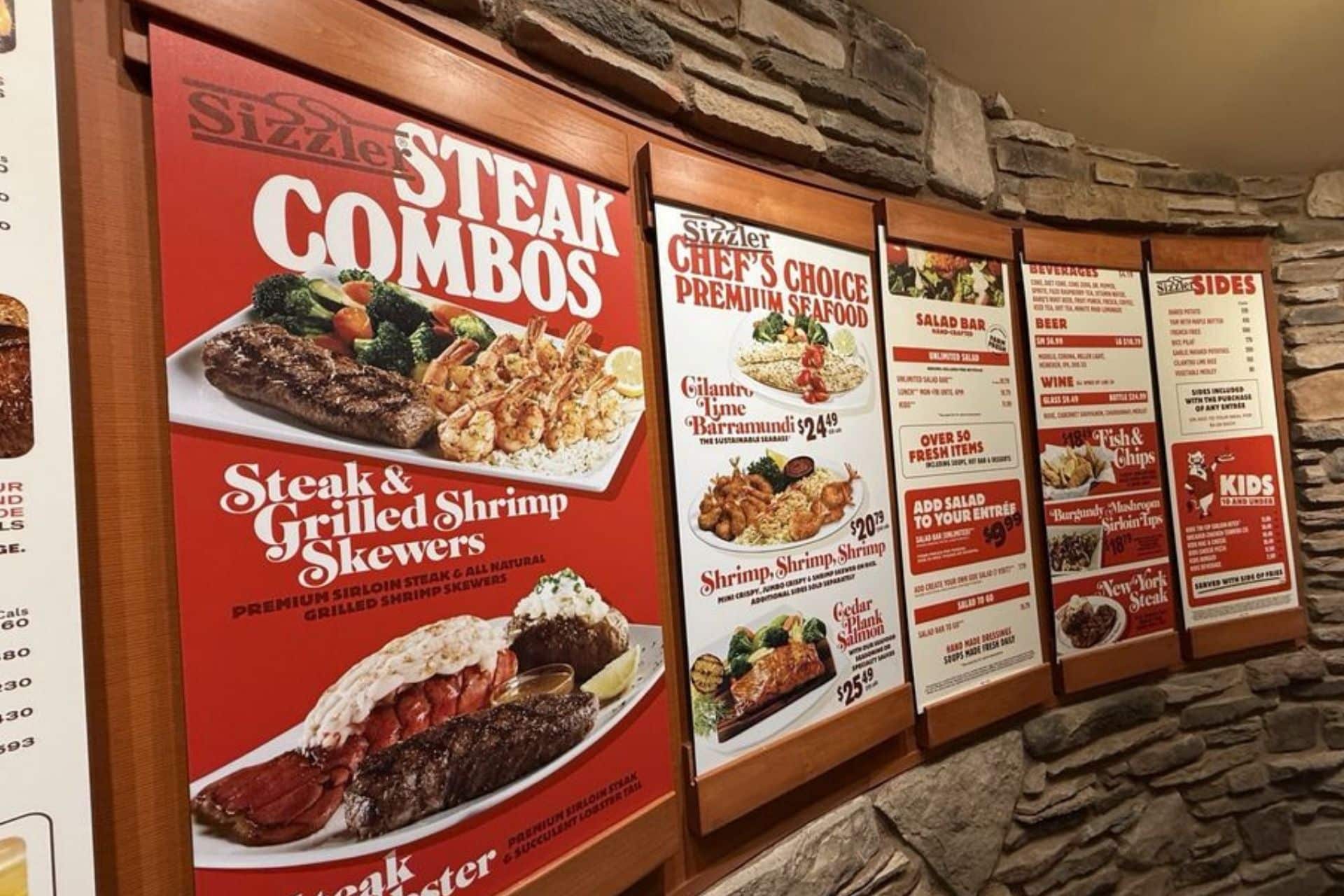
Sizzler’s return isn’t a nationwide rollout. Instead, it’s a slow, targeted expansion focused on select markets, primarily in California, where the brand still has name recognition. The chain currently operates roughly 80 locations, a fraction of its peak in the 1990s, and plans to grow cautiously through remodeled stores and a handful of new openings.
Updated restaurants feature refreshed interiors, digital menu boards, and redesigned salad bars, while keeping core elements intact. Executives say early remodels have driven significant sales lifts, in some cases exceeding 40%, suggesting that customers are responding to the updated experience without losing the brand’s identity.
Rather than positioning itself as trendy or premium, Sizzler is leaning into affordability and consistency. In an interview with QSR Magazine, leadership described the strategy as “getting back to basics,” emphasizing value meals, family-friendly dining, and straightforward comfort food at a time when many households are cutting back on discretionary spending.
Why Sizzler Thinks This Moment Works
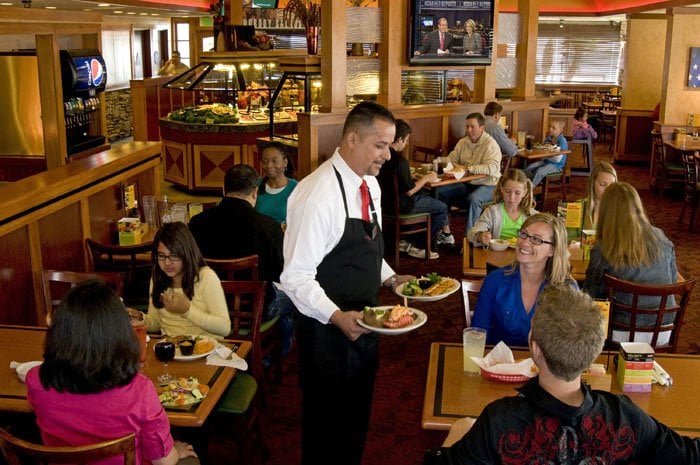
The timing of Sizzler’s comeback is no accident. Industry analysts note that high-end dining and “hype-driven” food concepts have lost momentum as consumers become more price-conscious. Steakhouse dining, once associated with indulgence, has become harder to justify amid rising menu prices and economic uncertainty.
Sizzler is positioning itself as an alternative, a place where steak still feels accessible. Executives say the brand’s strength lies in offering a full-service experience without the premium price tag that now defines many steakhouses.
At the same time, nostalgia plays a powerful role. Millennials who grew up visiting Sizzler with their families now have children of their own, and the chain hopes those memories translate into renewed loyalty. Company leaders argue that diners aren’t necessarily looking for innovation — they’re looking for something familiar that still feels worth the money.
A Test of Whether Nostalgia Can Survive Reality
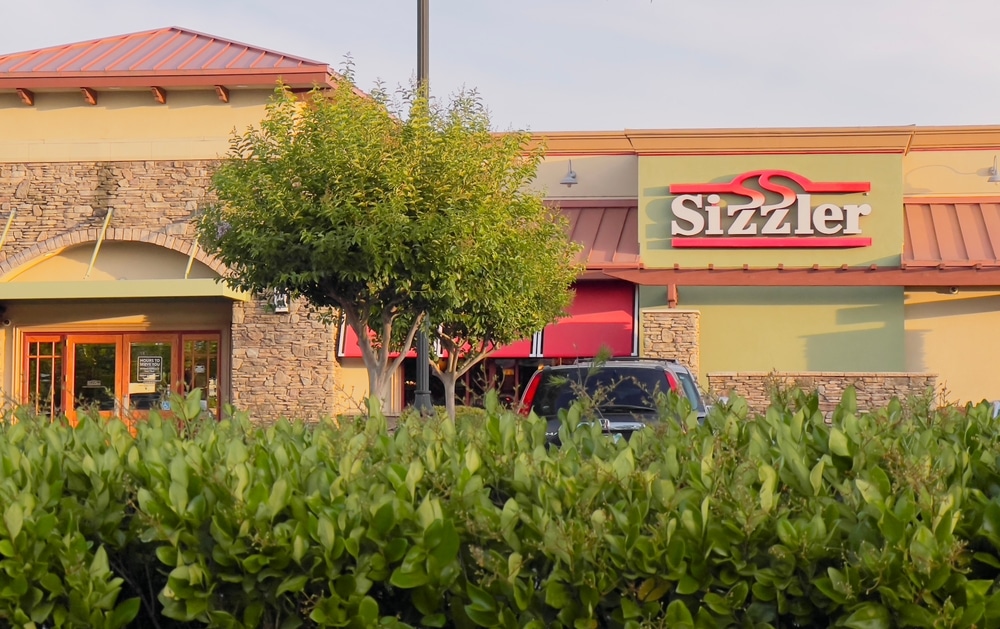
Sizzler’s revival is less about a dramatic reinvention and more about a quiet test: can a once-dominant brand find relevance in a dining landscape shaped by inflation, labor shortages, and cautious consumers?
What once felt like a cultural movement increasingly resembles a market correction, reflecting not just one company’s struggles, but a broader shift in how casual dining operates today. The question isn’t whether Sizzler can reclaim its former scale, but whether it can carve out a sustainable niche built on value and familiarity.
If the early results hold, Sizzler’s comeback could signal that legacy brands still have a place — not by chasing trends, but by meeting consumers where they are now. If not, it may serve as another reminder that nostalgia alone isn’t always enough to overcome economic reality.