Families Who Use EBT Cards Are Losing Access to Popular Grocery Items Under New Rules
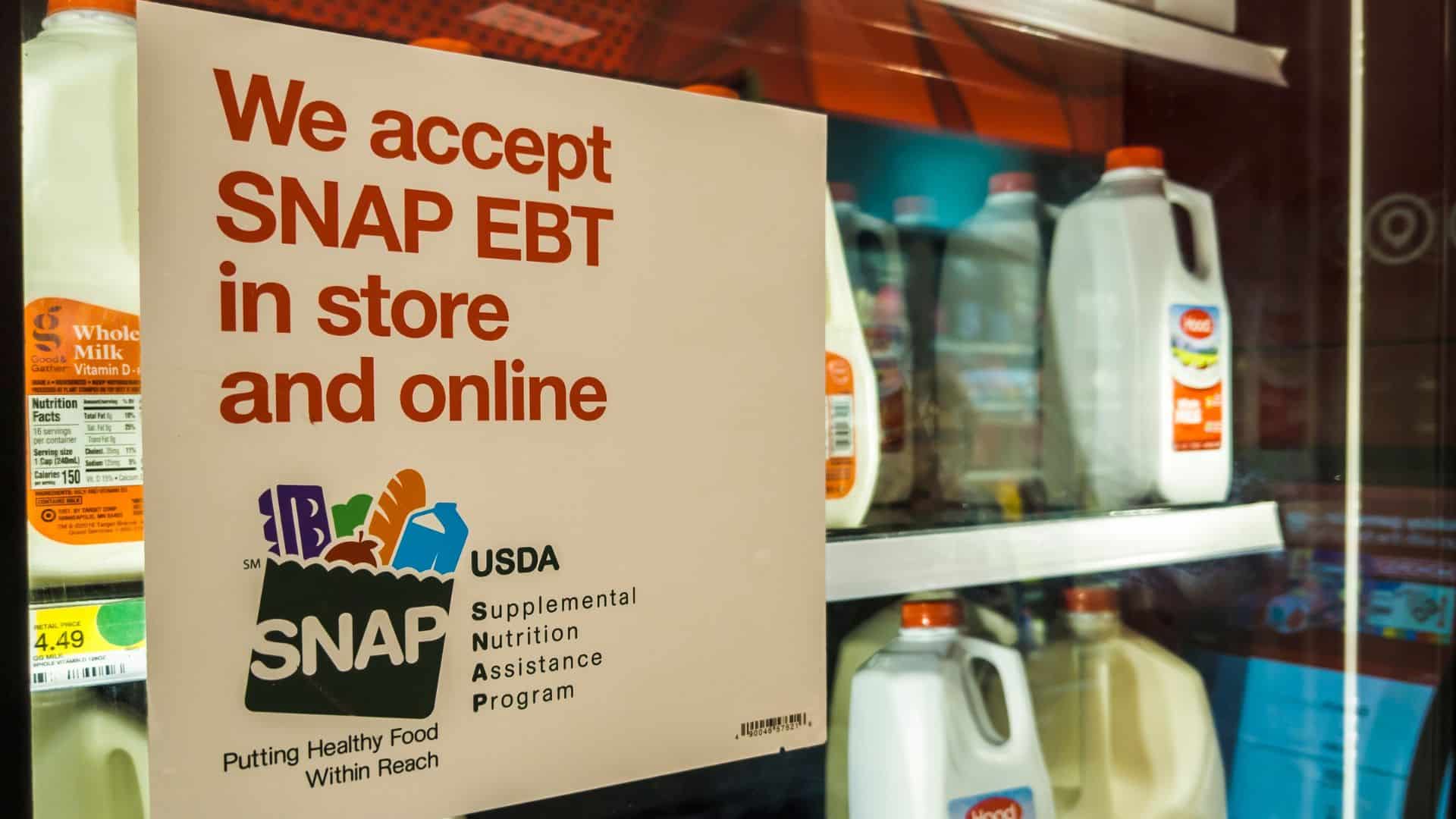

Millions of Americans receiving food assistance now face new limits on what they can purchase. Eighteen states secured federal approval to ban soda, candy, energy drinks, and similar products from SNAP benefits, with implementation dates scheduled throughout the year. Five states began enforcement on January 1, affecting approximately 1.4 million people. The restrictions mark the first systematic effort to exclude specific foods from the program since its creation, reigniting debates about government oversight, personal choice, and nutrition policy for low-income families.
The Administration Calls It Part of Make America Healthy Again
Agriculture Secretary Brooke Rollins announced the changes in December 2025. “President Trump has made it clear: we are restoring SNAP to its true purpose – nutrition,” Rollins said when approving six state waivers. The USDA grants SNAP Food Restriction Waivers that allow individual states to specify banned items. Health Secretary Robert F. Kennedy Jr. has pushed states to remove foods considered unhealthy from the program, which serves more than 42 million Americans and costs nearly $100 billion annually.
Each State Determines Which Foods to Ban
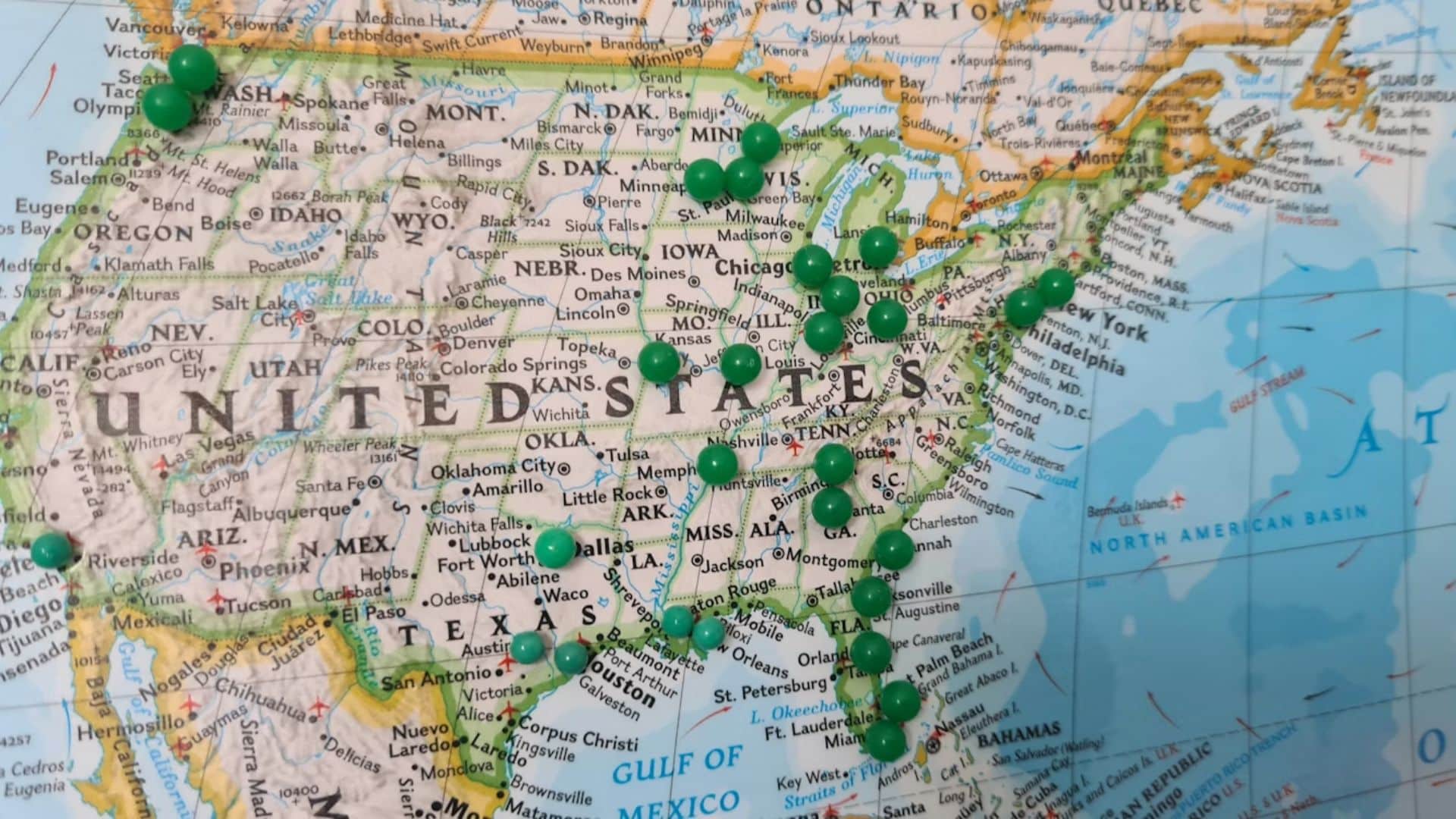
Restrictions vary across states. Arkansas targets soda, candy, and fruit drinks with less than half real juice, with enforcement beginning July 1, 2026. Iowa takes the broadest approach, restricting all taxable food items. Florida bans soda, energy drinks, candy, and prepared desserts. Colorado’s soft drink restrictions start March 1, 2026, while Louisiana’s restrictions on soft drinks, energy drinks, and candy began January 15. The state-by-state approach creates different rules for recipients and retailers operating across multiple locations.
Five States Began Enforcement on New Year’s Day
Indiana and Iowa no longer allow SNAP purchases of soft drinks and candy. Nebraska restricts soda and energy drinks. Utah and West Virginia both prohibit soft drinks and soda purchases. Margaret Mannion with the National Association of Convenience Stores said retailers face challenges navigating 18 different compliance systems. The restrictions apply to an estimated 1.4 million people across these five states, according to December 2025 reports. More states will implement similar rules throughout 2026.
Retailers Get 90 Days to Adjust Their Systems
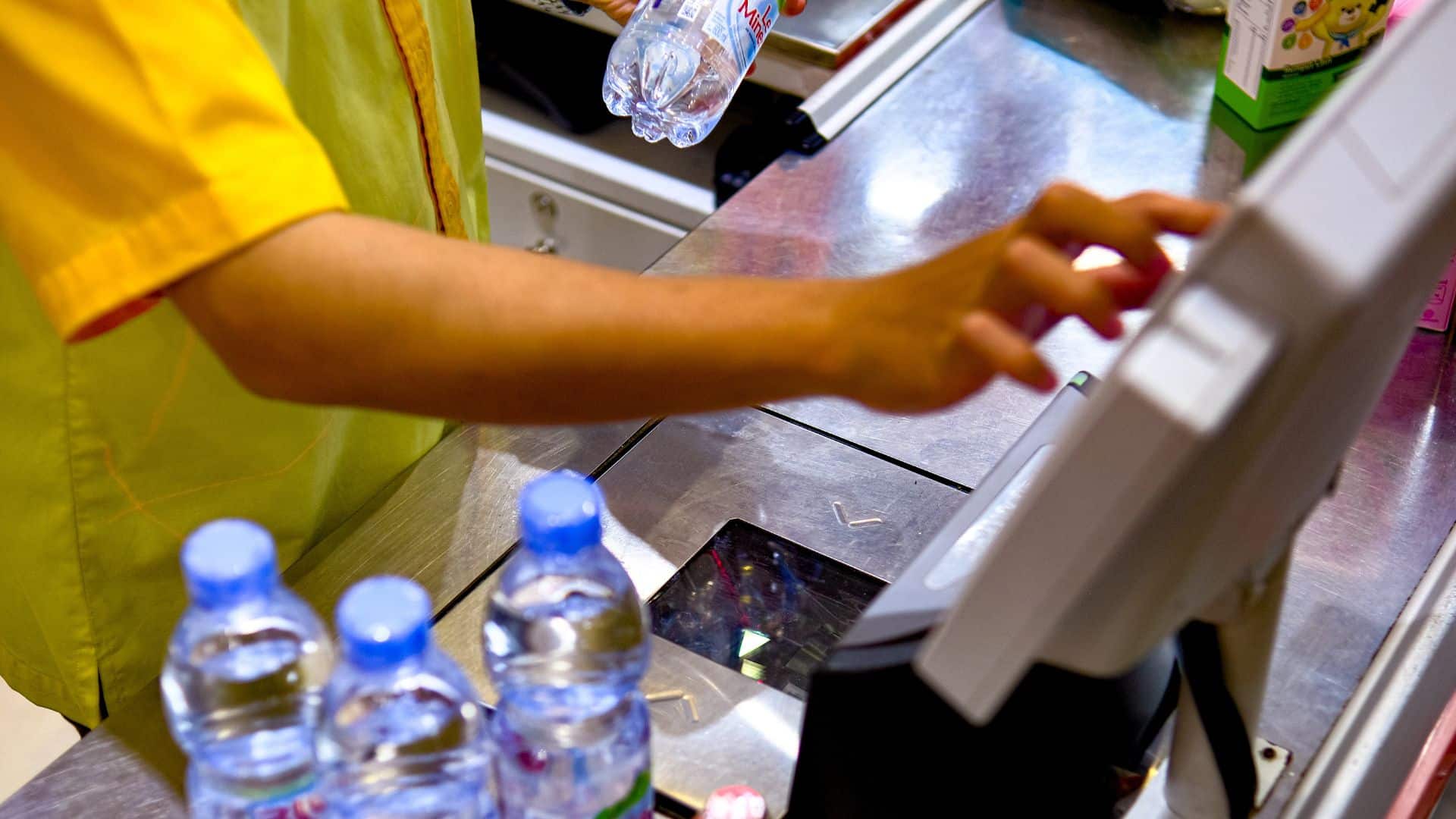
The USDA announced a 90-day grace period following each state’s start date. After this period, non-compliant retailers receive warning letters. Continued violations could result in involuntary removal from SNAP, meaning stores would lose the ability to accept benefits entirely. The National Retail Federation warned of longer checkout lines and increased customer complaints. Point-of-sale systems must flag restricted items, requiring cashiers to inform customers that alternative payment methods are needed for those products.
Recipients Can Still Buy Restricted Items With Their Own Money
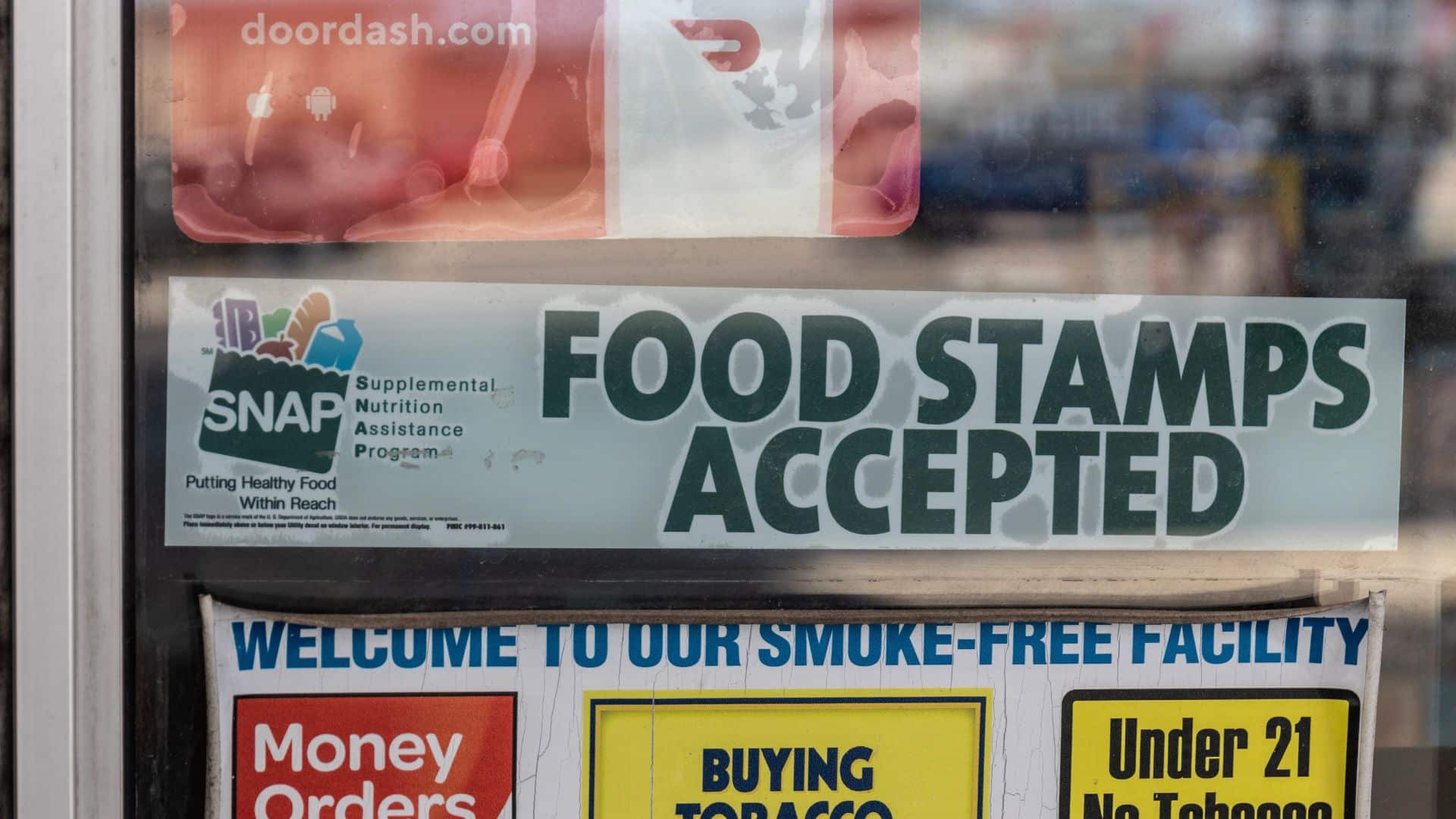
The restrictions apply only to SNAP funds. Recipients can purchase banned items using cash or cards. Checkout systems will identify ineligible products, and store employees must explain that a different payment is required. All SNAP participants must follow the rules in their state, with no option to opt out. If recipients shop in states without restrictions, those purchases remain valid. Retailers must ensure online shopping platforms comply with state-specific requirements.
Advocacy Groups Warn of Stigma and Administrative Burdens
The Food Research & Action Center criticized the waivers in December 2025. “Punishing SNAP recipients means we all get to pay more at the grocery store,” said Gina Plata-Nino, SNAP director for FRAC. The organization argues that restrictions fail to address the underlying causes of poor nutrition: limited income, food costs, and access to healthy options. Research shows SNAP participants already experience judgment while shopping. Advocacy groups warn that confusion at checkout could increase public shaming and discourage program participation.
Supporters Say Restrictions Target Obesity and Related Diseases
Proponents argue SNAP should not fund foods linked to poor health outcomes. Indiana Governor Mike Braun said when announcing his state’s restrictions that officials are “focused on root causes, transparent information and real results.” The changes target chronic conditions, including obesity, type 2 diabetes, and heart disease associated with sugar consumption. Supporters emphasize that taxpayers fund the program and maintain it should prioritize nutritious foods that support better health outcomes for recipients.
When Complete, Rules Will Affect Nearly One-Third of SNAP Recipients
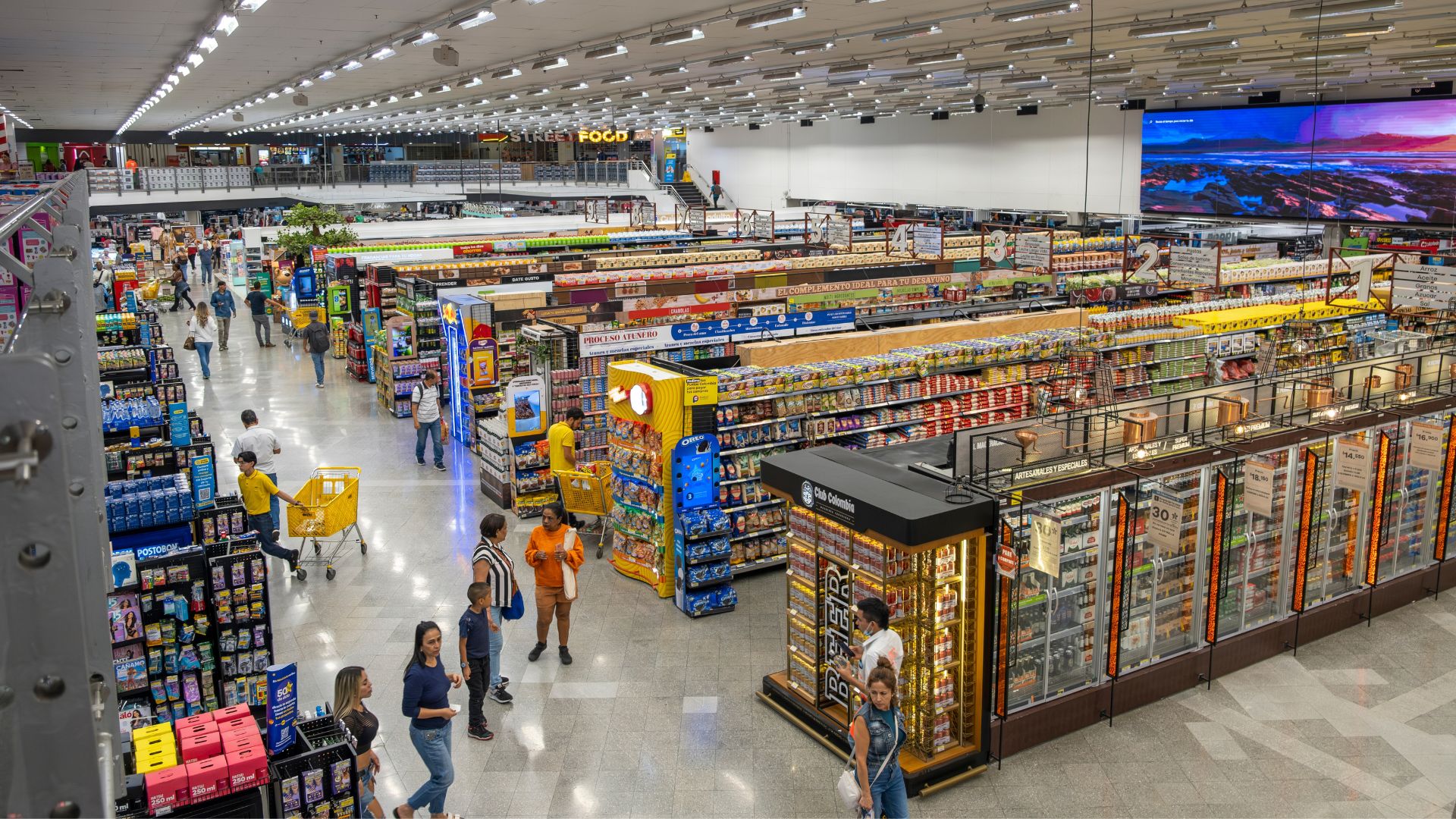
The 18 participating states include large ones like Texas and Florida alongside smaller states like North Dakota, Hawaii, and Idaho. Roughly 31 percent of all SNAP participants will experience restrictions once implementation finishes. The program supports families through 267,000 authorized retailers nationwide. Industry groups estimate implementation costs at $1.6 billion initially, with $759 million in ongoing annual expenses. States face budget pressures while managing these changes, adding strain to agencies already handling complex federal nutrition programs.
Implementation Continues Throughout 2026 Amid Ongoing Debate
Millions of families adjusting to the changes face uncertainty as state rollouts continue. Health organizations, anti-hunger advocates, and food industry groups continue lobbying efforts to influence implementation. Evidence remains inconclusive about whether purchase restrictions improve diet quality or health. Kate Bauer, a nutrition science expert at the University of Michigan, predicted “a disaster waiting to happen of people trying to buy food and being rejected” as restrictions take effect across additional states this year.