Farmers Consider Letting Staple Crops Rot After Sudden Crisis Leaves Millions Unsold
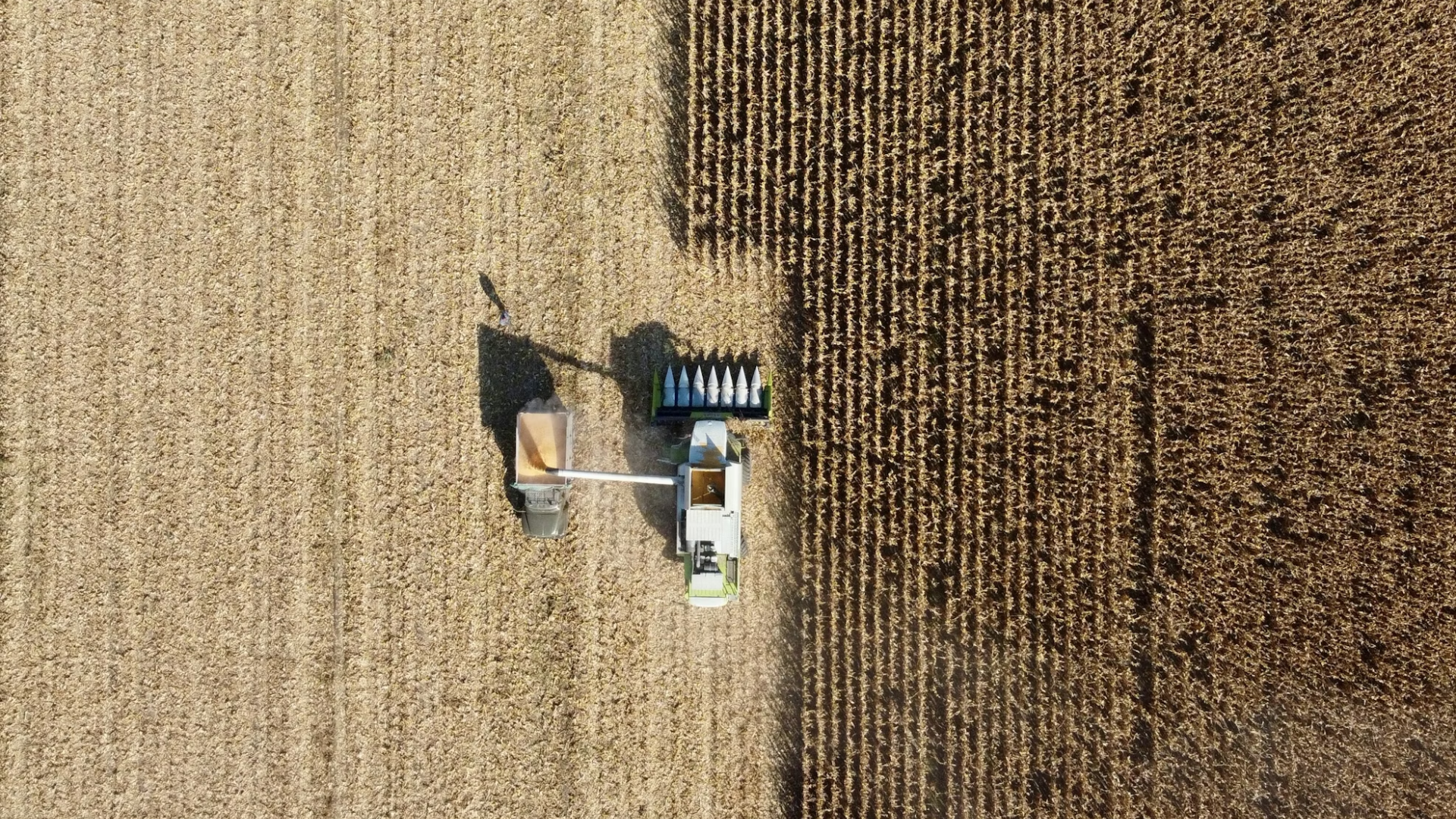

Farmers across key agricultural regions are facing a crisis so severe that some are considering letting staple crops simply rot in the field or in storage because global market conditions have collapsed and there is nowhere to sell millions of pounds of produce. In parts of the Mississippi Delta, producers who expanded acreage to grow rice last year are now stuck with unprecedented surpluses after prices plunged and export markets dried up, leaving grain bins overflowing with unsold crops and financial prospects bleak for those who hoped to profit from last season’s harvest.
Market Prices Plunge and Surplus Inundates Farmers
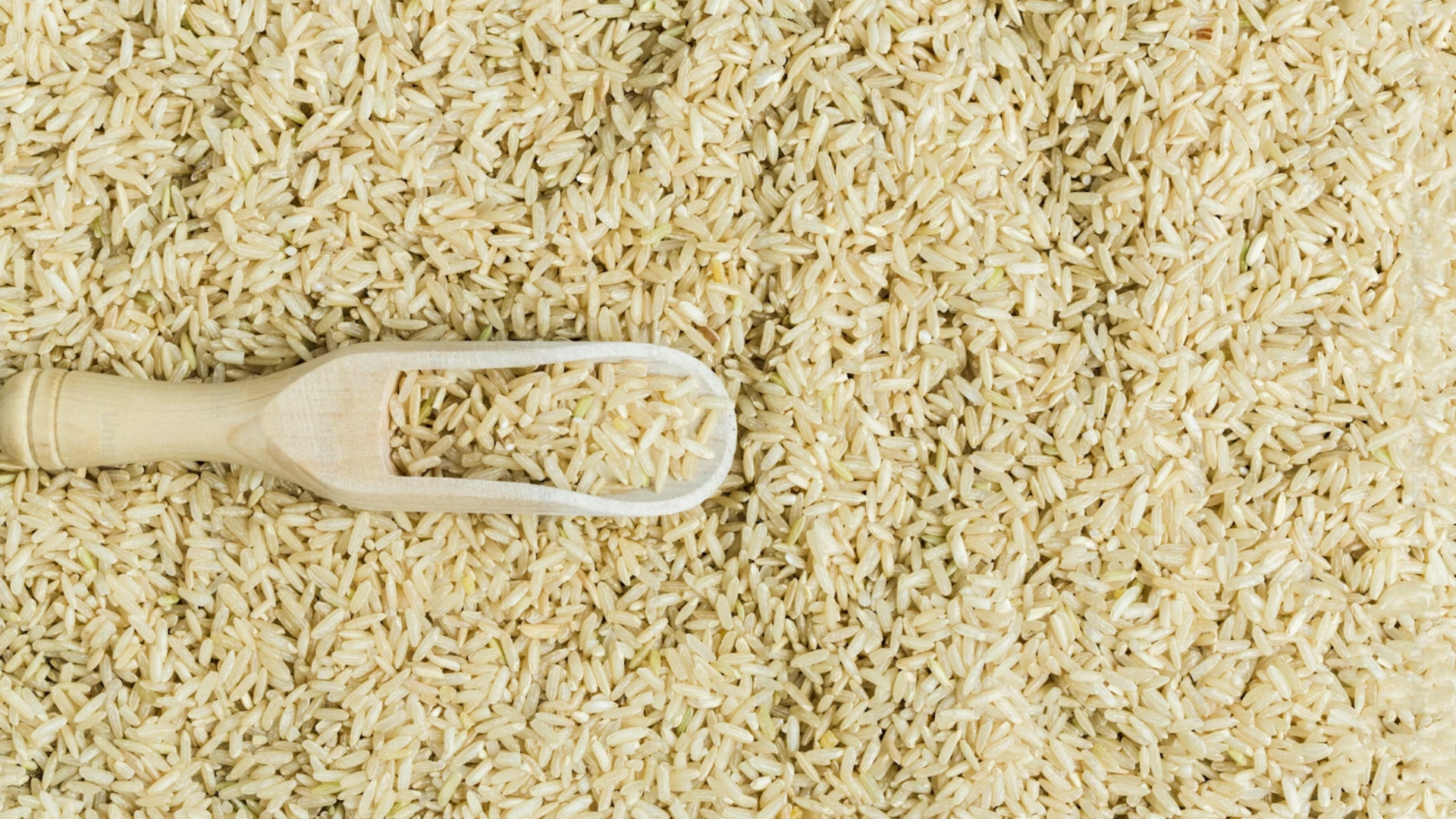
After rice prices rose to around seven dollars per bushel in spring 2025, many farmers expanded acreage and poured resources into planting staple crops, but global prices soon dropped about thirty percent as supply increased and competition from other exporting nations grew. This sudden shift left farmers like Jack Westerfield with millions of pounds of rice stored in on-farm bins and limited buyers willing to pay enough to cover production costs, prompting some producers to ask what choice they have but to let surplus crops go unharvested or unsold.
Exports Dry Up Amid Global Trade Shifts
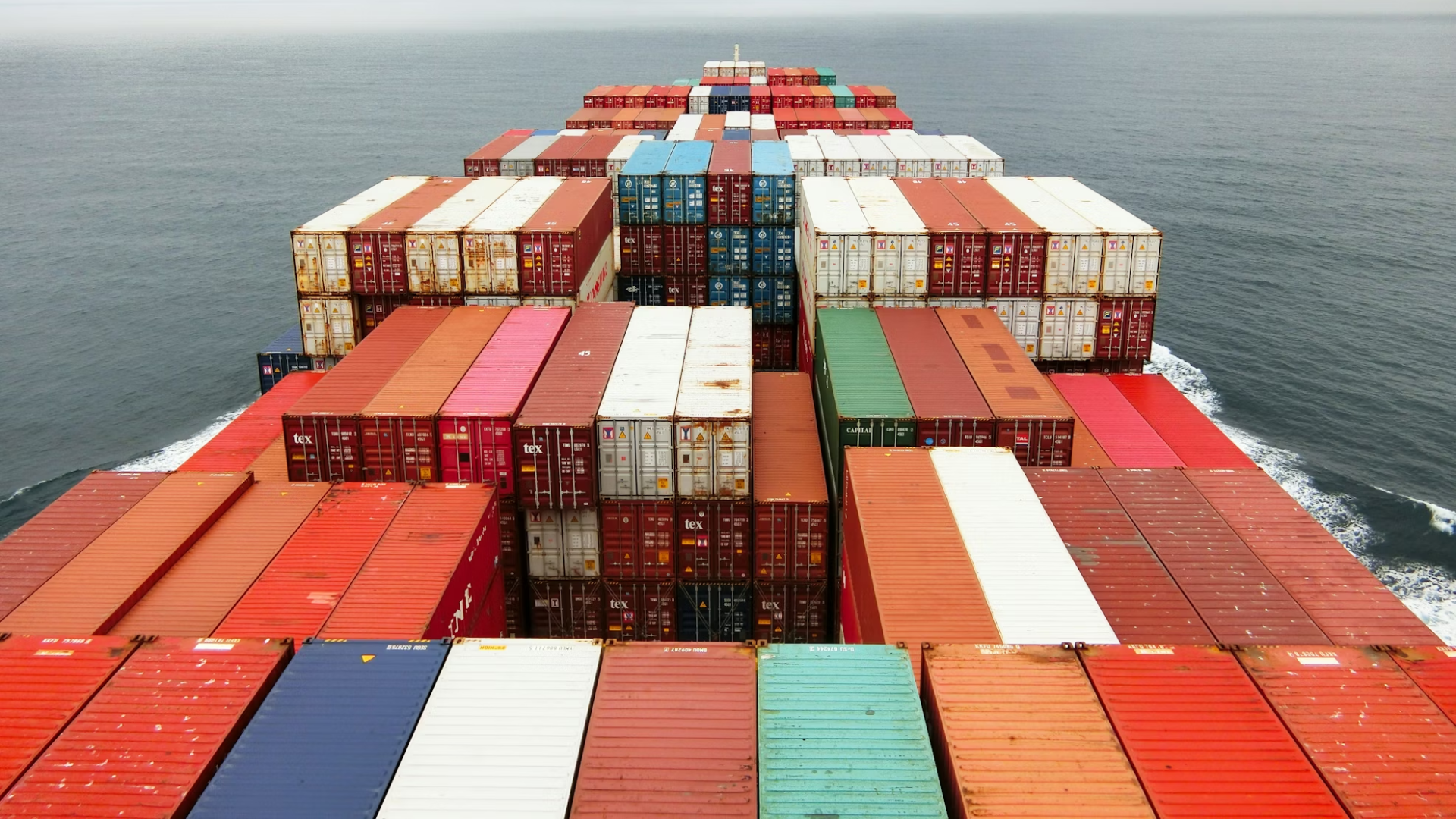
Part of the problem driving unsold crops is a shift in international demand, with some traditional buyers either reducing purchases or turning to competitors, which amplifies oversupply in U.S. markets and pushes prices lower for farmers who depend on exports. In the soybean sector, for example, trade tensions and policy disputes have led key purchasers like China to reduce or halt purchases, leaving producers with excess crops and limited markets willing to absorb current harvest levels.
Financial Strain and Rising Production Costs
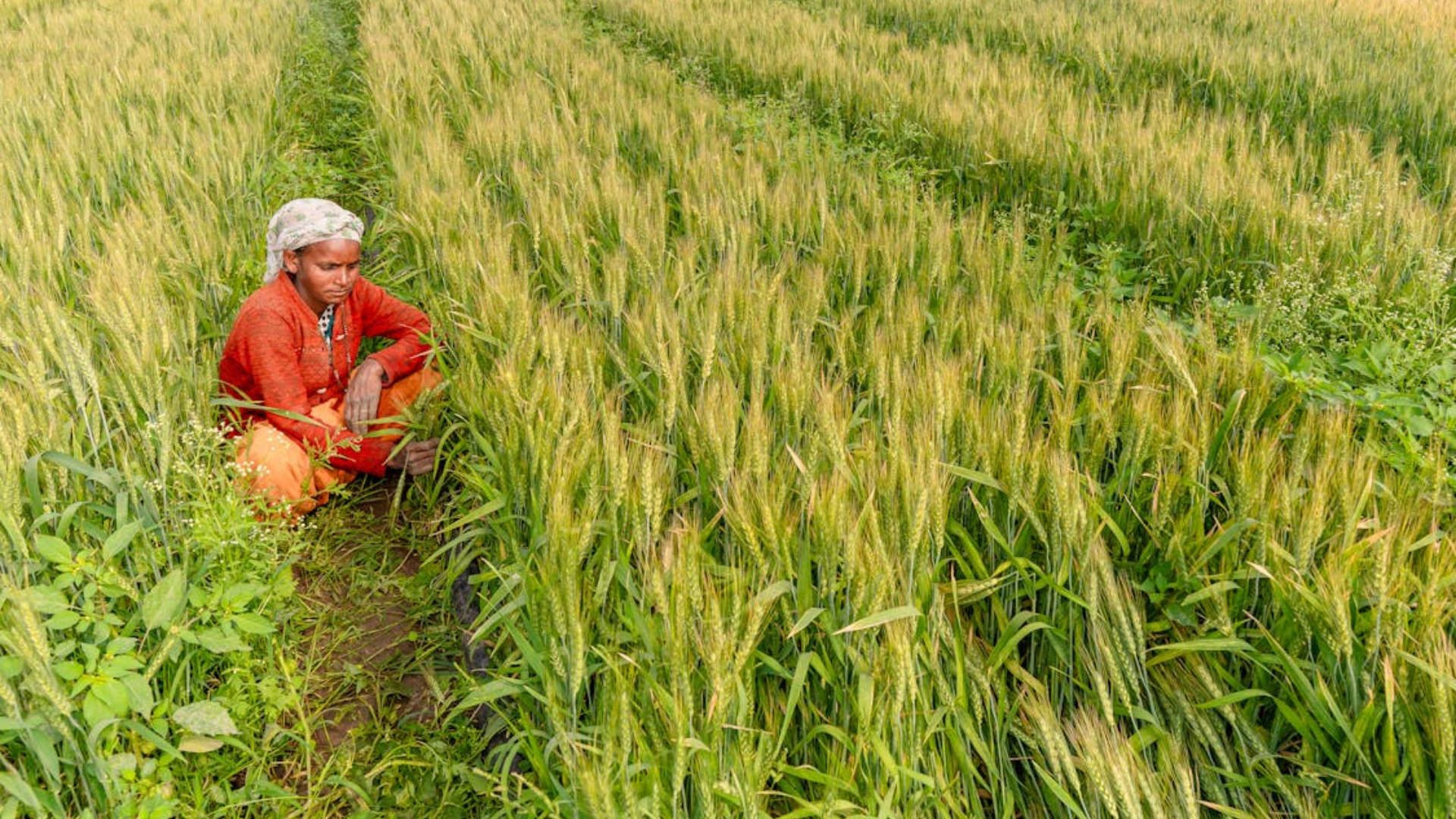
This crisis is unfolding against a backdrop of rising farm input costs for equipment, seed, fertilizer and labor, which have increased farmers’ break-even production thresholds, meaning that even a decent harvest can result in net losses when commodity prices retreat and costs stay high. Economic analysts say many row crop producers have seen their net income plunge in recent seasons, with mounting debt and shrinking revenue making it harder for farmers to justify harvesting crops that may not bring a return sufficient to cover production costs.
Storage Capacity and Surplus Pile-up
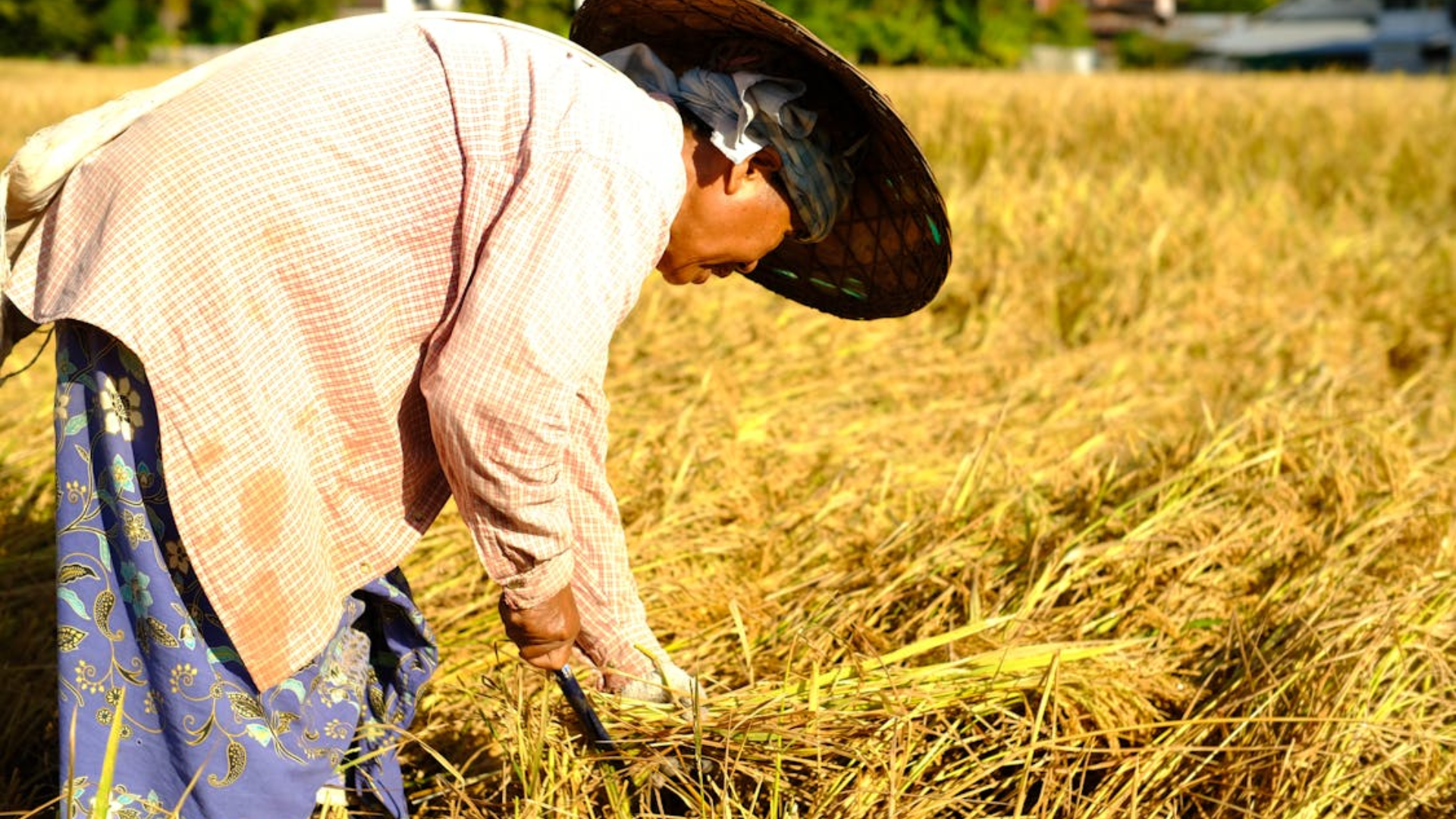
Compounding the financial dilemma is a shortage of storage capacity for many producers, as record-size harvests collide with limited silo and bin space, forcing farmers to leave crops in the field longer or find off-farm alternatives that may be costly or unavailable. With demand lagging and storage filling quickly, the surplus stockpile continues to grow, prompting tough questions about whether it is worth harvesting harvests in areas where market access is limited and storage options are constrained.
Calls for Government Support and Buyouts

At farm bureau meetings and agricultural forums, producers have urged lawmakers to consider government-backed buyout or compensation programs that would pay farmers to remove or forgo harvesting surplus crops, offering a safety net in a market where prices have collapsed and traditional demand channels have dried up. Such proposals reflect broader concerns about the long-term sustainability of farming operations when producers are left holding crops they cannot sell for a price that makes economic sense, even after federal support and relief packages are deployed.
Long-term Impacts on Rural Communities
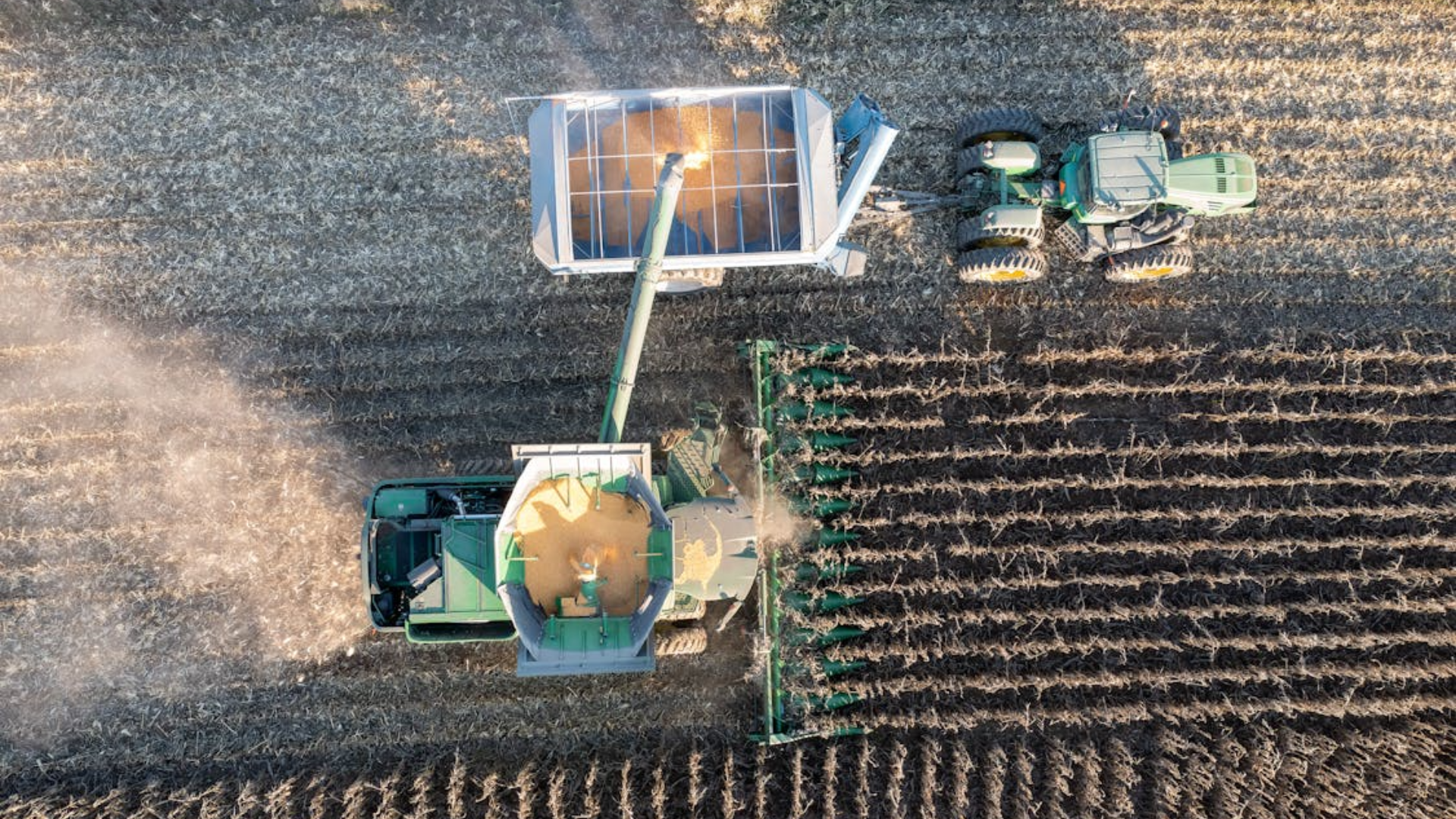
The broader impact of mass unsold crops extends beyond individual farmers’ balance sheets, affecting rural economies that depend on farm income to support local businesses, services and infrastructure, and weakening the appeal of farming for a new generation of growers contemplating entry into the industry. When commodity markets fail to absorb harvests, and producers contemplate letting crops rot because selling them could deepen losses, entire rural communities feel the ripple effects of declining farm viability and shrinking economic activity.
Trade and Agricultural Policy Pressures
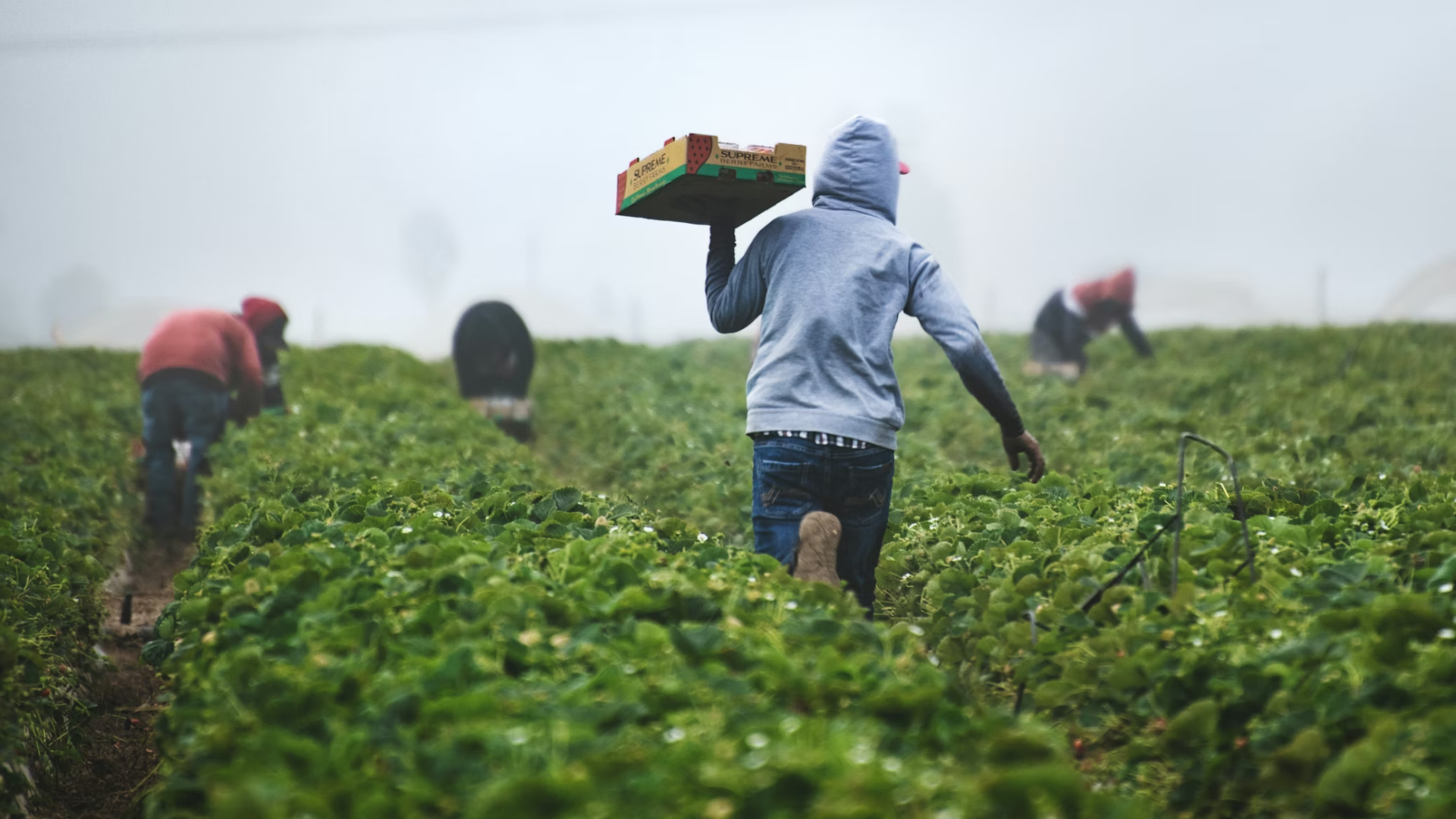
Analysts and farm advocates have called for policy solutions that address declining commodity demand and volatility in international markets, including updates to the farm bill, expansion of risk management programs and encouragement of diversified crop markets that align with shifting global consumption patterns. Without strategic policy shifts, producers warn that agricultural sectors focused on major staples like rice, corn and soybeans could continue to face structural challenges that make traditional cycles of planting and selling increasingly untenable.
Farmers’ Responses and Adaptation Strategies
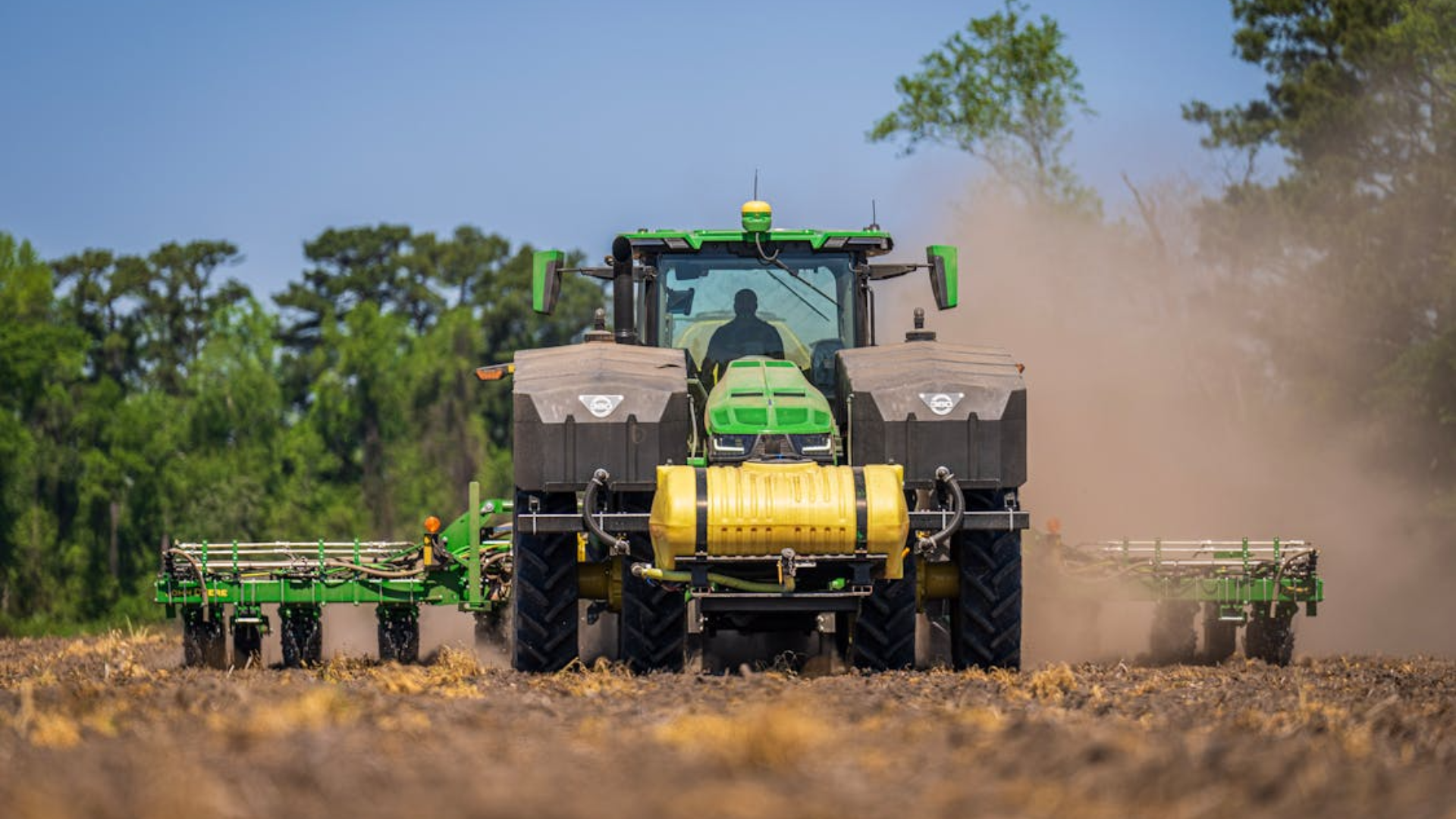
Some farmers are considering shifting toward specialty crops, niche markets or diversified agricultural systems that cater to domestic demand and reduce reliance on export-oriented staple markets, but such transitions require new infrastructure, supply chain relationships and risk frameworks that are not easy to build overnight. Others are exploring cooperative storage solutions, value-added processing and local food initiatives that could help make crops more marketable while reducing dependence on volatile global commodity prices.
Unharvested Crops from Collapsing Global Prices
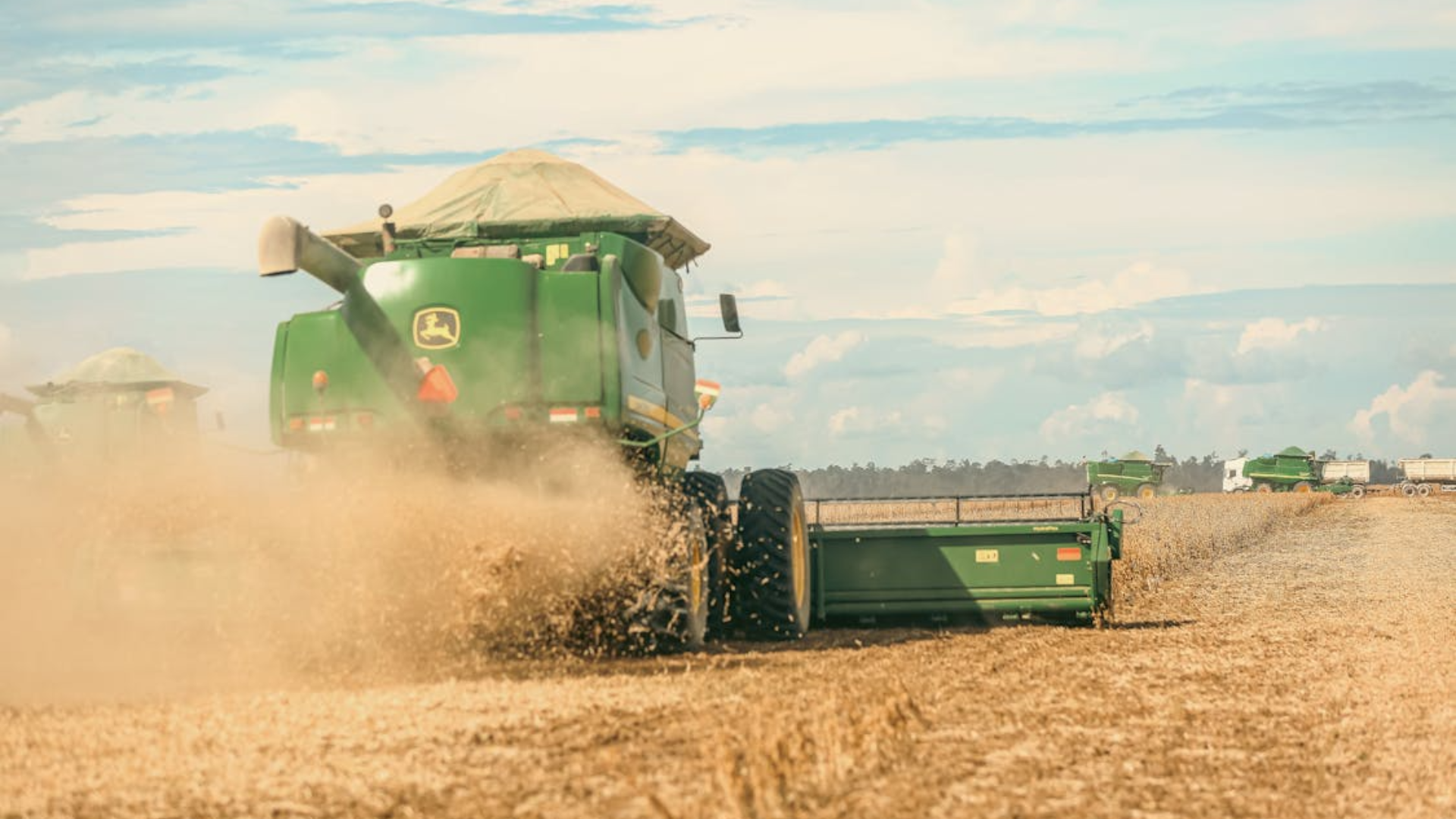
In conclusion, farmers are confronting an unprecedented situation in which staple crops may go unharvested or rot because of collapsing global prices, shifting trade patterns and limited storage capacity that make selling current harvests uneconomical for many producers. The confluence of market upheaval and rising costs has prompted calls for government intervention and long-term policy solutions, while also forcing individual growers to consider diversification and new strategies to sustain their livelihoods amid rising uncertainty in the agriculture sector.

