Farmers Urge Americans to Eat This ‘Overlooked’ Meat, Because It Lowers Energy Bills
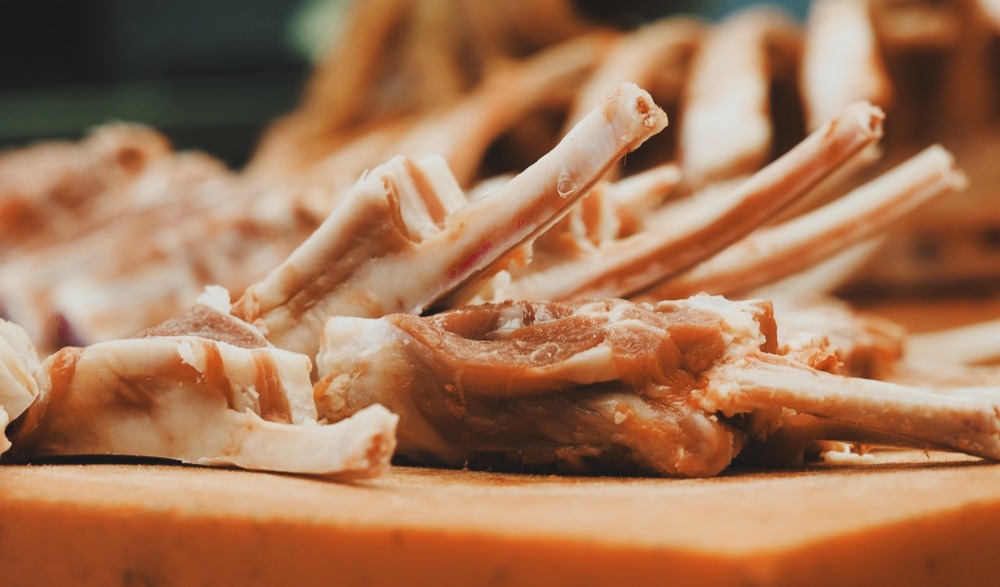

At a time when energy costs are climbing and farmers are searching for new ways to stay afloat, an unlikely hero is stepping into the spotlight: lamb. Across parts of the country, sheep are quietly grazing beneath rows of solar panels, trimming grass that would otherwise need to be mowed by gas-powered equipment. Now, farmers and clean energy advocates say Americans should take a second look at this often overlooked meat.
For decades, lamb has lagged behind beef and chicken in popularity. According to Colorado State University’s College of Health and Human Sciences, Americans consume less than one pound of lamb per year on average, compared to roughly 85 pounds of beef. Yet producers say that changing that habit could support a system that cuts emissions, lowers maintenance costs at solar farms, and keeps agricultural land productive.
In simple terms, when sheep graze under solar panels, they replace fuel-powered mowing machines. That reduces energy use, lowers operating costs for solar companies, and provides sheep farmers with steady grazing contracts. In turn, farmers say stronger demand for lamb meat could make the entire model more sustainable.
How Sheep and Solar Panels Work Together
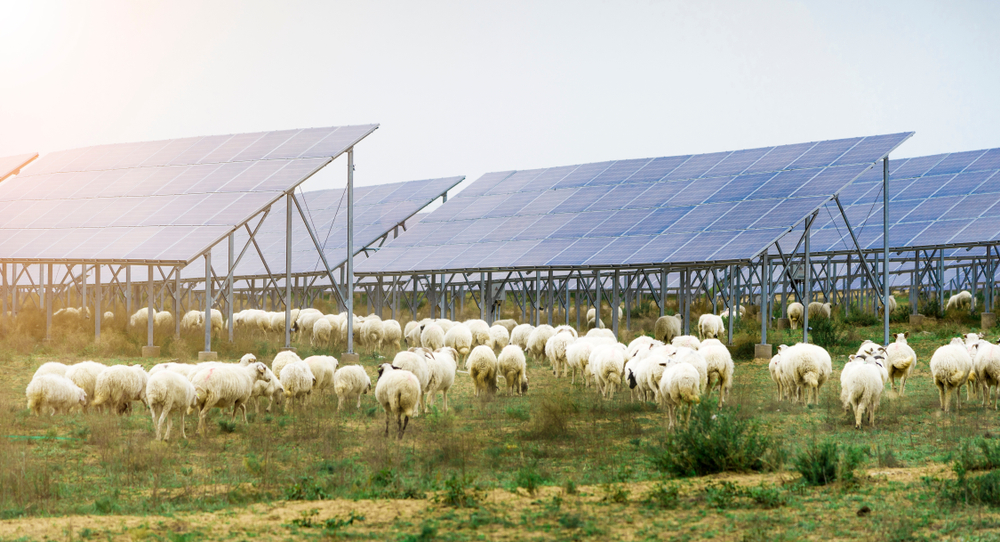
The concept is known as agrivoltaics, which means using the same land for both agriculture and solar energy. In many states, the most common version of this is solar grazing, where sheep feed on grass growing between and beneath solar panels.
According to the first U.S. solar grazing census conducted by the National Renewable Energy Laboratory and the American Solar Grazing Association, more than 113,000 sheep grazed on about 129,000 acres of solar sites in 2024. Researchers described the practice as undergoing rapid growth and said the scale was larger than previously understood.
The benefits are practical. Sheep keep vegetation low without damaging panels, unlike cattle, which can rub against equipment. By replacing mechanical mowing, solar grazing reduces fuel use and labor costs. At the same time, farmers receive grazing fees, creating an additional income stream that helps offset rising farm expenses.
Why Farmers Say America Should Eat More Lamb
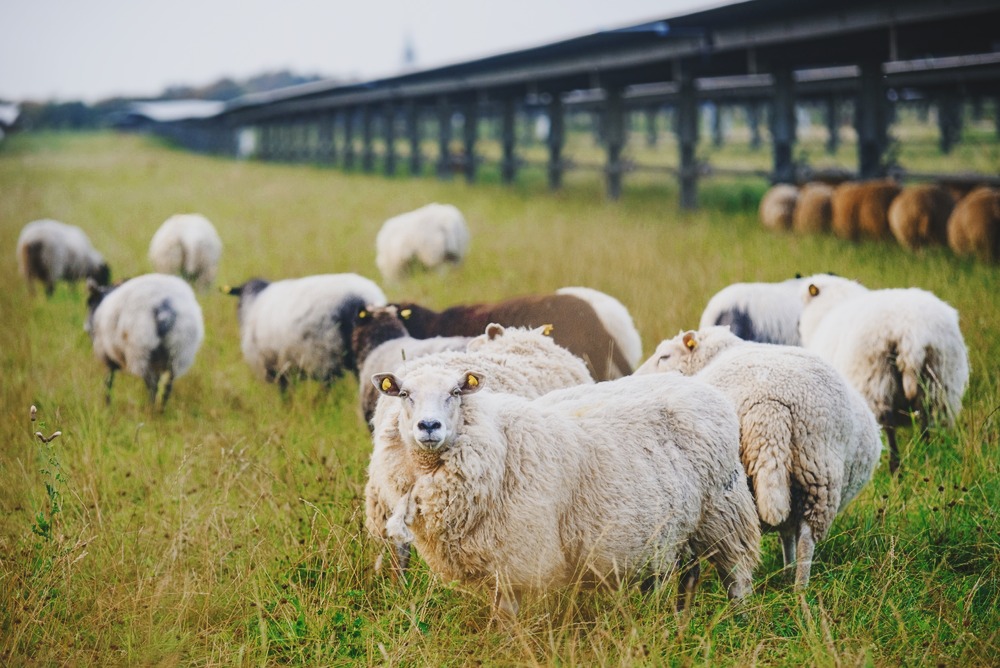
While solar grazing offers new opportunities, farmers say one major hurdle remains: demand for lamb meat. In the United States, lamb consumption has steadily declined since the 1960s, dropping from nearly five pounds per person per year to about one pound today.
Industry leaders note that consumer attitudes may be shifting. A recent American Lamb Board study found that 20% of respondents reported increasing their lamb consumption, and just over 30% cited health and fitness as reasons for eating more of it. More than 70% of consumers surveyed said they are focused on increasing protein in their diets.
In Illinois and other Midwest states, farmers say stronger demand would help solar grazing expand. Many sheep farmers rely on selling lamb to stay profitable. As one solar grazing advocate explained, grazing contracts can support livestock producers, but a stable market for lamb meat is what allows them to grow their flocks and invest long term.
The Nutrition and Practical Case for Lamb
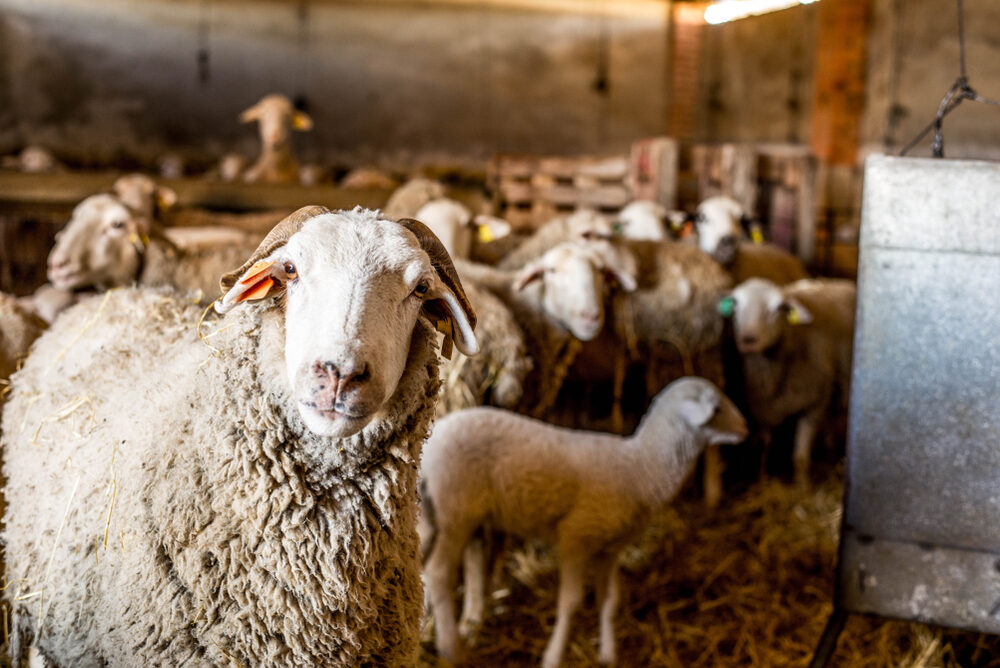
Beyond the environmental angle, farmers and nutrition experts point out that lamb offers strong nutritional value. According to Healthline, a 3.5-ounce serving provides about 25 grams of high-quality protein and important nutrients like iron, zinc, and vitamin B12. It contains all nine essential amino acids and is considered a complete protein.
Lamb also contains heme iron, which is more easily absorbed by the body than plant-based iron. That can help prevent iron-deficiency anemia. Because it has zero carbohydrates and can be relatively lean depending on the cut, many health experts say it can fit into a balanced diet when eaten in moderation.
For consumers, the connection may seem indirect. Eating lamb does not directly lower your household electric bill. However, when sheep replace gas-powered mowing at solar sites, operating costs drop and emissions decline. That can support more efficient renewable energy production and help farms diversify income. In other words, choosing lamb can play a small role in supporting a system that keeps land productive while reducing energy use.