Caught in the Act: 8 Fast-Food Chains Quietly Shrinking Portions
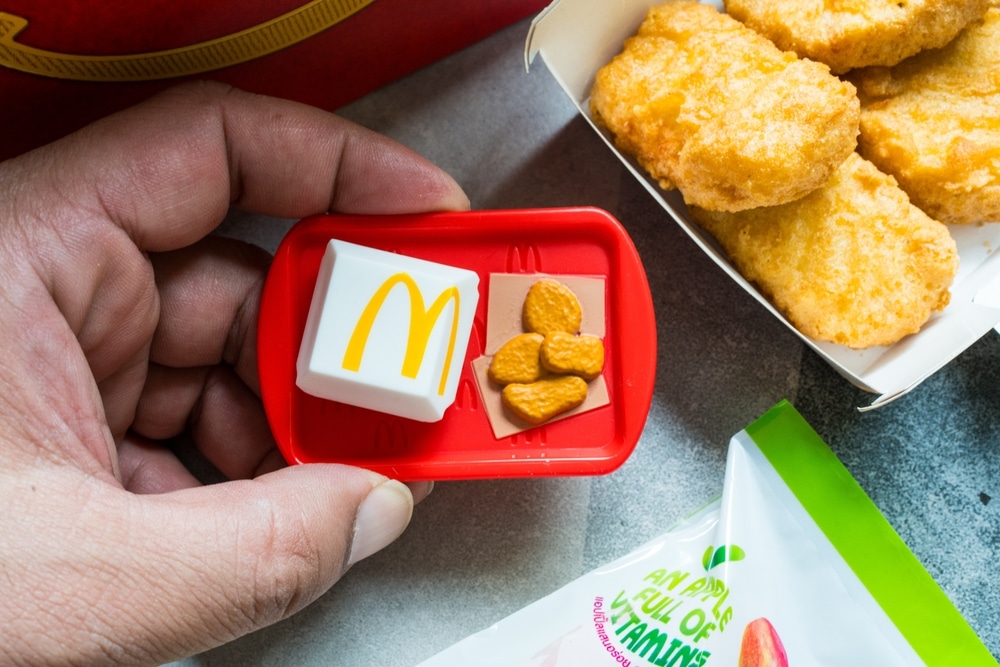

Something’s missing from your meal, and it’s not just the fries at the bottom of the bag. Across the country, customers are realizing that their favorite fast-food portions are quietly shrinking.
It’s not a coincidence. As inflation drives up costs for ingredients, packaging, and labor, many major chains are resorting to shrinkflation, giving customers less food for the same price.
Here’s how eight of America’s biggest fast-food chains are trimming servings without saying a word.
Wendy’s
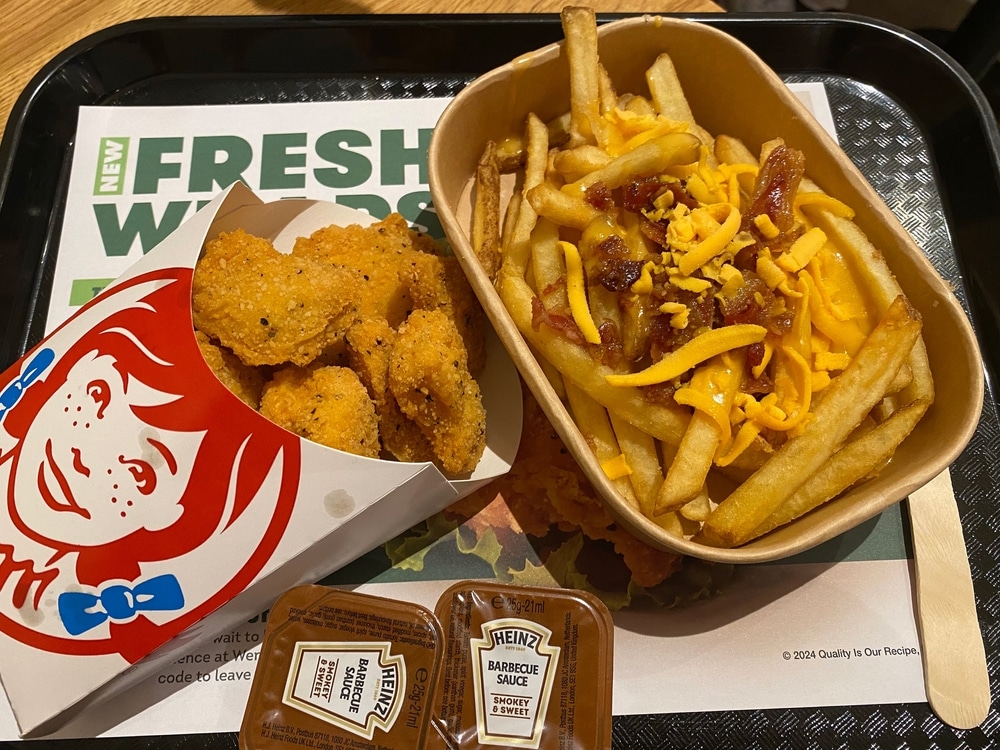
Once known for value deals and overstuffed combo meals, Wendy’s has quietly scaled back on fries and nuggets. The shift follows rising potato and beef costs that have pressured the chain’s profit margins. According to a report on shrinking value menus, fast-food franchises have been reducing portion sizes to maintain the illusion of value rather than hiking prices outright.
While Wendy’s continues to promote premium “Made to Crave” meals, many customers say the portions don’t quite fill them up like they used to.
McDonald’s
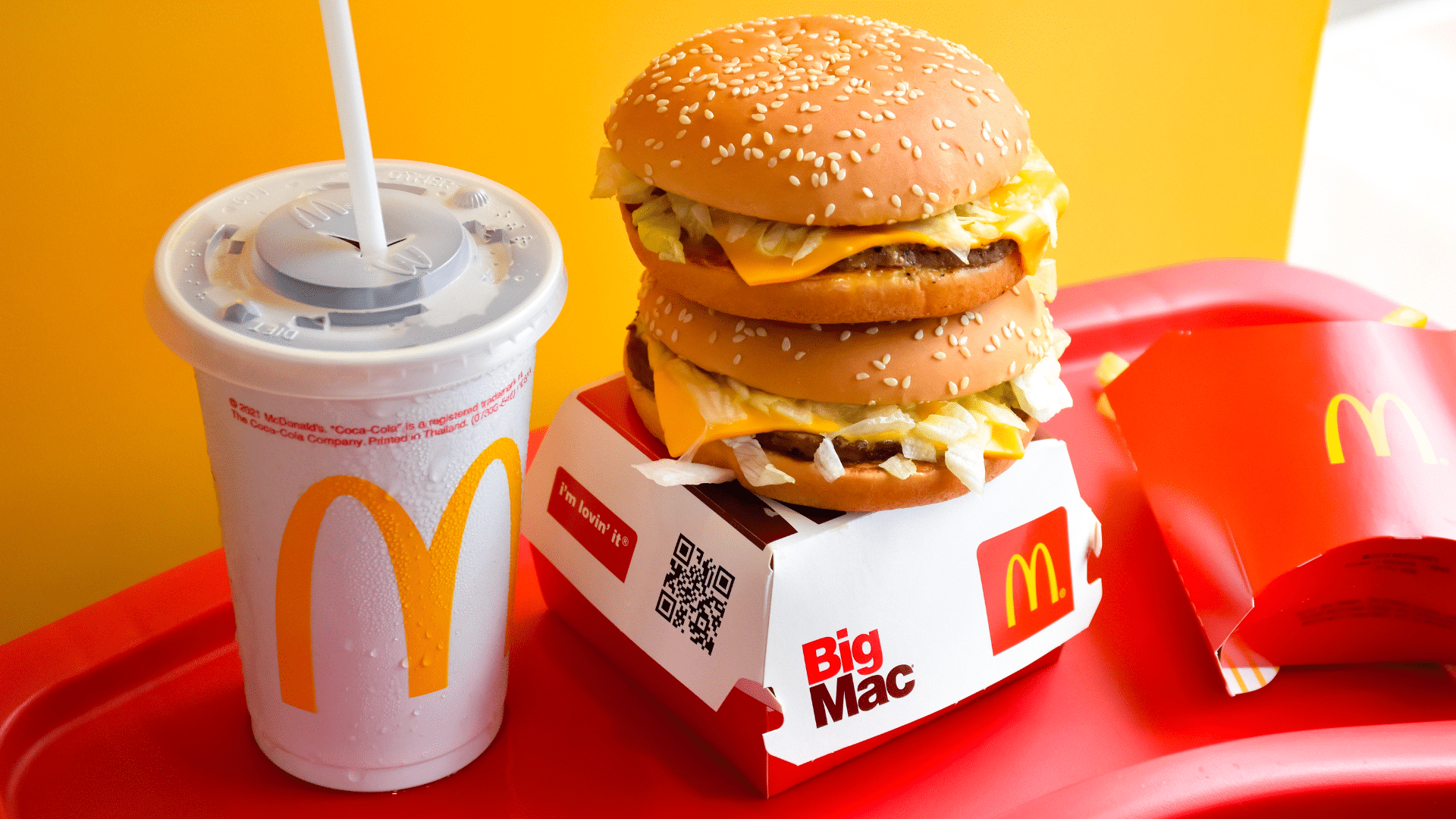
Even the golden arches are not exempt from cost-cutting measures. Former McDonald’s culinary manager Mike Haracz revealed that the chain discreetly reduces the sizes of some ingredients. For instance, they may slice cheese blocks a bit thinner or add more fillers to Chicken McNuggets to stretch their inventory and save millions of dollars each year.
These tweaks, he explained in a recent interview, are almost invisible to the average customer but can significantly boost profit margins. Regulars have also noticed thinner burger patties and smaller fries, suggesting the world’s most famous fast-food brand is quietly following suit.
Chick-fil-A
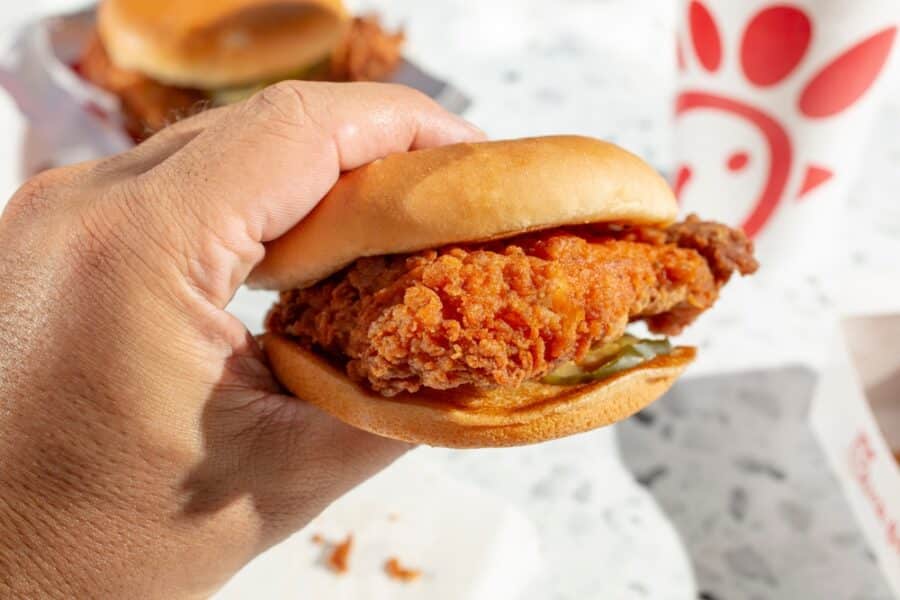
Even Chick-fil-A’s beloved chicken sandwich has fallen prey to shrinkflation. Fans have shared photos of half-sized fillets and thinner buns, sparking frustration online. Some customers, including former employees, say portions are “not up to standard” anymore — a change linked to rising poultry costs and inflation that’s quietly reshaping the chain’s once-reliable quality
Taco Bell
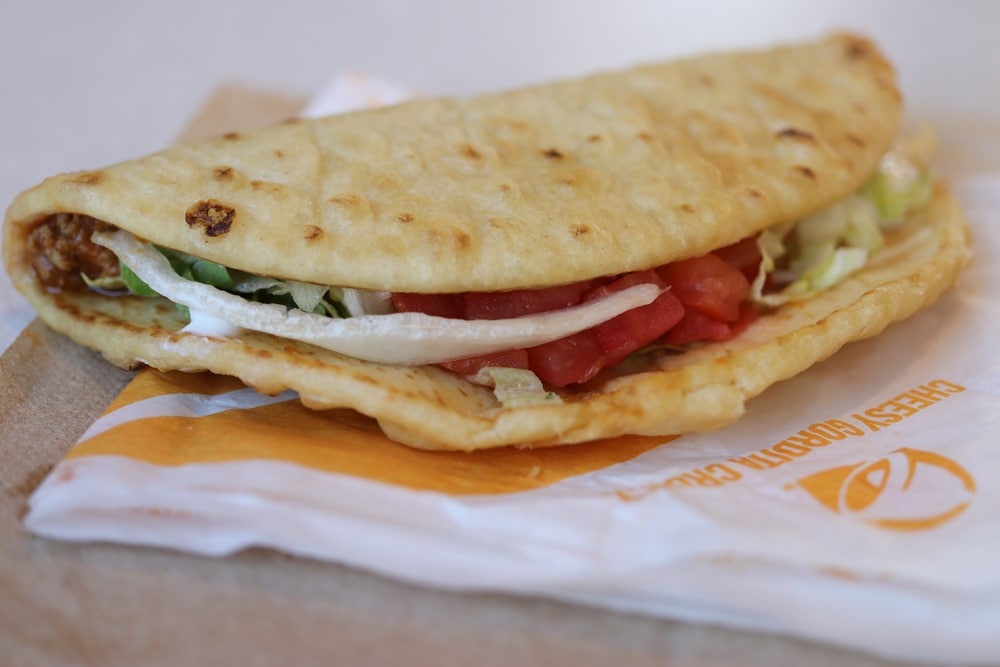
Taco Bell built its empire on low-cost indulgence, but inflation has forced adjustments behind the scenes. Patrons have noticed lighter taco fillings and less cheese in burritos, likely a result of strategic cost controls. Industry experts note that small reductions across thousands of daily orders can offset millions in expenses. Still, the move risks alienating loyal fans who expect the same hearty servings that defined Taco Bell’s reputation for cheap satisfaction.
Burger King
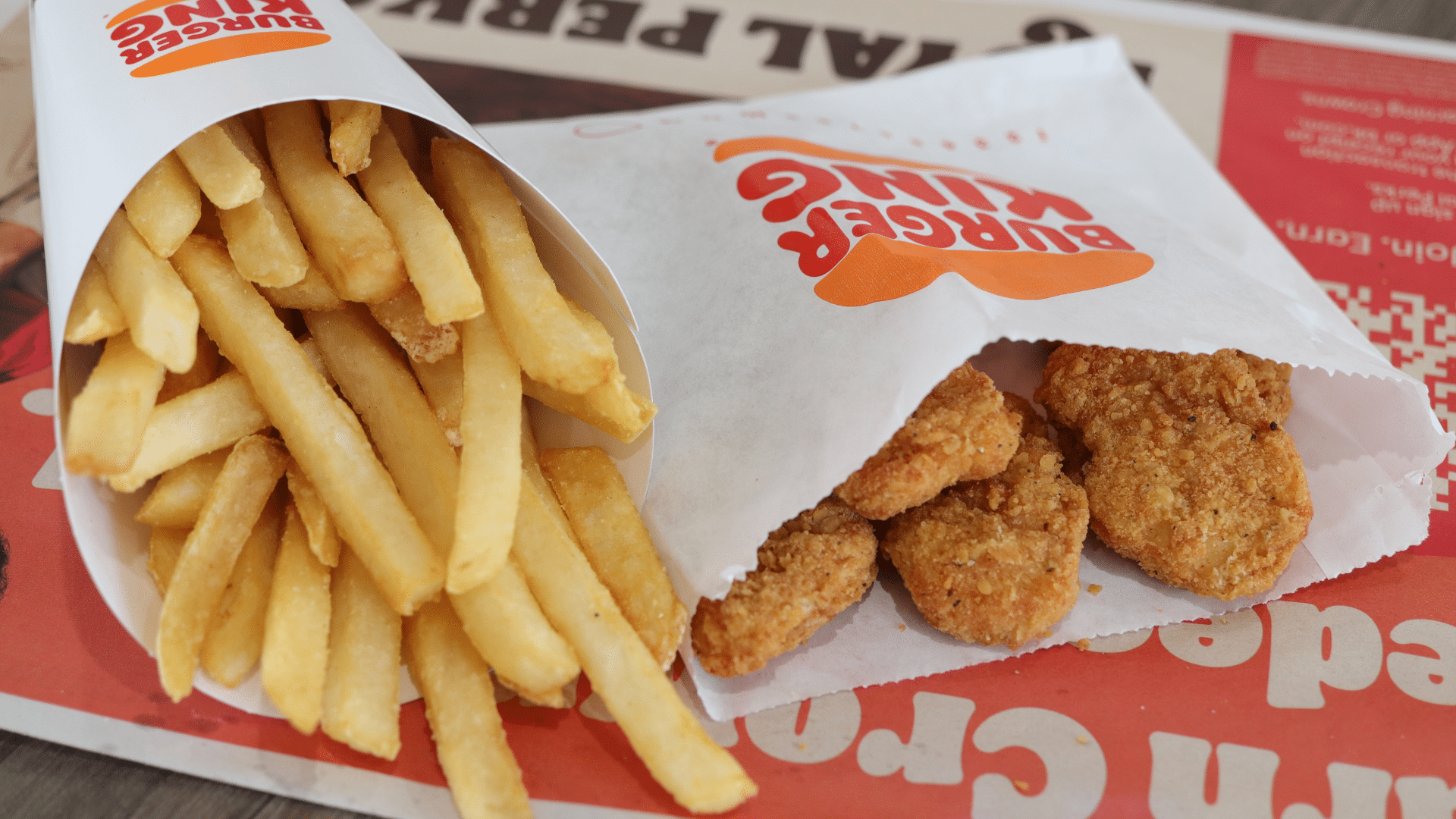
The king has trimmed his crown. Franchise operator Carrols Restaurant Group, which runs about 14% of U.S. Burger King locations, reduced chicken nuggets from 10 pieces to eight, citing the need to “partially offset inflation” without raising prices.
The change was first reported earlier this year and has since sparked debate about what “value” really means. The chain’s latest adjustments also echo a broader industry shift, cutting portions to keep combo meals under psychologically friendly price points like $4.99 or $5.99.
Chipotle
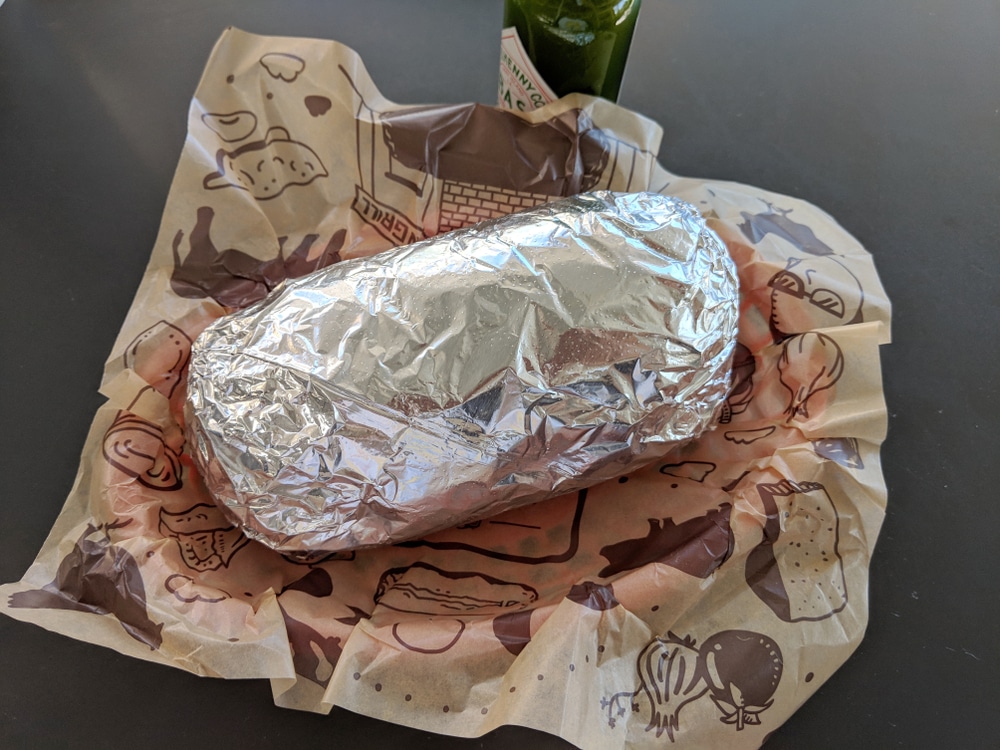
Chipotle once earned praise for its overstuffed burritos, but customers have increasingly complained that bowls and wraps seem lighter. Viral TikToks and Reddit threads document smaller sizes of burritos. The company attributes the inconsistency to “natural variation,” but analysts suggest otherwise: portion reduction is a known tactic to balance high food and wage costs. Diners now routinely request double meat or extra rice just to feel full.
Arby’s
Five Guys
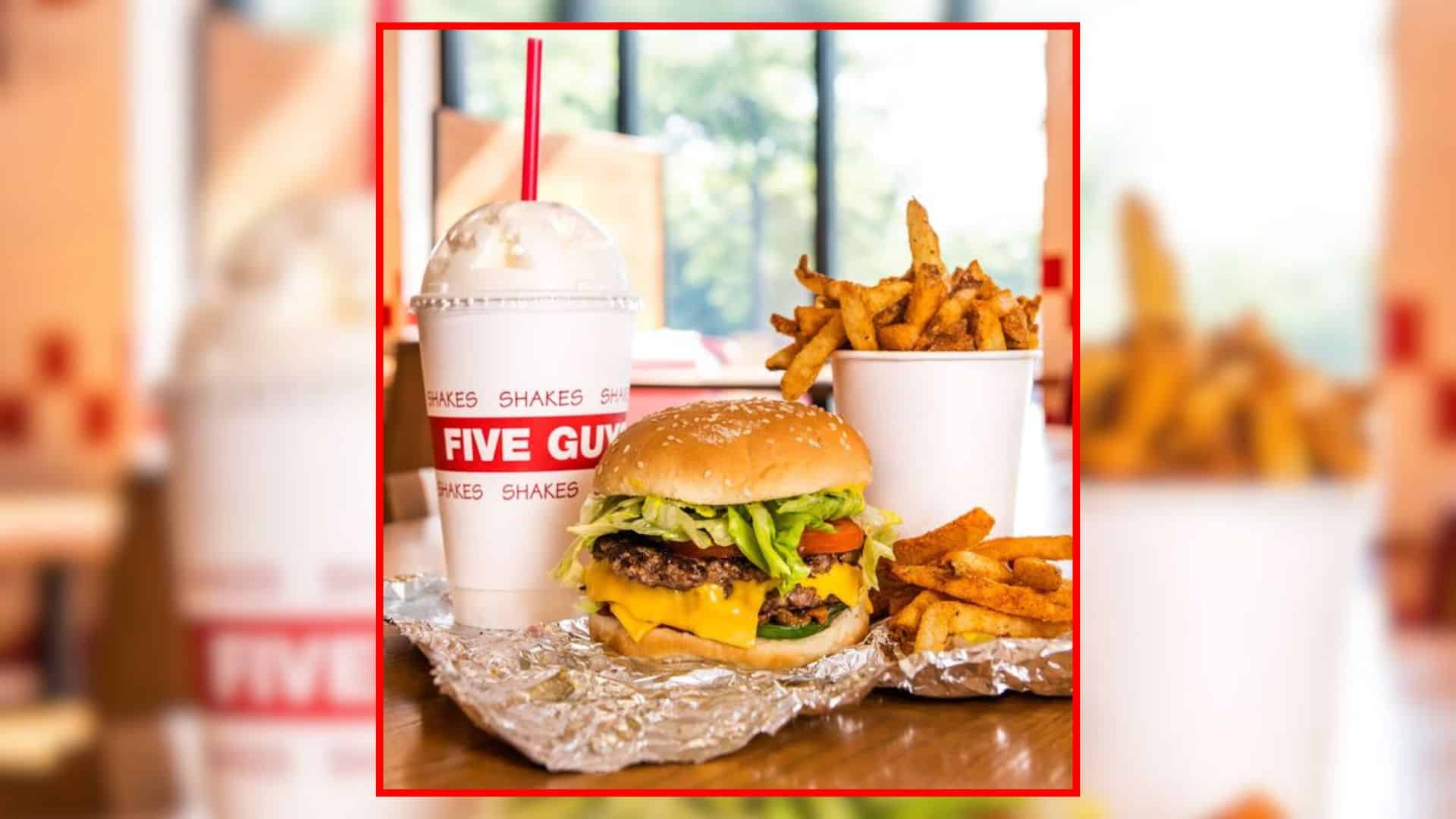
Perhaps the most surprising victim of shrinkflation is Five Guys, famous for its overflowing cups of fries and generous burger portions. Lately, though, customers say that the once “bottomless bag” experience is gone. Some claim the small fry size barely covers the bottom of the cup.
As noted by analysts, the chain’s reputation for abundance may be fading under the pressure of soaring oil and potato costs. Loyal fans argue that the hefty portions were part of what made Five Guys worth the premium.
When “Value” Isn’t What It Used to Be
Fast food has always promised affordability and consistency, but in 2025, both are slipping. Shrinking portions reflect a changing industry where keeping prices steady takes precedence over keeping meals the same size. But consumers notice.
As one fast-food analyst put it, “People don’t mind paying a dollar more, but they hate getting less.” In the age of viral reviews and photo comparisons, the quiet act of cutting corners may prove to be the loudest mistake of all.

