Fast Food ‘Cheese’ Isn’t Always Cheese
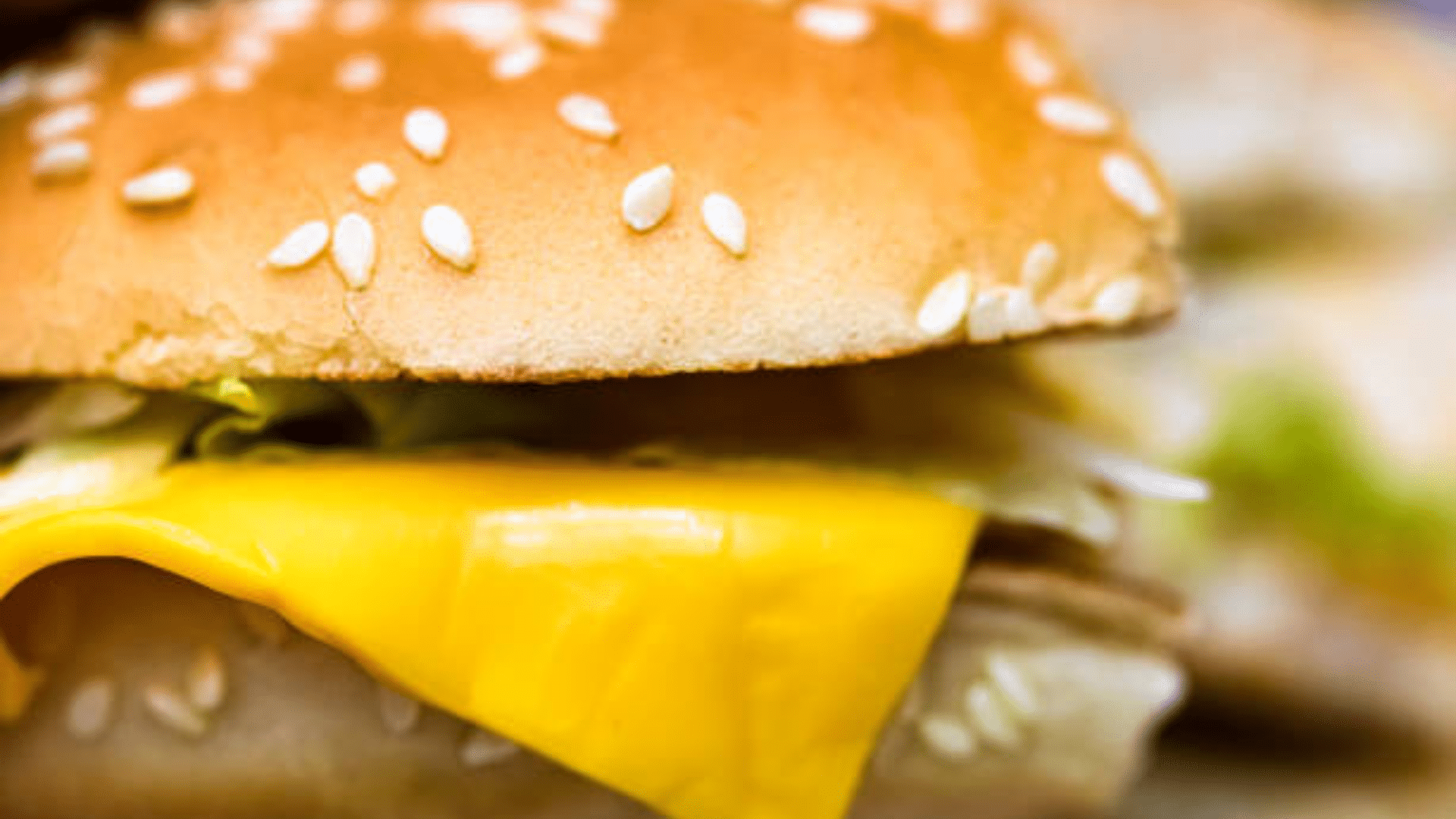

That first bite of a fast-food cheeseburger is supposed to feel simple: warm bun, juicy patty, melty cheese. But here’s the weird part most diners don’t realize until someone points it out; the “cheese” on many of those burgers isn’t technically cheese at all. It’s often a processed product designed to melt perfectly, sit neatly on a patty, and taste consistent in every location. The FDA allows American cheese to be labeled as “pasteurized process cheese,” even though it can be nearly half additives and fillers. So the real question isn’t just “who uses real cheese?” It’s why so many brands don’t, and whether you care once you know.
What Counts as “Real Cheese,” According to the FDA

Let’s clear up the confusion: “real cheese” generally means a product made from milk, cultures, enzymes, and salt with no heavy reworking beyond aging or basic processing. American cheese is different. Under U.S. standards, it falls into the “pasteurized process cheese” family, meaning it’s a blend of real cheese plus emulsifiers, stabilizers, and other approved ingredients that change texture and shelf life. That doesn’t make it dangerous or illegal. It just means what most people imagine as cheese isn’t exactly what they’re eating.
Why Fast Food Loves Processed Cheese So Much
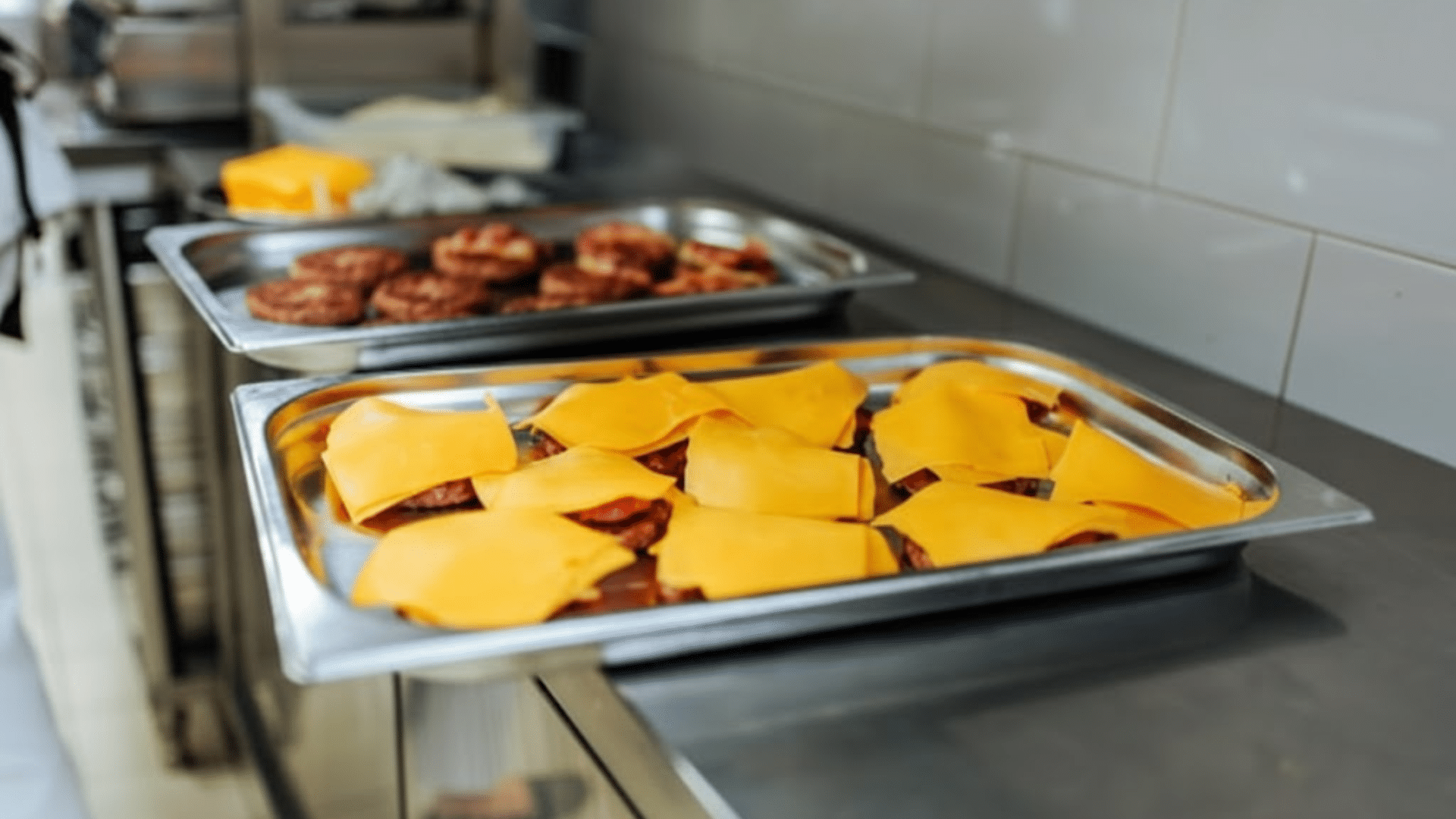
Processed American cheese is basically engineered for fast food. It melts evenly without breaking, stays creamy instead of oily, and tastes the same whether you’re in Manila or Michigan. It also lasts longer and costs less, which matters when you’re selling millions of burgers a day. If you’ve ever wondered why a fast-food slice melts like velvet while a cheddar slice sometimes turns gritty, this is why. The additives are doing a job.
McDonald’s: The Slice Everyone Debates
McDonald’s might be the most famous example because rumors about “plastic cheese” went viral. A former corporate chef clarified that the chain uses “pasteurized process American cheese,” not literal plastic but it still isn’t classified as real cheese in the strict FDA sense. McDonald’s fans argue the point doesn’t matter: it tastes right, melts right, and has basically become part of the brand’s identity. Critics say the company could do better if it wanted to.
Burger King and Wendy’s: A Mix of Both Worlds
Burger King and Wendy’s are interesting because they sit in the gray zone: most of their classic burgers use processed American cheese, but they also offer items with real cheese varieties like mozzarella or asiago. So whether you’re getting “real cheese” often depends on what you order, not just where you order. That’s a detail many people miss.
Sonic, Dairy Queen, and Tim Hortons: Consistently Processed
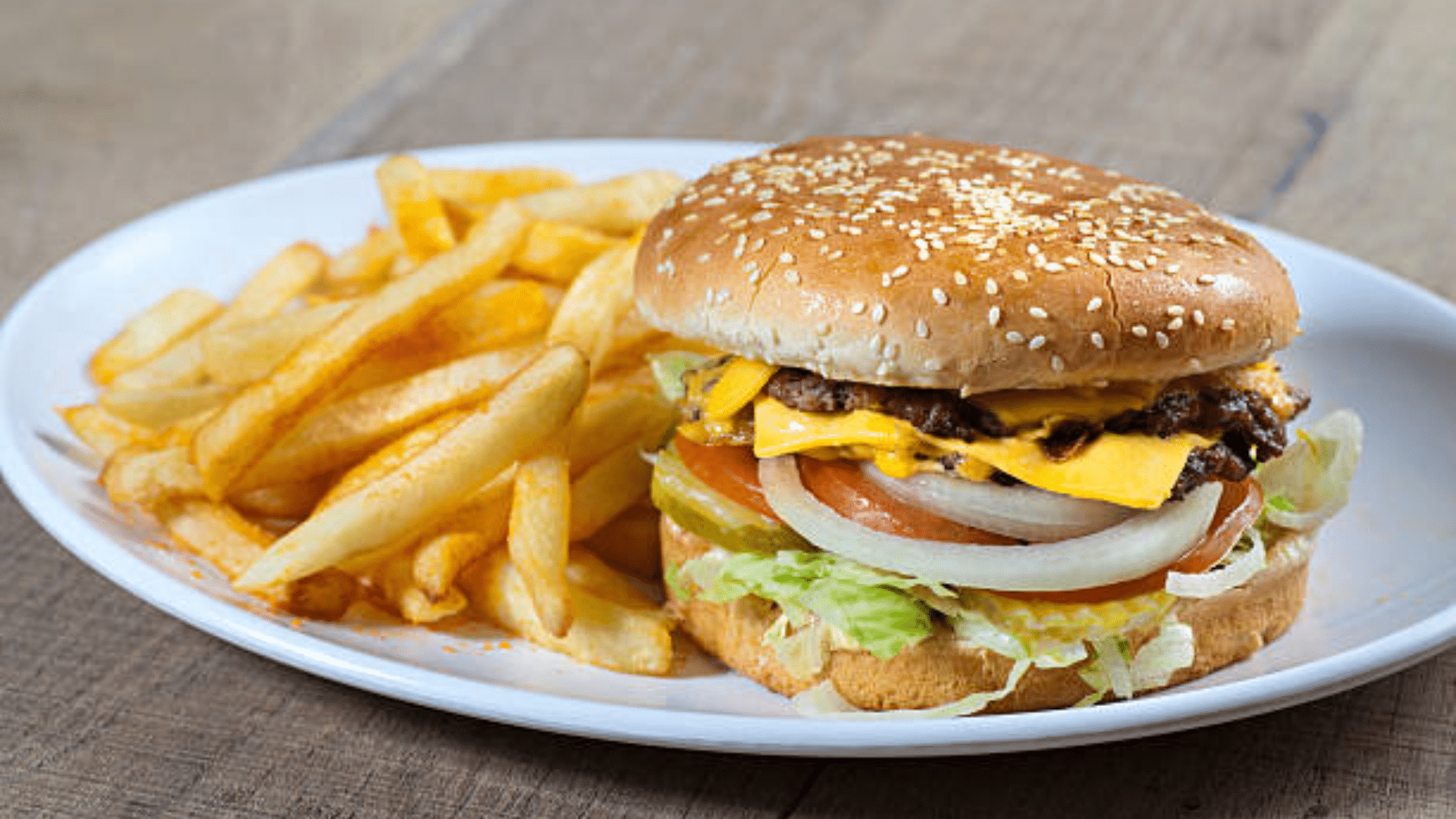
Some chains lean heavily into processed slices almost across the board. Sonic, Dairy Queen, and Tim Hortons are repeatedly listed by food outlets as regular users of processed American cheese in their cheese-topped items. Fans shrug and say it’s fast food. But the point is comfort and nostalgia, not artisanal dairy purity. Others feel it’s a transparency issue: if it’s not real cheese, just say so clearly.
Does “Not Real” Automatically Mean “Bad”?

Here’s where this gets spicy: processed doesn’t always mean worse, just different. Many people actually prefer American cheese because it has a mild, salty taste and a smooth melt that sharper cheeses don’t replicate. So the debate becomes personal. If a cheeseburger tastes great to you, does the label matter? Or does ingredient truth matter because you’re paying for it?
The Health Angle People Rarely Talk About

Processed cheese slices tend to be higher in sodium and can include stabilizers or emulsifiers you wouldn’t see in a block of cheddar. That doesn’t make them toxic, but for people watching salt intake or eating fast food often, it’s one more reason the ingredient list matters. A “cheese” label doesn’t always mean the same nutritional reality.
How to Spot Real Cheese on a Fast-Food Menu

You don’t need a food science degree to play detective. If a menu says “American cheese,” “cheese slice,” or “cheese product,” it’s usually processed. If it specifically says cheddar, Swiss, mozzarella, pepper jack, or parmesan, odds are you’re getting a real cheese variety. It’s one of those tiny wording differences that quietly separates “dairy” from “dairy-inspired.”
Conclusion
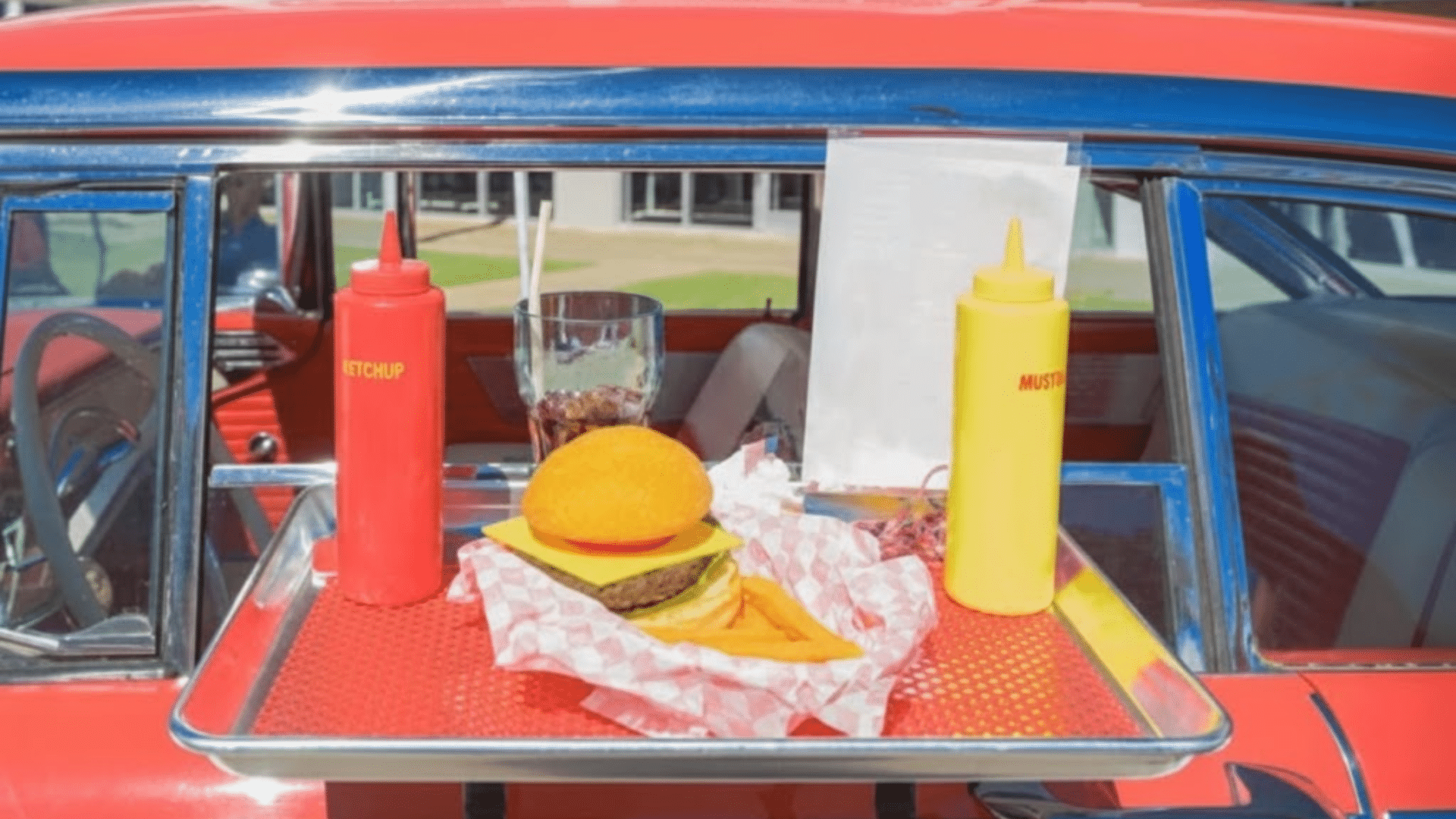
Fast food chains aren’t trying to trick you; they’re trying to serve something cheap, consistent, and perfectly melty at massive scale. That’s why processed American cheese became the industry default. Still, once you know the difference, it’s hard not to notice how common it is. So here’s the real takeaway: processed cheese isn’t fake, but it isn’t traditional cheese either. Whether that bothers you depends on what you want from your burger: purity, taste, texture, or just a familiar bite after a long day. If your favorite burger uses processed cheese, does it change anything for you… or are you still ordering it tomorrow?
