Fast-Food Tricks That Make You Spend 20% More Without Noticing
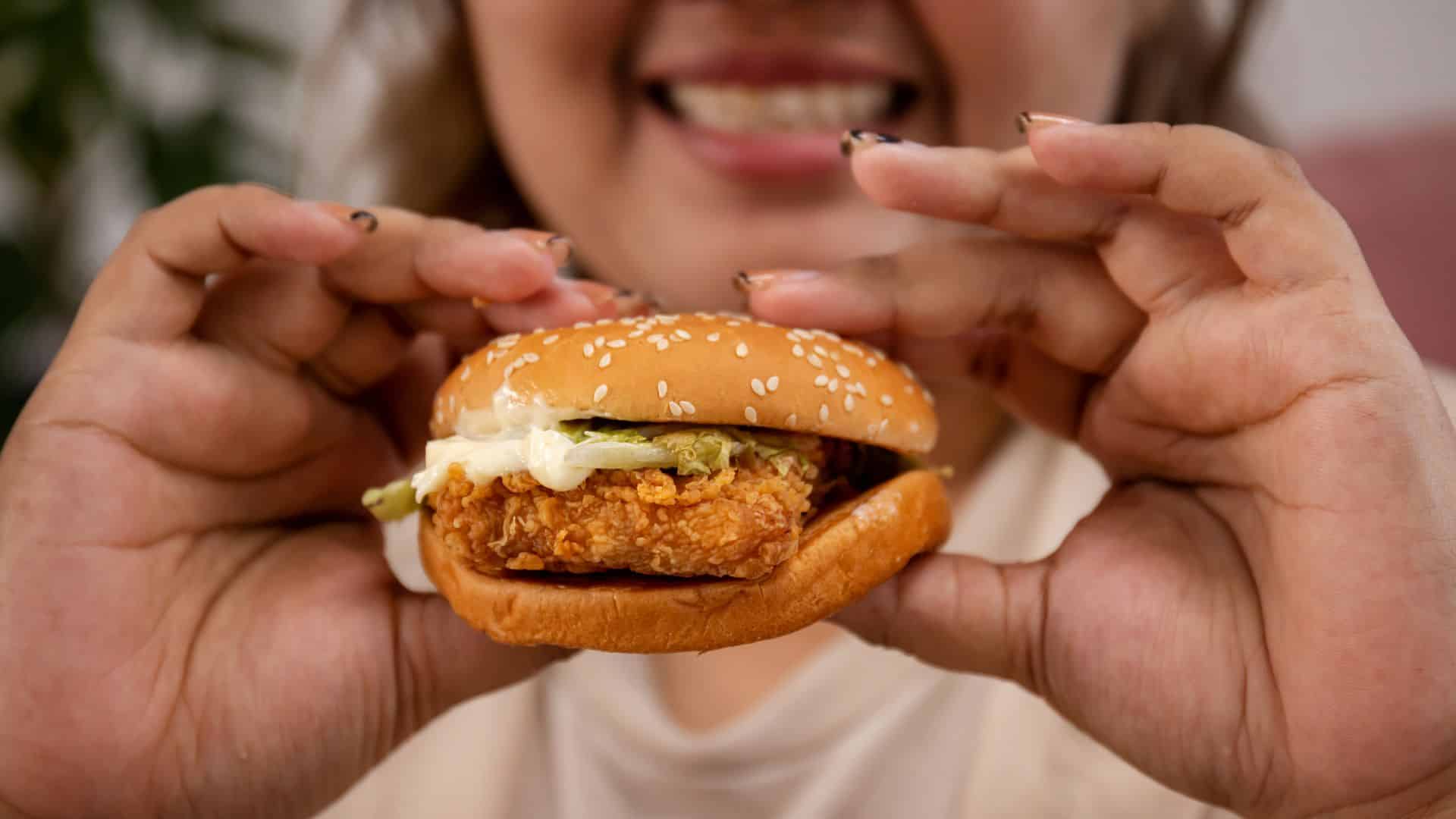

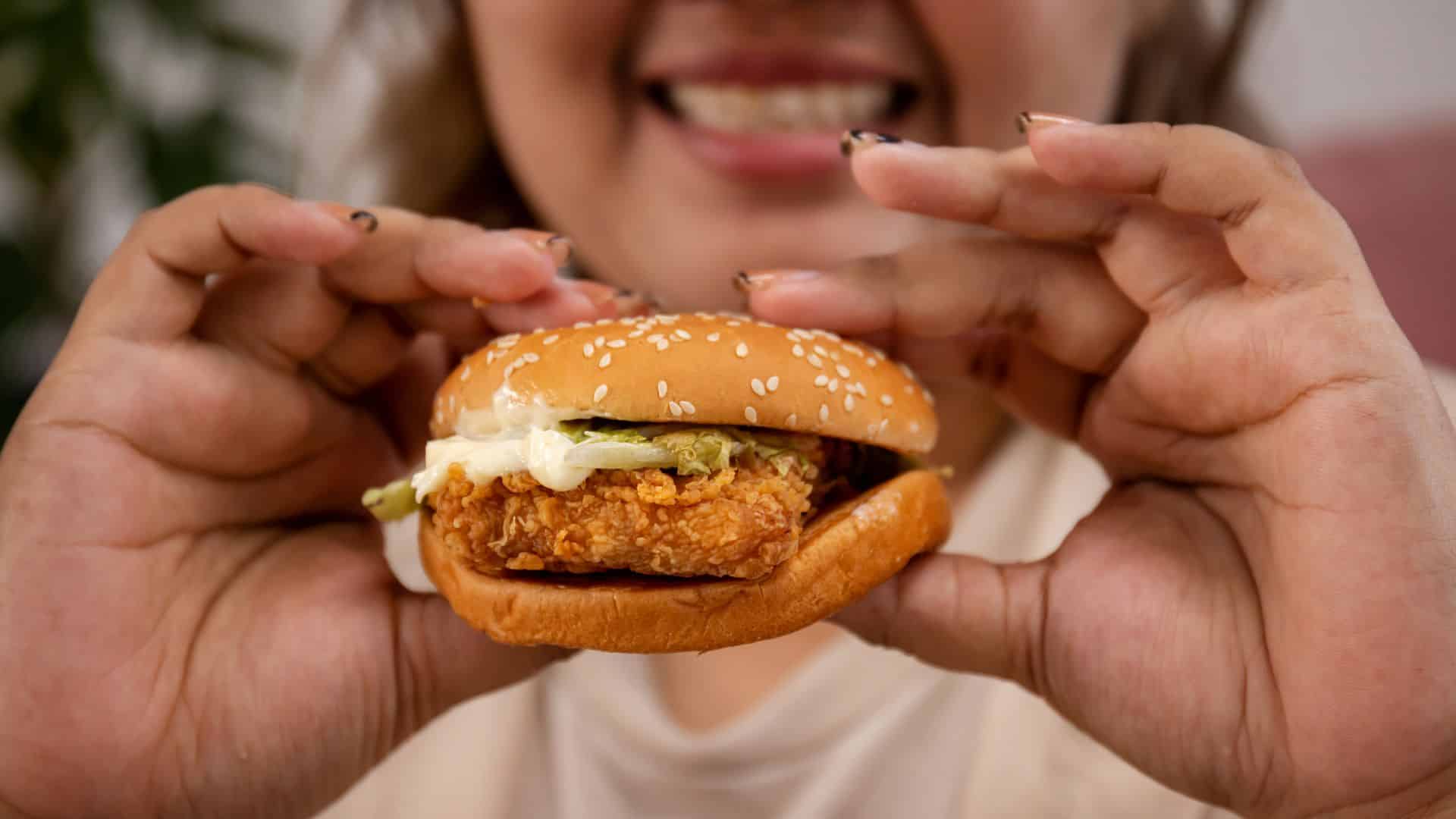
You walk in for a quick bite and leave with a full bag and a lighter wallet. Fast-food chains have perfected the art of making customers spend just a little extra, often without noticing. Experts say subtle cues in pricing, menus, and technology can nudge spending up by as much as 20%.
The Science Behind Spending
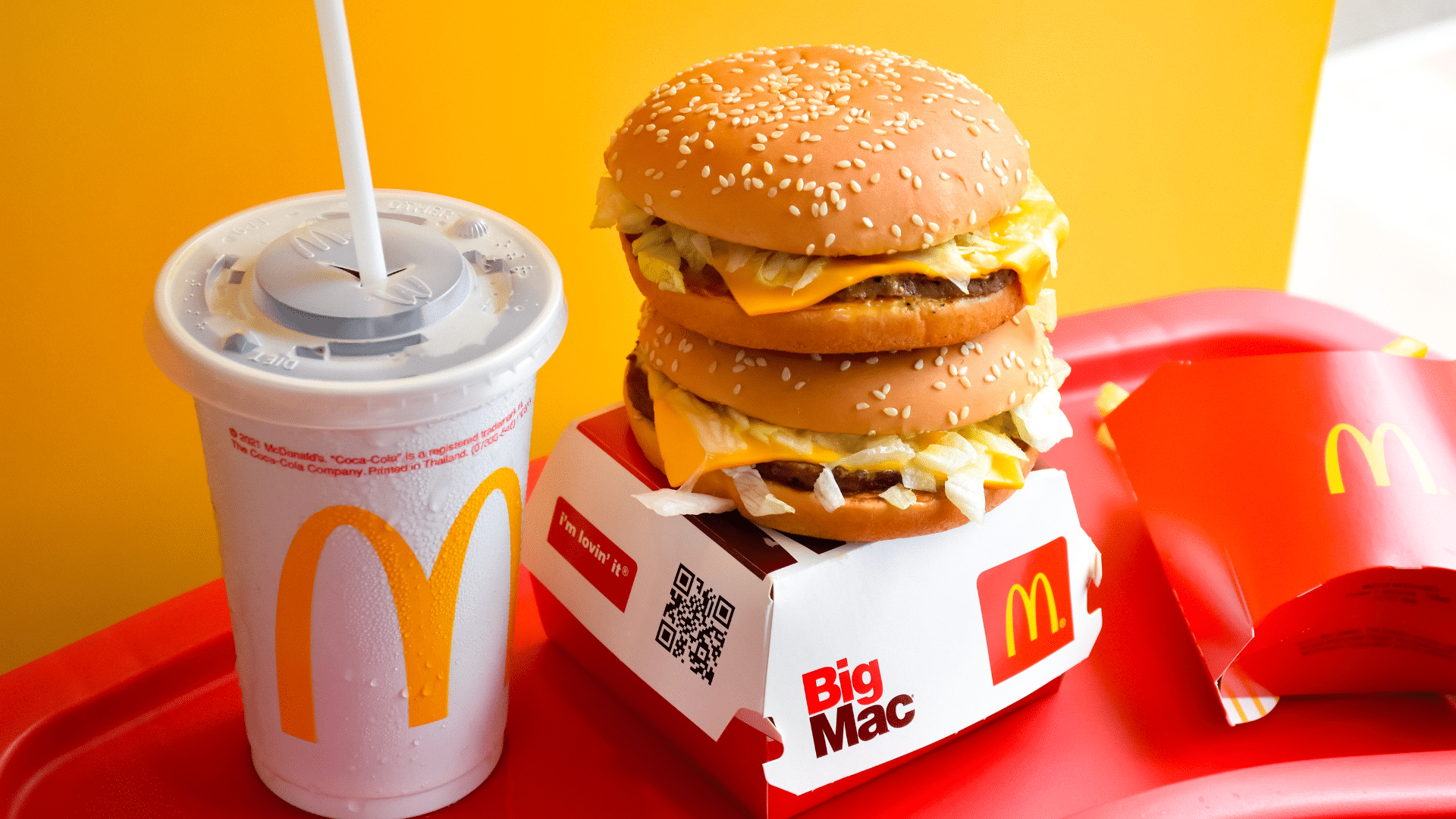
From color psychology to menu layout, every element in a fast-food restaurant is optimized to make you crave and consume more. Red and yellow trigger hunger and urgency, while background music and scents slow you down just enough to order one more item. Marketing professors say these cues appeal to “automatic decision-making,” meaning most choices aren’t conscious at all.
Charm Pricing and the Illusion of Cheap
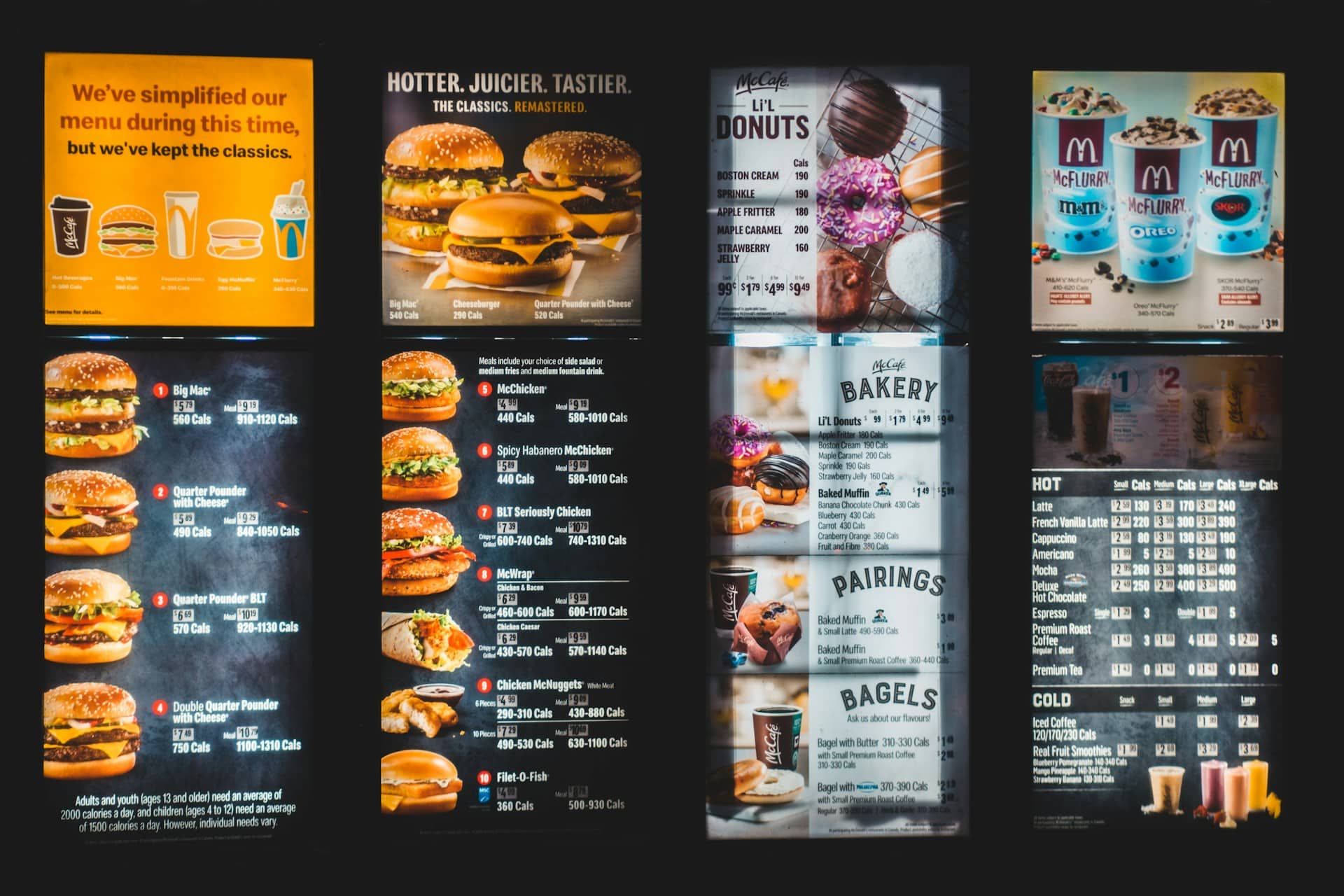
The $4.99 burger is a classic example of “charm pricing,” a tactic that exploits what psychologists call the left-digit effect. When customers see $4.99 instead of $5.00, their brain processes it as meaningfully cheaper. The difference of a single cent can increase sales enough to offset the perceived discount, a trick so powerful it’s been used for decades.
Combos and the Power of the Bundle
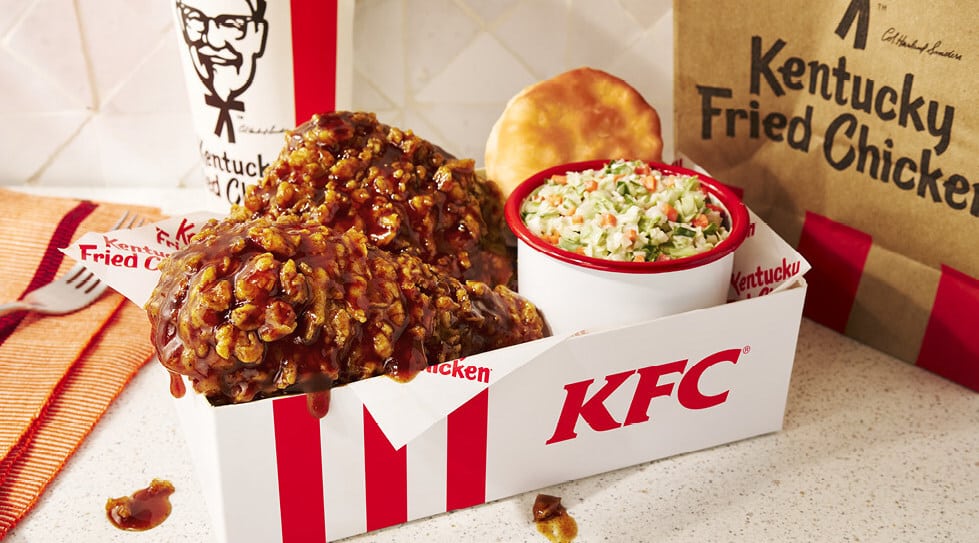
Combo meals promise value but often increase spending. A burger might cost $6 alone, but the $8 combo with fries and a drink feels like a bargain. Researchers describe this as “bundling bias”—when buying more feels like saving, even if it raises your total check. In one example, fast-food giants like McDonald’s and Burger King increased average ticket sizes by up to 25% through combo structures.
Digital Menus and the Self-Service Effect
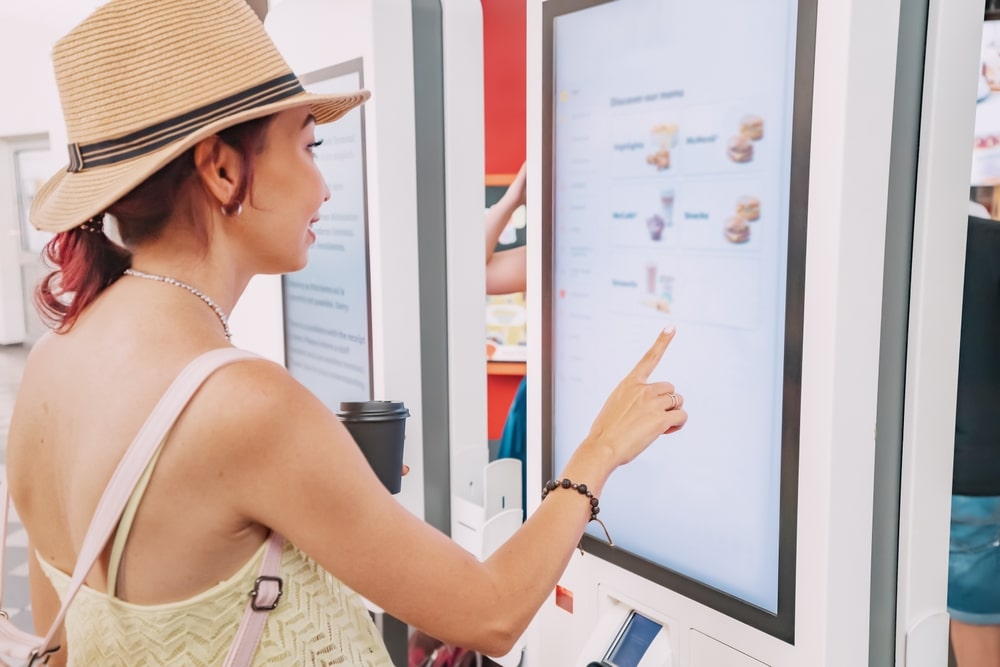
Ordering from kiosks or mobile apps makes customers spend nearly 10% more on average. The absence of social pressure and the presence of bright visuals encourage impulse add-ons like desserts or premium toppings. Unlike a human cashier, a digital screen never rushes you and always suggests a pricier option before checkout.
AI and Data Are the New Cash Registers
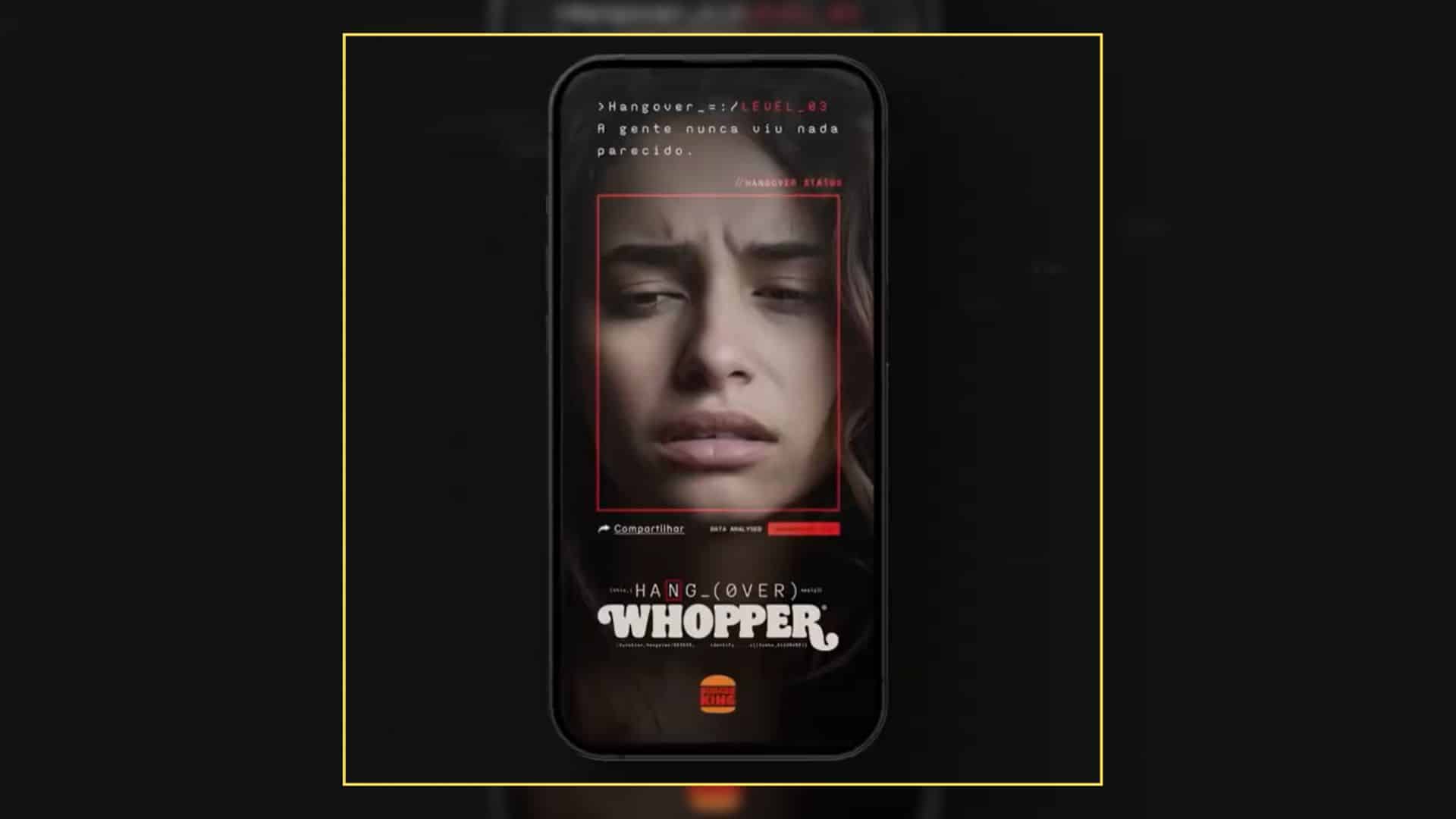
The next wave of spending manipulation is powered by artificial intelligence. Fast-food chains now use predictive analytics to tailor upsells and personalized menus. In Brazil, Burger King’s “Hangover Whopper” used facial recognition to gauge customers’ conditions and offer matching meals. In the U.S., AI-driven drive-thrus test tone of voice and timing to boost average check size by 15%.
The Nostalgia Factor: Toys, Celebrities, and FOMO
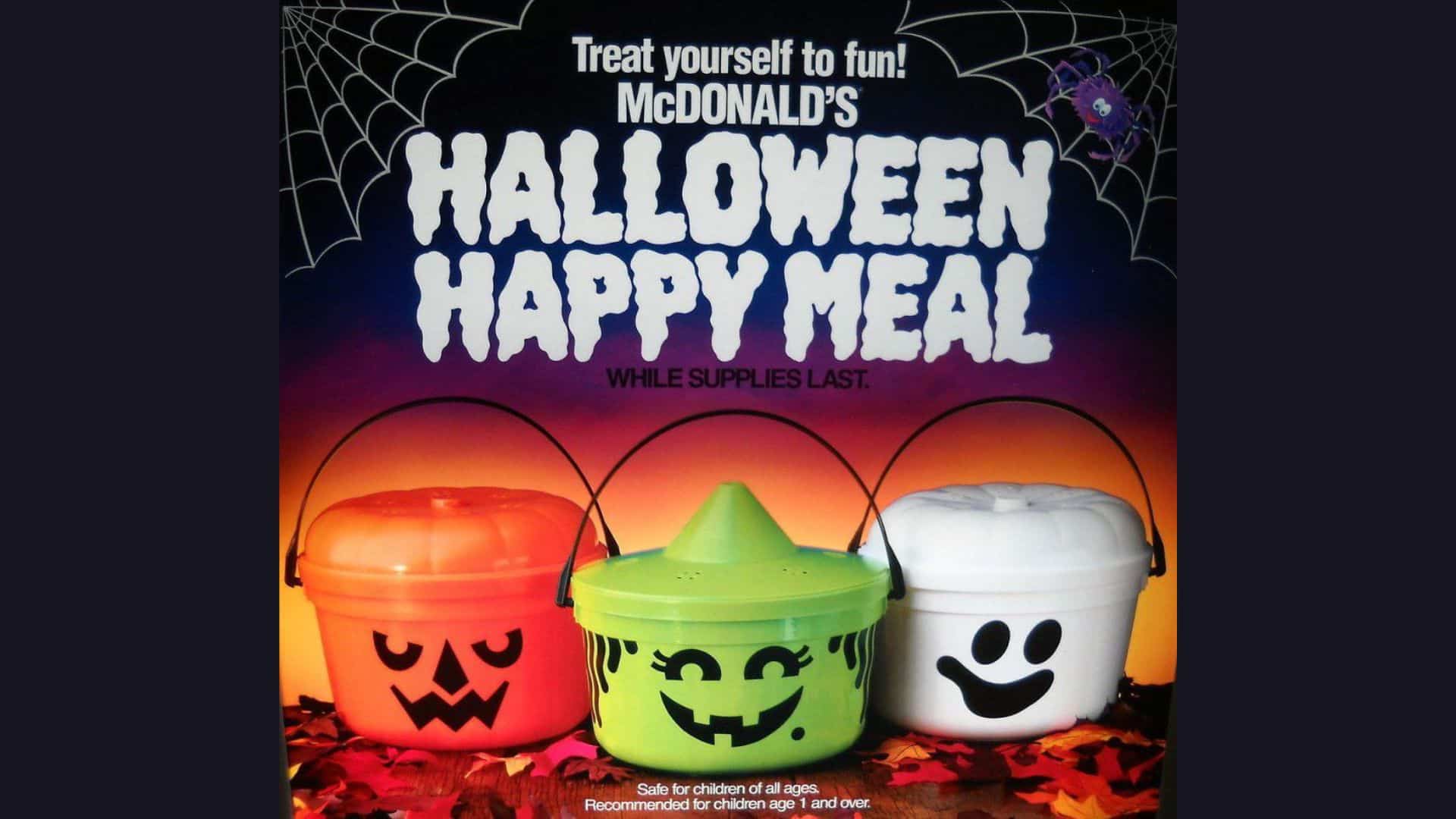
Emotional marketing still drives loyalty and higher bills. Limited-edition toys and celebrity meals, from the Travis Scott McDonald’s collaboration to collectible Happy Meal items, tap into nostalgia and fan culture. The “fear of missing out” on a limited offer keeps customers coming back, even when prices creep upward.
Delivery Convenience at a Cost
Apps like Uber Eats and DoorDash promise convenience but add layers of fees, tips, and markups. Fast-food chains use these platforms not just for delivery but as new marketing channels—placing sponsored listings and pop-up promotions right before checkout. The illusion of saving time masks the reality of spending nearly double per order.
Visual Appetite Triggers
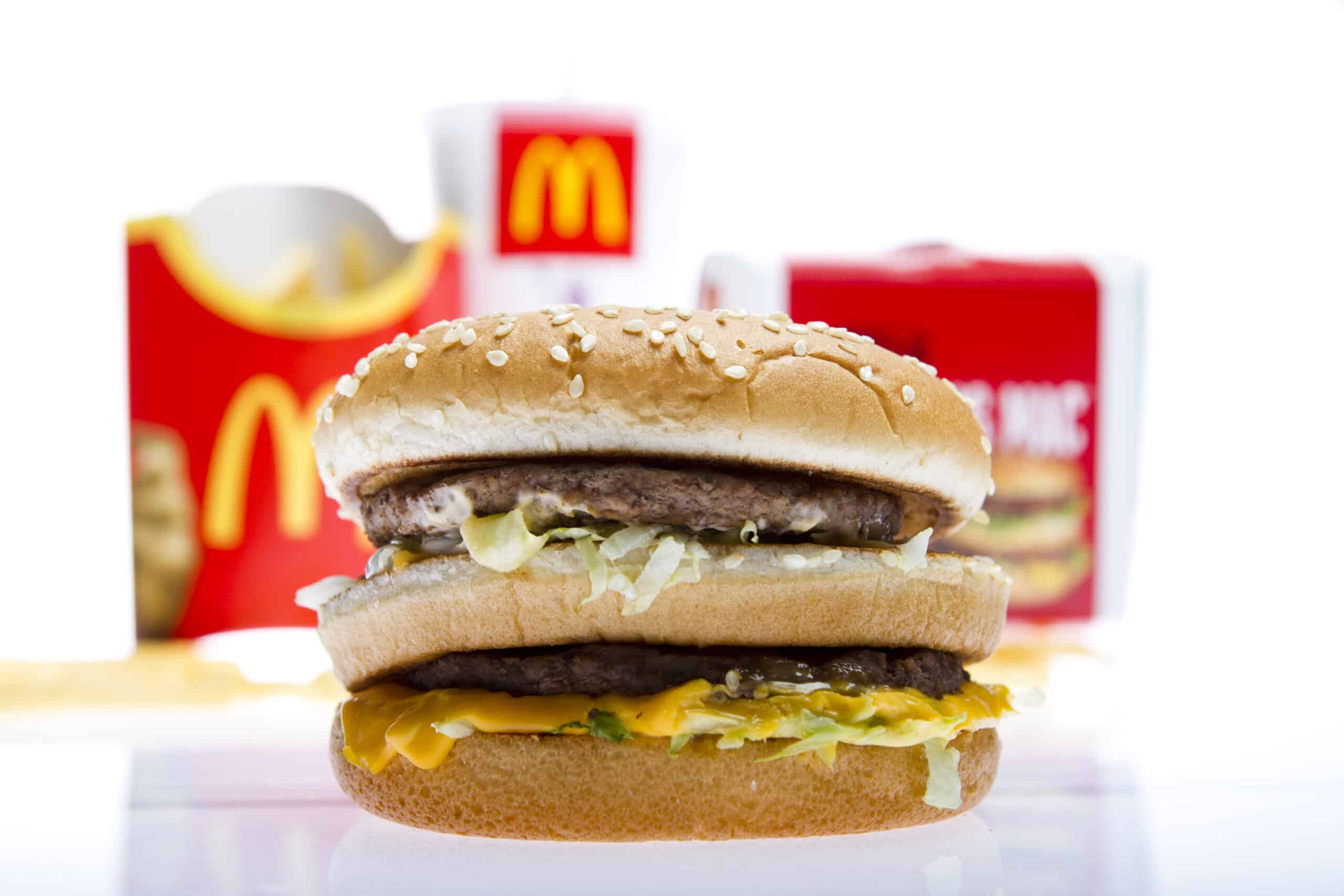
Those mouthwatering burger images aren’t accidental—they’re scientifically designed to sell. According to menu design data, large, high-quality food photos can boost sales by up to 30%. By pairing bright imagery with smaller price text, chains ensure you crave before you calculate. The result: impulse orders that feel emotional, not financial.
Learning to Outsmart the Menu
Avoiding overspending isn’t about resisting temptation—it’s about awareness. Order from the dollar or à la carte menu, skip app notifications, and avoid scanning every upsell screen. Once you spot the tactics like the strategic pricing, digital nudges, and visual cues, you’ll start to see your meal for what it is: a carefully engineered sales pitch.