Fatal New Year’s Trend Continues as Woman Chokes to Death on Mochi in Japan
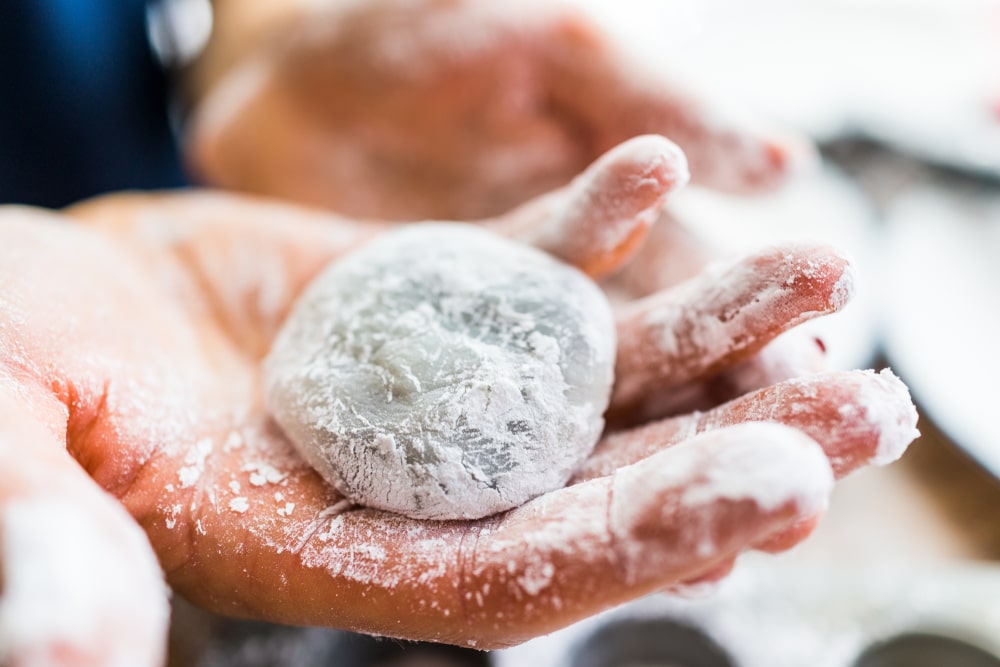

Every New Year’s Day in Japan, families gather to mark the holiday with foods meant to symbolize longevity and good fortune. Among them is mochi, a sticky rice cake deeply tied to tradition and celebration. But alongside its cultural significance, mochi carries a risk that resurfaces almost every year. The tradition is closely tied to mochitsuki, the communal pounding of rice into mochi that has long marked the New Year as a symbol of renewal, family unity, and good fortune.
This year, that risk turned deadly once again. A woman in her 80s died after choking on mochi during New Year celebrations, continuing a pattern that Japanese officials warn about annually. Similar incidents are reported across the country in the opening days of January, often involving elderly people.
While the deaths are not new, each case reignites debate over how a beloved tradition can coexist with modern safety concerns. Authorities continue to urge caution, even as mochi remains a central part of Japan’s New Year rituals.
What Happened This Year
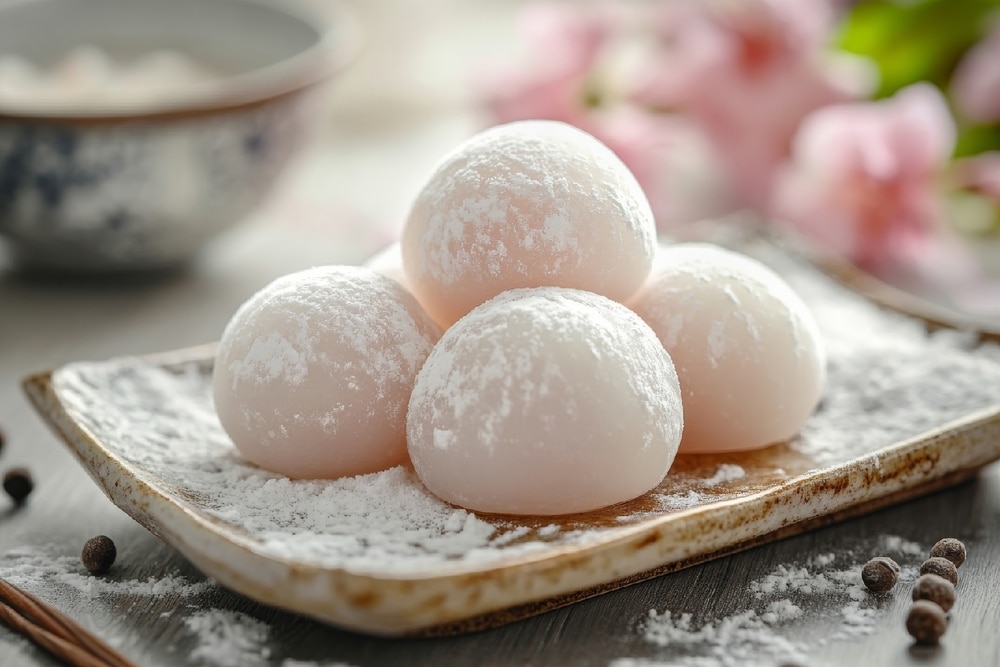
In the first days of 2026, a tragic mochi-related choking incident occurred in Tokyo that underscored the annual risk tied to the New Year tradition. According to the Tokyo Fire Department, a woman in her 80s choked on daifuku, mochi stuffed with sweet bean paste, at her home in Minato Ward shortly after midnight on January 1, and later died at a hospital. Six other individuals, aged 80 to 96, were also hospitalized for similar choking events between January 1 and 3.
Seasonal patterns show that mochi choking isn’t isolated to a single year. Local emergency services have documented hundreds of hospitalizations tied to mochi or other food choking over recent several years. Between 2020 and 2024, 338 people in Tokyo were hospitalized after choking on mochi or similar foods, and more than 90% of them were aged 65 or older — a group particularly vulnerable due to weaker chewing and swallowing reflexes.
Public safety messaging in Japan reflects that context. In past years, multiple people have been rushed to hospitals during the first three days of New Year’s celebrations, with authorities regularly urging extra caution because mochi’s dense, sticky texture can easily block airways.
Why Mochi Can Be Dangerous
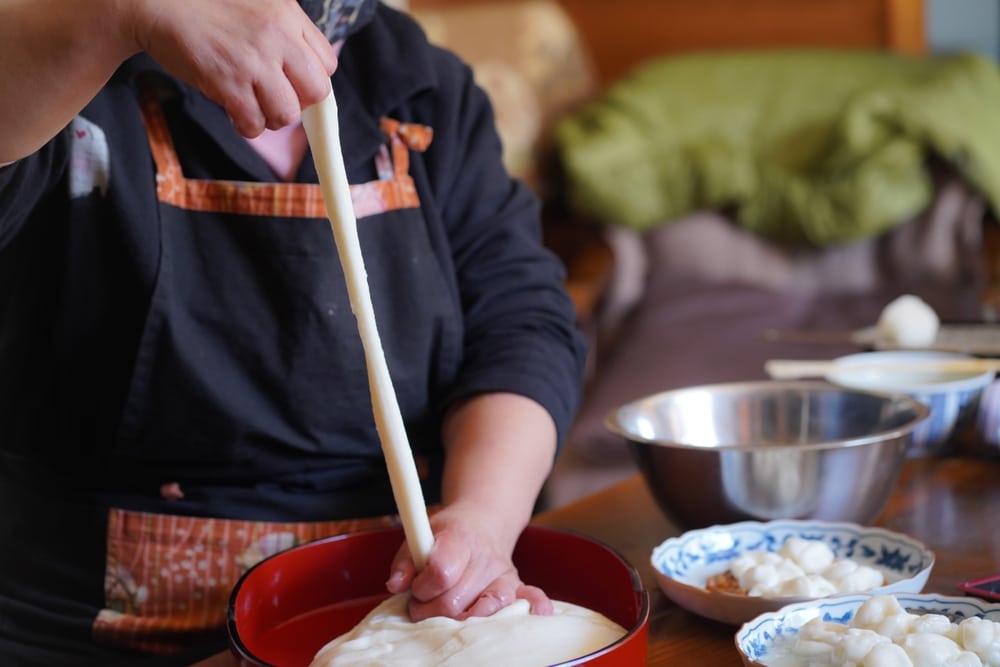
Mochi’s danger lies in its texture. Made from pounded glutinous rice, it becomes dense, elastic, and extremely sticky when warm. Once lodged in the throat, it can block airways and is difficult to dislodge, even with quick intervention.
Medical experts say the risk increases with age, as chewing strength and swallowing reflexes weaken. Mochi can soften with heat and expand, making it especially hazardous if eaten quickly or in large pieces. Drinking liquid does not reliably reduce the risk once choking begins.
Japanese authorities repeatedly issue safety advisories urging people to cut mochi into small pieces, chew slowly, and avoid eating it alone. Despite these warnings, the tradition’s familiarity often leads people to underestimate the danger.
Tradition, Awareness, and What Comes Next
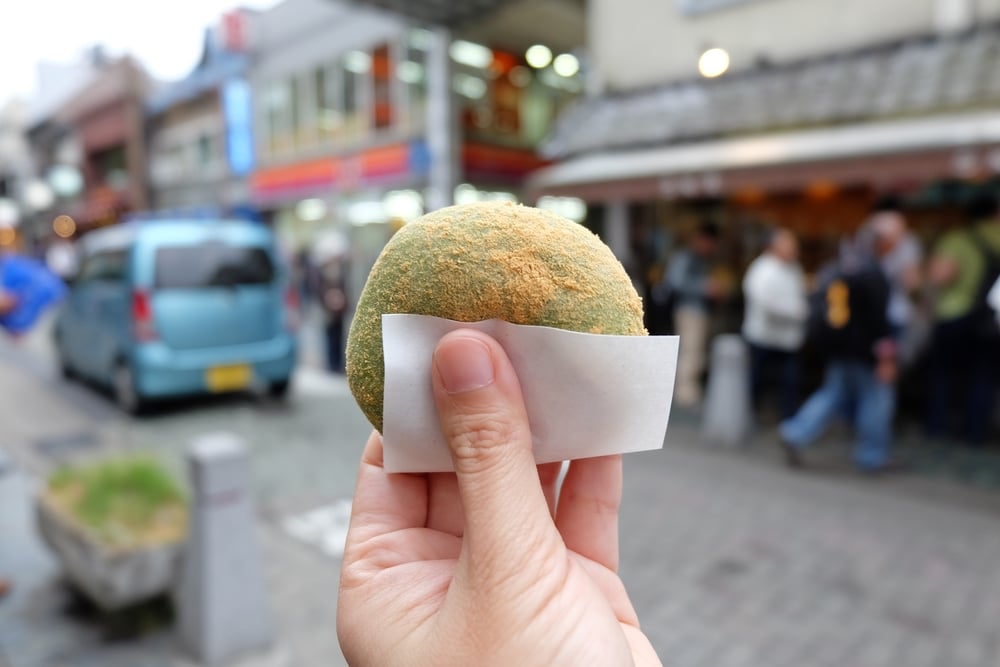
Mochi remains a powerful symbol of renewal and family connection in Japan, and there is little appetite to remove it from New Year celebrations. Instead, officials focus on prevention through education, public warnings, and first-aid training.
Some companies and researchers have explored safer alternatives, including modified mochi that is less sticky. Others emphasize community awareness, particularly among families caring for elderly relatives during the holidays.
As Japan continues to balance tradition with safety, the annual mochi deaths serve as a reminder that cultural rituals can carry real risks. Each New Year brings renewed calls to respect the meaning of the food and the care required to eat it safely.

