FDA Expands Recall of Imported Cookware Products That Could Seep Lead Into Food
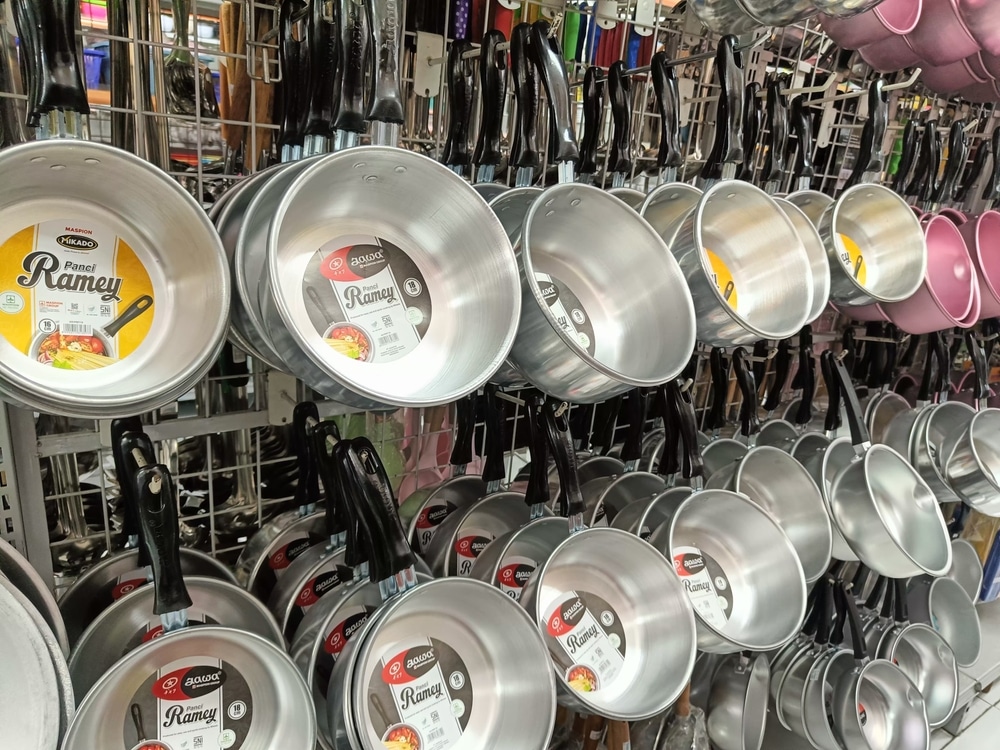

The FDA has expanded its recall of imported cookware after new tests showed certain pots and pans can leach significant amounts of lead into food. The warning follows months of sampling by federal and state agencies and includes products made from aluminum, brass, and specific aluminum alloys. Regulators say the problem is more widespread than initially believed, prompting updated guidance for both retailers and consumers.
How the Problem First Came to Light
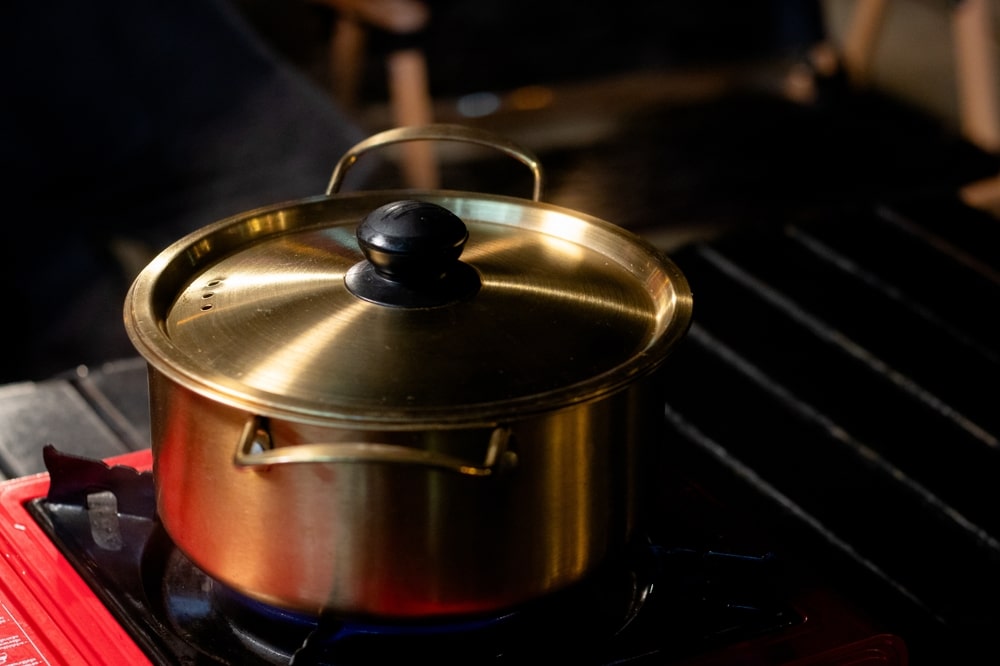
Seattle and King County public health officials were the first to alert the FDA after testing cookware used by resettled refugee families. Their findings showed unusually high blood lead levels linked to aluminum and brass pots imported from overseas. After reviewing the data, the FDA began its own testing and confirmed the risk.
Why Lead Is Appearing in Imported Cookware
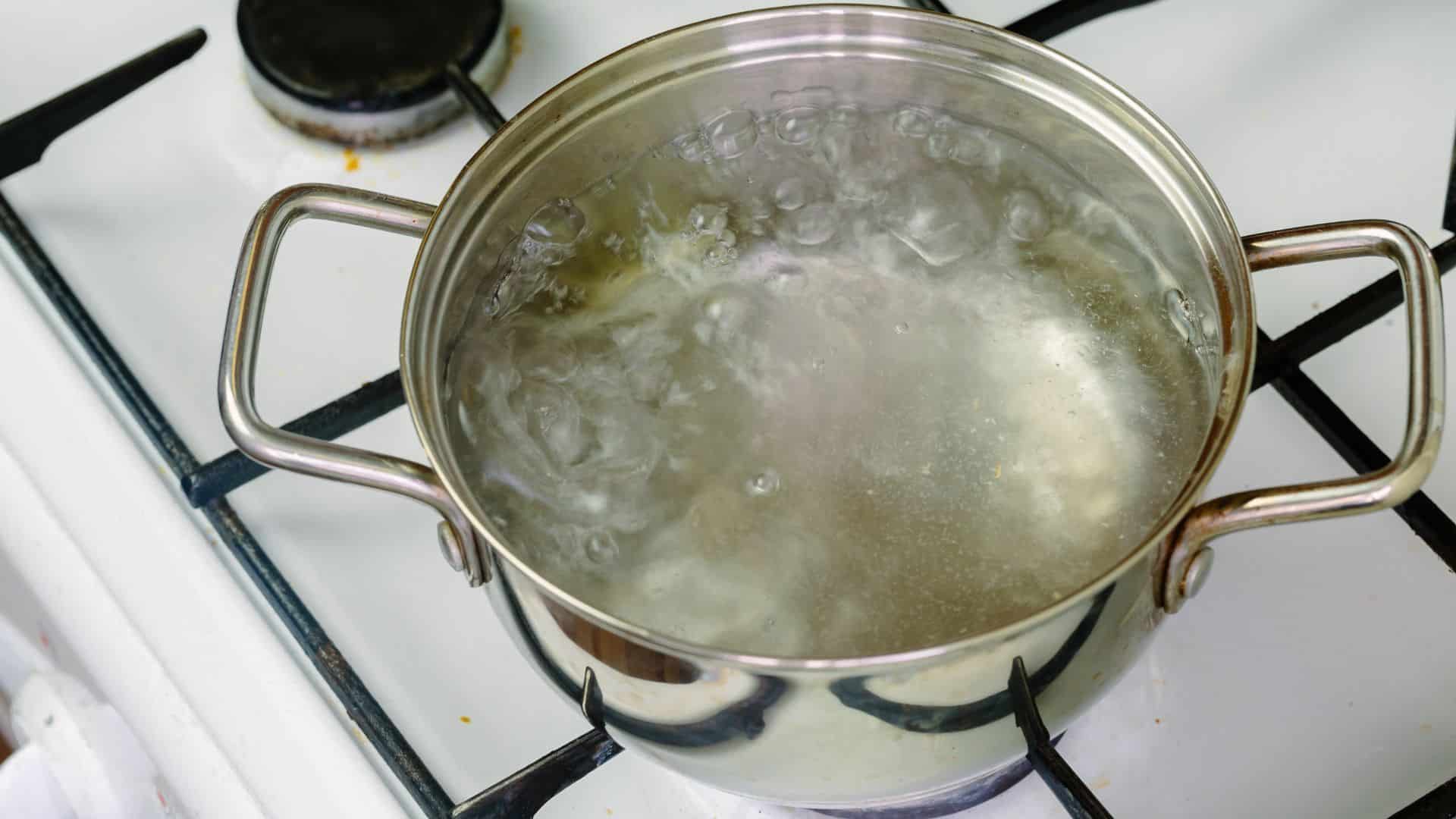
Some imported cookware is made with Hindalium, Indalium, or similar alloys that can contain elevated lead levels. These materials are not used in cookware manufactured in the US. When heated, especially during boiling or long simmering, these alloys can release lead into food. A scientific study also found many aluminum and brass items exceeded recommended lead exposure limits under simulated cooking conditions.
What the Expanded FDA Warning Includes
The FDA’s latest update added more products to its ongoing recall list after additional sampling in late November and early December. These items were tested at various retailers across several states and showed the potential to leach hazardous amounts of lead. To view all affected cookware products, consumers can see the full list on FDA’s website.
Why Lead in Cookware Is Dangerous

Lead has no safe exposure level, and even small amounts can accumulate in the body. Children and developing fetuses are especially vulnerable because their bodies absorb more lead relative to size. According to FDA guidance, chronic exposure can contribute to learning difficulties, behavioral changes, fatigue, headaches, and neurological symptoms.
Groups at Highest Risk

The FDA specifically warns that young children, women of child-bearing age, and people who are breastfeeding face higher risks from lead exposure. Babies and toddlers can experience significant health effects even without showing visible symptoms. These concerns are central to the agency’s broader Closer to Zero initiative, which aims to reduce contaminants in food and food-contact materials.
How Retailers Are Expected to Respond
A formal FDA letter issued to retailers and distributors instructs businesses not to sell cookware made from the implicated metals. The notice states that products containing lead qualify as adulterated food-contact items under federal law. Retailers are encouraged to use the FDA’s leach testing protocol or other validated methods to verify product safety and consult with the agency when necessary.
Recommendations for Consumers
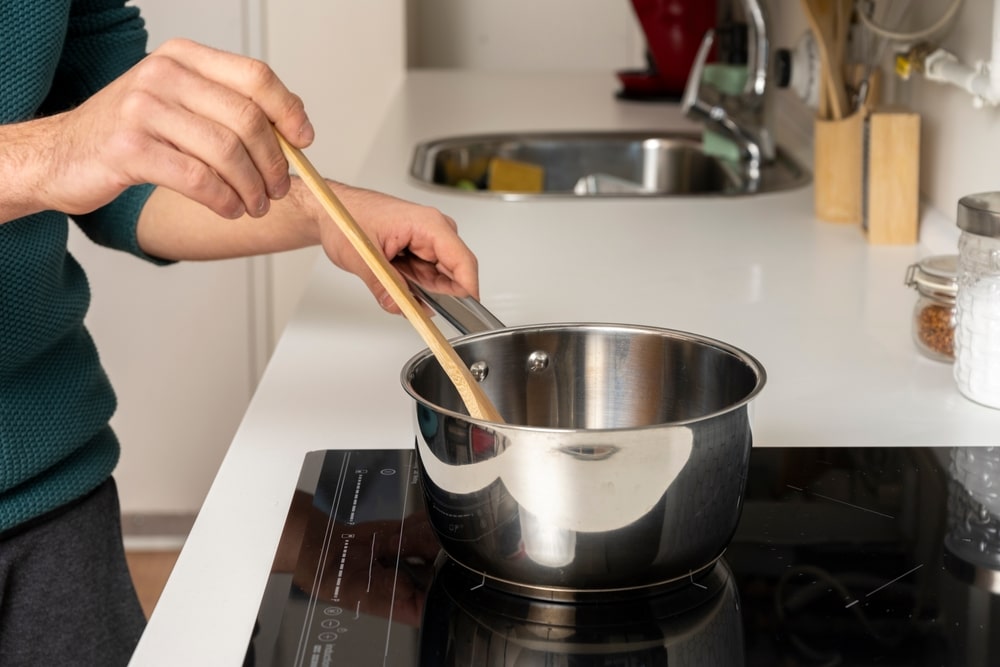
The FDA advises anyone who owns one of the recalled cookware items to stop using it immediately and throw it away. Officials emphasize that these products should not be donated or repurposed for cooking or food storage because the risk remains. Individuals concerned about exposure should contact their healthcare provider for evaluation and testing.
Better Alternative to Aluminum and Brass Cookware
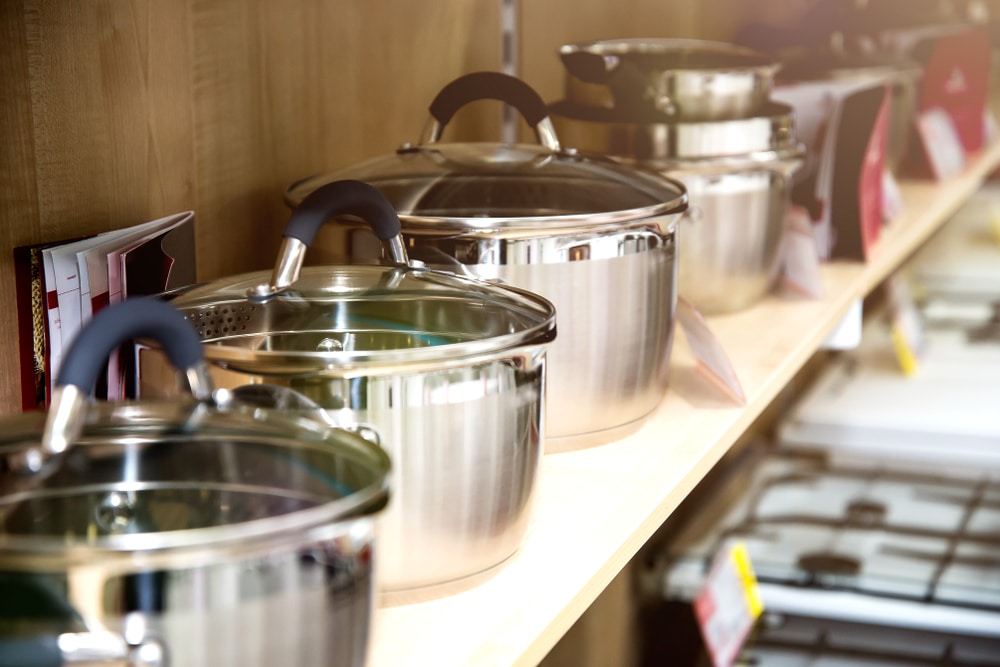
Recent research shows that certain aluminum and brass cookware can release lead at levels far exceeding safety limits when subjected to boiling or long-term storage conditions. One tested pan exceeded childhood exposure limits by more than a thousandfold. In contrast, stainless steel performed much better and released minimal lead, making it a safer alternative.
Ongoing Surveillance and What Comes Next

The FDA plans to keep updating its recall list as more products are tested. Regulators are also working with state partners, public health agencies, and import authorities to prevent additional unsafe cookware from entering the U.S. market. For now, the agency advises consumers to stay aware of new alerts and verify that cookware purchased from international or specialty markets meets safety standards.