FDA Issues Recall of Popular Foods After Rodent and Salmonella Contamination
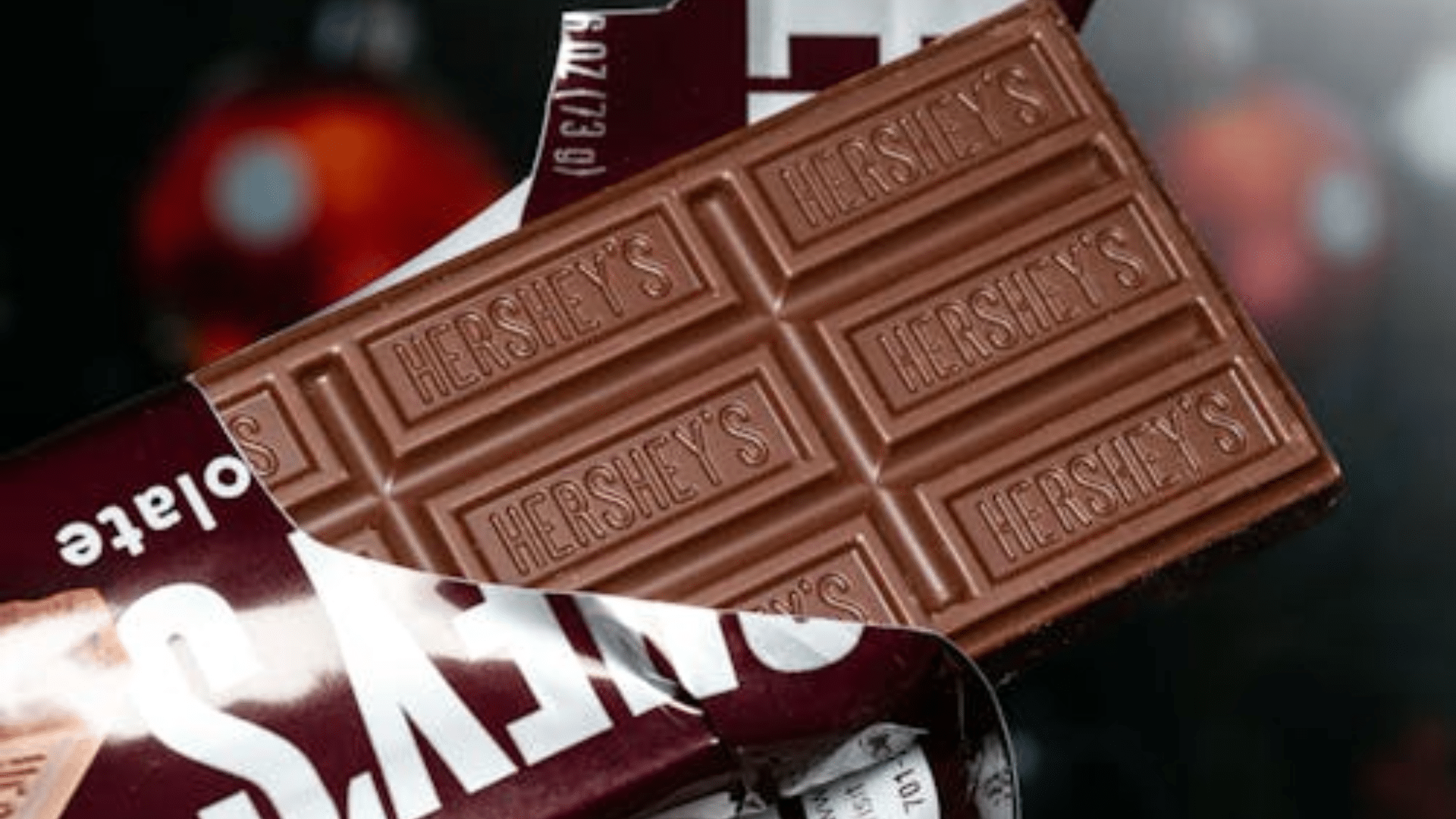

The U.S. Food and Drug Administration has issued a sweeping recall affecting a wide range of popular foods after unsanitary conditions involving rodent and bird contamination were discovered at a major regional distribution center, prompting health officials to warn consumers about the potential presence of harmful bacteria such as Salmonella and urging people to check their pantries against the list of affected items. The action covers dozens of well-known brands and products distributed through a single facility where inspectors found evidence of contamination including rodent feces and bird droppings, which can spread pathogens that lead to serious foodborne illnesses if consumed.
Among the recalled products are familiar names spanning snacks, cereals, beverages and more, including brands such as Pringles, Cheerios, Hershey’s, and other everyday items that many families keep stocked in homes, illustrating just how widespread the issue is and emphasizing the importance of vigilance in identifying and discarding these affected foods.
Rodent contamination is particularly concerning because rodents can carry bacteria like Salmonella, which causes symptoms such as fever, diarrhea, nausea, vomiting and abdominal cramps that can become severe in young children, the elderly and people with weakened immune systems, making quick action on these recalls vital for public health.
Nationwide Recall Targets Multiple Food Categories
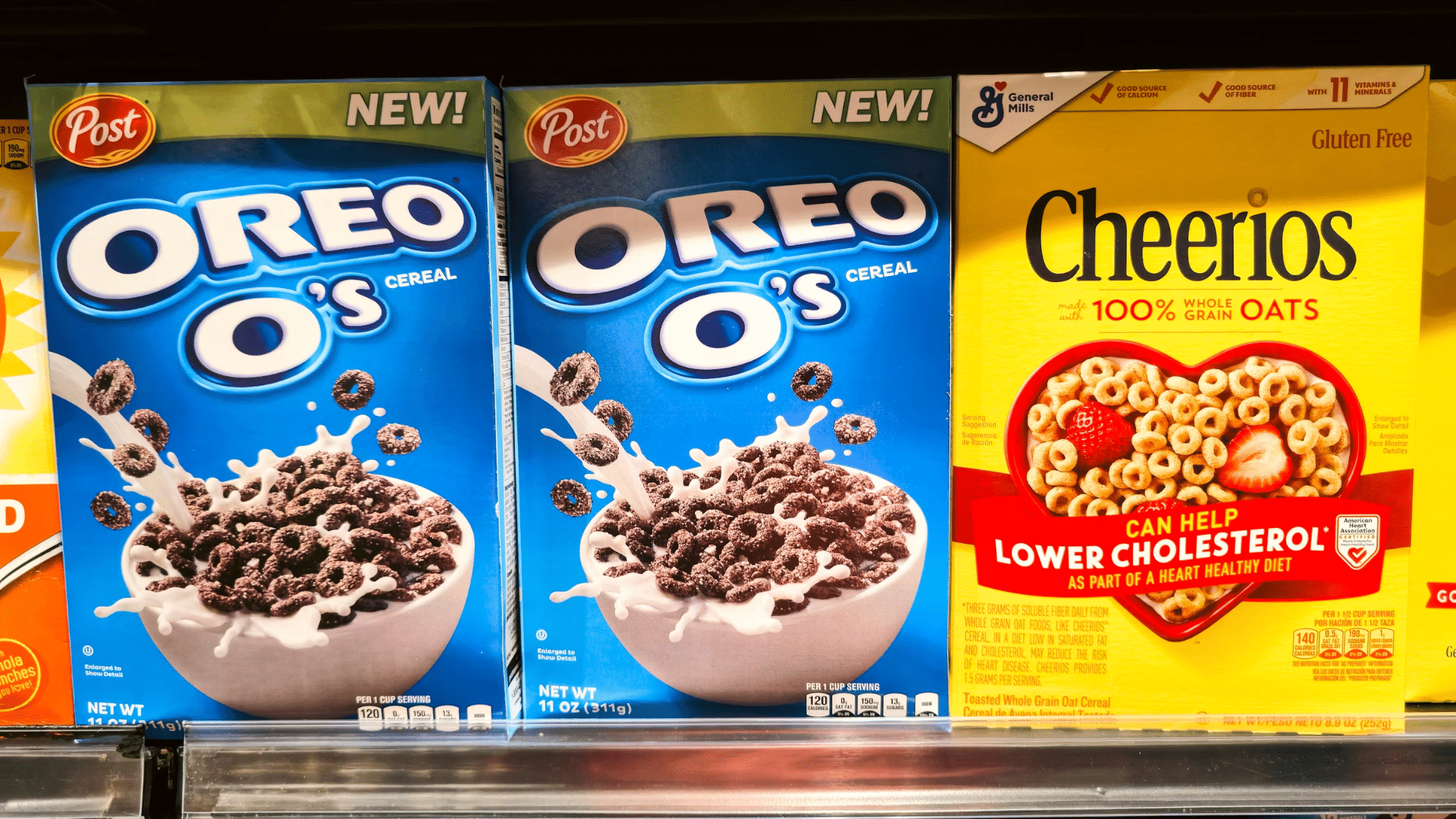
The recall triggered by the contaminated distribution center affects hundreds of products across many food categories, including snack foods, beverages and pantry staples, and requires retailers to pull these items from shelves while urging consumers not to consume any products from the listed supplier or distribution lot. Products involved range from salty snacks to breakfast cereals, and the broad reach of the recall underscores how a single contamination event can impact many popular packaged foods that shoppers recognize and trust.
In addition to well-known brands, the FDA’s advisory also covers items that may have been stored at the same facility but packaged under smaller or store-brand labels, suggesting that consumers should carefully check lot codes and product lists if they have recently purchased products that might have passed through that distribution center before reaching stores.
Although no widespread illnesses linked to this contamination have been reported so far, the FDA and health officials emphasize that even a single exposure to Salmonella can cause severe symptoms in vulnerable populations, which is why these recalls are being issued quickly and broadly to prevent possible infections before they occur.
Other Recent Salmonella-Linked Food Recalls
Beyond the rodent-related recall, several other products have been pulled from store shelves due to potential Salmonella contamination, including certain organic chia seeds sold at high-end grocery retailers and online, which were voluntarily recalled after tests found the risk of bacterial contamination that can lead to gastrointestinal illness if the seeds are consumed without being properly handled.
Specialty food manufacturers have also expanded recalls of artisan chocolate bars after routine testing detected the risk of Salmonella presence in multiple flavors, leading to broader product removals and consumer warnings to throw away or return affected products even though no confirmed illnesses have been tied to these items yet.
These additional recalls highlight how pervasive Salmonella risk can be across different segments of the food supply chain, from fresh produce and seeds to processed foods and snacks, reinforcing why consumers are advised to stay aware of FDA notices and check their products against official recall lists regularly.
How to Protect Your Pantry and Your Health
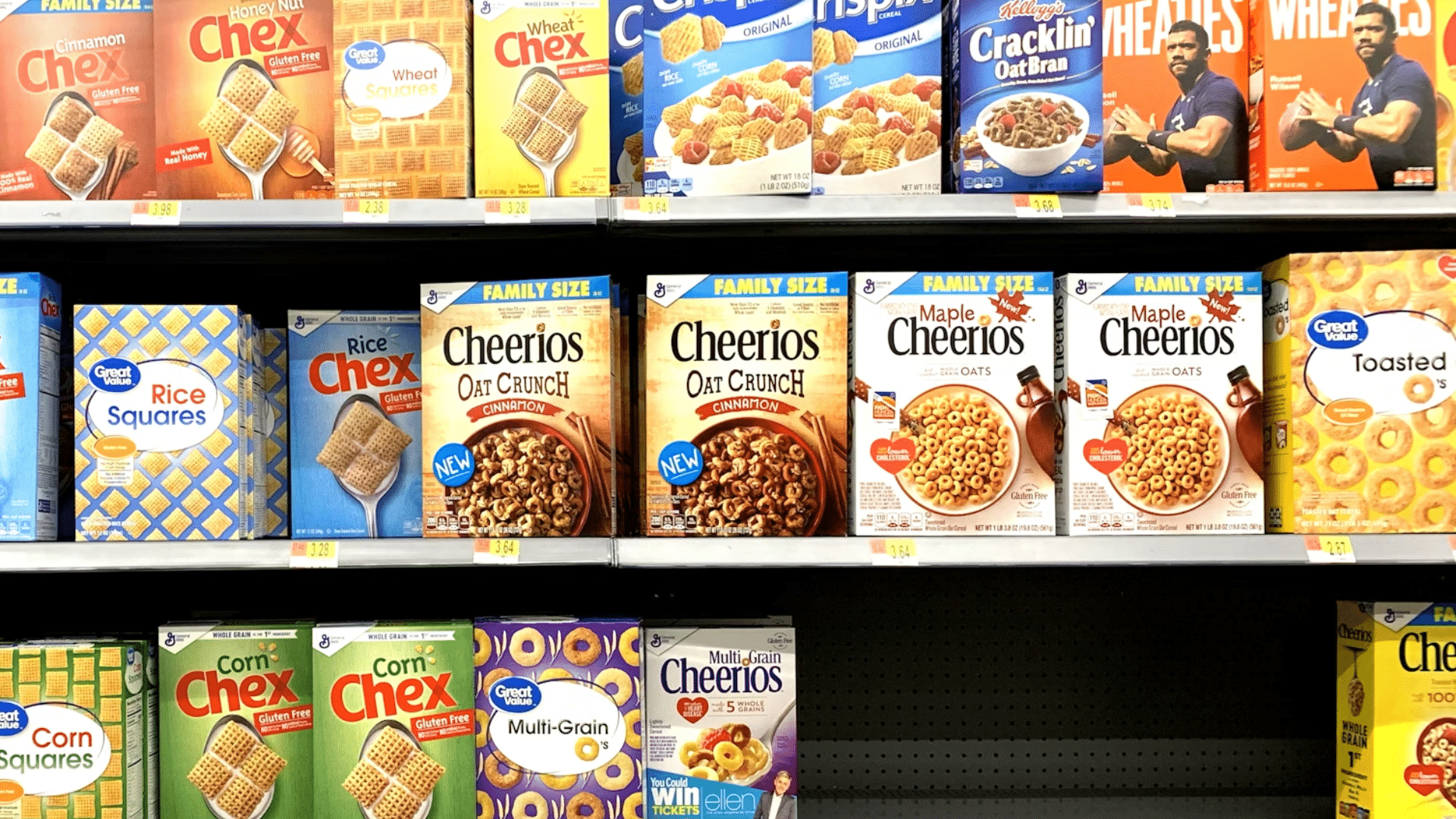
To protect yourself and your family from foodborne illness risks associated with contaminated products, experts recommend regularly checking for FDA recall updates online or through recall alert apps, inspecting your pantry for affected brand names and lot codes, and immediately disposing of or returning any recalled items to the place of purchase for a refund, because early action can prevent exposure to harmful bacteria that can cause serious illness.
Proper food storage and hygiene practices can also reduce the risk of Salmonella and other contaminants, such as washing hands thoroughly after handling food packages, cleaning surfaces that come into contact with grocery products and cooking foods to recommended temperatures that kill bacteria.
If anyone believes they or a family member may have become sick after consuming a recalled item, they should seek medical guidance promptly, because symptoms like high fever, prolonged diarrhea or dehydration may require immediate treatment and reporting such illnesses can help public health officials track and respond to emerging food safety issues.