FDA Issues the Highest-Risk Warning After Cheese Recall Linked to Potential Death
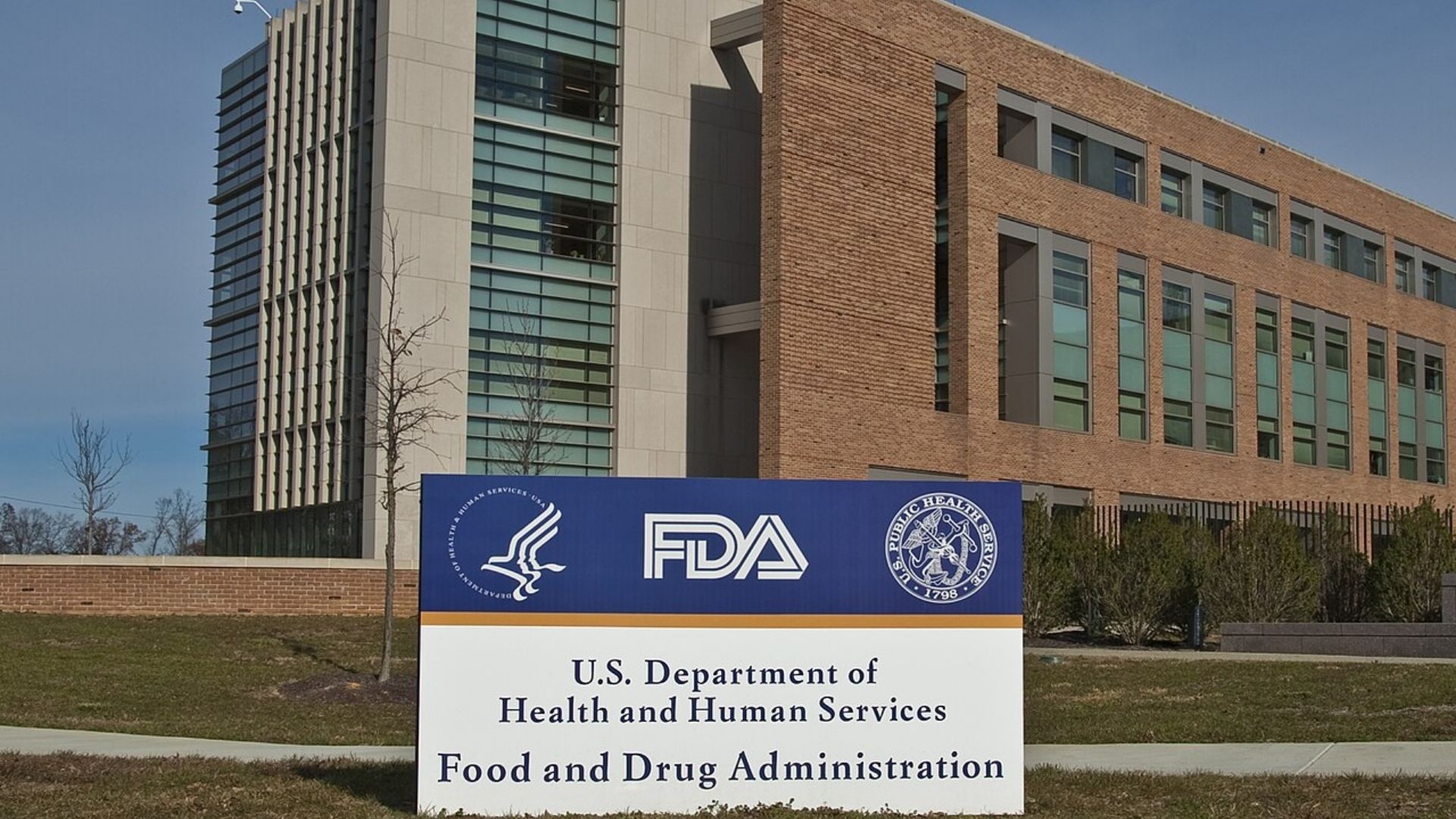

The Food and Drug Administration elevated a cheese recall to Class I status on January 6, marking it as the agency’s most serious risk category. This classification warns consumers that using these products could cause severe health problems or death. The recall affects popular brands sold at major retailers nationwide, prompting urgent consumer action across twenty states.
Understanding the Class I Classification
A Class I recall means there is a “reasonable probability that the use of, or exposure to, [the] product will cause serious adverse health consequences or death,” according to FDA guidelines. This highest danger level is reserved for only the most critical situations. The Ambriola Company initially recalled these products in November after routine testing detected contamination in its New Jersey facility.
The Bacterial Threat Behind the Recall
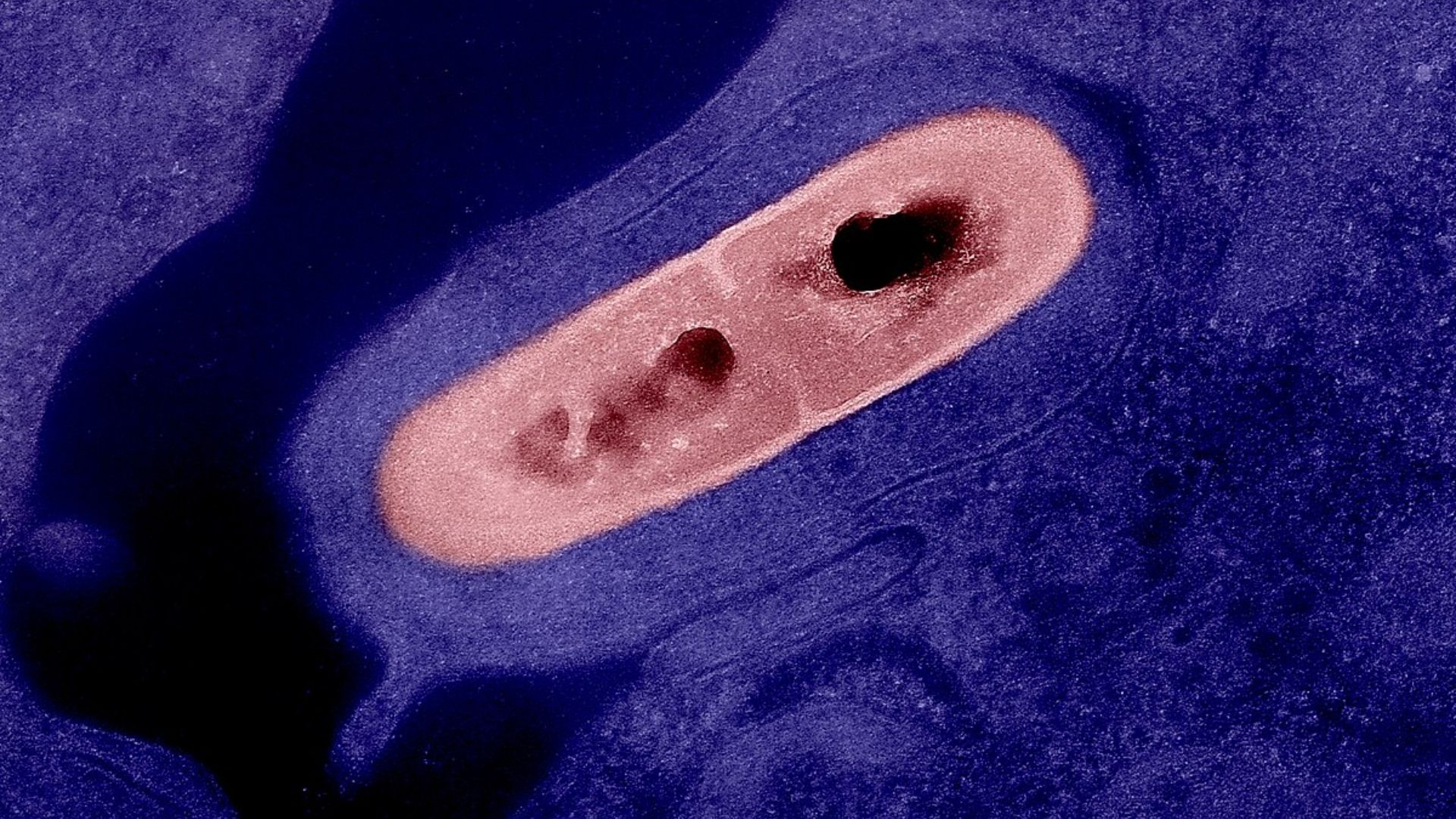
Listeria monocytogenes contamination triggered this urgent recall. The organism can cause serious and sometimes fatal infections in young children, frail or elderly people, and others with weakened immune systems. Routine screening at Ambriola’s West Caldwell facility uncovered the dangerous bacteria. All affected cheese products tested positive during quality control inspections conducted between early and mid-November.
Tracking the Timeline of Events
The recall began on November 21, 2025, when Ambriola voluntarily pulled products from shelves. Distribution occurred between November 3 and November 20, 2025, reaching retailers across the country. The FDA officially upgraded the classification to Class I on January 6, 2026, reflecting the severity of potential health risks. This escalation came after further analysis confirmed the contamination’s scope.
Which Products and Brands Are Affected
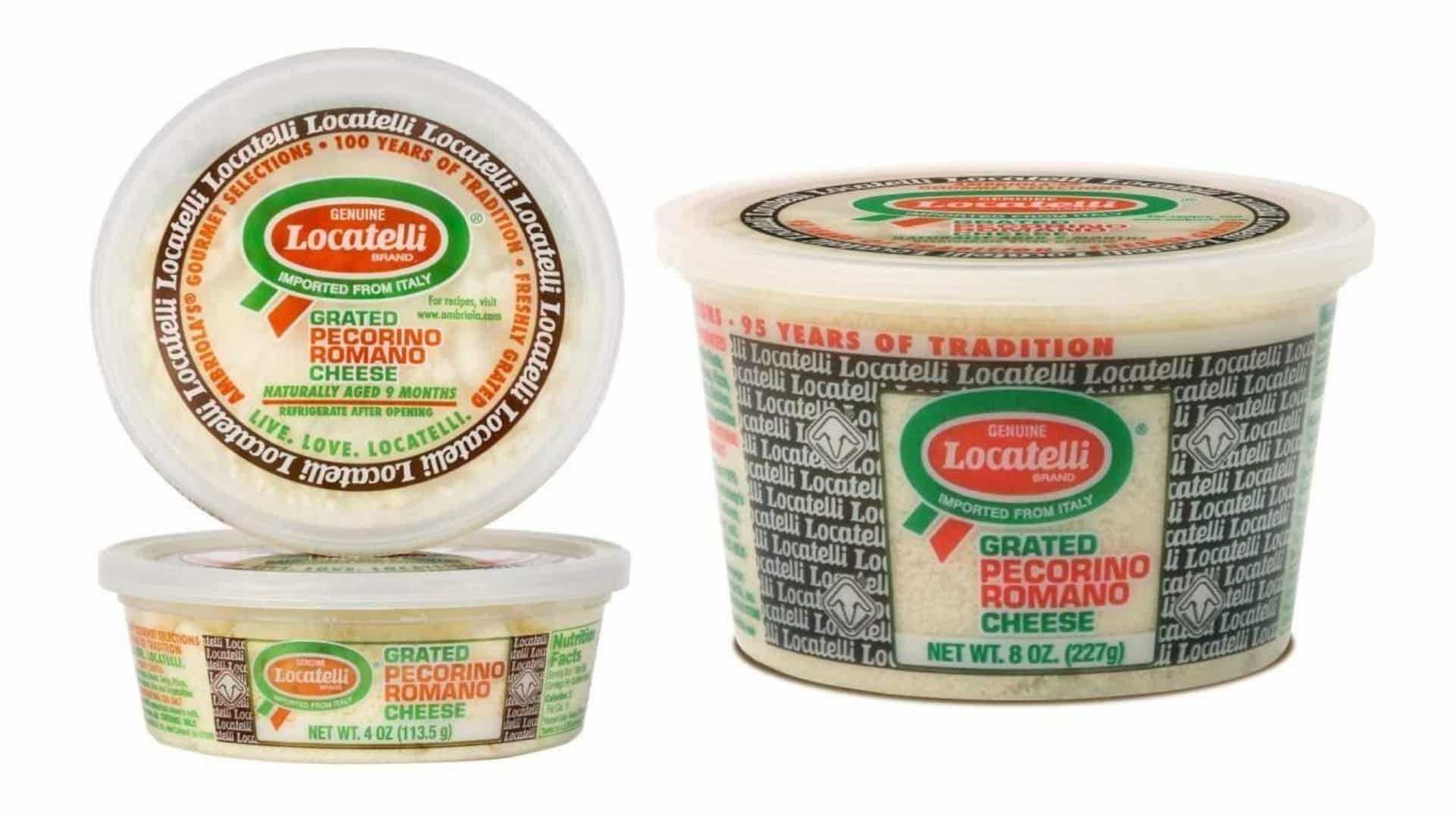
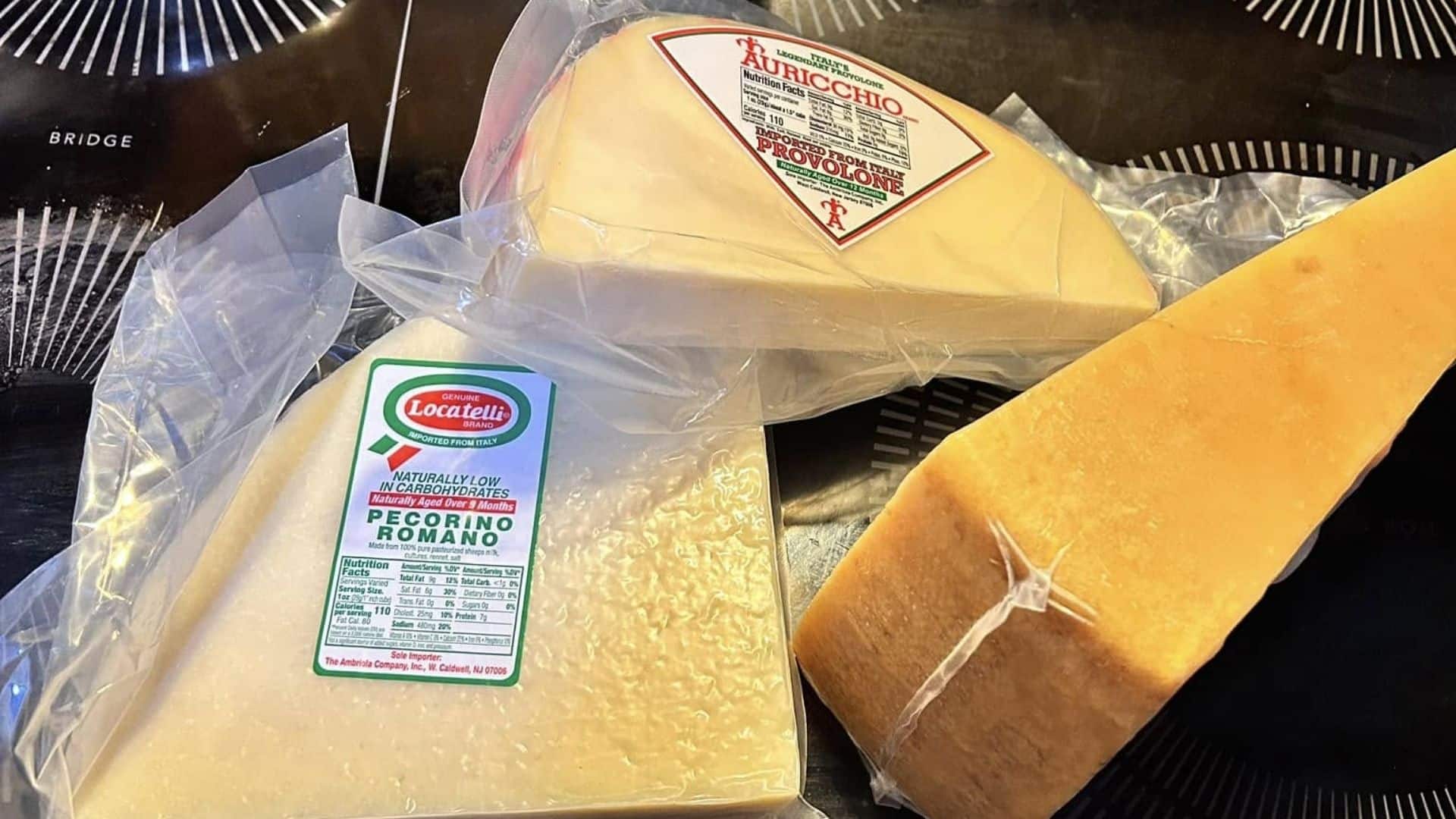
Over 11,500 units across multiple brands face recall. Affected products include Locatelli Pecorino Romano in 4- and 8-ounce cups, with expiration dates from April 6 to May 17, 2026. Boar’s Head 6-ounce cups and 5-pound bags expire from March 4 to March 12, 2026. Member’s Mark and Sam’s 1.5-pound bags expire from March 25 to April 5, 2026. Ambriola sold-by-pound products expire from February 28 to March 11, 2026. Pinna ten-pound bags expire March 11, 2026.
20 States Receive Contaminated Products
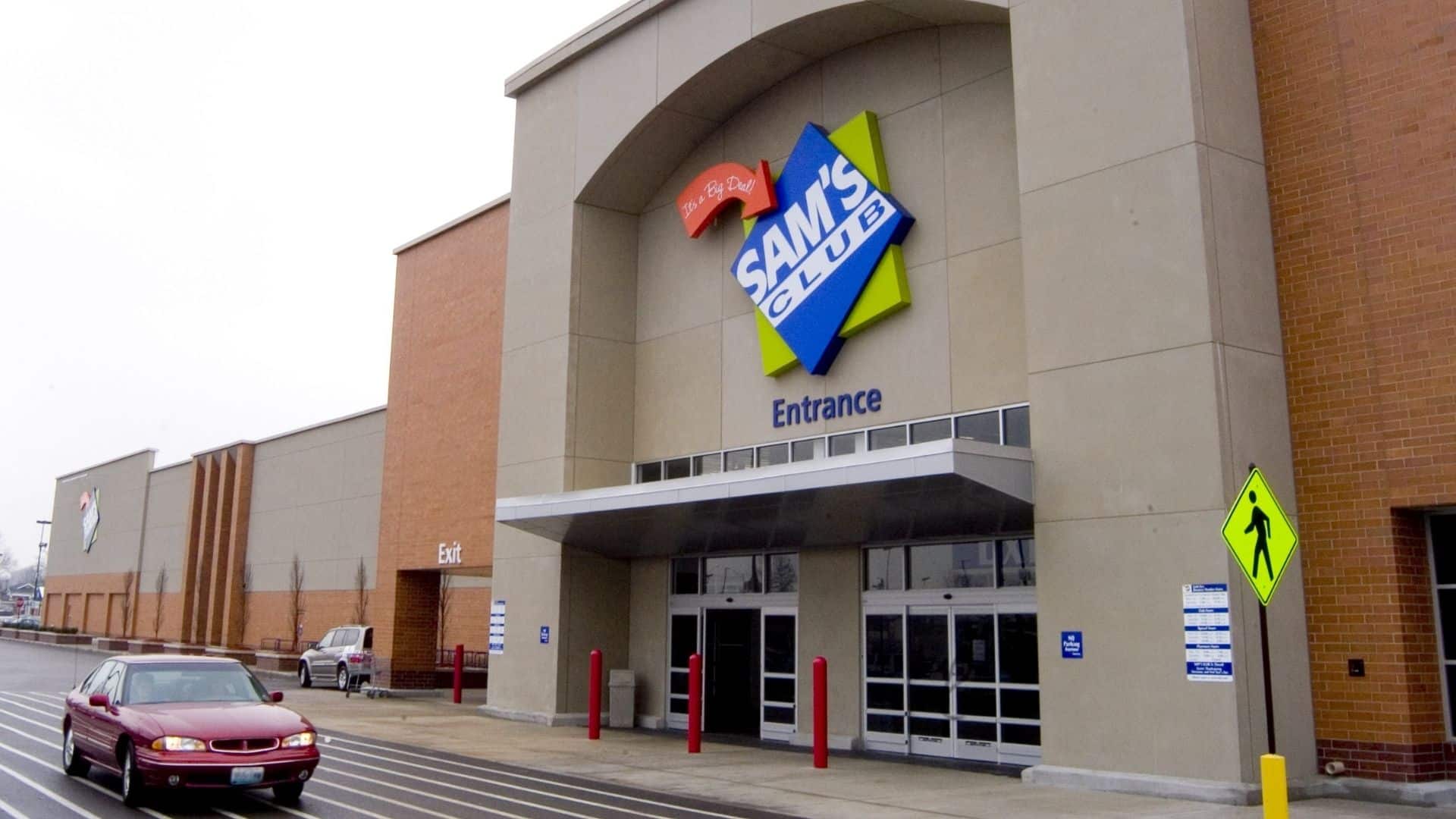
Distribution reached stores across Arizona, California, Colorado, Connecticut, Delaware, Florida, Georgia, Illinois, Indiana, Massachusetts, Maine, New Jersey, New York, Ohio, Oregon, Pennsylvania, Texas, Virginia, Washington, and Wisconsin. Major retailers, including Sam’s Club, H-E-B, Walmart, and Target, sold these products. Both consumer packages and food service quantities entered the marketplace during the distribution window.
Company Response and Food Safety Commitment

Phil Marfuggi, Ambriola’s CEO, stated the company takes food safety very seriously and immediately alerted distributors to remove affected products. The company continues working closely with the FDA while testing products and facilities. Ambriola proactively recalled additional items processed at the same location out of caution. No illnesses connected to these products have been reported as of late November.
Health Risks That Demand Immediate Attention

Listeria infection can cause miscarriages and stillbirths among pregnant women. Symptoms include high fever, severe headache, stiffness, nausea, abdominal pain, and diarrhea. While healthy adults may experience only temporary illness, vulnerable populations face life-threatening complications. Young children, elderly individuals, and immunocompromised people require particular vigilance. Seek medical attention immediately if symptoms develop after consuming recalled cheese.
What Consumers Should Do Right Now

Stop consuming any recalled cheese products immediately. Return items to the purchase location for full refunds or dispose of them safely. Contact Ambriola at 1-800-962-8224 Monday through Friday, 9 a.m. to 4 p.m. Eastern Time with questions. Check lot numbers and expiration dates against recall lists. Anyone experiencing listeriosis symptoms after eating these products should consult healthcare providers promptly for proper diagnosis and treatment.
Staying Safe After a Major Food Recall

This recall highlights the critical importance of food safety monitoring. Consumers should stay informed about recalls affecting products in their homes. Check the FDA website regularly for updates and new recall announcements. Vulnerable populations must take extra precautions when selecting and consuming foods. These vigilant practices protect families from preventable foodborne illnesses and potential tragedies.

