RFK Jr. is a ‘Big Fan’ of Peptides. Now He Puts Pressure on FDA to Loosen Its Restrictions
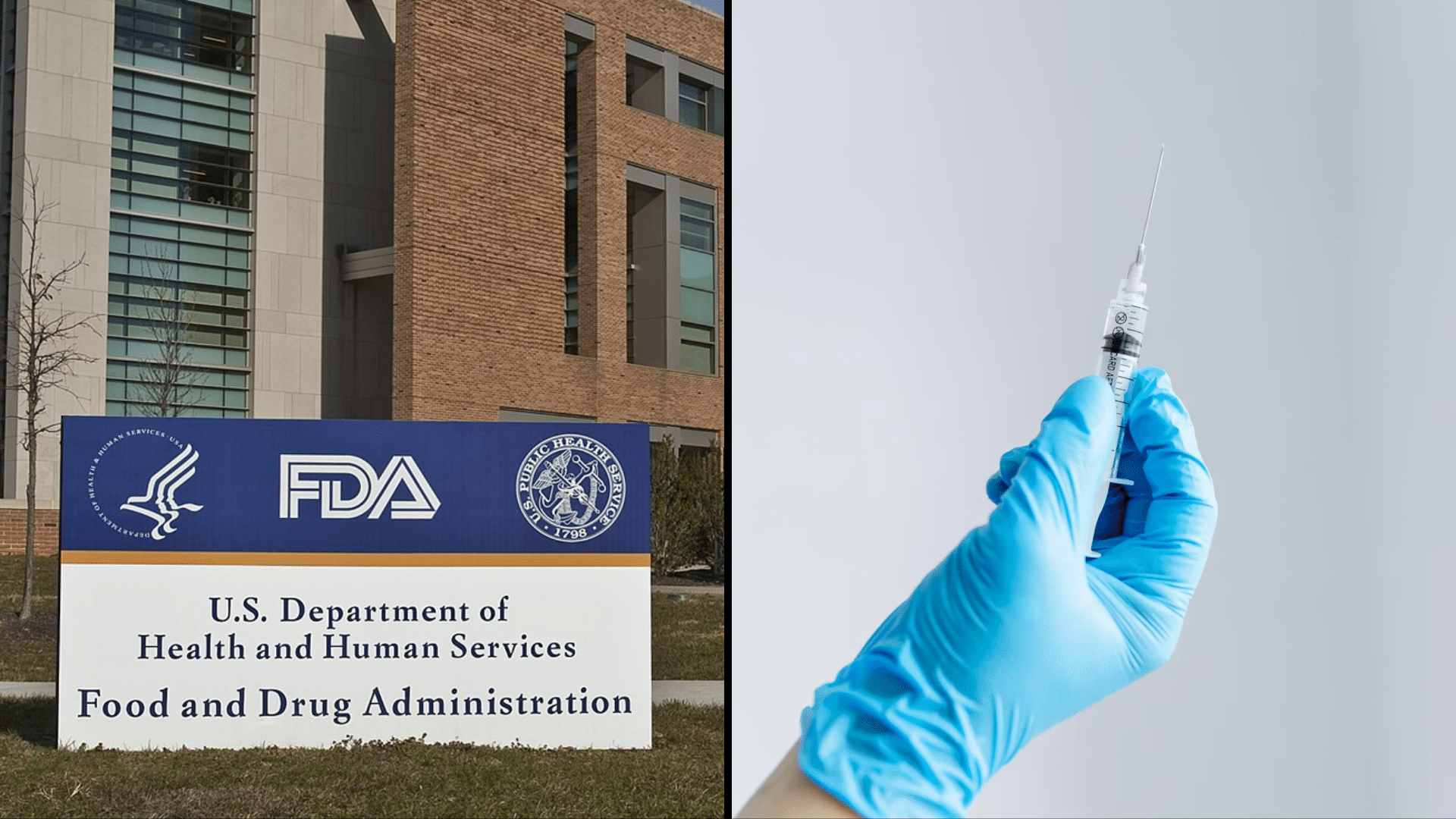

The landscape of American healthcare is bracing for a seismic shift as the FDA officially reopens the door for controversial wellness treatments. Federal regulators announced they will reconsider strict bans on several popular peptide injections, a move that aligns directly with the vocal support of Health Secretary Robert F. Kennedy Jr. For millions of fitness enthusiasts and biohackers, this could mean easier access to substances currently relegated to the legal gray market.
Peptides have recently exploded in popularity, fueled by endorsements from high-profile influencers and celebrities who claim they can magically erase injuries and reverse aging. While the scientific community remains skeptical, the momentum behind these “protein building blocks” has become undeniable. Secretary Kennedy has even discussed using them for his own physical recovery, signaling a major departure from the agency’s previous stance under the Biden administration, which had restricted nearly twenty different peptide variations.
This summer, a panel of outside advisors will meet to determine if these substances can be safely produced by compounding pharmacies. Critics argue that bypassing the traditional drug approval process creates a “Wild West” environment where safety is sacrificed for convenience. However, proponents believe that current regulations are outdated and prevent Americans from accessing innovative health hacks. The upcoming July meeting is expected to be one of the most-watched regulatory events of the year.
The Growing Divide Between Wellness Trends and Clinical Safety

Peptides are essentially short chains of amino acids that act as messengers in the body, triggering hormones for growth and metabolism. While some, like insulin and certain weight-loss drugs, are FDA-approved, many others marketed online have never undergone rigorous human testing. In 2023, the FDA cited serious risks, including potential liver and kidney damage, as reasons for their initial crackdown. Despite these warnings, the demand for “longevity” formulas has only continued to grow.
The debate often centers on BPC-157, a specific peptide widely promoted for its supposed ability to heal tendons and reduce inflammation. While it is currently banned by international sports authorities as a doping substance, it remains a staple in the wellness community. Experts like Dr. Peter Lurie warn that allowing such products on the market without clinical trials poses a profound threat to public safety. They fear a less rigorous path to market will become the new standard.
Secretary Kennedy, appearing on popular podcasts like Joe Rogan’s, has argued that current restrictions actually create more danger. He contends that by banning domestic production, the government has forced consumers toward substandard products imported from overseas. By bringing peptides back into regulated compounding pharmacies, Kennedy believes the government can ensure better quality control. This argument resonates with many Americans who are tired of high drug prices and limited options for alternative therapies.
A Political Shake-Up Within the FDA’s Advisory Ranks

The shift in policy comes at a time of significant turnover within the FDA’s pharmacy panels. Many of the experts who originally voted to restrict peptides have since left the agency, leaving several key vacancies. This provides a unique opportunity for the current administration to appoint new members who may be more sympathetic to the “Make America Healthy Again” movement. The composition of this panel will likely decide the fate of peptide access for years to come.
Congressional leaders, including Senator Tommy Tuberville, have also pressured the health department to lift limits on peptide production. They argue that the compounding industry is an essential part of the American healthcare system that should not be stifled by overreaching regulations. This political pressure, combined with the Secretary’s personal advocacy, has created a fast-track for policy changes that would have seemed impossible just a few years ago. The stakes involve both public health and billions in potential revenue.
Compounding pharmacies serve a vital role by mixing custom medications for patients with unique needs. If the FDA moves these peptides to the “safe to produce” list, these small businesses could see a massive influx of new customers. However, the medical establishment remains wary of turning pharmacies into manufacturers of unproven drugs. The tension between providing innovative access and maintaining the gold standard of drug approval is reaching a breaking point in Washington.
Navigating the Future of the American Wellness Marketplace

Even if the July meeting results in a favorable vote for peptide enthusiasts, the legal transition will not happen overnight. The FDA must still draft and publish formal rules, a process that can be notoriously slow. In the meantime, the agency plans to remove several chemicals from high-risk lists to ease the immediate burden on providers. This suggests that the administration is committed to a long-term strategy of deregulating the alternative medicine space.
The outcome of this move will likely influence more than just injections; supplement makers are already pushing to include peptides in powders and gummies. If the federal definition of a dietary supplement is expanded, these ingredients could soon appear on the shelves of every local health store. This would mark the final step in moving peptides from the fringes of the internet into the mainstream American diet. It is a gamble that could revolutionize wellness or lead to a health crisis.
As the summer meeting approaches, the conversation will undoubtedly focus on the balance between personal freedom and government oversight. Are Americans ready to take their health into their own hands with unproven peptides, or should we wait for the data to catch up? Secretary Kennedy’s “big fan” status has set the stage for a dramatic confrontation between tradition and transformation. One thing is certain: the way we define medicine in America is about to change forever.