FDA Recalls Raw Oysters and Clams in 9 States, May Spread Norovirus Despite Looking ‘Normal’
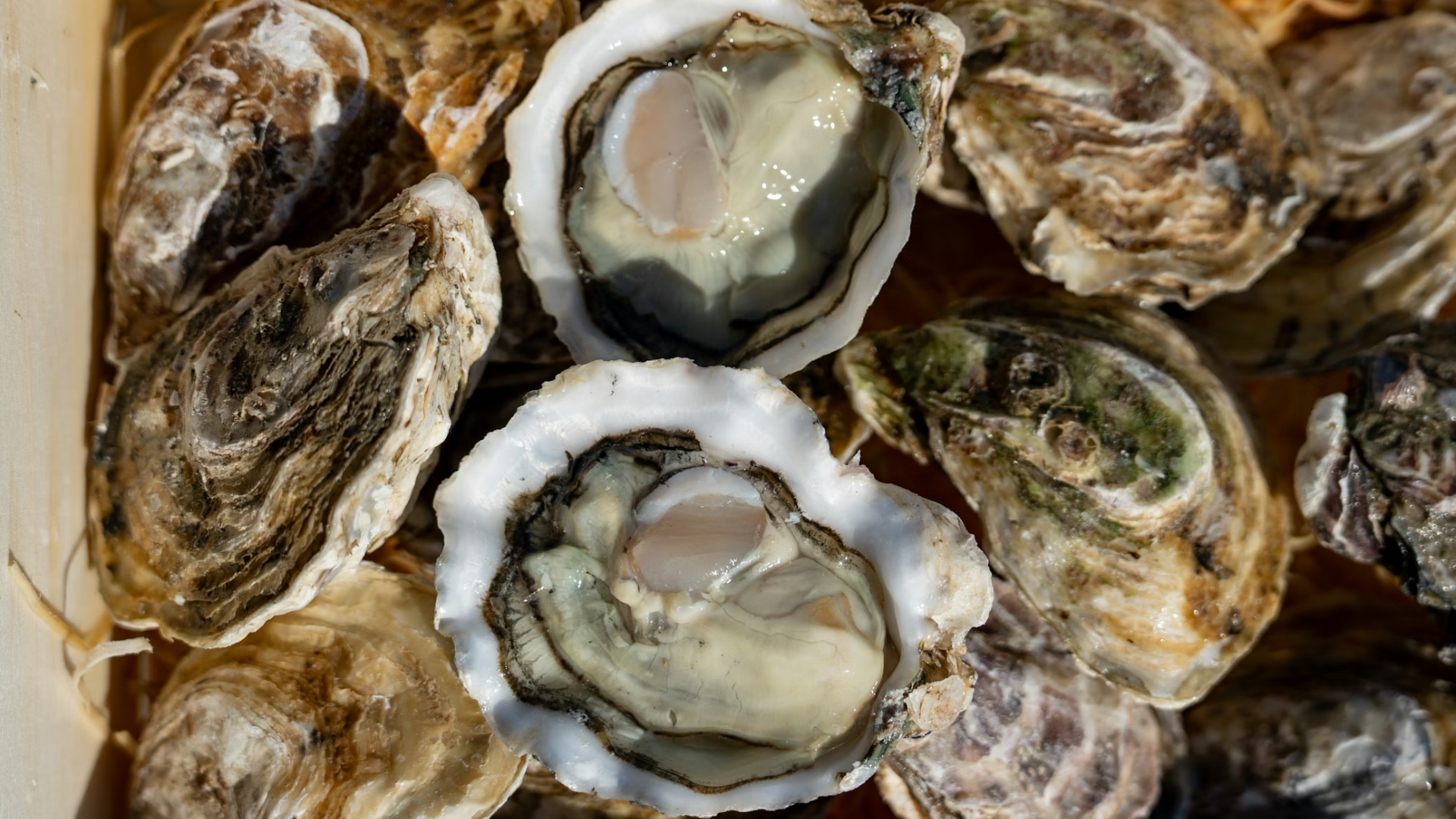

Federal health officials are warning consumers and restaurants about a recall involving certain raw oysters and clams that may be contaminated with norovirus, a highly contagious virus that causes gastrointestinal illness. The U.S. Food and Drug Administration (FDA) says the shellfish could make people sick even though they may appear perfectly normal. According to the agency, contaminated oysters or clams may still look, smell, and taste normal, making the risk harder for consumers to detect.
The affected shellfish were harvested in Drayton Harbor, Washington, between February 13 and March 3, 2026. The oysters were produced by Drayton Harbor Oyster Company, while the Manila clams were harvested by the Lummi Indian Business Council. Federal officials say restaurants and retailers should not sell or serve the shellfish and should dispose of any remaining stock immediately.
The FDA alert covers shellfish distributed to multiple states across the U.S. The recalled Manila clams were shipped to restaurants and retailers in Arizona, California, Florida, Georgia, Illinois, Nevada, New York, Oregon, and Washington, and officials warn they may have reached other locations as well through secondary distribution. Anyone who recently purchased or consumed raw oysters or clams is advised to verify the source and avoid eating them if they match the recall details.
What Products Are Affected in the Recall

The recall specifically involves raw oysters and Manila clams harvested from Drayton Harbor in Washington state. The oysters were harvested by Drayton Harbor Oyster Company during the February 13 to March 3 window and distributed primarily within Washington. These oysters were sold as live shellstock, which means they were typically shipped whole and served raw at restaurants or seafood counters.
The Manila clams connected to the advisory were harvested during the same time period by the Lummi Indian Business Council. Unlike the oysters, these clams were distributed across multiple states through restaurants, wholesalers, and seafood suppliers. Health officials say the products may not carry obvious warning signs, which is why they are urging businesses and consumers to carefully check harvest dates and supplier information before serving or eating the shellfish.
Because raw shellfish are often served uncooked, they can carry a higher risk of transmitting foodborne viruses. The FDA says restaurants and seafood retailers should dispose of the recalled products and sanitize any surfaces, containers, or utensils that may have come into contact with them to avoid cross-contamination.
Norovirus Symptoms and Health Risks
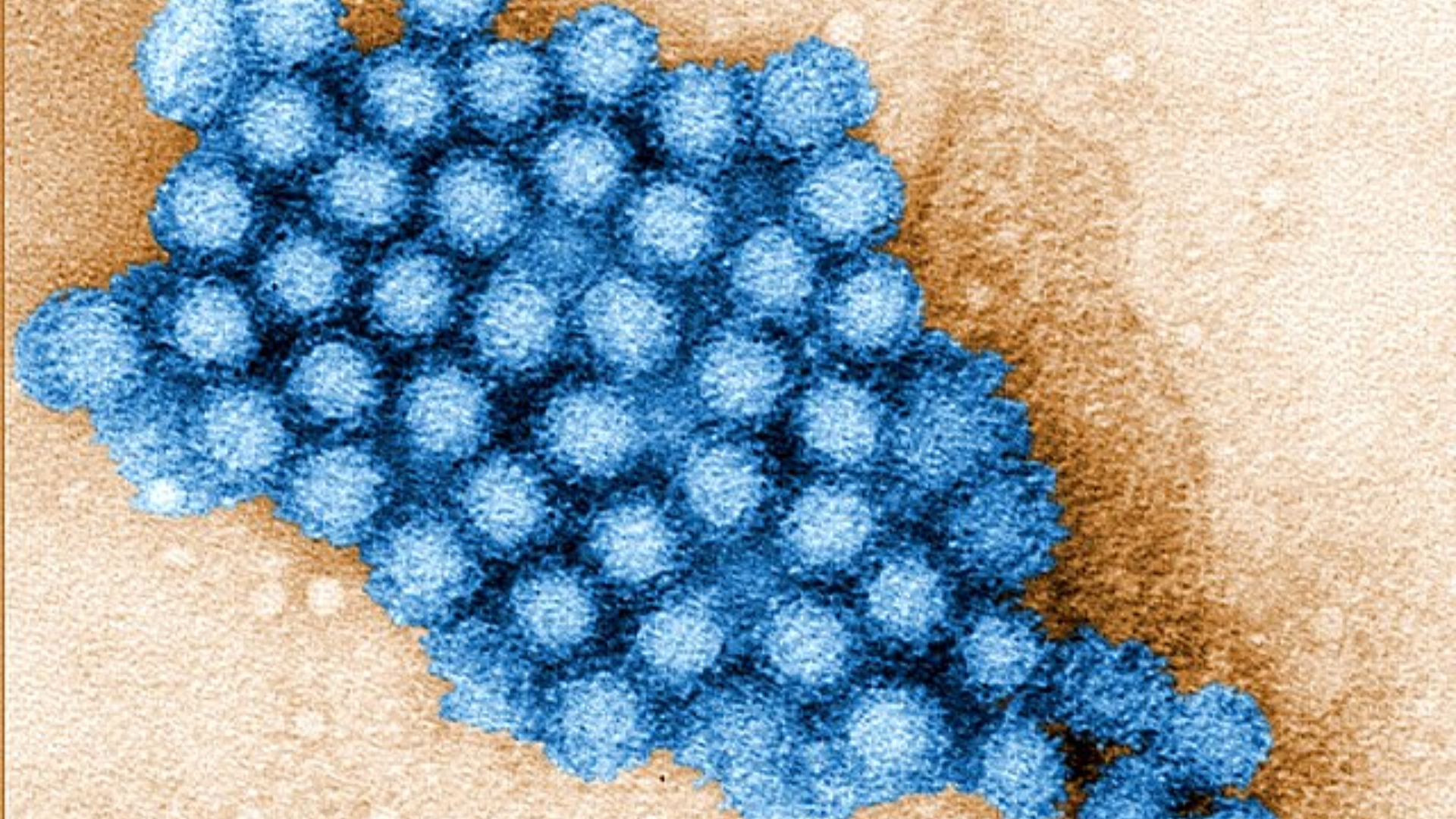
Norovirus is one of the most common causes of foodborne illness in the United States. The virus spreads easily through contaminated food, water, surfaces, or direct contact with an infected person. Shellfish such as oysters and clams can sometimes carry the virus if they are harvested from waters contaminated with sewage or other pollutants.
Symptoms typically appear 12 to 48 hours after exposure and can include diarrhea, vomiting, nausea, stomach cramps, fever, headache, and body aches. Most people recover within one to three days, but the illness can be more severe for older adults, young children, and individuals with weakened immune systems.
Health officials say anyone who believes they may have eaten the recalled shellfish and develops symptoms should contact a healthcare provider. Because norovirus spreads easily, infected individuals are also advised to wash hands frequently and avoid preparing food for others while sick.
Proper Food Safety
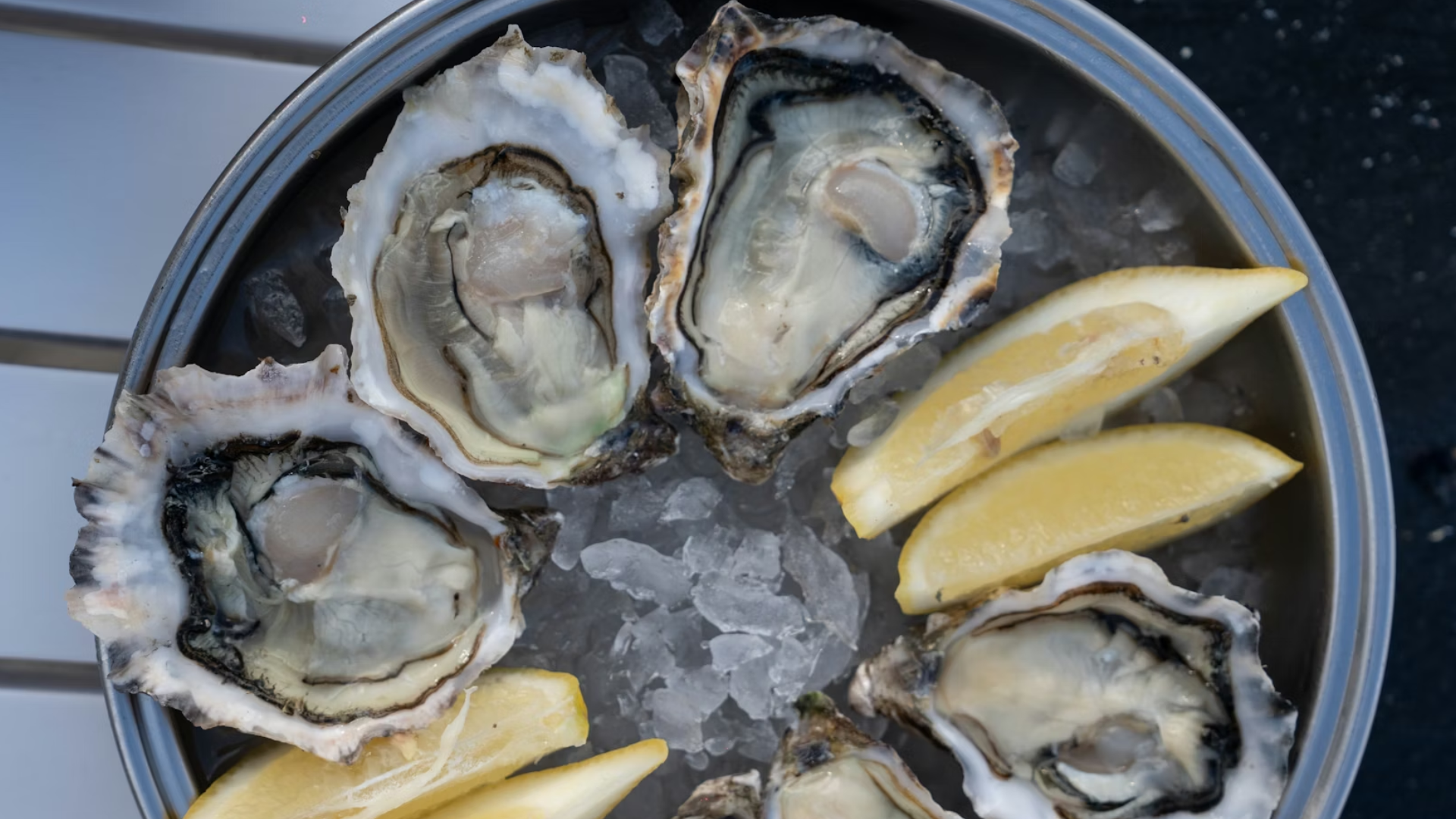
The recall highlights the potential risks associated with eating raw shellfish, especially when contamination occurs before the seafood reaches restaurants or grocery stores. Because viruses like norovirus cannot be detected by taste or smell, consumers may unknowingly consume contaminated food unless they are aware of a recall notice.
Health officials emphasize that proper food safety practices can help reduce risk. Restaurants and retailers are encouraged to closely track seafood sources and follow FDA advisories quickly when contamination is suspected. Thorough cleaning of surfaces and equipment that come into contact with raw shellfish is also critical to prevent further spread of the virus.
For consumers, the safest approach is to avoid eating raw oysters or clams that may be connected to the recall and check with restaurants or seafood suppliers if the source is unclear. As investigators continue to monitor the situation, the FDA says additional updates could be issued if more distribution details emerge.