FDA Recalls Nearly 40,000 Cases of Tater Tots Linked to Plastic Contamination
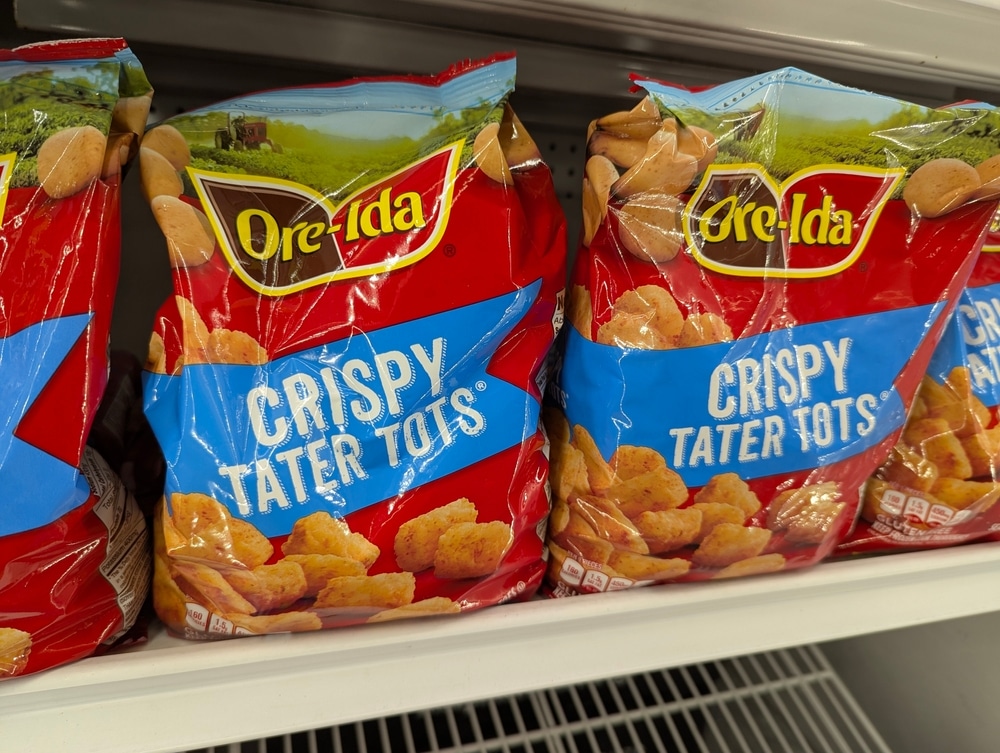

A popular freezer staple is under scrutiny after the U.S. Food and Drug Administration announced a large recall involving tater tots contaminated with plastic. Nearly 40,000 cases of frozen potato products were pulled after reports of “clear hard plastic fragments” found in the food, prompting concern among consumers and food safety officials.
The recall affects both Ore-Ida and Sysco brand tater tots distributed across 26 states, including Illinois, Michigan, Wisconsin, and Missouri. While no serious injuries have been reported, the scale of the recall has drawn attention because of how widely the products were sold through foodservice and institutional channels
The FDA classified the recall as Class II, meaning exposure could cause temporary or medically reversible health consequences, though the likelihood of severe harm is considered low. Even so, the incident highlights how quickly a familiar food can become a safety concern.
What We Know About the Tater Tot Recall
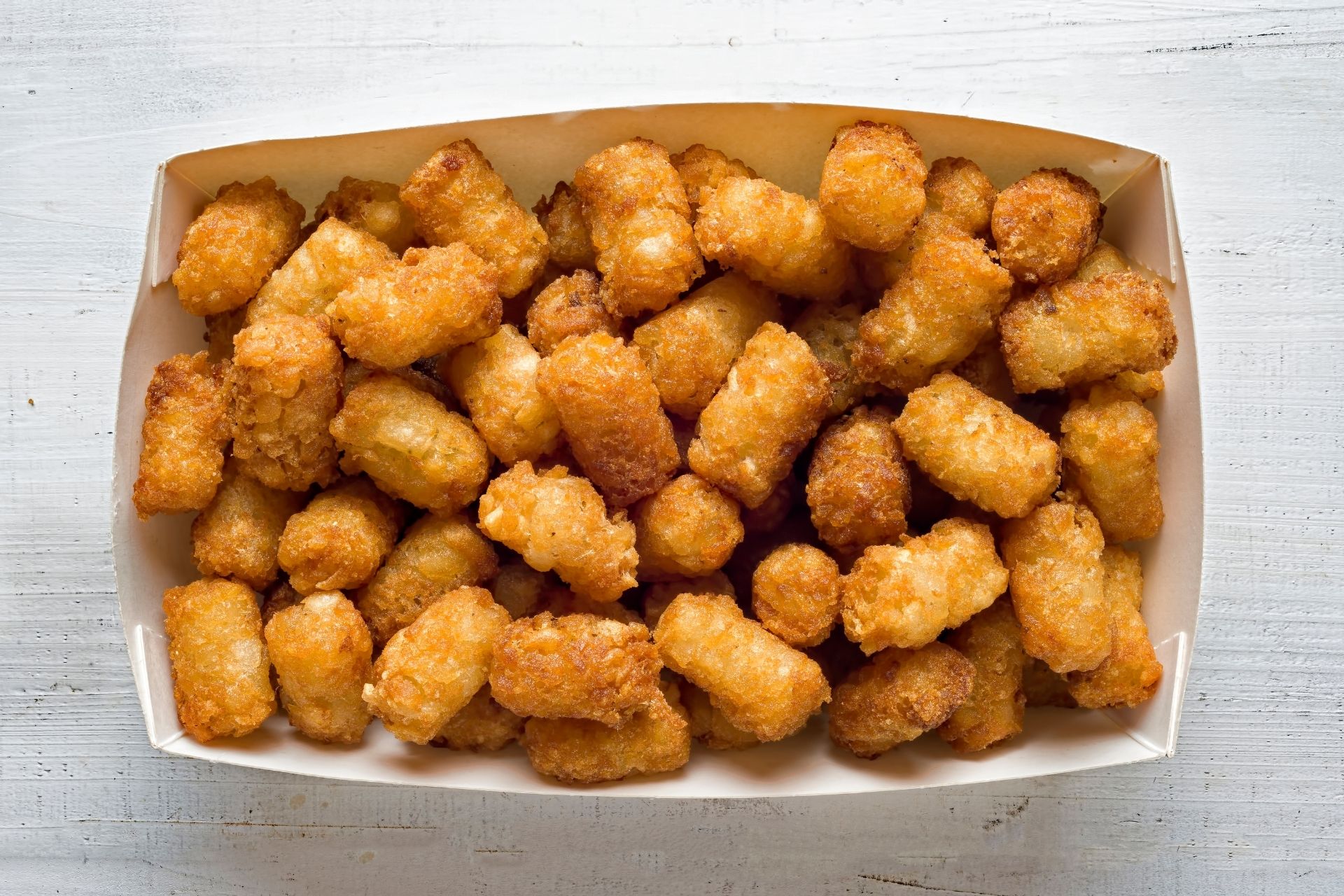
According to FDA enforcement records, the recall was initiated on December 3, 2025, by McCain Foods USA, Inc., the company that produces both Ore-Ida and Sysco-branded products. The recall was later classified on January 6, 2026, after further review of the contamination risk
In total, 21,256 cases of Ore-Ida tater tots and 17,597 cases of Sysco Imperial Potato Tater Barrels were affected. The products were packaged in clear, unlabeled plastic bags and distributed nationwide through foodservice suppliers rather than direct retail shelves.
The FDA identified the issue as plastic fragments introduced during production, though specific details about how the contamination occurred have not been made public. Both McCain Foods and Sysco declined to comment when contacted by NBC Chicago.
Why Plastic Contamination Raises Broader Concerns
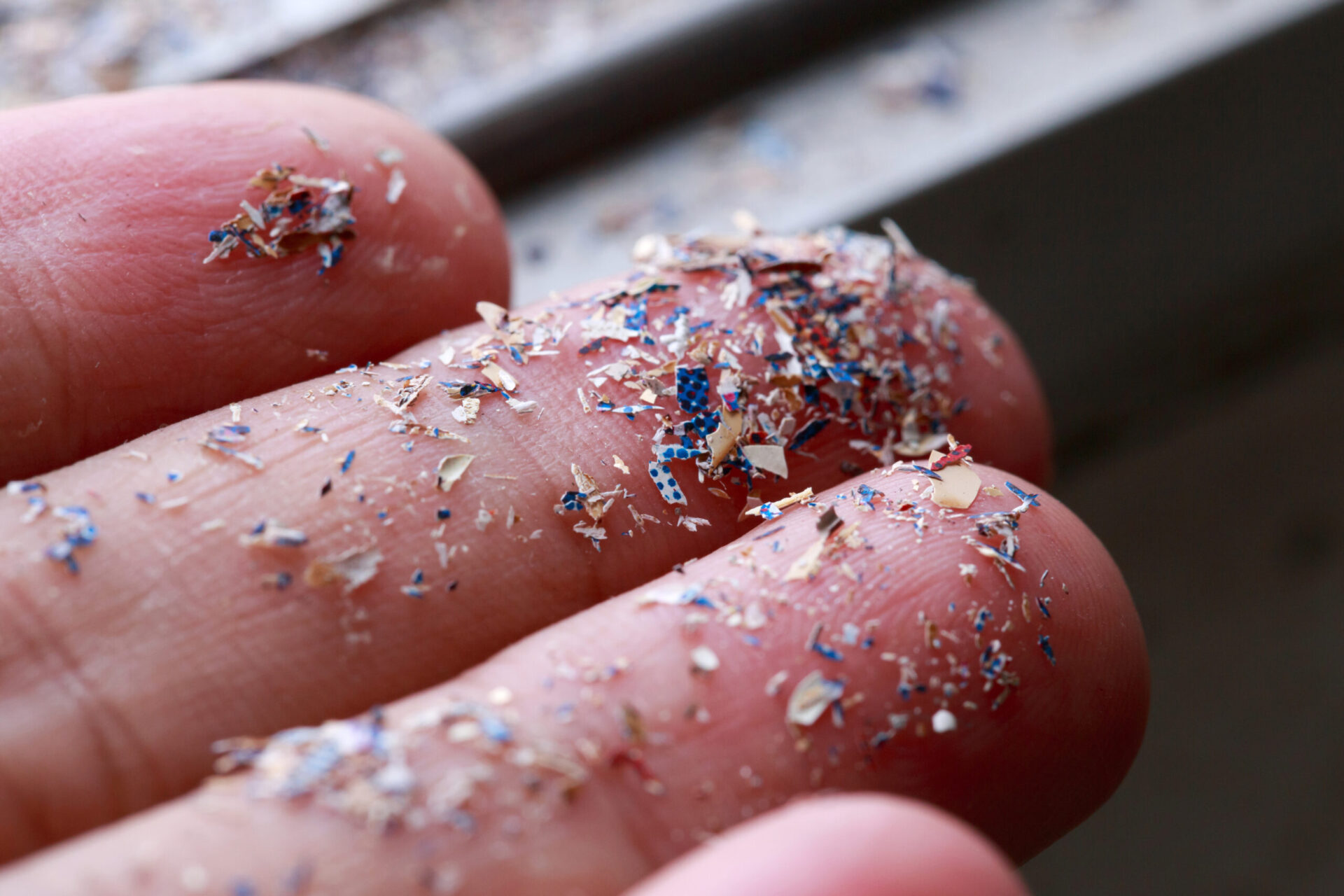
Plastic contamination is a recurring issue in food recalls, often linked to processing equipment, packaging materials, or breakdowns in quality control. Food safety experts note that modern food systems rely heavily on plastic components, increasing the risk of fragments entering products during manufacturing.
A 2023 research has also drawn attention to the wider presence of plastic in the food supply. A large analysis of more than 100 studies found that food packaging is a major source of microplastic contamination, even when materials are used as intended. Ultra-processed foods tend to show higher levels due to repeated contact with plastic machinery and packaging.
The FDA maintains that current evidence does not show microplastics in food pose a clear health risk, but the agency continues to monitor emerging research. Incidents involving visible plastic fragments, like this recall, are treated more urgently because they pose immediate physical hazards such as choking or dental injury.
What Consumers Should Do Now

Consumers who may have been exposed through foodservice locations are advised to check recall notices and contact suppliers if they have questions. Because the recalled products were primarily sold in bulk, many individuals may have encountered them in schools, hospitals, or restaurants rather than at home.
Food safety experts say recalls like this underscore the importance of reporting foreign objects in food, even when no injury occurs. Early reports help regulators identify patterns and intervene before contamination spreads further through the supply chain.
While the FDA considers the health risk from this recall to be limited, the incident serves as a reminder that food safety relies on constant oversight. For consumers, it’s another reason to stay informed—and for manufacturers, a signal that even small breakdowns can lead to large-scale consequences.
