FDA Upgrades Cheese Recall to Highest Danger Level Over Bacteria Linked to Stillbirths and Death


The U.S. Food and Drug Administration has escalated a nationwide cheese recall to its most serious classification after discovering contamination with Listeria monocytogenes, a bacteria capable of causing severe illness and even death in vulnerable populations, prompting urgent warnings for consumers across the country. The recall, which was initially issued in late 2025 for select Pecorino Romano and similar cheeses, was upgraded to a Class I designation, meaning regulators believe there is a reasonable probability that eating the affected products could result in serious health consequences or death.
Listeria contamination in food products is treated with utmost seriousness because, unlike many other foodborne risks, the bacteria can survive and grow even at refrigeration temperatures, making it potentially deadly if ingested by at-risk groups such as pregnant women, older adults, and people with weakened immune systems. Health officials have stressed that while no confirmed illnesses have been reported in connection with this recall so far, the potential severity of listeriosis, the illness caused by Listeria, has driven the FDA to issue the highest available risk classification as a precaution.
Officials also note that listeriosis can present with flu-like symptoms such as fever, muscle aches, nausea, abdominal pain, and diarrhea, but for certain groups, the consequences can be far more serious, including miscarriage, stillbirth, or life-threatening infections in newborns and the elderly. This broad range of risk underscores why the upgraded recall is aimed at ensuring public safety and preventing any potential outbreaks linked to contaminated cheese products still in circulation.
What Cheese Products Are Affected by the Recall
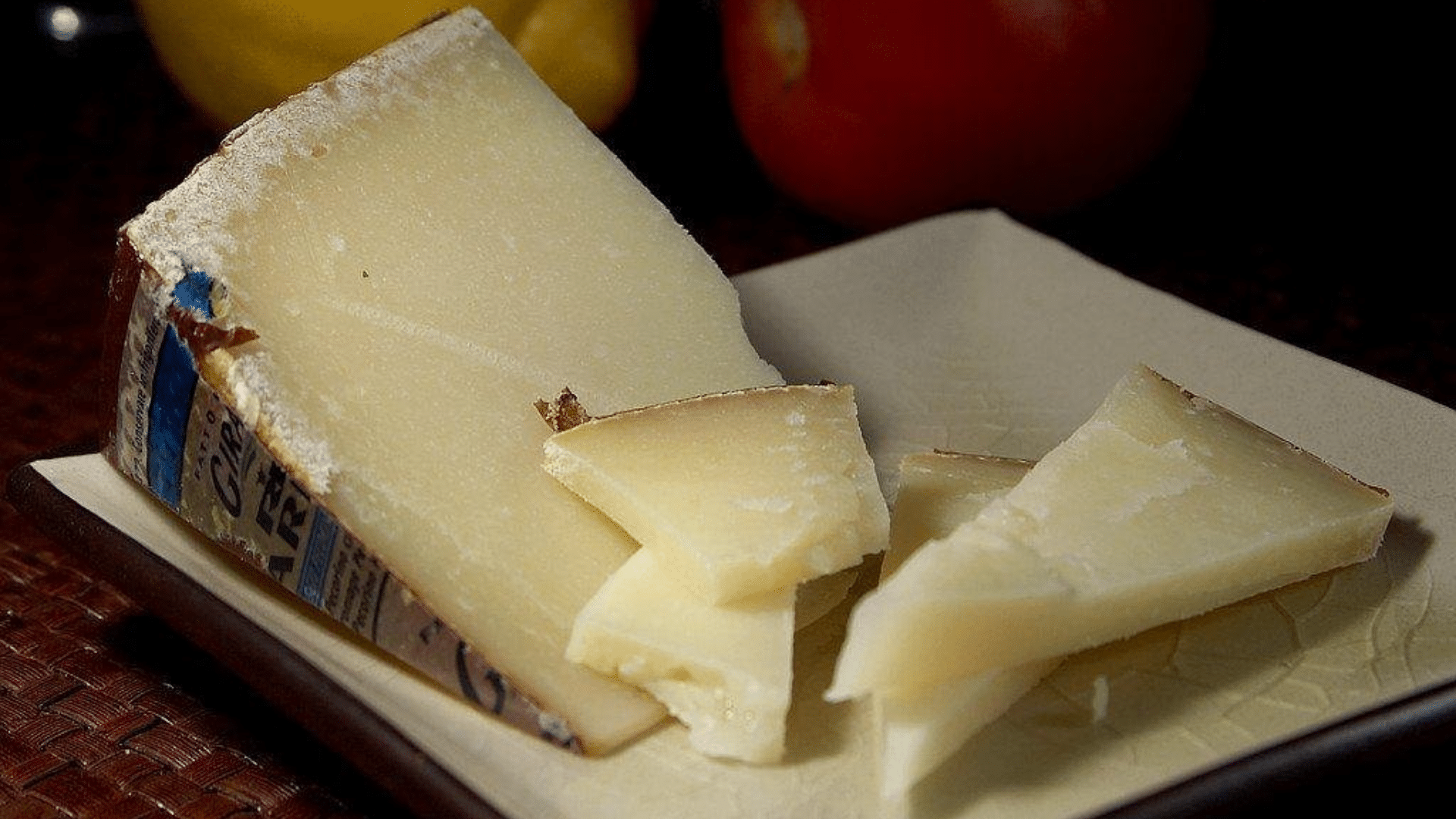
The expanded recall covers thousands of units of grated Pecorino Romano cheese and related products produced by The Ambriola Company and distributed under several brand names, including Locatelli, Boar’s Head, Member’s Mark, and Pinna, with products sold in both consumer-size packages and bulk formats used by food service operations. According to the FDA recall information, these items were distributed nationwide between early and late November 2025 and include 4- and 8-ounce plastic cups as well as large bags intended for commercial use, each bearing specific lot numbers that consumers are urged to check before consuming any product.
The recall list includes tens of thousands of individual units, with recalled UPCs and lot codes covering multiple packaging formats, underscoring the widespread distribution of the affected cheese products across retail shelves and food service supply chains. Consumers who purchased any of the recalled cheese products are advised not to eat them under any circumstances, even if they have been refrigerated or appear normal, and should instead dispose of the items or return them for a refund.
In addition to advising against consumption, the FDA has emphasized that anyone who believes they may have symptoms of listeriosis after eating implicated products should promptly contact a healthcare provider, particularly those in high-risk groups whose symptoms can escalate quickly without treatment. Public health agencies are also working with retailers to remove the affected products from shelves to prevent further access.
Why Listeria in Cheese Is Particularly Dangerous
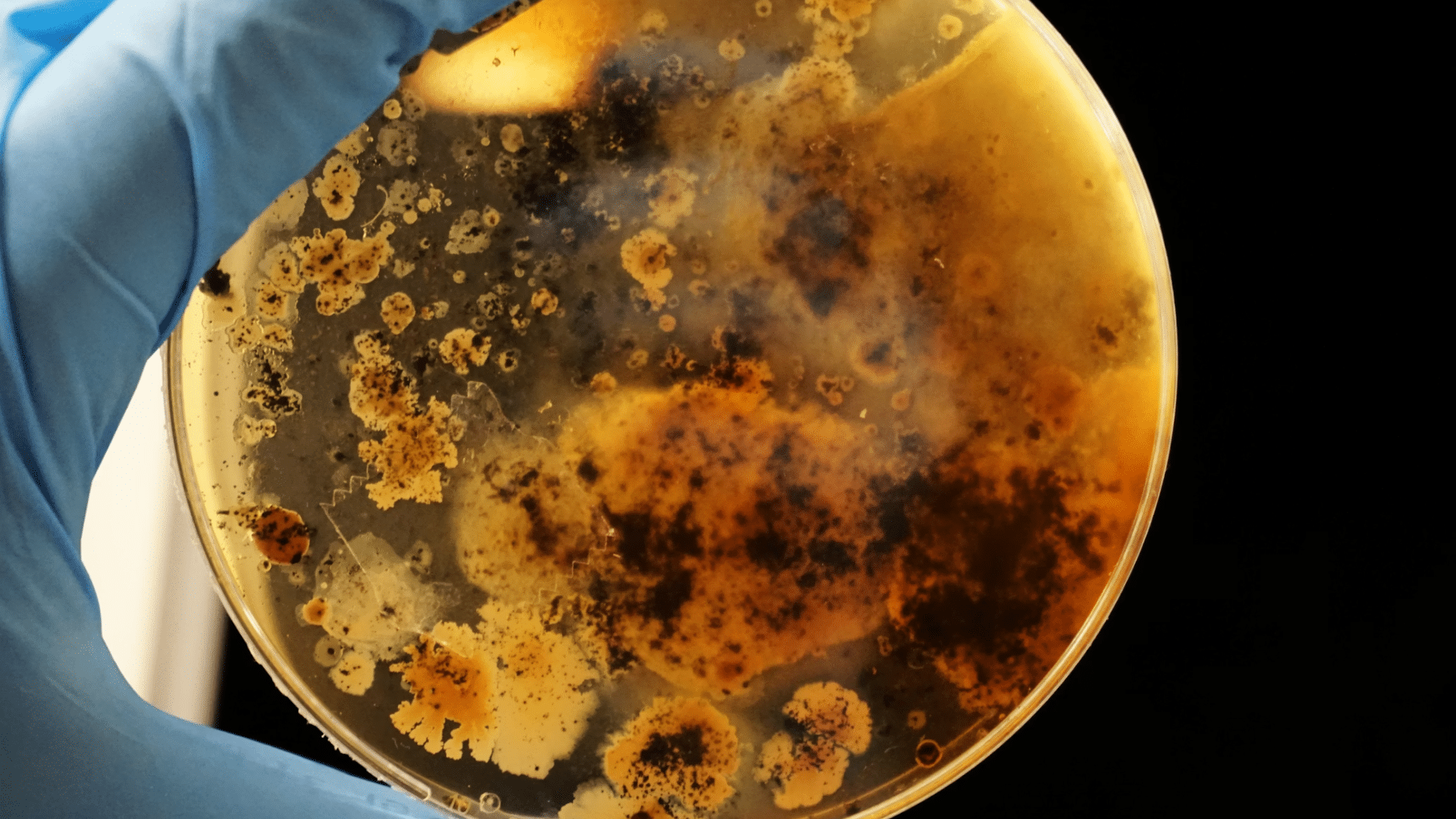
Listeria monocytogenes is a hardy bacterium that can survive in cold environments where many other bacteria cannot, which is one reason why dairy products like cheese, especially those that are grated or processed, can sometimes become vehicles for infection. Once ingested, the bacteria can cause listeriosis, an infection that in healthy adults might result in fever, muscle aches, and gastrointestinal symptoms, but that can be devastating for vulnerable populations.
For pregnant individuals, even mild or unrecognized infection can have devastating consequences because Listeria can cross the placenta, potentially causing miscarriage, stillbirth, premature delivery, or serious illness in a newborn, making early detection and prevention especially critical. Elderly individuals, very young children, and those with weakened immune systems are also at elevated risk for severe complications, including meningitis, sepsis, and death if listeriosis progresses unchecked.
Because the bacteria can grow slowly over time even at refrigeration temperatures, food safety experts warn that ordinary storage practices are not always sufficient to protect against contamination, which is why investigators closely monitor processing environments and why recalls are broadened when contamination is confirmed. These properties also help explain why the FDA chose to upgrade the recall to a Class I designation, reflecting the highest level of potential harm.
What Consumers Should Do and Next Steps
In response to the upgraded recall, the FDA is urging consumers to thoroughly check their refrigerators and pantries for any of the implicated cheese products that may still be present, even if the items were purchased months ago and carry sell-by or best-by dates several months into the future. Because some recalled products have expiration dates extending into spring 2026, the agency stresses that consumers should err on the side of caution and immediately dispose of affected items rather than risk eating them.
Consumers who are unsure whether a product they own is subject to the recall can find detailed lot numbers and codes on the FDA’s official recall list or contact the retailer where the product was purchased for more information. Retailers are also instructed to pull all recalled items from store shelves and to notify customers who may have purchased the products about the recall and refund process.
Healthcare professionals and public health agencies are reminding the public that while no confirmed illnesses have been reported in this case so far, the potential severity of listeriosis means that early symptoms should not be ignored, particularly in high-risk individuals, and that seeking prompt medical care can be critical if any signs of infection develop after exposure to contaminated foods.